15. How to Cook Shrimp Safely Without Ruining Its Texture
Shrimp can become tough and rubbery when overcooked, so cooks often try to minimize the time it spends in the pan.
That is understandable, but food safety remains important.
Shrimp cooks relatively quickly because the flesh is delicate. The cooking time varies depending on its size, whether it is peeled, the cooking method, the starting temperature, and the quantity being prepared.
Instead of relying on an exact cooking time for every shrimp, use reliable temperature guidance and check the product's condition.
A commonly recommended safe internal temperature for seafood is 145°F (63°C). Properly cooked shrimp generally becomes firm and opaque with a pearly appearance.
If you are preparing a large dish, avoid overcrowding the pan. Excessive crowding can lower the cooking temperature and cause uneven results.
Thaw frozen shrimp safely before cooking when the recipe requires it, and avoid placing cooked shrimp onto plates or surfaces that have contacted raw seafood without washing.
When using marinades, never reuse a marinade that has contacted raw shrimp as a finishing sauce unless it has been handled and cooked appropriately according to food-safety guidance.
For dishes served to vulnerable individuals, be particularly cautious about raw or undercooked seafood.
Safe cooking does not have to mean sacrificing flavor. Garlic, ginger, citrus zest, herbs, chili, and other ingredients can provide plenty of taste without relying on undercooking.
The goal is to combine good culinary technique with a safe preparation process.
16. Who Should Be Especially Careful When Eating Shrimp?
Most people can enjoy properly sourced, safely handled, and adequately cooked shrimp as part of a balanced diet.
However, some individuals need to exercise additional care.
Pregnant people should follow medical and public-health guidance on seafood choices and avoid raw or undercooked shrimp because of foodborne illness risks.
Older adults, young children, and people with weakened immune systems may be more vulnerable to serious complications from certain foodborne infections.
People with liver disease may also face increased risk from particular seafood-associated pathogens, including some Vibrio species.
Individuals with a known shellfish allergy must take a different set of precautions. Shrimp is a crustacean shellfish, and allergic reactions can range from mild symptoms to severe, life-threatening reactions.
Anyone who has experienced symptoms such as hives, lip swelling, wheezing, or vomiting after eating shrimp should discuss the possibility of an allergy with a qualified healthcare professional.
Difficulty breathing or swelling of the throat after eating shrimp is a medical emergency.
It is also important not to assume that a person who tolerates one type of seafood will necessarily tolerate every type. Different forms of seafood contain different allergens, and individual medical advice may be necessary.
For people at increased risk of infection, the safest approach is to follow appropriate seafood guidance, choose reliable suppliers, maintain proper refrigeration, avoid raw or undercooked products, and seek medical advice promptly if symptoms develop.
17. A Simple Checklist Before Buying Shrimp
When you reach the seafood counter, it can be difficult to evaluate everything in detail. A practical checklist can help you focus on the most meaningful factors.
First, look at the seller's handling practices. Is the market clean? Is the shrimp properly chilled or frozen? Are utensils and containers being handled hygienically?
Second, examine the product without overinterpreting its color. Natural blue-gray or grayish shells do not automatically indicate spoilage. Look instead for multiple signs of deterioration, such as an unusually strong unpleasant odor, a deteriorating texture, or visible evidence of poor storage.
Third, ask useful questions. Find out whether the shrimp is raw or cooked, fresh or previously frozen, and how it should be stored.
Fourth, check the package where applicable. Look for damage, leaks, storage instructions, and relevant labeling.
Fifth, consider the journey home. If you live far from the market, plan how to keep the shrimp appropriately cold during transport.
Sixth, buy a realistic quantity. Choose an amount that you can refrigerate, freeze, and prepare safely.
Finally, trust your judgment when the storage conditions are clearly questionable. You do not need to purchase a product simply because it is inexpensive.
At the same time, avoid rejecting shrimp solely because it has a naturally occurring blue-gray tone or because another seller charges more.
The goal is to make a decision based on meaningful safety indicators rather than fear-based assumptions.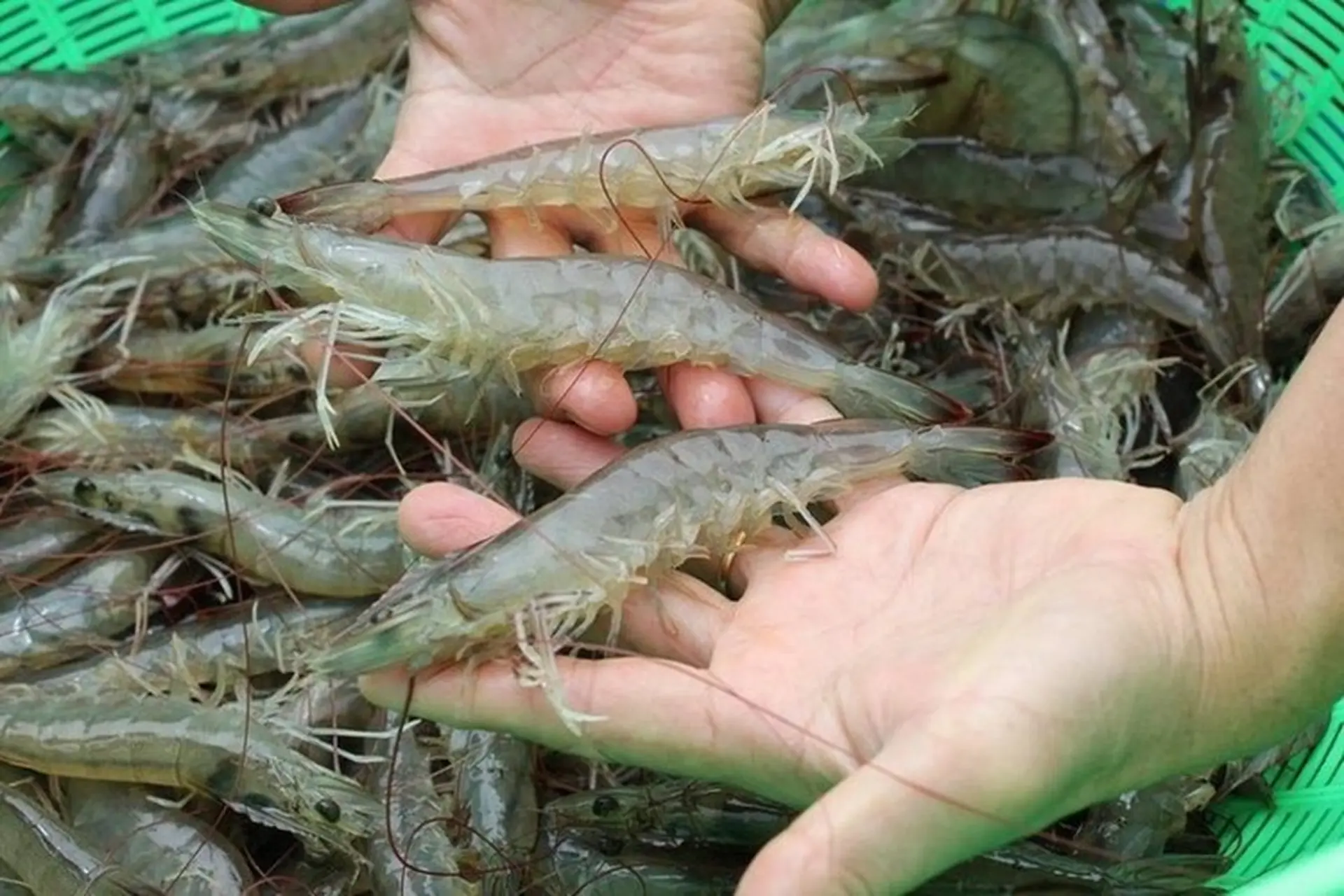
Final Thoughts: The Real Danger Is Not the Price, but Poor Handling
The warning in the image suggests that shoppers should never purchase a particular-looking shrimp, no matter how cheap it is, because eating it will make them sick.
That statement is too broad to be reliable.
Shrimp naturally comes in a variety of colors, and a blue-gray shell is common among certain raw shrimp. Color alone cannot establish whether the product is spoiled, contaminated, or safe to eat.
Likewise, a low price does not automatically indicate poor quality. Legitimate differences in species, size, origin, processing, season, and supply can influence cost.
The more meaningful warning signs are an obvious unpleasant odor, deterioration in texture, questionable storage conditions, damaged packaging, and poor handling practices. Even these cannot reveal every possible food-safety hazard, so consumers should purchase shrimp from reputable sources and follow proper storage and cooking guidance.
Shrimp can be a nutritious and enjoyable part of many meals. It provides protein and, depending on the species and product, nutrients such as vitamin B12, selenium, and other essential minerals.
There is no need to fear every inexpensive seafood product. Instead, focus on what you can reasonably evaluate: the reliability of the seller, the cleanliness of the market, appropriate temperature control, product labeling, safe transportation, and proper cooking.
Once you bring shrimp home, keep it refrigerated or frozen as appropriate, prevent cross-contamination, and cook it thoroughly. Do not rely on washing, seasoning, or a normal smell to make a questionable product safe.
If shrimp looks or smells clearly spoiled, or you suspect that it has been stored improperly, do not take the risk.
The best seafood-shopping rule is not “never buy cheap shrimp.” It is “never ignore poor handling or questionable freshness just because the price is attractive.”
That simple distinction allows you to shop more confidently, reduce unnecessary waste, and protect your health without falling for misleading warnings based on appearance alone.