For years, it seemed like an ordinary childhood habit.
An 8-year-old regularly drank the same popular beverage. It was convenient, familiar, and something his family never considered particularly unusual. Like many children, he preferred a sweet drink to plain water, and over time, it became part of his daily routine.
Then something changed.
He became increasingly tired. He wasn't eating normally. His energy dropped, and other symptoms began to appear. Eventually, medical testing revealed that his kidneys were struggling.
The story is frightening—but it also raises an important question:
Can what a child drinks every day affect kidney health?
The answer is more complicated than simply blaming one beverage.
A single drink does not automatically cause kidney failure. Kidney disease in children can have many causes, including congenital abnormalities, inherited disorders, infections, autoimmune conditions, medications, urinary tract problems, and other medical conditions.
However, what children regularly drink can influence several important risk factors for kidney and overall health, especially when sugary or highly processed beverages replace water and nutritious foods.
So what should parents know?
Why Kidney Health Matters So Much in Children
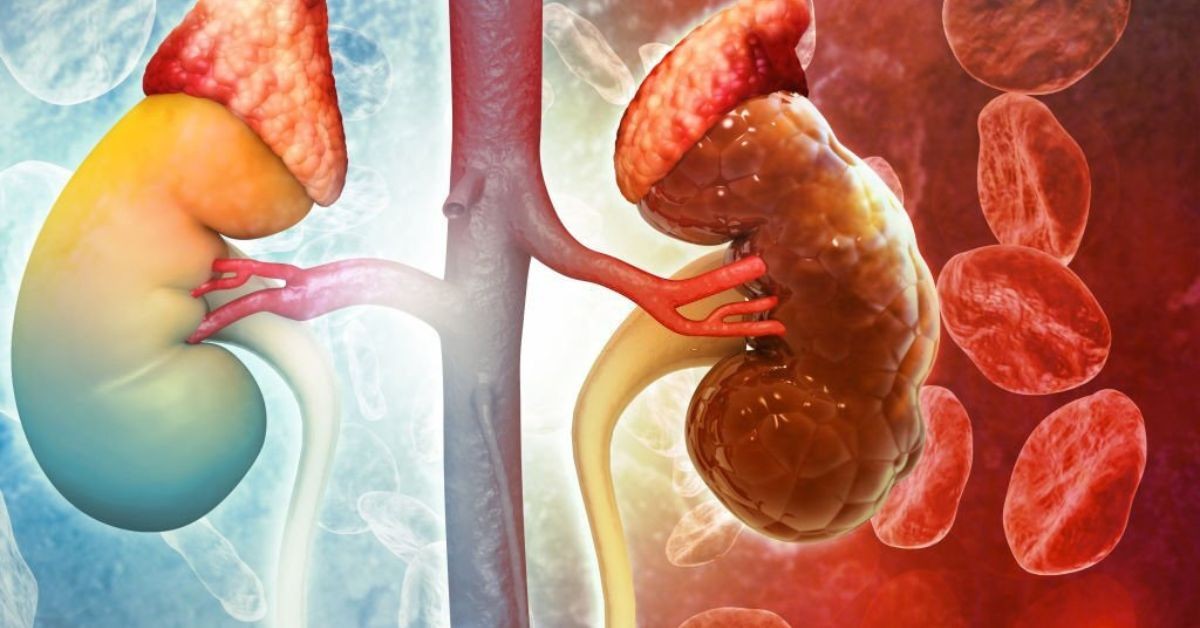
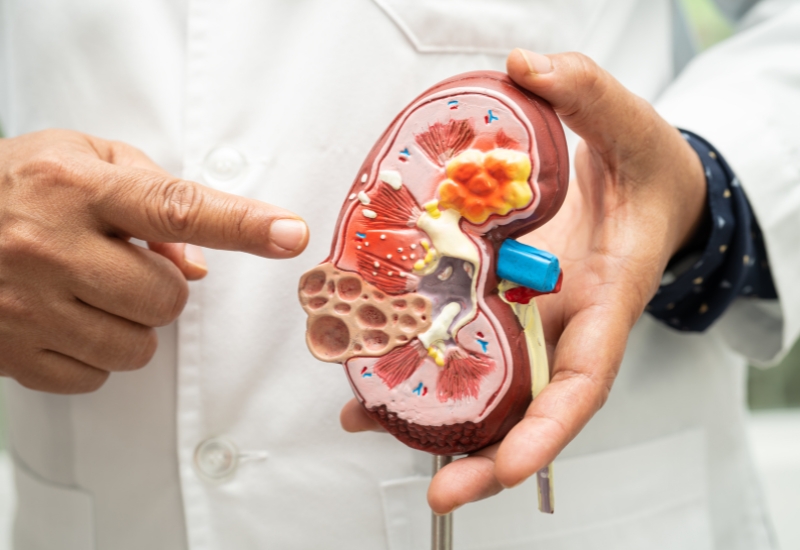
The kidneys perform several essential jobs every day.
They filter waste products from the blood, help regulate fluid balance, maintain appropriate levels of minerals and electrolytes, and contribute to blood-pressure regulation.
They also play a role in producing hormones involved in red blood cell production and bone health.
When kidney function becomes severely impaired, waste products and excess fluid can accumulate in the body.
That's why significant kidney disease can eventually affect many different parts of a child's health.
A child with kidney problems may experience symptoms such as:
-
Fatigue
-
Poor appetite
-
Nausea or vomiting
-
Swelling around the eyes or legs
-
Changes in urination
-
Foamy urine
-
Blood in the urine
-
High blood pressure
-
Poor growth
-
Unexplained weakness
But these symptoms are not specific to kidney disease.
A child experiencing persistent or concerning symptoms should be evaluated by a healthcare professional rather than diagnosed based on symptoms alone.
The Beverage May Not Be the Whole Story
When a child develops kidney failure, it's tempting to look for one obvious explanation.
Perhaps it was a soft drink.
Perhaps it was an energy drink.
Perhaps it was a sweetened tea or another beverage consumed every day.
But medically, kidney failure is rarely something that can be explained simply by saying:
“He drank this, and therefore his kidneys failed.”
That kind of conclusion can be misleading.
A child may have an underlying kidney disorder that was present long before symptoms became obvious.
Some childhood kidney diseases can remain unnoticed until kidney function has already declined significantly.
Therefore, if a real child develops kidney failure, doctors generally need to investigate the underlying cause, rather than simply identifying one food or beverage.
So Why Are Sugary Drinks Still a Concern?
Although one beverage shouldn't automatically be blamed for kidney failure, regularly consuming large amounts of sugary beverages can contribute to health problems.
Soft drinks, sweetened teas, flavored drinks, sports beverages, energy drinks, and other sweetened beverages can contain substantial amounts of added sugar.
A child who drinks them frequently may consume a significant amount of sugar without feeling particularly full.
Over time, excessive intake can contribute to:
-
Excess calorie consumption
-
Weight gain
-
Tooth decay
-
Poorer diet quality
-
Increased risk of metabolic problems
These issues matter because metabolic health and kidney health are closely connected.
For example, obesity and diabetes are important risk factors for chronic kidney disease in adults, and establishing healthier habits during childhood can be beneficial for long-term health.
The Hidden Problem: What the Drink Replaces
One of the biggest concerns isn't necessarily the beverage itself.
It's what the child isn't drinking or eating because of it.
Imagine a child who drinks several sweetened beverages every day.
They may consume fewer glasses of water.
They may become accustomed to very sweet flavors.
They may also be more likely to choose processed snacks and desserts.
Over time, the overall dietary pattern can become less balanced.
This is why nutrition experts often focus on the entire eating pattern rather than labeling one food as either “good” or “bad.”
Dehydration Is Another Important Consideration
Children can become dehydrated more quickly than adults in certain circumstances, particularly during hot weather, physical activity, fever, vomiting, or diarrhea.
Water is usually the simplest way to maintain hydration.
When children don't drink enough fluid, dehydration can cause symptoms such as:
-
Thirst
-
Dry mouth
-
Darker urine
-
Reduced urination
-
Fatigue
-
Dizziness
-
Headache
More severe dehydration can become dangerous and may affect kidney function.
However, dehydration is different from chronic kidney disease, and drinking a sugary beverage doesn't necessarily protect against dehydration better than water.
In many everyday situations, plain water is an excellent default beverage for children.
What About Soft Drinks?
Soft drinks are particularly easy for children to overconsume because they're sweet, widely available, and often marketed aggressively.
A large serving can contain a substantial amount of added sugar.
The issue becomes more significant when soft drinks are consumed:
-
Several times a day
-
Instead of water
-
With most meals
-
Alongside other sugary foods
-
In large portions
An occasional soft drink is very different from making sugary beverages a daily source of calories.
Parents don't necessarily need to create an atmosphere of fear around food.
Instead, they can establish simple household habits.
Water becomes the normal drink.
Sweetened beverages become occasional choices.
That approach is generally easier to maintain than attempting to ban every sweet food.
Energy Drinks Are a Different Concern
Parents should also be cautious about energy drinks, particularly for children.
Energy drinks may contain substantial amounts of caffeine and other stimulants.
Children generally have different nutritional and physiological needs from adults, and caffeinated energy drinks are not appropriate as routine beverages for young children.
Potential problems from excessive caffeine can include:
-
Rapid heartbeat
-
Anxiety or nervousness
-
Sleep problems
-
Headaches
-
Stomach discomfort
-
Difficulty concentrating
Some energy drinks also contain considerable amounts of sugar.
For children, plain water and appropriate nutritious beverages are generally much better choices.
What About Sports Drinks?
Sports drinks are often marketed as beverages for active people.
But not every child needs a sports drink after ordinary physical activity.
Many contain added sugar and electrolytes designed for particular circumstances.
For a child playing casually at school or spending time outside, water is usually sufficient.
Sports drinks may have a role in certain situations involving prolonged, intense exercise, but they shouldn't automatically become an everyday beverage.
Parents Should Pay Attention to Portion Size
Sometimes the problem isn't the type of beverage alone.
It's the amount.
A small serving consumed occasionally is very different from a large bottle consumed every day.
Portion sizes have increased substantially in many food and beverage environments, and children may not recognize how much sugar they're consuming.
A useful habit is to check the nutrition label.
Look at:
-
Serving size
-
Added sugar
-
Calories
-
Caffeine
-
Sodium
-
Number of servings in the container
A bottle that appears to be “one drink” may contain more than one serving according to the label.
What Should Children Drink Most Often?
For most healthy children, water should be one of the main everyday beverages.
Depending on age and individual nutritional needs, other appropriate options can include milk or suitable fortified alternatives.
The exact dietary pattern depends on the child.
A good routine might look something like:
Breakfast: water and an appropriate milk serving if desired
School: water bottle
After activity: water
Meals: water
Special occasions: an occasional sweetened beverage
The objective isn't to create a perfectly sugar-free childhood.
It's to make healthier choices the default rather than the exception.
What If a Child Already Drinks Sugary Beverages Every Day?
Don't necessarily eliminate them overnight.
A gradual approach can be easier.
Step 1: Identify how much they're drinking
Keep track for a few days.
Parents are sometimes surprised by how quickly multiple small drinks add up.
Step 2: Replace one serving
Swap one daily sweetened drink for water.
Step 3: Reduce gradually
Continue replacing additional servings over time.
Step 4: Make water convenient
Keep cold water readily available at home and school.
Step 5: Change the environment
Don't keep large quantities of sugary drinks readily available all the time.
Children naturally consume what's easiest to access.
Don't Forget About the Kidneys' Other Risk Factors
If a child develops kidney disease, doctors may investigate many possible causes.
These can include:
Congenital kidney abnormalities
Some children are born with structural differences affecting the kidneys or urinary tract.
Genetic conditions
Certain inherited disorders can affect kidney development or function.
Urinary tract abnormalities
Problems affecting urine flow can sometimes damage the kidneys over time.
Infections
Certain infections can affect kidney function, directly or indirectly.
Autoimmune diseases
Some immune-system disorders can attack kidney tissue.
Medications and toxins
Certain medications or toxic exposures can damage the kidneys, particularly when used incorrectly or in excessive amounts.
High blood pressure
Severe or persistent hypertension can affect kidney health.
Diabetes and metabolic disease
These are major contributors to kidney disease, particularly later in life, although they can also affect children.
This is why a child's kidney failure requires proper medical investigation rather than a simplistic dietary explanation.
Signs Parents Shouldn't Ignore
Kidney problems don't always produce obvious symptoms early on.
However, parents should talk to a healthcare professional if a child develops persistent or unexplained changes such as:
-
Swelling around the eyes
-
Swelling of the feet or ankles
-
Significant changes in urination
-
Blood in the urine
-
Persistent foamy urine
-
Unexplained fatigue
-
Repeated nausea or vomiting
-
Poor appetite
-
Poor growth
-
Persistent high blood pressure
-
Unusual thirst or urination changes
These symptoms can have many causes.
They don't automatically indicate kidney disease.
But persistent or significant changes deserve evaluation.
When Is It an Emergency?
Some symptoms require urgent medical attention.
Seek immediate medical care if a child has severe difficulty breathing, severe swelling, confusion, loss of consciousness, severe dehydration, very little or no urine, persistent vomiting with signs of dehydration, or appears seriously ill.
A child with known kidney disease who suddenly develops significant changes in urine output, swelling, breathing, or mental status should receive prompt medical assessment.
What Parents Can Do to Protect Long-Term Kidney Health
There is no way to guarantee that a child will never develop kidney disease.
But parents can establish habits that support overall health.
Encourage regular water intake
Make water easy to access and normal to drink.
Limit sugary beverages
They don't need to be completely forbidden, but they shouldn't replace water as the primary everyday drink.
Avoid energy drinks for young children
Caffeine and stimulant-containing drinks are not appropriate routine beverages for children.
Encourage nutritious meals
Build meals around vegetables, fruits, whole grains, and appropriate sources of protein.
Limit excessive sodium
Highly processed foods can contain substantial sodium.
Encourage physical activity
Regular age-appropriate activity supports cardiovascular and metabolic health.
Maintain routine medical care
Regular pediatric visits can help identify blood pressure abnormalities, growth problems, and other potential concerns.
The Bigger Lesson Behind the Story
The most important lesson isn't:
“One drink destroyed this child's kidneys.”
That statement would be far too simplistic without knowing the child's complete medical history.
The more useful lesson is:
Everyday habits matter, especially when they become routines over many years.
A beverage consumed occasionally is very different from a sugary or caffeinated drink consumed several times every day.
Children develop food preferences and habits early in life. If water becomes the normal drink from childhood, healthier choices can become second nature.
And if a child already has kidney disease, their diet may require much more specific guidance regarding sodium, potassium, phosphorus, protein, and fluid intake.
That is a situation where parents should work directly with the child's pediatrician and, when appropriate, a renal dietitian.
Don't Put a Child on a Restrictive "Kidney Diet" Without Medical Advice
This is especially important.
Parents who hear about kidney disease online may become frightened and start removing foods from a child's diet.
That can create nutritional problems.
Children are growing. They need sufficient energy, protein, vitamins, minerals, and other nutrients.
A child with kidney disease may indeed require dietary modifications, but those recommendations should be based on:
-
The underlying kidney condition
-
Kidney function
-
Blood test results
-
Blood pressure
-
Growth
-
Medications
-
Stage of disease
-
Whether dialysis is required
A diet that is appropriate for one child with kidney disease may be completely inappropriate for another.
A Healthier Way to Think About Children's Beverages
Instead of asking:
“Is this drink dangerous?”
ask:
“How often does my child drink it, how much do they drink, and what is it replacing?”
That's a much more useful question.
A drink containing added sugar once in a while is not the same as consuming several large servings every day.
A sports drink after prolonged intense exercise is different from drinking it with every meal.
And water remains fundamentally different from a sugary beverage, even if both contribute fluid.
Final Takeaway
The story of an 8-year-old developing severe kidney problems after years of drinking one beverage is understandably alarming.
But a beverage should not automatically be blamed for kidney failure without medical evidence.
Children can develop kidney disease for many different reasons, including congenital, genetic, infectious, autoimmune, structural, and metabolic conditions.
Nevertheless, regular consumption of large amounts of sugary beverages can contribute to unhealthy dietary patterns, excess calorie intake, and metabolic problems. Energy drinks present additional concerns because of caffeine and stimulants.
For most healthy children, the simplest strategy is also one of the most practical:
Make water the everyday default.
Keep sugary beverages occasional. Avoid energy drinks for young children. Encourage nutritious meals and regular physical activity. And if a child develops persistent changes in urination, swelling, unusual fatigue, poor growth, or other concerning symptoms, seek medical advice rather than assuming the cause is dietary.
The goal isn't to make children afraid of food or drinks.
It's to help them develop healthy habits that can last for decades—long before a preventable problem has a chance to become a serious one.