Cassava is one of the world's most important staple crops. In many parts of Africa, Asia, Latin America, and the Caribbean, it is an affordable and dependable source of calories. It can be boiled, baked, fried, fermented, dried into flour, or turned into products such as tapioca.
But cassava has a surprising characteristic that many people don't realize: some varieties naturally contain compounds that can release hydrogen cyanide if the food is not properly processed and prepared.
This doesn't mean cassava is inherently unsafe. In fact, properly processed cassava is routinely eaten around the world. The real issue is preparation. Understanding why cassava can be risky and how traditional food-processing methods make it safer is far more useful than simply labeling it a "dangerous food."

What Is Cassava?
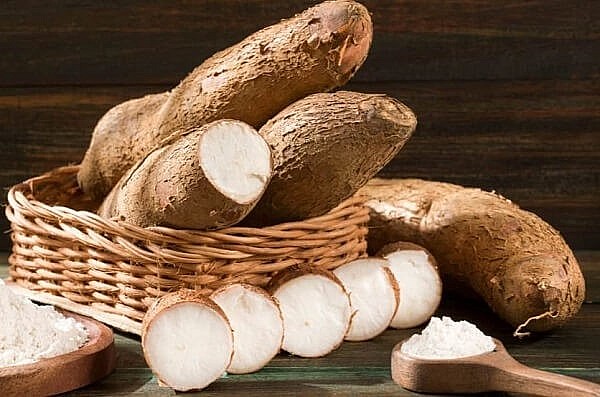
Cassava, also called yuca, manioc, or manioc root, is a starchy root vegetable originally from South America.
Today, it is an important food crop in tropical and subtropical regions. It is particularly valuable because the plant can tolerate relatively poor soils and periods of drought, making it an important source of carbohydrates and food security.
The edible root is primarily composed of water and carbohydrates, with smaller amounts of fiber, protein, and minerals.
Cassava can be transformed into many familiar foods, including:
-
Boiled cassava
-
Fried cassava
-
Cassava flour
-
Tapioca
-
Cassava starch
-
Fermented cassava products
-
Baked goods
-
Porridge and traditional dishes
So why does such an ordinary food have a safety warning attached to it?
The answer lies in its chemistry.
The Hidden Risk: Cyanogenic Glycosides
Cassava contains naturally occurring compounds called cyanogenic glycosides.
Two important compounds are linamarin and lotaustralin.
When cassava tissue is damaged - for example, through cutting, crushing, or grating - these compounds can break down and ultimately release hydrogen cyanide (HCN).
Hydrogen cyanide is toxic because it interferes with the body's ability to use oxygen at the cellular level.
The concentration of these compounds varies considerably between cassava varieties and growing conditions. Some varieties contain relatively low levels, while others - particularly varieties commonly described as "bitter" cassava—can contain considerably more.
This variation is one reason proper preparation is so important.
Raw Cassava Should Not Be Eaten
This is one of the most important safety points.
Cassava should not be eaten raw.
Food-safety authorities recommend that cassava be properly peeled and thoroughly cooked or otherwise appropriately processed before consumption. Australia and New Zealand's food-safety authority, for example, specifically advises that cassava must be fully cooked and peeled before eating. Proper processing can substantially reduce cyanogenic compounds.
Traditional communities that rely heavily on cassava have developed methods such as:
-
Peeling
-
Cutting
-
Grating
-
Soaking
-
Fermenting
-
Drying
-
Boiling
-
Other forms of processing
The exact method depends on the variety and the traditional food being produced.
Why Peeling Matters
The outer portions of cassava can contain significant amounts of cyanogenic compounds.
Removing the peel is therefore an important part of preparation.
But peeling alone isn't necessarily enough, particularly for varieties with higher cyanogenic content.
That is why proper cooking or processing remains essential.
Cooking Helps Reduce the Risk
Heat and water-based processing can help reduce cyanogenic compounds.
For example, boiling peeled cassava allows some compounds to move into the cooking water.
The cooking water should then be discarded rather than reused for another dish when following a preparation method intended to reduce cyanide exposure.
However, preparation methods vary, and simply heating cassava for an arbitrary amount of time should not be assumed to make every variety safe.
Traditional processing techniques can involve several stages specifically designed to reduce cyanogenic compounds.
Fermentation Can Also Play an Important Role
Fermentation is another traditional method used to process cassava.
During fermentation, microorganisms and enzymes help break down compounds in the cassava.
Certain traditional fermentation processes have been shown to substantially reduce cyanogenic glycosides. Food-safety guidance describes soaking, grating, and fermenting as methods that can reduce these compounds to safer levels.
This is one reason fermented cassava products can have very different safety characteristics from raw cassava.
What Happens During Cyanide Poisoning?
Cyanide poisoning can be serious and potentially fatal.
According to the World Health Organization, acute cyanide intoxication can cause symptoms including:
-
Headache
-
Dizziness
-
Rapid breathing
-
Low blood pressure
-
Stomach pain
-
Vomiting
-
Diarrhea
-
Confusion
-
Convulsions
-
Loss of consciousness
Severe poisoning can result in coma and death.
The severity depends on the amount of cyanide released and the individual's ability to detoxify it.
:quality(75)/cu_san_01_c639fa4185.jpg)
Why Don't Millions of Cassava Consumers Get Poisoned?
This is an important distinction.
The presence of a natural toxin does not mean that properly prepared cassava is inherently dangerous.
People have consumed cassava safely for generations because traditional food cultures developed processing techniques that reduce its toxicity.
The problem occurs when cassava is:
-
Eaten raw
-
Insufficiently processed
-
Improperly prepared
-
Made from unusually high-cyanide varieties without appropriate processing
-
Consumed during situations where food-processing practices break down
WHO identifies cassava as one of the important foods containing cyanogenic glycosides, but the risk depends heavily on the amount of cyanide that can actually be released and consumed.
The Difference Between Sweet and Bitter Cassava
Cassava varieties are sometimes broadly classified as sweet or bitter.
Generally, bitter varieties contain higher levels of cyanogenic compounds.
However, this terminology can be misleading if treated as a perfect safety test. FAO notes that cyanogenic content varies considerably between varieties and environmental conditions, and sweetness or bitterness does not provide a precise measurement of cyanogenic glycoside concentration.
That's why proper preparation remains important regardless of what a particular cassava tastes like.
Cassava Isn't the Only Food with Natural Toxins
The story of cassava illustrates a broader fact about food safety: some plants naturally contain compounds that can become harmful under certain circumstances.
WHO notes that cyanogenic glycosides occur in numerous plant species, including:
-
Cassava
-
Sorghum
-
Stone fruits
-
Bamboo shoots
-
Almonds
The risk varies enormously depending on the plant, variety, preparation, and amount consumed.
So the lesson isn't "avoid foods containing natural compounds."
Instead, it's:
Know the food, understand the preparation, and follow established food-safety practices.
Is Cassava Nutritious?
Absolutely.
Cassava is primarily a source of carbohydrates and can provide substantial energy.
It also contains nutrients such as:
-
Vitamin C
-
Fiber
-
Calcium
-
Some B vitamins
-
Various minerals
However, cassava is relatively low in protein compared with many legumes and animal-based foods.
For this reason, meals based heavily on cassava are often more nutritionally balanced when paired with protein-rich foods such as:
-
Beans
-
Lentils
-
Eggs
-
Fish
-
Chicken
-
Meat
-
Tofu
Adding vegetables and healthy fats can further improve the nutritional balance of a meal.
Cassava Flour and Tapioca
Cassava isn't always eaten as a whole root.
It can also be processed into flour and starch.
Tapioca, for example, is primarily starch extracted from cassava.
These ingredients are used in:
-
Puddings
-
Baked goods
-
Flatbreads
-
Noodles
-
Thickening agents
-
Gluten-free products
Commercially processed cassava products are subject to food-safety standards in many countries.
However, consumers should still follow package instructions and avoid assuming that homemade cassava flour is automatically safe simply because the root has been dried.
Why Proper Processing Is So Important
Cassava provides a fascinating example of how food preparation is part of food safety.
The same plant can be:
Unsafe when raw → safe when properly processed.
That principle appears throughout human food traditions.
Cooking, soaking, fermenting, drying, and other processing methods aren't merely about flavor or texture. In some foods, they are essential for reducing naturally occurring toxins.
Common Mistakes to Avoid
Eating Raw Cassava
This is the most obvious mistake.
Cassava should be properly prepared before consumption.
Assuming "Sweet" Means Completely Safe
Sweet varieties may contain lower levels of cyanogenic compounds, but that doesn't mean they should be eaten raw.
Using an Unfamiliar Wild Variety
Different varieties can contain very different levels of cyanogenic compounds.
When in doubt, use cassava intended for food and follow established preparation instructions.
Reusing Cooking Water
When a preparation method is designed to remove water-soluble compounds into the cooking liquid, that liquid should not automatically be reused.
Follow a trusted preparation method for the specific cassava product.
Who Should Be Especially Careful?
Everyone should prepare cassava properly, but extra caution is appropriate for:
-
Young children
-
Pregnant individuals
-
Older adults
-
People with underlying medical conditions
-
Communities relying heavily on cassava as a staple food
Where cassava forms a major part of the diet, dietary variety is also important because cassava alone does not provide all essential nutrients.
What Should You Do If You Suspect Cyanide Poisoning?
Possible cyanide poisoning is a medical emergency.
Symptoms can progress rapidly and may include severe dizziness, vomiting, difficulty breathing, confusion, seizures, or loss of consciousness.
If someone develops concerning symptoms after eating improperly prepared cassava, seek emergency medical care immediately rather than attempting home treatment.
The Bigger Lesson Behind Cassava
The story of cassava is not really about a "deadly food."
It is about how humans have learned to make potentially hazardous ingredients safe through knowledge and preparation.
For millions of people, cassava is an important source of energy and a culturally significant food. Calling it simply "dangerous" ignores the fact that properly processed cassava is routinely and safely consumed.
The real danger lies in ignoring the food's preparation requirements.
The Bottom Line
Cassava is a nutritious and highly versatile staple food, but it naturally contains cyanogenic glycosides that can release hydrogen cyanide when the plant is improperly prepared. The concentration varies among varieties, and bitter varieties can contain particularly high levels.
That doesn't mean you need to eliminate cassava from your diet. The key is proper preparation. Cassava should not be eaten raw and should be peeled and thoroughly processed according to reliable food-safety guidance. Traditional techniques such as soaking, grating, fermenting, drying, and cooking can substantially reduce cyanogenic compounds.
So the surprising lesson isn't that millions of people are eating a "deadly food." It's that a food with a genuine natural hazard has become a safe and important staple because generations of people developed effective ways to process it.
When it comes to cassava, the preparation is just as important as the food itself.