These ingredients are used in:
-
Puddings
-
Baked goods
-
Flatbreads
-
Noodles
-
Thickening agents
-
Gluten-free products
Commercially processed cassava products are subject to food-safety standards in many countries.
However, consumers should still follow package instructions and avoid assuming that homemade cassava flour is automatically safe simply because the root has been dried.
Why Proper Processing Is So Important
Cassava provides a fascinating example of how food preparation is part of food safety.
The same plant can be:
Unsafe when raw → safe when properly processed.
That principle appears throughout human food traditions.
Cooking, soaking, fermenting, drying, and other processing methods aren't merely about flavor or texture. In some foods, they are essential for reducing naturally occurring toxins.
Common Mistakes to Avoid
Eating Raw Cassava
This is the most obvious mistake.
Cassava should be properly prepared before consumption.
Assuming "Sweet" Means Completely Safe
Sweet varieties may contain lower levels of cyanogenic compounds, but that doesn't mean they should be eaten raw.
Using an Unfamiliar Wild Variety
Different varieties can contain very different levels of cyanogenic compounds.
When in doubt, use cassava intended for food and follow established preparation instructions.
Reusing Cooking Water
When a preparation method is designed to remove water-soluble compounds into the cooking liquid, that liquid should not automatically be reused.
Follow a trusted preparation method for the specific cassava product.
Who Should Be Especially Careful?
Everyone should prepare cassava properly, but extra caution is appropriate for:
-
Young children
-
Pregnant individuals
-
Older adults
-
People with underlying medical conditions
-
Communities relying heavily on cassava as a staple food
Where cassava forms a major part of the diet, dietary variety is also important because cassava alone does not provide all essential nutrients.
What Should You Do If You Suspect Cyanide Poisoning?
Possible cyanide poisoning is a medical emergency.
Symptoms can progress rapidly and may include severe dizziness, vomiting, difficulty breathing, confusion, seizures, or loss of consciousness.
If someone develops concerning symptoms after eating improperly prepared cassava, seek emergency medical care immediately rather than attempting home treatment.
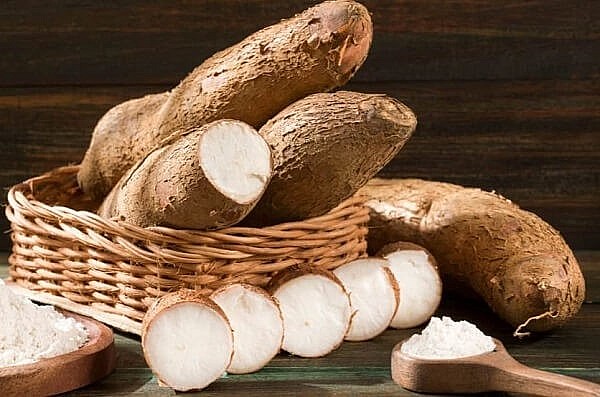
The Bigger Lesson Behind Cassava
The story of cassava is not really about a "deadly food."
It is about how humans have learned to make potentially hazardous ingredients safe through knowledge and preparation.
For millions of people, cassava is an important source of energy and a culturally significant food. Calling it simply "dangerous" ignores the fact that properly processed cassava is routinely and safely consumed.
The real danger lies in ignoring the food's preparation requirements.
The Bottom Line
Cassava is a nutritious and highly versatile staple food, but it naturally contains cyanogenic glycosides that can release hydrogen cyanide when the plant is improperly prepared. The concentration varies among varieties, and bitter varieties can contain particularly high levels.
That doesn't mean you need to eliminate cassava from your diet. The key is proper preparation. Cassava should not be eaten raw and should be peeled and thoroughly processed according to reliable food-safety guidance. Traditional techniques such as soaking, grating, fermenting, drying, and cooking can substantially reduce cyanogenic compounds.
So the surprising lesson isn't that millions of people are eating a "deadly food." It's that a food with a genuine natural hazard has become a safe and important staple because generations of people developed effective ways to process it.
When it comes to cassava, the preparation is just as important as the food itself.