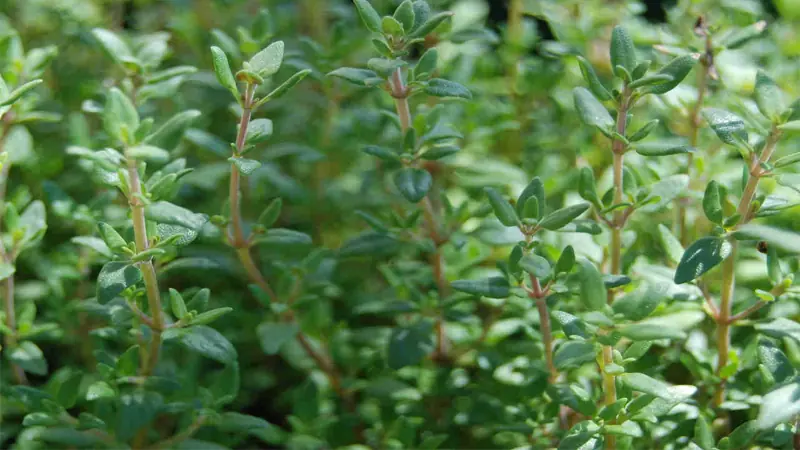
Exploring Thyme: Traditional Uses and Research-Backed Properties
What Science Says About the Potential Health Properties of Thyme?
Health 13/05/2026 15:35
Many people think of sleep problems as little more than an annoyance — something that causes fatigue, irritability, or trouble concentrating. But doctors warn that certain sleep disorders may have far more serious consequences, especially when insomnia and sleep apnea occur together.
Researchers have found that this combination may significantly increase stress on the cardiovascular system, potentially raising the risk of high blood pressure, heart disease, stroke, and other serious health complications.
Because symptoms often develop gradually and silently, millions of people may not realize the impact poor sleep is having on their bodies.
Insomnia is a sleep disorder that makes it difficult to:
People with insomnia may experience:
Insomnia can be short-term or chronic.
Sleep apnea is a condition in which breathing repeatedly stops and starts during sleep.
The most common type is obstructive sleep apnea (OSA), which happens when throat muscles relax and temporarily block the airway.
Common symptoms include:
Many people with sleep apnea don’t realize they have it.
When insomnia and sleep apnea happen together — sometimes called COMISA (co-morbid insomnia and sleep apnea) — experts say the health effects may become more severe.
Sleep apnea repeatedly lowers oxygen levels during the night, while insomnia may increase stress hormones and reduce the body’s ability to recover.
Together, they may contribute to:
Over time, this may increase cardiovascular risk.
Healthy sleep is essential for heart function.
During sleep, the body:
Chronic sleep disruption may interfere with these processes.
Studies have linked untreated sleep disorders to:

Experts recommend paying attention to symptoms such as:
Persistent symptoms deserve medical evaluation.
Several factors may increase the risk of insomnia and sleep apnea, including:
Men are generally more likely to develop sleep apnea, but risk also increases in women after menopause.
Yes. Treatment depends on the cause and severity.
Doctors may recommend:
Treatment may include:
Experts often recommend:
These habits may benefit both sleep quality and cardiovascular health.

Seek medical advice if you:
Sleep studies may help diagnose underlying sleep disorders.
Insomnia and sleep apnea are more than just nighttime problems. When left untreated — especially together — they may place significant stress on the heart and overall health.
Recognizing symptoms early and seeking treatment may improve sleep quality, daily functioning, and long-term cardiovascular health.
What Science Says About the Potential Health Properties of Thyme?
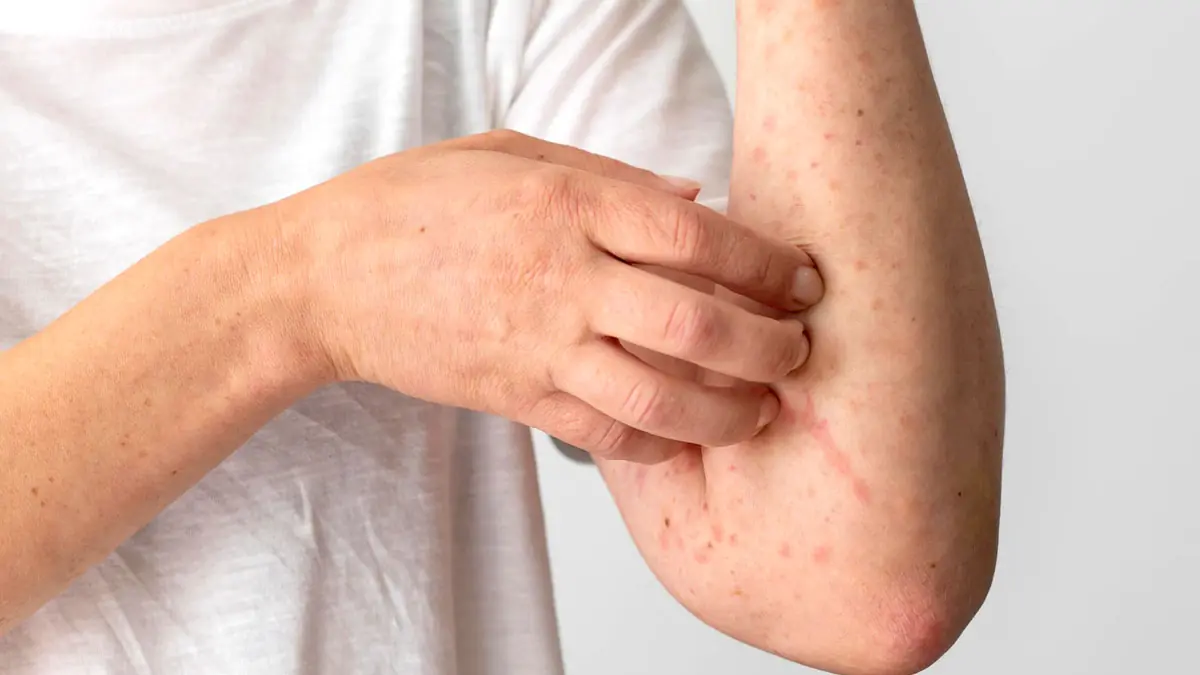
Some Skin Symptoms Could Be Connected to Underlying Liver Conditions

What Causes Itchy Skin and Small Red Bumps? Experts Explain
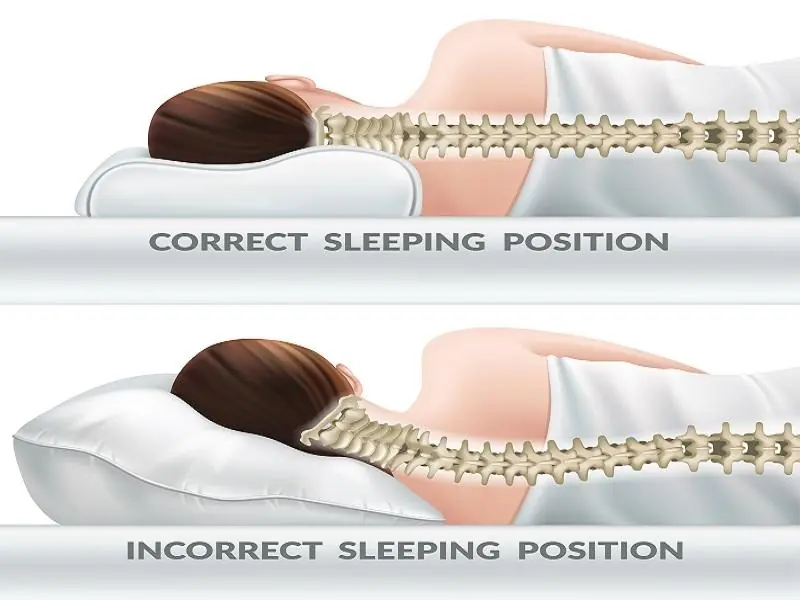
The Possible Advantages of Left-Side Sleeping for Digestion and Comfort

Here’s Why Sweet Potatoes Are Good for You — and When They May Not Be
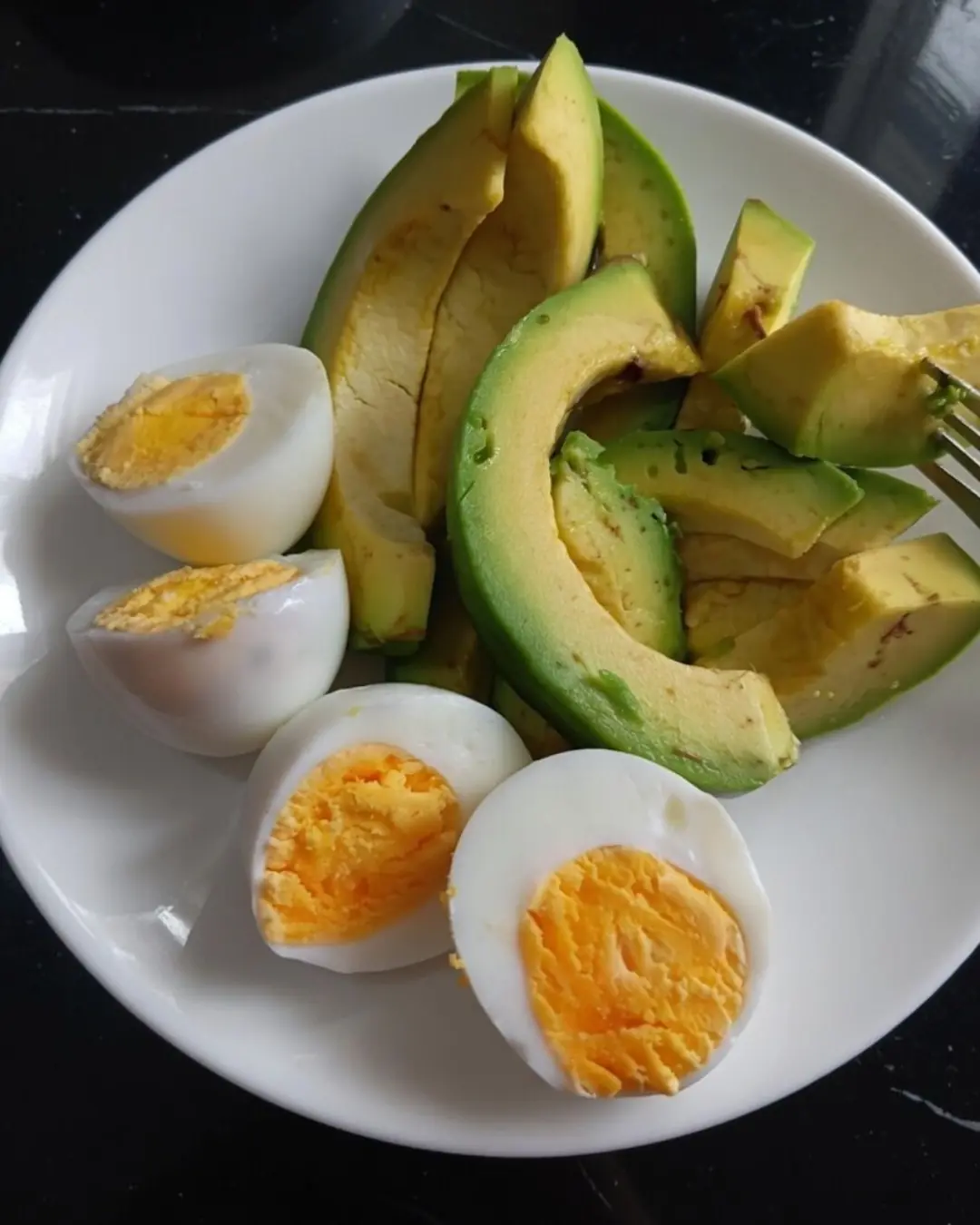
Nutrition Experts Say This Breakfast Combination Offers More Than Just Great Taste

Winged Beans: The Protein-Rich Vegetable Getting More Attention

If you’re over 50, eating one banana a day may affect your body in ways you never expected.
Burning Feet and Tingling Sensations? Your Diet Might Play a Bigger Role Than You Think

Hard-Boiled Eggs Explained: 15 Unexpected Things to Know

The Surprising Bedtime Ginger Trick and What It May Help With

Why Many People Eat Garlic Daily: 5 Potential Health Benefits?
A Fishy Smell Isn’t Always Harmless — Here’s Why
Studies Reveal a Possible Association Between Blood Type and Gastric Can.cer
Eating Watermelon Frequently Could Offer Several Health Benefits
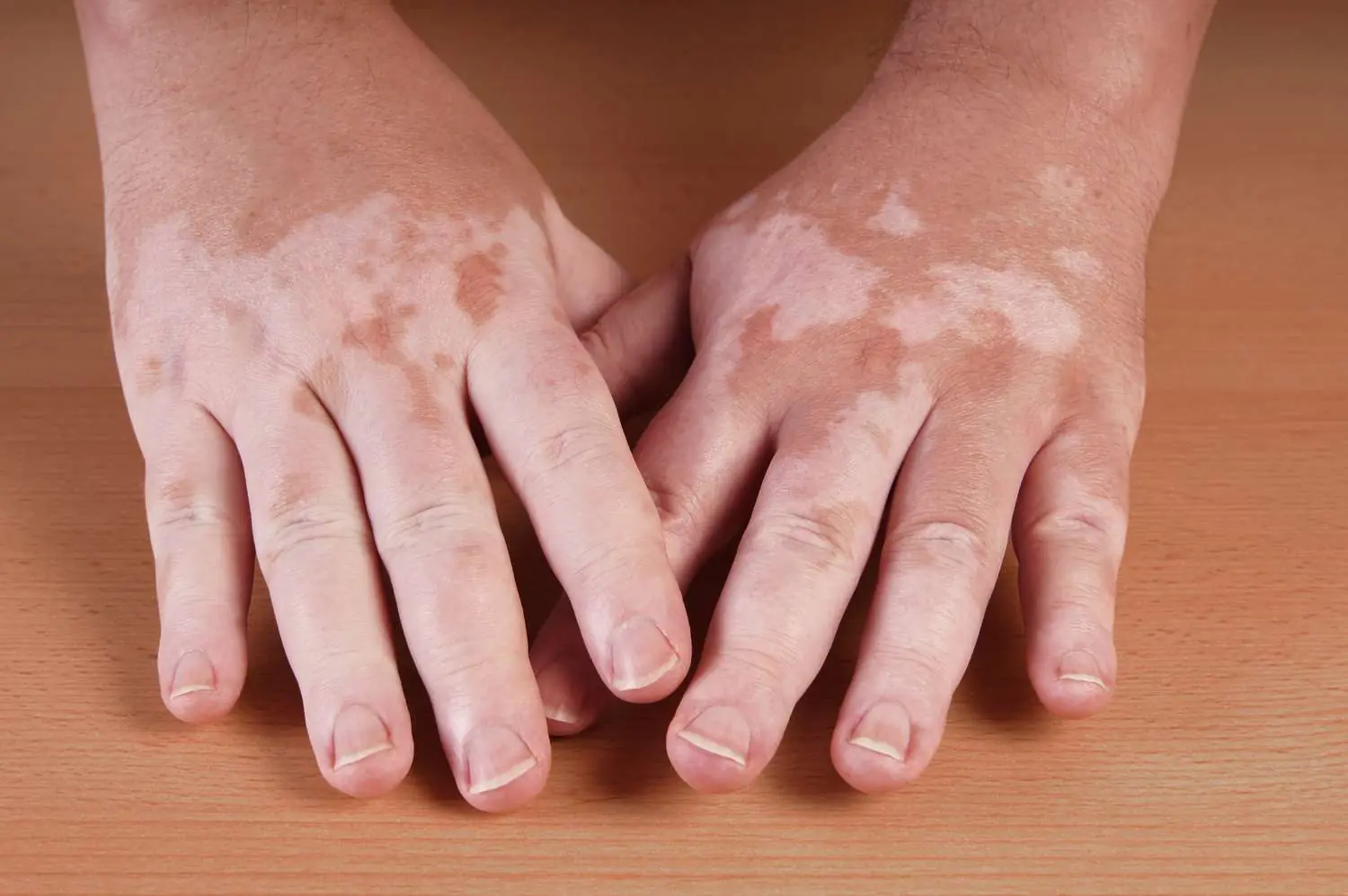
The Real Reason Behind White Spots on the Skin Might Surprise You

Why Some Nutrition Experts Say Chicken Gizzards Deserve More Attention


What Science Says About the Potential Health Properties of Thyme?
Some Skin Symptoms Could Be Connected to Underlying Liver Conditions
What Causes Itchy Skin and Small Red Bumps? Experts Explain
The Possible Advantages of Left-Side Sleeping for Digestion and Comfort
Here’s Why Sweet Potatoes Are Good for You — and When They May Not Be
Nutrition Experts Say This Breakfast Combination Offers More Than Just Great Taste
Winged Beans: The Protein-Rich Vegetable Getting More Attention
If you’re over 50, eating one banana a day may affect your body in ways you never expected.
Burning Feet and Tingling Sensations? Your Diet Might Play a Bigger Role Than You Think

A Lizard Inside the Home Has Different Symbolic Meanings Around the World
Hard-Boiled Eggs Explained: 15 Unexpected Things to Know
The Surprising Bedtime Ginger Trick and What It May Help With
Why Many People Eat Garlic Daily: 5 Potential Health Benefits?
A Fishy Smell Isn’t Always Harmless — Here’s Why
Studies Reveal a Possible Association Between Blood Type and Gastric Can.cer
Eating Watermelon Frequently Could Offer Several Health Benefits
The Real Reason Behind White Spots on the Skin Might Surprise You
Why Some Nutrition Experts Say Chicken Gizzards Deserve More Attention