Some life stories begin with joy but later reveal painful truths that completely change the way a person understands their own childhood.
For Melissa Gilbert, the story of her early life was filled with unexpected turns. Born in Los Angeles in 1964 and adopted when she was only a day old, Melissa grew up in a loving family while carrying a story about her biological parents that she believed for much of her childhood.
Years later, she would discover that some of the things she had been told about her origins were not true.
Even more painfully, she would learn that the death of the man she had loved deeply as her father had been surrounded by a secret that her family had kept from her for years.
Those discoveries could have permanently defined her life.
Instead, Melissa eventually chose to confront the past, seek answers, work through grief, and build an identity that was larger than the secrets surrounding her childhood.
Her journey is ultimately a story about adoption, family, grief, forgiveness, resilience, and the complicated process of discovering the truth about where we come from.
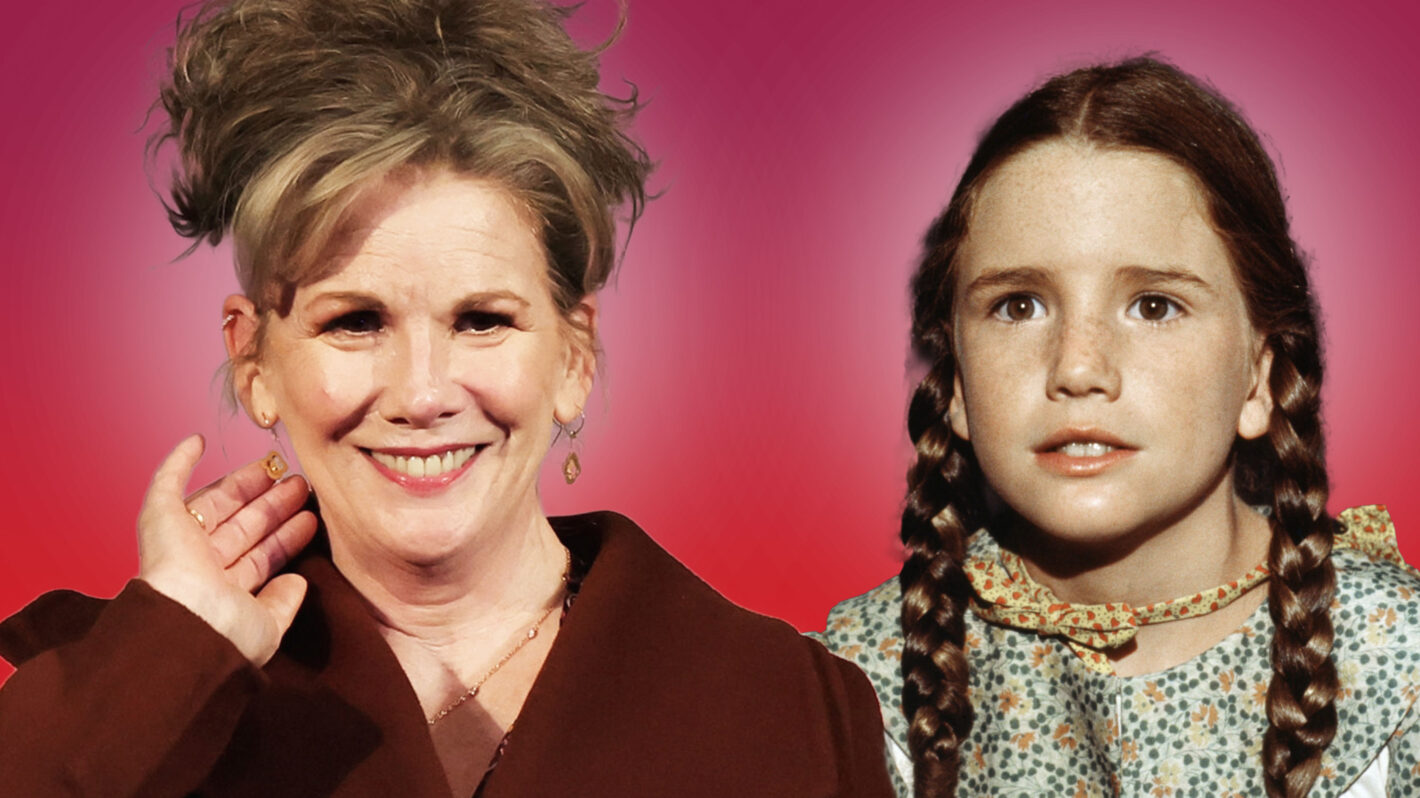
A Newborn Who Was Adopted Almost Immediately
Melissa Gilbert was born in Los Angeles in 1964.
Only one day later, she was adopted by Barbara Crane and Paul Gilbert.
Her adoption was not necessarily something her adoptive parents had carefully planned from the beginning. They had reportedly been undergoing fertility treatments and were not seriously expecting to become adoptive parents at that particular moment.
Then came a phone call about a baby girl.
That phone call changed everything.
Instead of continuing to wait for the family they had imagined, Barbara and Paul suddenly had an opportunity to welcome a child into their lives.
That child was Melissa.
From the beginning, her life was shaped by circumstances she could not possibly understand.
She was too young to know that she had biological parents somewhere else.
She could not know why she had been placed for adoption.
And she certainly couldn't imagine that decades later, she would still be trying to separate fact from the stories she had been told about her origins.
Growing Up With a Story About Her Biological Parents
As Melissa grew older, she developed an understanding of where she came from based largely on what she had been told.
She believed that her biological father had been a Rhodes Scholar and that her biological mother had been a prima ballerina.
Those descriptions created an almost extraordinary picture of her origins.
A brilliant academic father.
A highly accomplished dancer for a mother.
It was a story that could easily make a child feel that her biological family had come from an unusually glamorous or accomplished background.
But as Melissa grew older, she eventually discovered that the reality was very different.
Her biological mother had indeed been a dancer, but the story about her being a prima ballerina was not accurate.
Her biological father also had a very different life from the one Melissa had imagined.
He worked as a stock car racer and sign painter.
The truth wasn't necessarily less interesting.
It was simply different.
And discovering that difference forced Melissa to reconsider some of the assumptions she had carried about herself and her origins.
The Complicated Nature of Adoption
Adoption can create a unique relationship with identity.
A child can be deeply loved by adoptive parents while still wondering about biological origins.
These feelings don't have to contradict one another.
Someone can be grateful for the family that raised them while also being curious about the people whose genes they inherited.
For Melissa, those questions became increasingly significant as she grew older.
Who were her biological parents?
Why had she been adopted?
What parts of her personality came from them?
Which stories about her birth family were true?
And which ones had been created, simplified, or misunderstood over time?
These questions became part of her larger journey toward understanding herself.
Her Relationship With Paul Gilbert
Among the most important people in Melissa's childhood was her adoptive father, Paul Gilbert.
Their relationship was especially close.
For a child, a parent isn't defined by biology alone.
A parent is the person who is there.
The person who provides comfort.
The person whose voice becomes familiar.
The person whose approval matters.
The person who helps a child understand the world.
For Melissa, Paul filled that role.
He was her father in every meaningful sense.
That's why losing him at a young age was so devastating.
A Father's Death That Left a Lasting Wound
Paul died in 1976, when Melissa was still a child.
At the time, she was told that he had died after suffering a stroke.
For a young girl who loved her father deeply, his death was already an enormous loss.
She had to learn how to continue growing up without the person who had played such an important role in her early life.
But the story she had been given about his death was not the full truth.
Many years later, Melissa learned that Paul had actually died by suicide.
The discovery completely changed the way she understood one of the most painful events of her childhood.
It wasn't simply new information.
It was the rewriting of a memory.
The person she had lost was the same person.
The love she had for him was still real.
But the circumstances surrounding his death suddenly looked very different.
Discovering the Truth as an Adult
Learning such information years after the event can be deeply destabilizing.
Melissa had spent decades carrying one explanation for her father's death.
Then she discovered another.
That kind of revelation can trigger a complicated mixture of emotions.
There can be grief.
Anger.
Confusion.
Guilt.
Questions about why the truth was hidden.
Questions about whether anything could have been done differently.
And sometimes, an intense desire to understand what really happened.
Melissa has spoken openly about how deeply the revelation affected her.
She experienced emotional and physical consequences, including changes in sleep, appetite, and overall well-being.
Instead of simply trying to bury those feelings, she eventually sought professional help.
That decision became an important part of her healing.
Searching for Answers
Melissa didn't simply want to know that her father had died by suicide.
She wanted to understand why.
That distinction matters.
When someone dies unexpectedly or under traumatic circumstances, surviving family members often find themselves searching for explanations.
They may replay old conversations.
They may wonder whether they missed warning signs.
They may ask what the person was experiencing in the final months or days of their life.
Melissa eventually hired a detective to learn more about Paul's final years.
Through that investigation, she learned more about the physical suffering he had experienced and about previous threats of suicide while receiving medical treatment.
These discoveries didn't erase the pain.
But they helped create a fuller picture.
Understanding does not necessarily eliminate grief.
Sometimes it simply makes the grief easier to place within a larger story.
The Difference Between Explanation and Blame
One of the hardest things about losing someone to suicide is the desire to find someone responsible.
Family members may ask:
Could someone have prevented it?
Did we miss something?
Was there something we should have noticed?
Could one conversation have changed the outcome?
These questions are deeply human.
But suicide is complex and rarely has one simple explanation.
Mental health, physical illness, pain, isolation, trauma, substance use, circumstances, and many other factors can interact in complicated ways.
Understanding the circumstances surrounding someone's death can be helpful.
But understanding is not the same thing as assigning blame.
Melissa's journey reflects that difficult distinction.
Forgiving Her Adoptive Mother
Another painful part of the story involved the decision to keep the truth from Melissa.
Learning that important information had been withheld could understandably create feelings of betrayal.
Why hadn't she been told?
Why had her family believed she needed to be protected from the truth?
Would knowing earlier have changed anything?
These are difficult questions, particularly when they involve people we love.
Eventually, Melissa came to a place where she was able to forgive her adoptive mother.
Forgiveness, however, doesn't necessarily mean pretending that the past never happened.
It doesn't mean saying that keeping the secret caused no pain.
Instead, forgiveness can mean choosing not to remain permanently trapped inside anger.
Secrets Can Protect—and Also Hurt
Families sometimes hide painful information because they believe they are protecting children.
Adults may think:
"She's too young to understand."
"We'll tell her when she's older."
"There's no reason to hurt her with this information."
Sometimes those decisions come from love.
But secrets can also have consequences.
When a person eventually discovers that important parts of their history were hidden, the emotional impact can be complicated.
They may wonder what else they don't know.
They may question memories that once felt certain.
They may struggle with trust.
Melissa's experience illustrates how complicated family secrets can become over time.
Her Career Changed Everything
While Melissa was dealing with difficult personal circumstances, her professional life was beginning to develop.
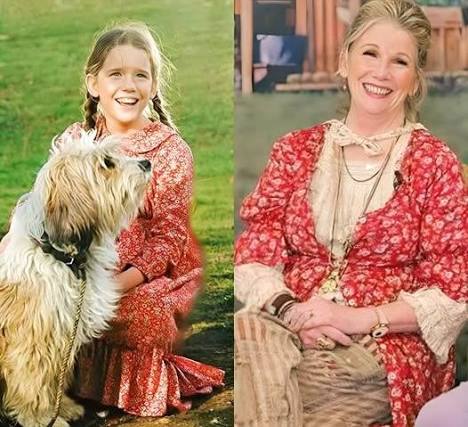
She became famous for portraying Laura Ingalls Wilder on the beloved television series Little House on the Prairie.
She appeared on the show from 1974 to 1983, becoming one of the most recognizable young performers of her generation.
For audiences, she became associated with Laura's warmth, determination, intelligence, and resilience.
But behind the scenes, Melissa was also carrying the complicated reality of her own childhood.
The contrast is striking.
Millions of viewers knew her through a television character.
Far fewer knew about the questions and pain she was carrying privately.
Growing Up in the Public Eye
Child actors face a unique challenge.
They grow up while millions of people watch.
Their childhood becomes part of their professional identity.
The audience sees them change physically.
They see their careers develop.
But public visibility doesn't necessarily mean emotional transparency.
A child actor can be successful on screen while struggling with deeply personal issues away from the cameras.
Melissa's story demonstrates that fame doesn't eliminate ordinary human pain.
If anything, public recognition can sometimes make private struggles more difficult to discuss.
Laura Ingalls Wilder Became an Important Part of Her Legacy
For many people, Melissa will always be remembered as Laura on Little House on the Prairie.
The character represented a young woman growing up in difficult circumstances while maintaining determination and compassion.
In an interesting way, audiences later learned that Melissa's own life contained a similar theme of resilience.
Her personal story was obviously very different from Laura's fictional world.
But both involved a young girl navigating loss, uncertainty, change, and adulthood.
The difference is that Melissa had to navigate those experiences in real life.
Fame Did Not Protect Her From Grief
It can be easy to assume that successful people somehow experience pain differently.
They don't.
Fame doesn't prevent grief.
Money doesn't erase childhood trauma.
A successful career doesn't automatically resolve family conflict.
And public admiration doesn't eliminate loneliness.
Melissa's experience is a reminder that someone can be successful, recognizable, and loved by millions while still carrying deeply personal wounds.
Healing doesn't necessarily happen because life becomes more successful.
Sometimes it happens because a person finally chooses to confront what hurts.
Seeking Professional Help Was Part of Her Healing
One of the strongest aspects of Melissa's story is her willingness to acknowledge that she needed help.
After learning the truth about Paul's death, she experienced significant emotional distress.
Rather than pretending everything was fine, she sought professional support.
That decision is important because grief can sometimes become overwhelming.
People may believe they are supposed to "move on" without help.
But there is no universal timetable for grief.
Sometimes healing requires:
-
Therapy
-
Support from trusted people
-
Honest conversations
-
Time
-
Self-compassion
-
Professional guidance
Asking for help isn't weakness.
It can be an act of courage.
Turning Personal Pain Into Advocacy
Over time, Melissa became more open about subjects that many families struggle to discuss.
She has spoken about:
-
Adoption
-
Family secrets
-
Grief
-
Mental health
-
Suicide
-
Healing
-
Personal resilience
By sharing her experiences, she helped bring attention to conversations that are often hidden behind silence.
This can be especially meaningful when the subject is suicide.
Families affected by suicide often experience isolation because people around them may not know what to say.
Talking openly can help reduce some of the shame and secrecy surrounding mental health struggles.
Her Story Is Bigger Than One Tragedy
It would be easy to tell Melissa's story entirely through the tragedy of her father's death.
But doing so would miss the point.
Paul's death was an important part of her life.
It wasn't her entire life.
Melissa continued to grow.
She built a career.
She formed relationships.
She created a family of her own.
She experienced successes and challenges.
She continued learning about herself.
And eventually, she became someone who could look back at painful events without allowing them to completely control her future.
That is what resilience often looks like.
Not forgetting.
Not pretending.
But continuing.
The Complicated Meaning of Family
Melissa's story also raises a fascinating question:
What makes someone family?
Is it biology?
Adoption?
Shared memories?
Love?
Care?
For Melissa, the answer appears to be complicated.
Her biological parents were part of her history.
Her adoptive parents were the people who raised her.
Paul was the father she loved and lost.
Her adoptive mother became someone with whom she eventually had to confront painful truths.
None of these relationships can be reduced to a simple label.
Family can contain love and disappointment at the same time.
It can contain truth and secrecy.
It can contain forgiveness without erasing the past.
Finding Identity Beyond Other People's Stories
One of the most powerful parts of Melissa's journey was learning that the stories told about her origins were not entirely accurate.
That meant she had to reconstruct parts of her identity.
She had to distinguish between:
What she had been told
and
What was actually true.
That process can be difficult for anyone.
Our childhood stories become part of how we understand ourselves.
When those stories change, our identity can temporarily feel unstable.
But there is also freedom in discovering the truth.
Once you know what is real, you can build your identity on something stronger than mythology.
The Past Can Be Painful Without Being Permanent
Melissa's story offers an important reminder:
A painful past does not have to become a permanent future.
We cannot change what happened to us.
We cannot rewrite childhood.
We cannot bring lost loved ones back.
We cannot erase family secrets from history.
But we can decide how we carry those experiences forward.
Some people carry their past like a weight.
Others gradually learn to carry it like a story.
The events remain part of them, but they no longer determine every decision.
What Resilience Really Means
Resilience is sometimes portrayed as never being affected by difficult experiences.
That's not realistic.
A resilient person can still cry.
They can still feel angry.
They can still experience grief years later.
They can still need therapy.
Resilience isn't the absence of pain.
It is the ability to continue living meaningfully while carrying pain.
Melissa's journey demonstrates that distinction.
She didn't become strong because nothing hurt her.
She became stronger by facing what hurt.
A Life That Became Larger Than Its Secrets
Looking back at Melissa's life, it is striking how many different identities she has carried.
She was an adopted child.
She was a daughter.
She was a grieving young girl.
She became a television actress.
She became a wife and mother.
She became an advocate for mental-health awareness.
She became someone willing to discuss painful family experiences publicly.
None of these identities erased the others.
They simply became different chapters.
And that may be the greatest lesson in her story.
A person can have a difficult childhood without having a permanently damaged future.
A family secret can change your understanding of the past without controlling your entire adulthood.
Grief can remain part of your life without preventing you from experiencing happiness again.
The Message Behind Her Journey
Melissa's story isn't really about celebrity.
It's about something much more universal.
Many people grow up with incomplete family histories.
Some are adopted.
Some discover long-held secrets.
Some lose parents unexpectedly.
Some learn painful truths only after becoming adults.
Others carry childhood experiences they don't fully understand until years later.
The details differ, but the emotional questions are often similar:
Who am I?
Where did I come from?
Why did this happen?
Can I forgive?
Can I heal?
Can I build something better?
Melissa's life suggests that the answer to the final question can be yes.

Final Thoughts
Melissa Gilbert's story began with an unexpected adoption and a childhood shaped by stories about where she came from.
It later became complicated by discoveries about her biological parents and, more painfully, by the truth surrounding the death of the adoptive father she loved deeply.
Those revelations caused real emotional pain.
They challenged her understanding of her family.
They forced her to revisit memories she had carried since childhood.
But they did not destroy her future.
Instead, Melissa gradually confronted the truth, sought professional support, investigated the unanswered questions surrounding her father's final years, and eventually found a way to forgive without pretending the past had never happened.
Her career on Little House on the Prairie made her familiar to millions, but her life beyond the screen reveals a much more personal kind of strength.
She learned that family can be complicated.
That grief can return in unexpected ways.
That secrets can leave lasting wounds.
That asking for help can be part of healing.
And that forgiveness doesn't require forgetting.
Most importantly, her journey shows that the circumstances of our childhood do not have to dictate the rest of our lives.
We may not be able to choose how our stories begin.
We may not be able to change the secrets we inherit or the losses we experience.
But as we grow older, we can begin to choose what those experiences mean to us.
We can seek the truth.
We can ask difficult questions.
We can allow ourselves to grieve.
We can forgive when we are ready.
And eventually, we can build a life that contains the past without being imprisoned by it.
A painful beginning may shape a person, but it does not have to define them. Sometimes, the greatest form of resilience is simply finding the courage to keep writing the story.