Excoriation (Skin-Picking) Disorder, also known as Dermatillomania, is a mental health condition characterized by the compulsive urge to pick at one's own skin, often to the point of causing damage. It's classified as a type of Body-Focused Repetitive Behavior (BFRB), similar to other behaviors like hair-pulling (trichotillomania).
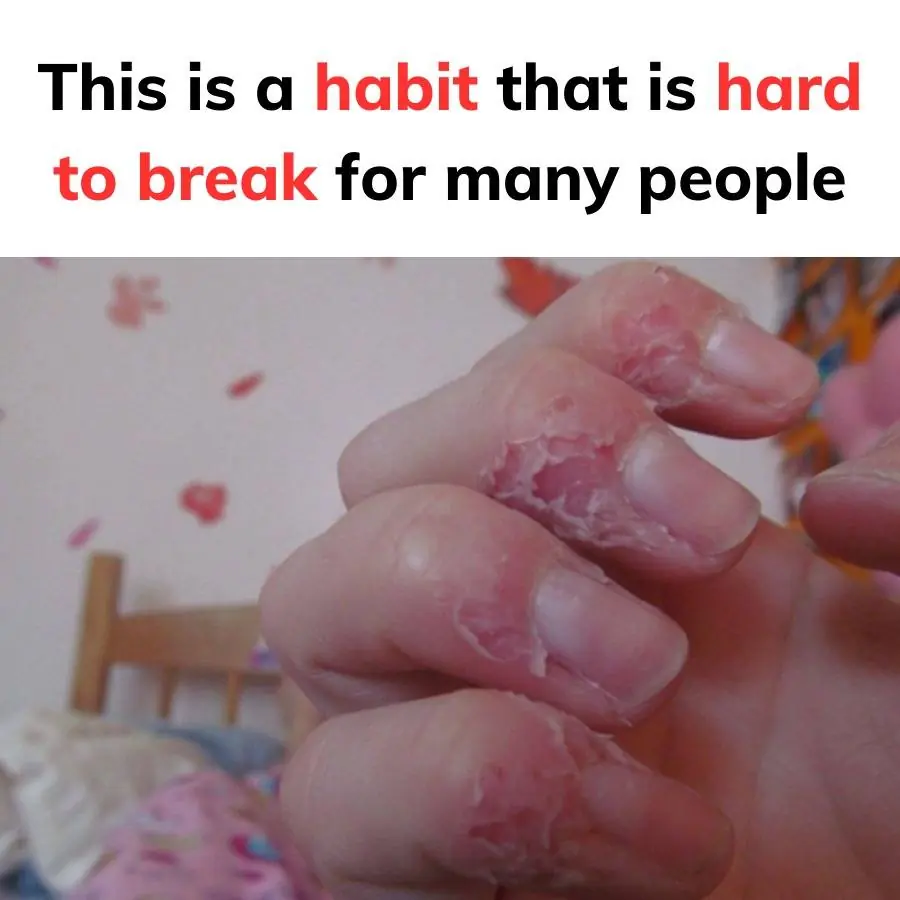
Here are key points about the disorder:
-
Symptoms:
- Frequent, repetitive skin-picking, which may be triggered by stress, anxiety, or even boredom.
- Picking usually occurs in areas like the face, hands, arms, or other parts of the body, leading to sores, scars, and infections.
- The behavior can lead to visible damage to the skin, including scars, scabs, and sometimes infections.
-
Causes:
- The exact cause of excoriation disorder is not fully understood, but it is believed to be a combination of genetic, psychological, and environmental factors.
- Stress, anxiety, or a history of trauma may exacerbate the urge to pick.
- It can also be linked to a need for control or a way to cope with negative emotions.
-
Impact:
- It can cause significant distress and impact a person's emotional, social, and physical well-being.
- People with excoriation disorder often feel shame or embarrassment about their behavior, which can contribute to feelings of isolation or low self-esteem.
-
Treatment:
- Treatment typically involves a combination of behavioral therapy (such as Cognitive Behavioral Therapy (CBT)), which helps address the underlying psychological factors, and habit-reversal training to reduce the compulsion.
- Medications like antidepressants or other mood-regulating drugs might be prescribed in some cases.
- Support groups and mindfulness practices can also help people manage the disorder.
While excoriation disorder can be challenging to manage, therapy and support can help individuals reduce skin-picking behavior and improve their quality of life.