A Simple Habit With Powerful Effects


 4
4
Most people rarely think about their sleeping position. Yet, growing scientific evidence suggests that how you sleep—especially whether you sleep on your side—can have a significant impact on your health.
Sleeping on your left side, in particular, has been linked to benefits for the brain, digestive system, and even long-term disease prevention. While it may seem like a small change, experts say it can influence how your body functions overnight.
Boosting Brain Detox With the Glymphatic System
One of the most fascinating discoveries in recent years is the glymphatic system, a natural cleaning process in the brain. This system removes toxins and waste products that build up during the day.
Research shows that sleep plays a critical role in activating this process. Even more interesting, your sleeping position can affect how efficiently your brain clears waste.
Studies suggest that sleeping on your side allows better flow of cerebrospinal fluid, helping remove harmful proteins linked to conditions like Alzheimer’s.
In fact, scientists have found that the glymphatic system works more efficiently in a side-lying position than when lying on your back or stomach.
Supporting Digestive Health
 4
4
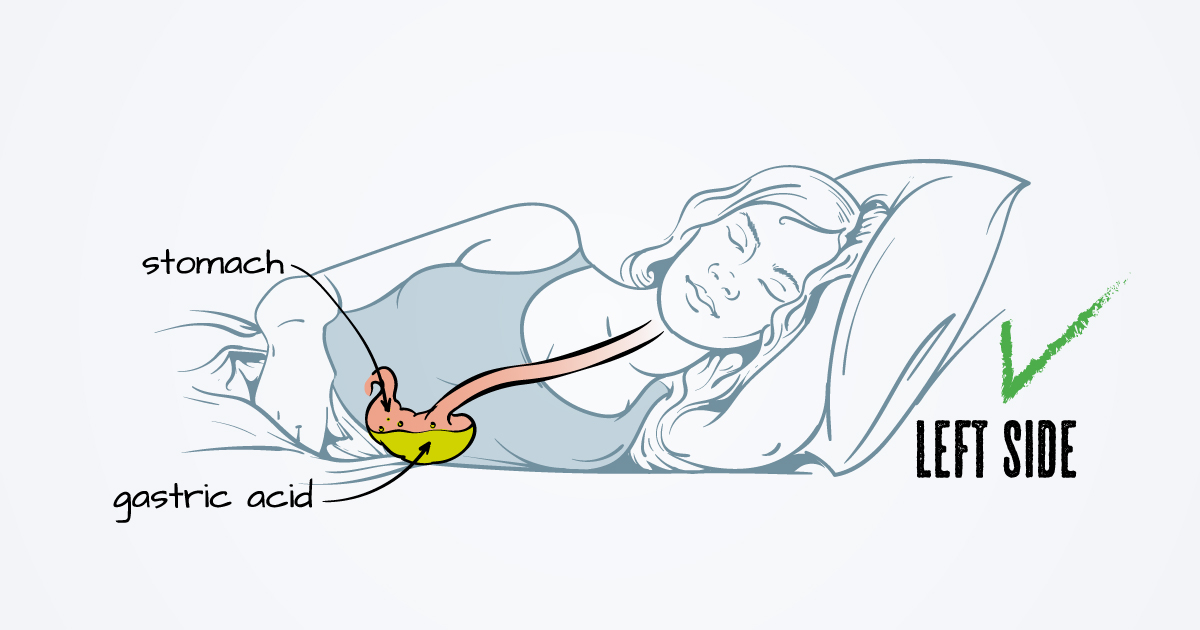
Sleeping on your left side can also benefit your digestive system. This is largely due to how your internal organs are positioned.
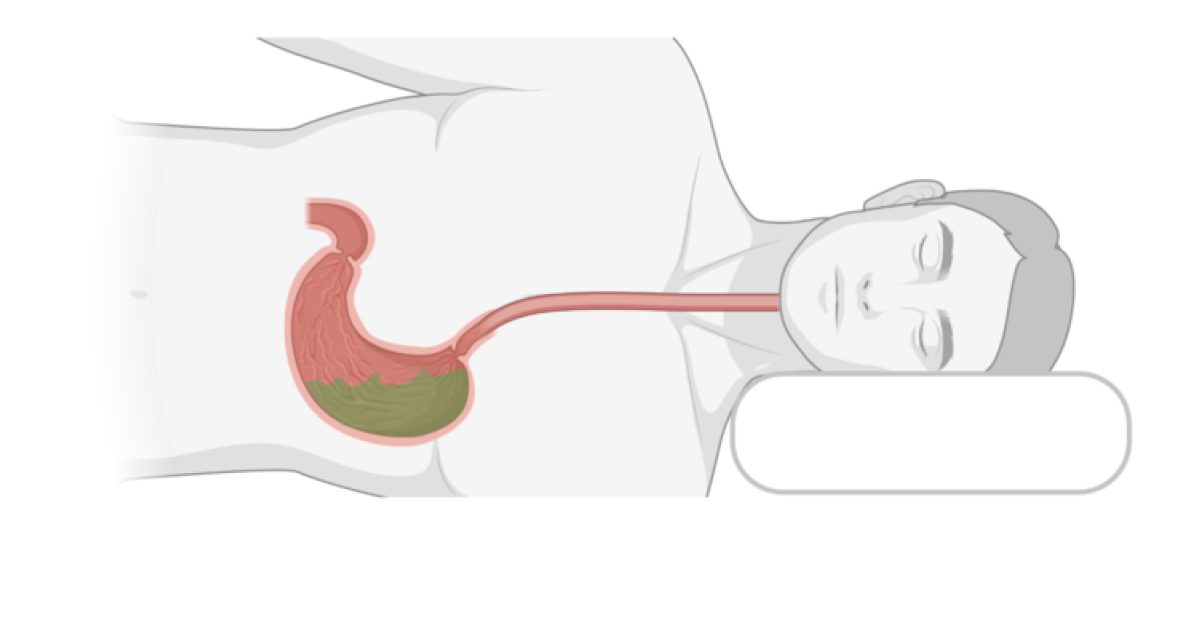
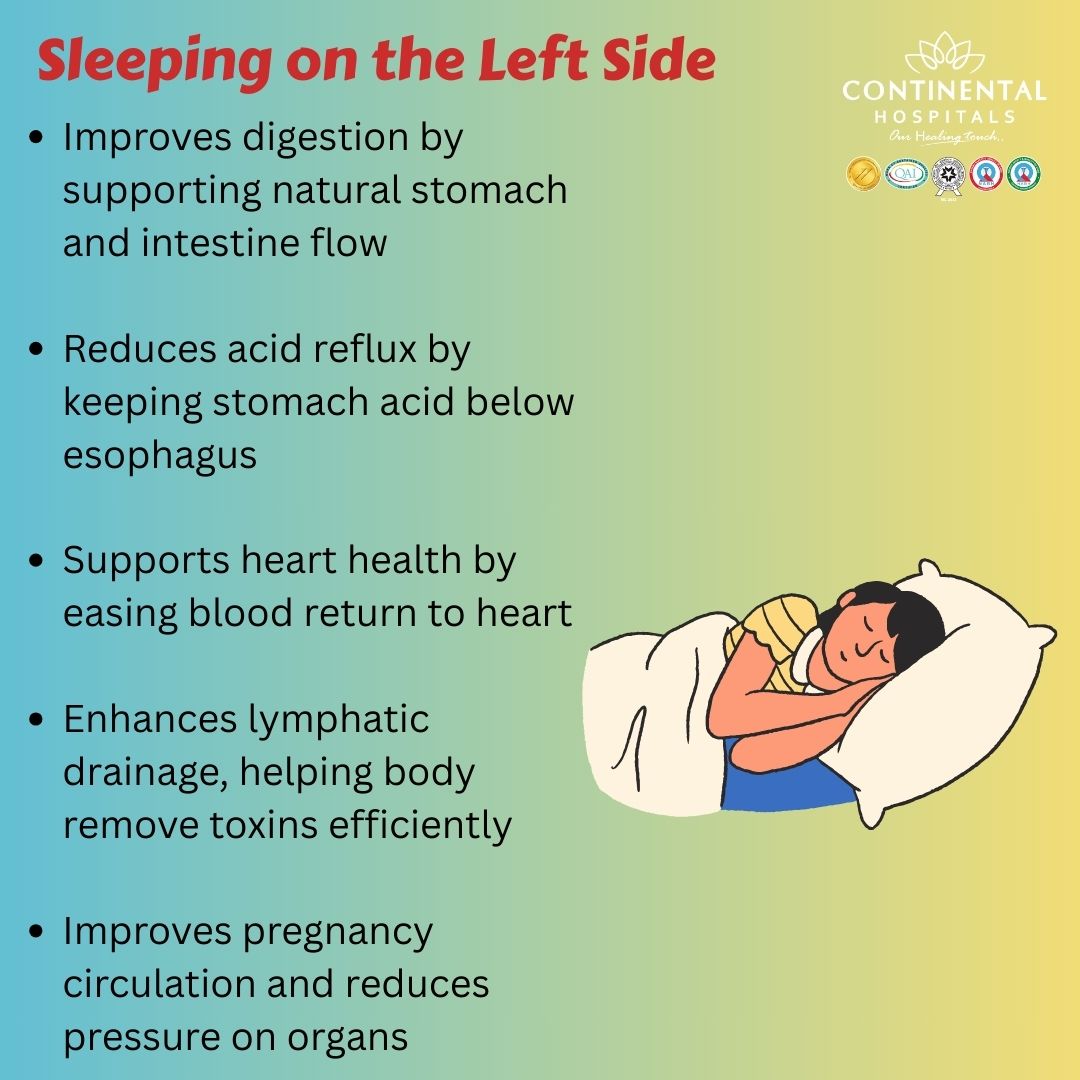
When you lie on your left side, your stomach remains below the esophagus, which helps prevent acid from flowing backward. This can significantly reduce symptoms of acid reflux and heartburn.
Additionally, this position may support smoother movement of waste through the intestines, aiding digestion overnight.
For people who frequently experience bloating or discomfort after meals, simply changing sleep position may offer noticeable relief.
Improving Circulation and Lymphatic Flow
Another benefit of left-side sleeping is its effect on circulation and the lymphatic system. The lymphatic system helps remove toxins and maintain fluid balance in the body.
Sleeping on the left side may enhance this drainage process, allowing the body to eliminate waste more efficiently.
Better circulation also means that oxygen and nutrients are delivered more effectively throughout the body during sleep—supporting overall recovery and health.
Reducing Pressure on Organs

 4
4
Another reason experts recommend side sleeping is that it reduces pressure on vital organs.
When you lie on your back or stomach, certain organs can become compressed, which may interfere with their function. Sleeping on your side helps maintain better alignment and reduces strain on the spine and internal systems.
This position is also associated with reduced snoring and improved breathing, making it beneficial for people with mild sleep apnea.
Are There Any Downsides?
While sleeping on your left side has many benefits, it may not be ideal for everyone.
For example, some individuals with specific heart conditions may feel discomfort in this position. Others may experience shoulder pressure if proper pillow support is not used.
The key is to find a comfortable variation—using supportive pillows and maintaining proper alignment.
Final Thoughts
Sleeping on your left side is more than just a preference—it’s a habit that can influence your brain health, digestion, and overall well-being.
From enhancing the brain’s natural detox process to reducing acid reflux and improving circulation, this simple adjustment can have long-term benefits.
While no single sleep position is perfect for everyone, paying attention to how you sleep may be one of the easiest ways to support your health—night after night.