Parents can set boundaries while still allowing children to speak.
They can insist on medical care while asking for professional help with a difficult treatment.
They can take a break from an argument without abandoning their responsibilities.
These are not complicated ideas, but they require patience and self-control.
The story presented in the image is disturbing because it suggests that a disagreement over medication may have crossed a boundary that should never be crossed.
The exact facts remain unverified from the material provided. But the principle is not uncertain: a child's safety must come before an adult's anger.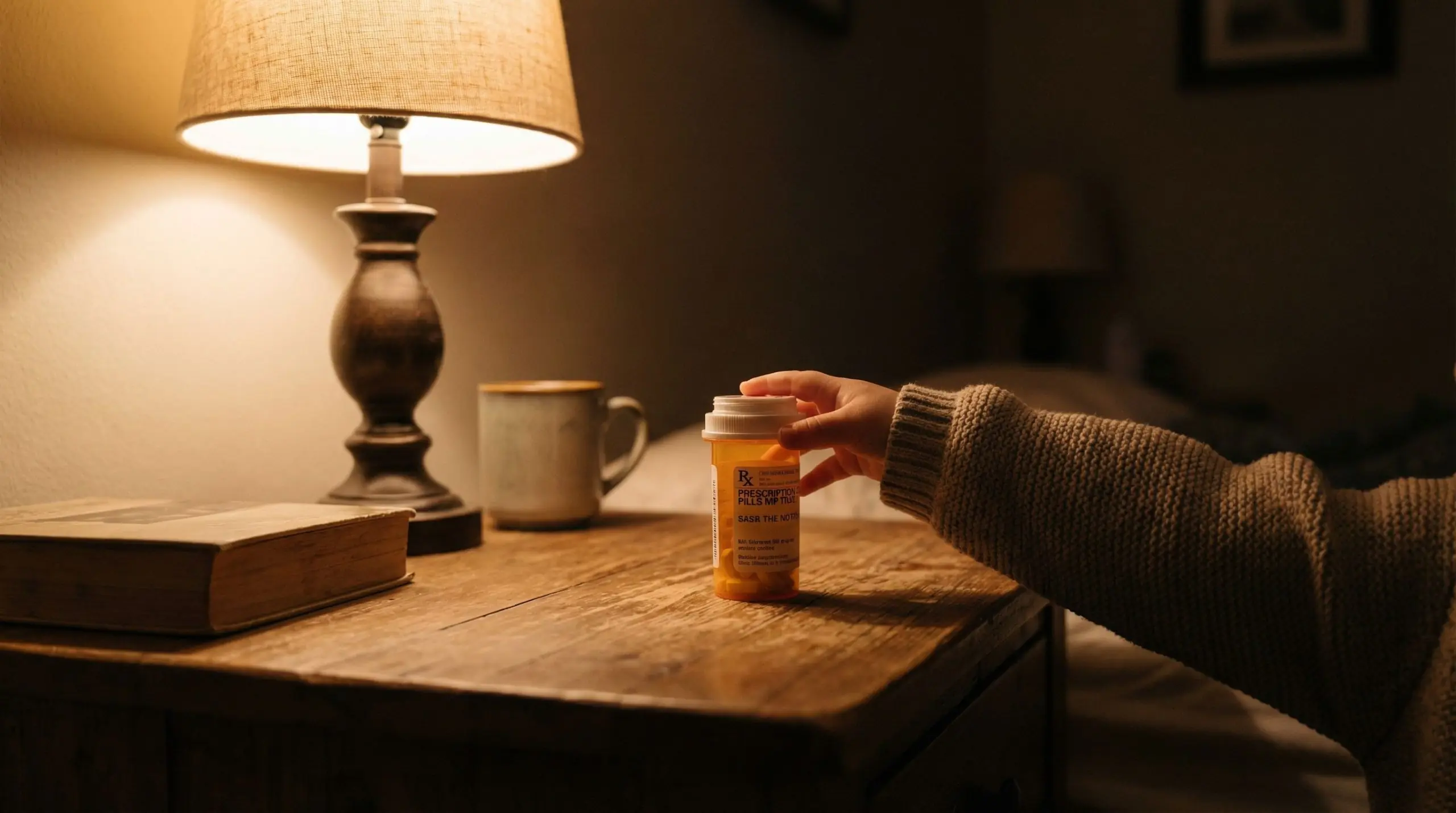
A Tragedy That Should Not Be Reduced to a Viral Headline
The internet often rewards the most dramatic version of a story.
A short headline may emphasize the most shocking allegation. A photograph may be selected because it creates an immediate emotional reaction. A few sentences may be repeated until they appear to represent the entire case.
But a serious family tragedy cannot be understood through a headline alone.
The visible material does not provide the complete police account, the child's medical records, the legal outcome, or the testimony of those involved.
It does not establish whether the medication disagreement occurred exactly as described, what the mother allegedly did, or how the child's death was medically determined.
Those questions require reliable reporting and official information.
Until such information is available, the story should be presented with caution.
The purpose of responsible coverage is not to make the audience feel less concerned. It is to make sure that concern is directed toward the truth.
A child may have lost their life. A woman may be facing serious allegations. A family may have been permanently changed.
These are matters that deserve more than speculation.
What Families Can Learn From a Disagreement About Medication
There are several practical lessons that families can take from the subject of this story.
First, medication instructions should be clear. Caregivers should understand the prescribed dose, timing, and precautions.
Second, children should be encouraged to explain their concerns. Refusing medication may be a sign of discomfort, fear, or confusion.
Third, adults should avoid turning treatment into a punishment or a struggle for control.
Fourth, caregivers should seek medical advice when a child refuses an important medicine or experiences side effects.
Fifth, family members should recognize when an argument is becoming unsafe. If an adult feels unable to control their anger, they should step away and seek help.
Finally, anyone who believes a child is in immediate danger should contact emergency services or the appropriate child-protection authority.
These steps cannot guarantee that every family conflict will be resolved easily. But they can help prevent a disagreement from becoming a dangerous situation.
The Questions That Still Need Answers
The supplied material leaves several important questions unresolved.
What medication was involved?
How old was the daughter?
Was the medicine prescribed by a healthcare professional?
What exactly happened during the disagreement?
Was the child taken to a hospital?
What did investigators determine about the cause of death?
What charges, if any, were filed?
Was there a court ruling?
Without reliable answers, the story cannot be presented as a fully verified account of a specific criminal case.
The images may have been taken from a genuine incident, but their context has not been independently established here.
That does not make the subject unimportant. It makes accuracy even more important.
A responsible article should not invent a dramatic final conversation, a confession, a medical diagnosis, or a legal outcome simply to make the story more emotional.
The facts that can be established should be reported clearly. The facts that remain unknown should be identified honestly.
The Most Important Message Is About Protecting Children
The story presented in the image is deeply troubling because it connects an everyday family responsibility with an alleged outcome that cannot be undone.
Medication should be used to support health, not to control another person.
A parent may be frightened, exhausted, or convinced that a child must follow instructions immediately. But those feelings do not justify unsafe actions.
Children need caregivers who can remain calm when situations become difficult.
They need adults who listen when they say something hurts.
They need medical professionals who can explain treatment and help families manage disagreements.
They also need other adults who are willing to speak up when something appears dangerous.
The images cannot tell us the full truth about the reported case. They cannot establish the woman's guilt or explain every event that led to the alleged tragedy.
But they do remind us of something that should never be forgotten.
A child's safety is not negotiable.
A disagreement can be paused. A medical question can be discussed with a professional. An adult can step away, ask for help, and return when they are calm.
The consequences of failing to do so may be devastating.
And when a family tragedy occurs, the most respectful response is not to invent details or rush to judgment. It is to seek the truth, protect vulnerable people, and remember that behind every photograph is a human life that deserves dignity.