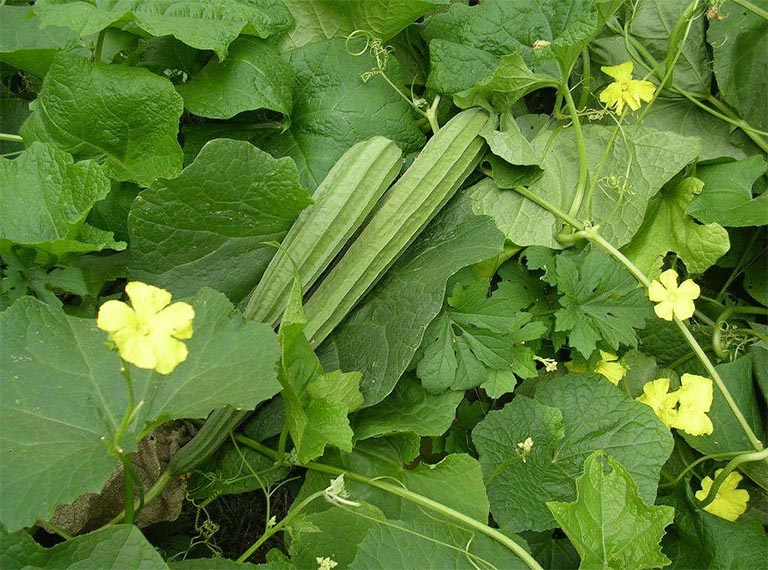
Not Just the Fruit: This Part of the Luffa Plant Is a Hidden Treasure for the Liv.er, Eyes, and Skin—Many People Still Throw It Away
Luffa is a familiar vegetable in many daily meals. Most people only use the fruit for cooking, while other parts of the plant are often discarded.
However, according to traditional knowledge and health experts, one overlooked part of the luffa plant actually offers surprising health and beauty benefits—especially for the liver, eyes, and skin.
A commonly overlooked “treasure”
In addition to the fruit, parts such as luffa leaves, vines, and even the fibrous interior of mature luffa have long been used in traditional remedies.
Despite their benefits, many people are unaware of their value and simply throw them away.
Supports liver health
Luffa is believed to have cooling and detoxifying properties.
Certain parts of the plant may help support liver function by promoting the body’s natural detox processes and reducing internal heat, which is often associated with fatigue, acne, or discomfort.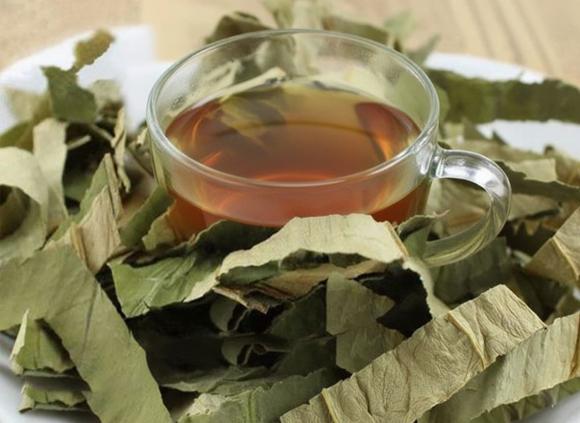
Good for eye health
The nutrients found in luffa, including vitamins and antioxidants, may help support vision and reduce eye strain.
Regular consumption or proper use of luffa-based remedies is thought to contribute to maintaining clearer and healthier eyesight.
Benefits for the skin
Luffa is also widely used in beauty care.
The fibrous interior of dried luffa is commonly used as a natural exfoliating sponge, helping to remove dead skin cells, improve circulation, and leave the skin smoother.
In addition, certain extracts from the plant are believed to help soothe the skin and reduce irritation.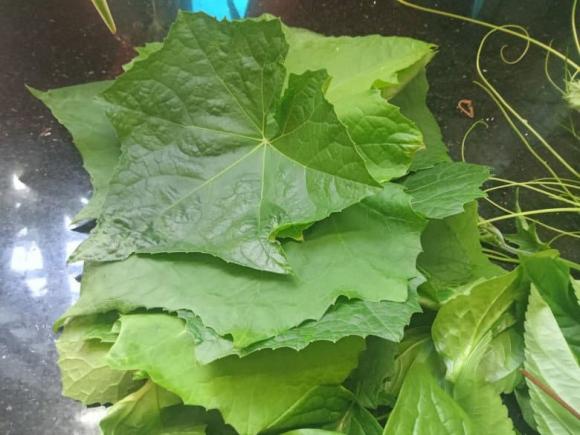
More than just a food ingredient
Beyond cooking, luffa has been used in traditional practices for making herbal drinks, skincare treatments, and natural cleansing tools.
Its versatility makes it a valuable plant that goes far beyond its role as a simple vegetable.
The bottom line
While many people only focus on the edible fruit, other parts of the luffa plant may offer a range of health and beauty benefits.
Instead of discarding them, understanding how to use these parts properly can help you make the most of this familiar yet underrated plant.