Meet the Seasonal Standout: Persimmon! 🍊
This Sweet Seasonal Fruit May Be Good for Your Eyes and Heart—But There’s a Better Way to Enjoy It
Have you ever tasted a persimmon?
With its bright orange color, naturally sweet flavor, and soft, honey-like texture when ripe, persimmon is one of those seasonal fruits that can easily be overlooked. But behind that beautiful orange skin is a surprisingly nutrient-rich fruit that may deserve a place on your plate.
Persimmons contain fiber, vitamin C, potassium, and carotenoids, including beta-carotene and beta-cryptoxanthin. They also provide vitamin A activity, which is important for normal vision and immune function.
So, what exactly can this seasonal fruit offer?
👀 1. It contains nutrients important for eye health

One of the most interesting things about persimmons is their orange color.
That color comes partly from carotenoids—plant compounds that include beta-carotene and beta-cryptoxanthin. Some carotenoids can be converted by the body into vitamin A, a nutrient essential for normal vision.
Persimmons therefore can be a delicious way to add more eye-supporting nutrients to an overall balanced diet.
But remember: eating persimmons won't magically improve your eyesight or reverse an eye condition. Think of them as one nutritious piece of a diet that supports long-term eye health.
❤️ 2. Potassium makes persimmons interesting for blood pressure
Persimmons also provide potassium. Nutritional data put the fruit at roughly 230 mg of potassium per 100 grams, although the exact amount can vary depending on variety and growing conditions.
Why does potassium matter?
Potassium plays an important role in fluid balance and cardiovascular function. Research reviewed by the USDA has found considerable evidence that higher dietary potassium intake is associated with lower blood pressure in adults.
That doesn't mean persimmons are a treatment for high blood pressure. Instead, they can be part of a heart-conscious eating pattern that includes plenty of fruits and vegetables.
🌿 3. Don't overlook the fiber
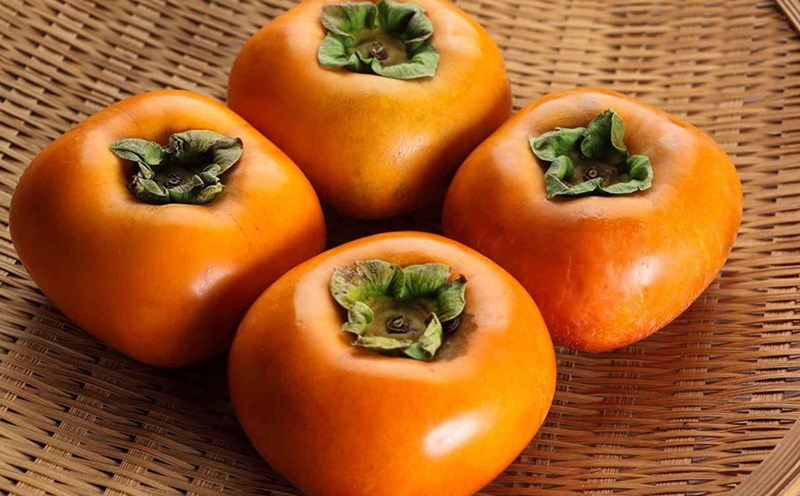
A 100-gram portion of persimmon provides about 2.6 grams of dietary fiber according to published nutritional data.
Fiber is important for digestive health and can also help make meals more satisfying.
Eating the whole fruit rather than drinking it as juice is generally a better way to preserve its natural fiber.
🧡 4. Persimmons are packed with plant compounds
Beyond vitamins and minerals, persimmons contain a variety of plant compounds, including flavonoids, tannins, proanthocyanidins, and carotenoids. Research has investigated these compounds for their antioxidant and other biological activities.
Antioxidants help protect cells from oxidative damage, although laboratory findings about individual compounds should not be interpreted as proof that eating persimmons prevents or treats specific diseases.
The simplest takeaway?
Whole fruits can provide a combination of nutrients and beneficial plant compounds that work together as part of an overall healthy diet.
🍊 So, what is the best way to eat a persimmon?
This is where things get interesting.
First, choose a persimmon according to its variety.
Some varieties are astringent, meaning they can taste extremely dry and puckering when they're not fully ripe. Others are non-astringent and can be eaten while still relatively firm.
For a ripe, soft persimmon:
- Wash the fruit thoroughly.
- Remove the leafy calyx at the top.
- Cut it in half and scoop out the soft flesh—or slice it if the texture allows.
- Eat it fresh as a snack.
- Add slices to oatmeal, yogurt, salads, or a bowl of fruit.
- Keep portions reasonable because persimmons naturally contain sugars.
And here's an important point: you don't need to turn persimmon into a juice or supplement to benefit from its nutrients. Eating the whole fruit gives you its natural fiber as well.
⚠️ Who should be a little more careful?
Persimmons are nutritious, but more isn't always better.
Because they contain natural sugars, people who need to carefully manage blood glucose should consider portion size and how the fruit fits into their overall diet.
People with kidney disease or other conditions requiring potassium restrictions should also follow their healthcare professional's dietary advice rather than assuming that every fruit is appropriate.
And if you're eating a very large amount of persimmon—especially unripe or astringent varieties—don't assume that "natural" automatically means "unlimited."
🍂 The seasonal fruit worth rediscovering
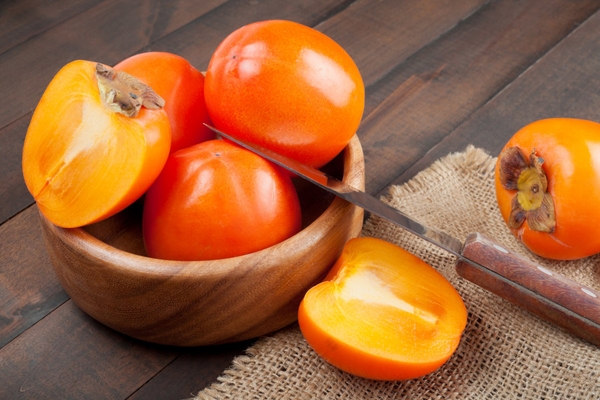
Persimmon may not receive as much attention as apples, oranges, or bananas, but its nutritional profile makes it an interesting seasonal choice.
It's naturally sweet, rich in carotenoids, provides fiber and potassium, and contains vitamin C and other plant compounds.
Most importantly, persimmon isn't a miracle food—and it doesn't replace medication or medical treatment.
But as part of a varied diet filled with vegetables, fruits, whole grains, legumes, nuts, and other nutrient-rich foods, this bright orange seasonal fruit can be a delicious addition.
So the next time you see a basket of persimmons at the market, don't just walk past it.
You may have found one of the season's most underrated fruits. 🍊
Have you ever eaten persimmon? Do you prefer it soft and sweet or firm and crisp? 👇