Refrigerators are among the few household appliances that run 24 hours a day, every single day of the year. Because of this constant operation, they can contribute significantly to monthly electricity bills.
What many people do not realize is that some refrigerators include small hidden features or buttons designed specifically to:
- Improve energy efficiency
- Adjust cooling performance
- Reduce unnecessary power usage
- Extend appliance lifespan
One tiny setting or button — often overlooked entirely — may actually help households save energy when used correctly.
The Hidden Energy-Saving Feature Many People Ignore
Depending on the refrigerator model, the “hidden button” may be labeled:
- Energy Saver
- Eco Mode
- Vacation Mode
- Seasonal Control
- Temperature Adjustment Switch
Some refrigerators hide these controls:
- Inside the fridge compartment
- Near the light bulb
- Behind panels
- On digital displays
Because the controls are often small or rarely explained, many users never touch them after buying the appliance.

What Does the Energy Saver Button Actually Do?
In many refrigerators, the energy-saving mode helps reduce unnecessary electricity consumption by optimizing:
- Compressor operation
- Internal heating elements
- Cooling cycles
- Moisture control systems
Some refrigerators use small heating elements around doors to prevent condensation buildup.
When humidity is low, energy-saving mode may reduce or disable those heaters temporarily, lowering electricity use.
Why Refrigerators Use So Much Electricity
Refrigerators consume power continuously because they must constantly maintain cold temperatures.
Energy use may increase because of:
- Frequent door opening
- Poor airflow
- Incorrect temperature settings
- Dirty coils
- Overloaded compartments
Even small efficiency improvements may help reduce long-term electricity costs.
Eco Mode and Vacation Mode
Some newer refrigerators include:
- Eco Mode
- Vacation Mode
These settings are especially useful when:
- Fewer people are home
- The fridge is opened less often
- Traveling for several days
Vacation mode may reduce cooling intensity slightly while still keeping food safe.

Temperature Settings Matter More Than People Think
One common mistake is setting refrigerators colder than necessary.
Experts generally recommend:
- Refrigerator: around 37–40°F (3–4°C)
- Freezer: around 0°F (-18°C)
Extremely low temperatures may:
- Waste electricity
- Increase frost buildup
- Overwork the compressor
Another Hidden “Button”: Seasonal Temperature Switches
Some refrigerators have small seasonal switches that adjust performance during:
- Summer
- Winter
- High humidity periods
These controls help balance:
- Condensation prevention
- Energy efficiency
- Cooling stability
Because they are rarely mentioned, many users never realize they exist.
Dirty Coils Can Increase Power Consumption
Even the best energy-saving settings may not help much if refrigerator coils are dirty.
Dust-covered condenser coils force refrigerators to work harder.
Cleaning coils periodically may help:
- Improve efficiency
- Lower electricity use
- Extend appliance lifespan
Common Habits That Waste Refrigerator Energy
Many households accidentally increase electricity use through habits such as:
- Leaving the door open too long
- Putting hot food directly inside
- Overpacking shelves
- Blocking airflow vents
- Frequently adjusting temperatures
Small daily habits can significantly affect long-term energy efficiency.
Why Airflow Inside the Fridge Matters
Cold air must circulate properly to maintain stable temperatures.
Overcrowding shelves may:
- Block airflow
- Reduce cooling efficiency
- Force the compressor to run longer
Keeping reasonable spacing inside the refrigerator may improve performance.
Door Seals Are Extremely Important
Worn-out rubber door seals may allow cold air to escape.
This forces the refrigerator to:
- Work harder
- Run longer
- Consume more electricity
Signs of weak seals may include:
- Moisture buildup
- Warm spots
- Loose door closure
The Truth About Huge Energy Savings
Some viral videos exaggerate claims dramatically.
A hidden button will not instantly cut electric bills in half.
However, combining:
- Proper settings
- Good maintenance
- Energy-saving modes
- Smart usage habits
may genuinely improve efficiency over time.

Why Modern Refrigerators Include Smart Features
Newer appliances increasingly focus on:
- Energy efficiency
- Smart sensors
- Eco-friendly operation
- Lower utility costs
Manufacturers design hidden settings to help optimize appliance performance under different conditions.
How to Find Your Refrigerator’s Hidden Features
The best place to check is:
- User manual
- Manufacturer website
- Interior control panel
Different refrigerator brands use different names and settings.
Simple Ways to Reduce Refrigerator Energy Use
Experts often recommend:
- Cleaning coils regularly
- Keeping doors closed tightly
- Avoiding overfilling
- Setting proper temperatures
- Using energy-saving modes when available
These habits may help reduce unnecessary energy consumption.
Small Household Changes Add Up
Even modest improvements in appliance efficiency may contribute to:
- Lower electricity bills
- Reduced appliance wear
- Longer refrigerator lifespan
Over months and years, these small savings can become noticeable.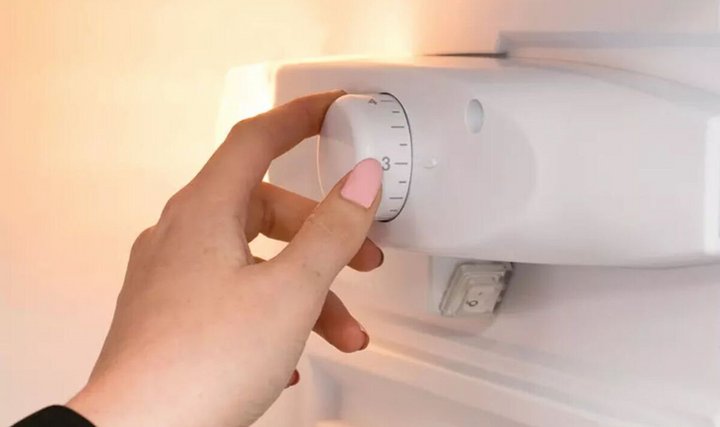
Final Thoughts
Many refrigerators contain hidden buttons or energy-saving settings that most people rarely notice. Features such as Eco Mode, Energy Saver switches, and seasonal controls may help optimize cooling efficiency and slightly reduce electricity consumption when used properly.
Although these settings are not miracle solutions, combining them with proper maintenance and smart daily habits may help households improve appliance performance and lower long-term energy costs.