When it comes to heart health, people often focus on medications, exercise, and avoiding unhealthy foods. But one of the simplest ways to support cardiovascular health may be sitting right on your dinner plate: vegetables.
A nutritious stir-fried vegetable dish can provide fiber, potassium, folate, vitamin K, antioxidants, and other plant compounds that support the cardiovascular system. When prepared with a modest amount of healthy cooking oil and limited sodium, vegetables can become an easy addition to a heart-friendly eating pattern.
However, it's important to keep expectations realistic. No single vegetable can cure high blood pressure, lower cholesterol on its own, or prevent a stroke. Heart health depends on your overall diet, physical activity, blood pressure, cholesterol levels, smoking status, body weight, sleep, and other factors.
Still, regularly eating nutrient-rich vegetables can be a smart and delicious part of that bigger picture.
Why Vegetables Matter for Your Heart
Your cardiovascular system depends on healthy blood vessels, balanced blood pressure, and appropriate levels of blood lipids.
Vegetables can contribute nutrients that support these processes.
Many vegetables contain:
-
Dietary fiber
-
Potassium
-
Folate
-
Vitamin C
-
Vitamin K
-
Magnesium
-
Carotenoids
-
Polyphenols
-
Other antioxidant and anti-inflammatory plant compounds
Instead of thinking about one vegetable as a "medicine," it's more useful to think of vegetables as part of a long-term dietary pattern that supports cardiovascular health.
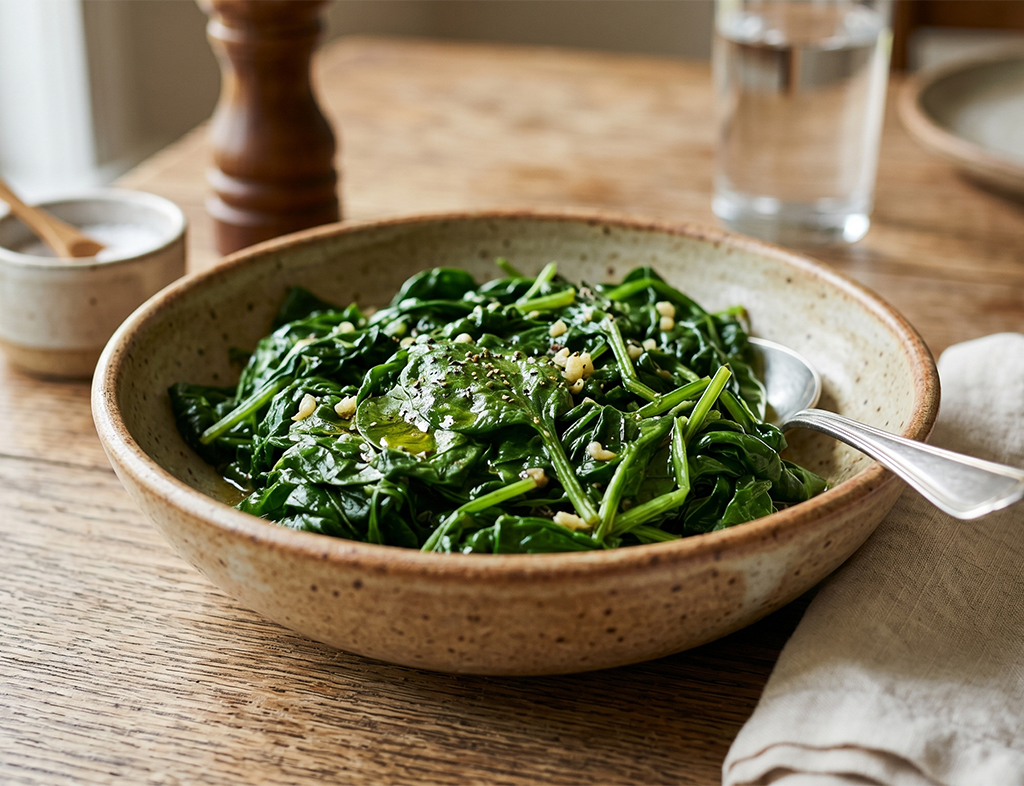
1. Fiber May Help Support Healthy Cholesterol
One of the most important nutritional benefits of many vegetables is fiber.
Certain types of soluble fiber can help reduce the absorption of cholesterol in the digestive tract and support the body's management of cholesterol.
Over time, diets rich in fiber are associated with better cardiovascular health.
Vegetables aren't the only sources of fiber. You can also get it from:
-
Oats
-
Beans
-
Lentils
-
Fruits
-
Whole grains
-
Nuts
-
Seeds
A stir-fried vegetable dish can therefore contribute to your daily fiber intake while also adding important micronutrients.
2. Potassium Plays an Important Role in Blood Pressure
Many vegetables provide potassium, an essential mineral involved in fluid balance, nerve signaling, and muscle function.
Potassium can also help counter some of the effects of excessive sodium intake.
For people whose diets are high in sodium, increasing potassium-rich foods may support healthier blood pressure.
Good dietary sources include:
-
Leafy greens
-
Potatoes
-
Beans
-
Tomatoes
-
Avocados
-
Bananas
-
Squash
However, people with kidney disease or certain medical conditions may need to limit potassium. If that applies to you, follow your healthcare professional's dietary recommendations.
3. Vegetables Provide Protective Plant Compounds
Many vegetables contain naturally occurring compounds that help protect plants from environmental stress.
When we eat them, these compounds can interact with biological pathways involved in:
-
Oxidative stress
-
Inflammation
-
Cellular signaling
-
Metabolism
Examples include carotenoids, flavonoids, glucosinolates, and other polyphenols.
Research suggests that diets rich in plant foods are associated with better cardiovascular outcomes.
But again, the benefit comes from overall dietary variety, not from one "superfood."
4. Stir-Frying Can Be a Healthy Cooking Method
Stir-frying has an advantage that many people overlook.
It allows vegetables to be cooked relatively quickly while maintaining their texture and flavor.
You can also combine several vegetables in one meal.
For example:
Leafy greens + bell peppers + mushrooms + carrots + garlic
can provide a broad range of nutrients.
The key is how you prepare the dish.
A vegetable dish can become much less heart-friendly if it contains excessive:
-
Salt
-
Soy sauce
-
Processed sauces
-
Sugar
-
Butter
-
Fatty meat
-
Deep-fried ingredients
The cooking method matters, but the overall recipe matters even more.
5. Choose Healthy Cooking Oils
A small amount of oil can help vegetables cook evenly and improve the absorption of certain fat-soluble nutrients.
For a heart-conscious diet, unsaturated fats are generally preferred over large amounts of saturated fat.
Options can include:
-
Olive oil
-
Canola oil
-
Peanut oil
-
Avocado oil
You don't need to pour large amounts into the pan.
A modest quantity is usually enough for stir-frying.
6. Garlic and Onions Can Add More Than Flavor
Many stir-fried vegetable dishes include garlic or onions.
These foods contain sulfur-containing compounds and other plant chemicals that are being studied for their potential cardiovascular effects.
Garlic, in particular, has been investigated for possible effects on blood pressure and cholesterol.
However, eating garlic doesn't replace prescribed treatment for hypertension or high cholesterol.
Its biggest advantage may simply be that it makes vegetables more flavorful without requiring excessive salt.
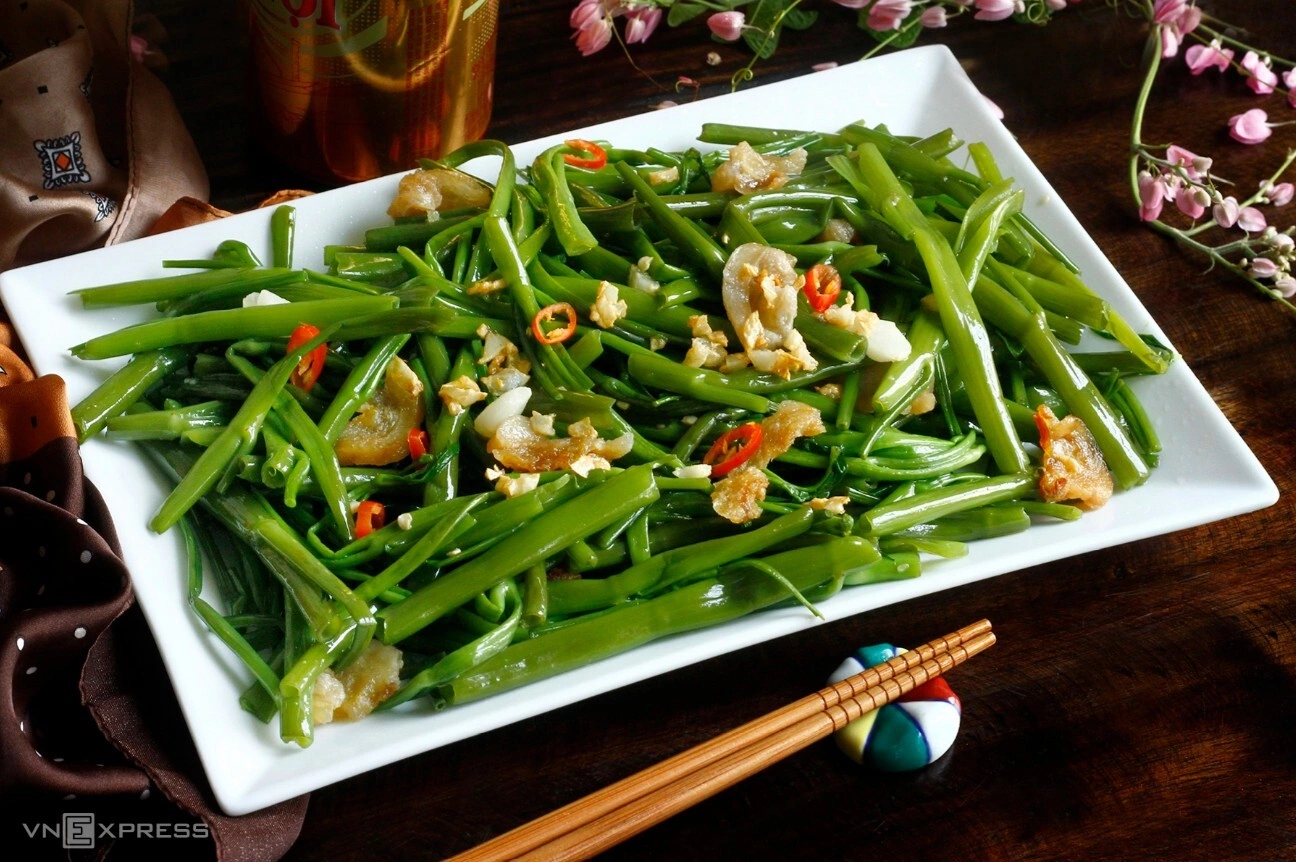
7. Reducing Sodium Can Make the Dish More Heart-Friendly
This is especially important.
A vegetable dish can be extremely nutritious but still contain a large amount of sodium if you add too much soy sauce, oyster sauce, seasoning powder, or processed sauce.
Excess sodium can contribute to increased blood pressure in salt-sensitive individuals.
Instead of relying heavily on salty sauces, try using:
-
Garlic
-
Ginger
-
Black pepper
-
Chili
-
Lemon or lime juice
-
Vinegar
-
Fresh herbs
-
Sesame seeds
These ingredients can add plenty of flavor without requiring excessive sodium.
8. Blood Pressure and Heart Health Are Closely Connected
High blood pressure is one of the major risk factors for cardiovascular disease and stroke.
Over time, elevated blood pressure can place additional stress on blood vessel walls and increase the workload of the heart.
A healthy diet is one part of blood-pressure management.
A dietary pattern rich in vegetables, fruits, whole grains, legumes, nuts, and other minimally processed foods is associated with better cardiovascular health.
The DASH diet, for example, emphasizes vegetables and fruits alongside other nutrient-rich foods and is well studied for blood pressure management.
9. What About Cholesterol?
Cholesterol itself isn't inherently bad.
Your body needs cholesterol for important biological functions.
The concern is having unhealthy levels or ratios of certain blood lipids, particularly elevated LDL cholesterol, which is associated with increased cardiovascular risk.
Dietary patterns high in vegetables and fiber can support healthier cholesterol levels.
Replacing foods high in saturated fat with foods containing unsaturated fats and fiber can be particularly useful.
For example, replacing a fatty processed-meat side dish with vegetables, beans, or whole grains may improve the overall nutritional quality of the meal.
10. Could Vegetables Help Reduce Stroke Risk?
A diet rich in vegetables is associated with better cardiovascular health, and cardiovascular health is closely connected to stroke risk.
Major stroke risk factors include:
-
High blood pressure
-
Smoking
-
Diabetes
-
High cholesterol
-
Atrial fibrillation
-
Physical inactivity
-
Obesity
-
Excessive alcohol consumption
Vegetables can contribute to a healthy diet, but no individual vegetable can guarantee stroke prevention.
The strongest approach is to manage the major risk factors over time.
11. Why Fiber Is Particularly Valuable
Fiber does more than support bowel regularity.
A high-fiber dietary pattern can help with:
-
Cholesterol management
-
Blood glucose regulation
-
Satiety
-
Weight management
-
Gut health
Some dietary fibers are fermented by gut bacteria, producing short-chain fatty acids that may influence metabolic and immune processes.
This is one reason eating a variety of plant foods is so valuable.
12. Vegetables Can Help With Weight Management
Maintaining a healthy weight can support cardiovascular health.
Vegetables are generally nutrient-dense and relatively low in calories compared with many highly processed foods.
A large serving of vegetables can add:
-
Volume
-
Fiber
-
Water
-
Micronutrients
to a meal without contributing excessive calories.
This can make it easier to feel satisfied while maintaining an appropriate overall energy intake.
13. Don't Turn a Healthy Vegetable Into an Unhealthy Dish
This is where many recipes go wrong.
Imagine two stir-fried vegetable dishes.
Version A
Vegetables + a little olive oil + garlic + ginger + modest seasoning.
Version B
Vegetables + large amounts of oil + processed meat + salty sauce + sugar.
Both contain vegetables.
But they aren't nutritionally equivalent.
If your goal is cardiovascular health, focus on the entire dish, not just the vegetable itself.
14. Add Protein for a More Complete Meal
Vegetables alone may not provide enough protein for a satisfying main meal.
Consider pairing your stir-fried vegetables with:
-
Tofu
-
Beans
-
Lentils
-
Fish
-
Skinless poultry
-
Eggs
For example:
Stir-fried vegetables + tofu + brown rice
can provide a combination of fiber, protein, complex carbohydrates, and healthy fats.
15. Whole Grains Can Complete the Meal
Instead of pairing vegetables with large portions of refined white rice or refined noodles every day, consider incorporating whole grains when appropriate.
Options include:
-
Brown rice
-
Barley
-
Quinoa
-
Whole-grain noodles
-
Oats
Whole grains provide additional fiber and nutrients.
That doesn't mean white rice is unhealthy.
The important factor is the overall dietary pattern and portion balance.
16. What About Frozen Vegetables?
Fresh isn't always better.
Frozen vegetables can be an excellent option because they are often processed soon after harvesting.
They can be:
-
Convenient
-
Affordable
-
Nutrient-dense
-
Easy to store
Choose plain frozen vegetables when possible rather than products heavily coated in butter, cheese, or salty sauces.
17. Canned Vegetables Can Also Work
Canned vegetables can be nutritious too.
The main issue is often sodium.
If possible, choose:
-
Low-sodium versions
-
No-salt-added versions
You can also rinse canned vegetables under water to remove some surface sodium.
18. A Colorful Plate Usually Means More Variety
Different vegetables contain different combinations of plant compounds.
Try incorporating multiple colors:
Green: leafy greens, broccoli
Red: tomatoes, peppers
Orange: carrots, squash
Purple: cabbage, eggplant
White: onions, garlic, cauliflower
Color variety is a simple way to increase dietary diversity.
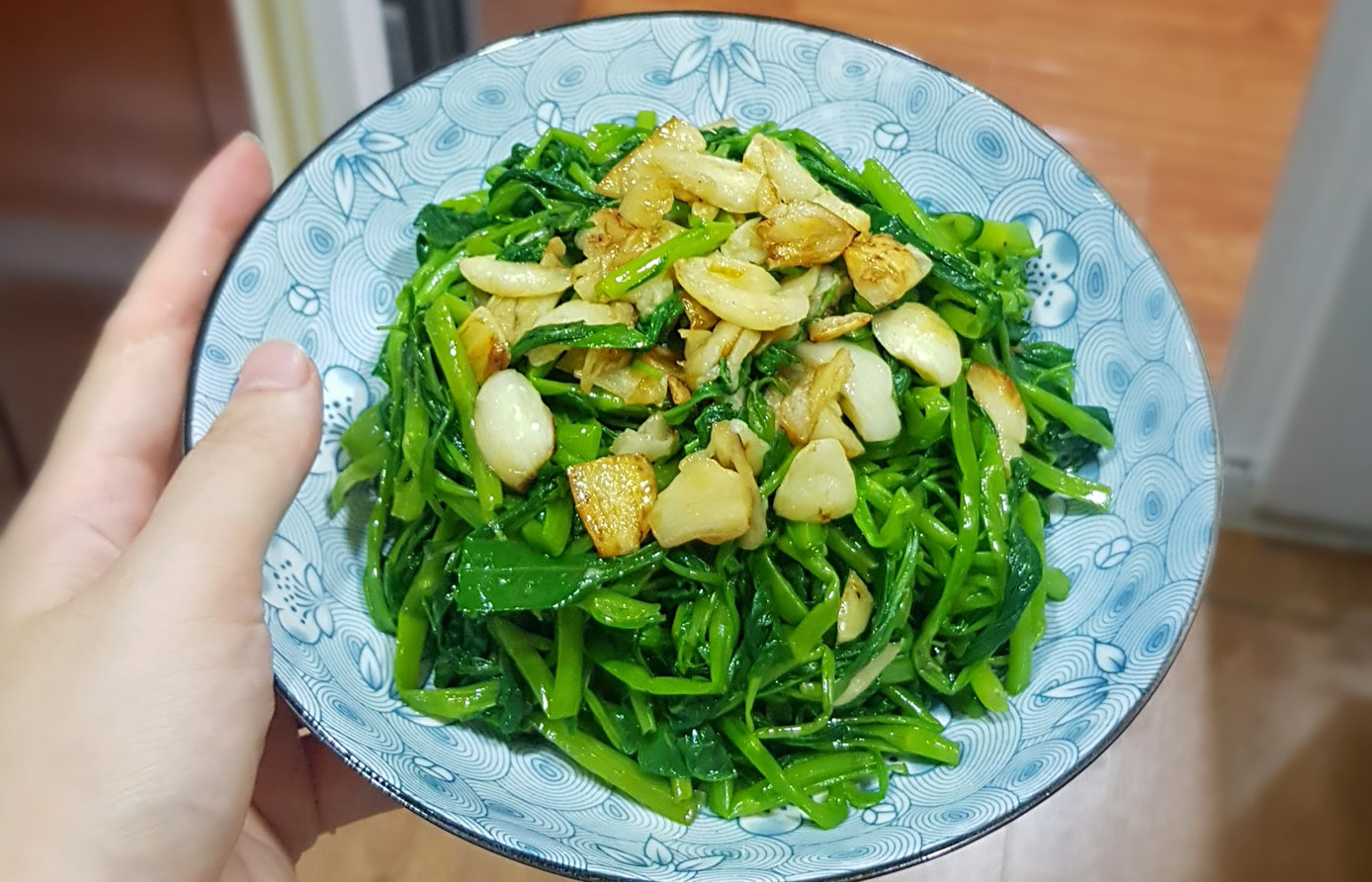
19. What About Cruciferous Vegetables?
Broccoli, cabbage, bok choy, kale, cauliflower, and similar vegetables belong to the cruciferous family.
They contain compounds called glucosinolates, which break down into biologically active compounds during digestion and food preparation.
Researchers have studied these compounds for potential effects on inflammation, detoxification pathways, and cellular health.
This doesn't mean cruciferous vegetables prevent cancer or cardiovascular disease by themselves.
But they are highly nutritious foods that fit well into a healthy eating pattern.
20. Don't Overcook Every Vegetable
Different cooking methods affect texture and nutrient availability differently.
Some nutrients are sensitive to prolonged heating, while cooking can make other nutrients easier for the body to access.
Stir-frying is useful because cooking time can be relatively short.
Aim for vegetables that are:
-
Cooked safely
-
Tender enough to eat
-
Still flavorful
-
Not excessively oily
There's no need to cook vegetables until they're completely soft.
21. What If You Don't Like Vegetables?
Don't force yourself to eat plain steamed vegetables every day.
Try changing:
-
Seasonings
-
Cooking methods
-
Textures
-
Combinations
For example:
Garlic + ginger + mushrooms
or
Chili + lime + leafy greens
or
Sesame + tofu + broccoli
Making vegetables enjoyable increases the likelihood that you'll eat them consistently.
22. A Simple Heart-Friendly Stir-Fry Recipe
Here's an easy template.
Ingredients
-
2–3 cups mixed vegetables
-
1–2 teaspoons olive or canola oil
-
Garlic
-
Fresh ginger
-
Black pepper
-
A small amount of low-sodium soy sauce
-
Optional tofu or fish
Method
Heat the pan, add the oil, then sauté garlic and ginger briefly.
Add the vegetables and stir-fry until they are tender but still slightly crisp.
Add a small amount of low-sodium seasoning.
Serve with brown rice, quinoa, or another whole grain if desired.
This creates a meal that is rich in vegetables without relying on excessive sodium or saturated fat.
23. What If You Have High Blood Pressure?
If you've been diagnosed with hypertension, dietary changes can help, but don't stop medication without medical advice.
A heart-friendly dietary approach may include:
-
More vegetables
-
More fruits
-
Whole grains
-
Beans
-
Nuts
-
Seeds
-
Fish
-
Lower sodium
-
Less processed food
Regular physical activity and maintaining a healthy weight are also important.
24. What If You Have High Cholesterol?
If your LDL cholesterol is elevated, discuss your numbers with a healthcare professional.
Dietary strategies may include:
-
Increasing soluble fiber
-
Eating more vegetables
-
Replacing saturated fats with unsaturated fats
-
Eating nuts and seeds
-
Choosing fish more often
-
Limiting processed meats
Some people will also require medication based on their overall cardiovascular risk.
A vegetable dish is helpful, but it isn't a substitute for treatment when treatment is indicated.
25. What If You Have Diabetes?
Vegetables are generally a useful part of a diabetes-friendly eating pattern because many non-starchy vegetables are relatively low in carbohydrate.
But the entire meal matters.
For example, a vegetable stir-fry can become much higher in carbohydrates if it's paired with a large portion of refined noodles and sugary sauce.
Combining vegetables with protein, fiber-rich carbohydrates, and appropriate portions can support better blood-glucose management.
26. People With Kidney Disease Need Special Consideration
Some vegetables are rich in potassium.
For healthy people, potassium is generally beneficial.
But people with chronic kidney disease may have difficulty regulating potassium levels.
If you have kidney disease, don't automatically follow generic "high-potassium" dietary advice.
Your healthcare professional or renal dietitian can tell you which foods and portions are appropriate.
27. Heart Health Is About More Than Diet
Eating vegetables regularly is helpful, but several other habits matter enormously.
Don't Smoke
Smoking is a major cardiovascular risk factor.
Exercise Regularly
Aim for regular aerobic and resistance activity according to your abilities.
Sleep Adequately
Poor sleep can affect blood pressure and metabolic health.
Manage Blood Pressure
Know your numbers and follow treatment recommendations.
Control Diabetes
Persistent high blood glucose can damage blood vessels.
Maintain a Healthy Weight
Even modest improvements can benefit metabolic health in people with excess weight.
28. Don't Forget Sleep and Stress
Chronic stress can influence eating behavior, blood pressure, and sleep.
Poor sleep can also make it harder to maintain healthy eating habits.
A heart-friendly lifestyle therefore isn't just about what's on your plate.
It's also about:
How you sleep
How much you move
How you manage stress
Whether you smoke
Whether your blood pressure is controlled
29. One Meal Won't Transform Your Health
This is perhaps the most important message.
You don't need to eat a particular vegetable every day and expect your cholesterol or blood pressure to suddenly normalize.
Health changes occur over time.
Think:
One healthy meal → one healthy day → one healthy week → months and years of better habits.
Consistency beats hype.
30. What About Supplements?
Vegetables contain many nutrients and plant compounds that supplements cannot perfectly reproduce.
Taking a "heart health" supplement doesn't necessarily provide the same benefits as eating a varied diet.
If you have a nutrient deficiency, supplementation may be appropriate under medical guidance.
But supplements shouldn't replace a balanced diet.
31. Watch the Sauce
If you're trying to make stir-fried vegetables healthier, the sauce may be the easiest place to make a change.
Many commercial sauces can contain substantial amounts of:
-
Sodium
-
Added sugar
-
Calories
Instead of pouring freely, measure the amount you use.
You can also dilute strong sauces with:
-
Water
-
Vinegar
-
Citrus juice
and add herbs and spices for more flavor.
32. Garlic, Ginger, and Herbs Can Reduce the Need for Salt
Flavor doesn't have to come primarily from sodium.
Try:
-
Garlic
-
Ginger
-
Black pepper
-
Chili
-
Turmeric
-
Coriander
-
Basil
-
Lemon
-
Lime
These ingredients can make vegetables much more enjoyable while keeping sodium more moderate.
33. The Mediterranean-Style Approach
One of the best-known heart-supportive dietary patterns is the Mediterranean-style diet.
It emphasizes:
-
Vegetables
-
Fruits
-
Whole grains
-
Beans
-
Nuts
-
Seeds
-
Olive oil
-
Fish
-
Moderate amounts of other animal foods
A stir-fried vegetable dish can easily fit into this broader pattern.
The goal isn't to follow a rigid menu.
It's to emphasize minimally processed plant foods and healthy fats while limiting highly processed foods.
34. What Does "Heart-Healthy" Really Mean?
A heart-healthy diet isn't simply one that contains a lot of vegetables.
It should also generally support:
-
Healthy blood pressure
-
Healthy cholesterol levels
-
Healthy blood glucose
-
Appropriate body weight
-
Adequate nutrition
That means paying attention to the entire meal.
Vegetables are a foundation, not the entire structure.
35. When Should You Talk to a Doctor?
If you're worried about cardiovascular health, don't rely on food alone.
Talk to a healthcare professional if you have:
-
Persistently high blood pressure
-
High cholesterol
-
Diabetes
-
Chest discomfort
-
Shortness of breath
-
Unexplained fatigue
-
Heart palpitations
-
A strong family history of cardiovascular disease
Routine screening can identify risk factors before serious symptoms develop.
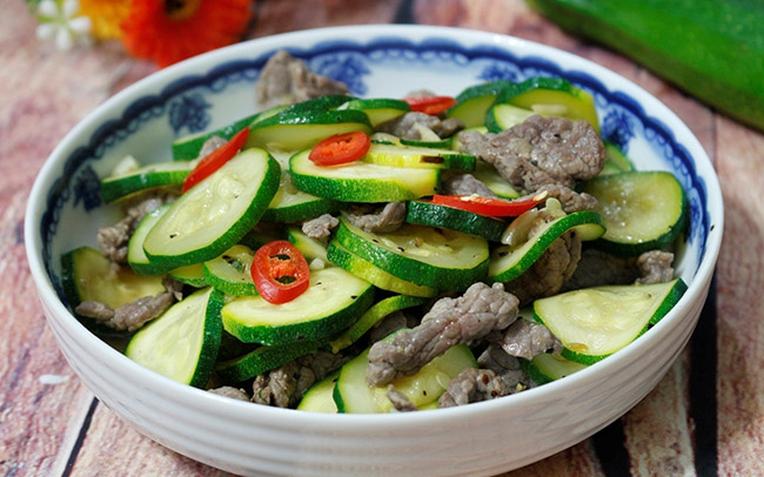
36. Know the Warning Signs of a Stroke
Diet can contribute to long-term risk reduction, but knowing the signs of a stroke is also crucial.
Remember:
F — Face: one side of the face suddenly droops.
A — Arms: sudden weakness or numbness, especially on one side.
S — Speech: speech becomes slurred or difficult to understand.
T — Time: seek emergency medical help immediately.
Other sudden symptoms can include:
-
Vision loss
-
Severe dizziness
-
Loss of balance
-
Sudden severe headache
-
Confusion
Don't wait to see whether these symptoms disappear.
37. Know the Warning Signs of a Heart Attack
Seek emergency medical attention if you experience symptoms such as:
-
Pressure or squeezing in the chest
-
Pain spreading to the arm, shoulder, back, neck, or jaw
-
Severe shortness of breath
-
Cold sweating
-
Nausea
-
Sudden weakness
Symptoms can vary, particularly in women and older adults.
Don't assume severe symptoms are simply indigestion.
38. The Best Vegetable Is the One You'll Actually Eat
There's no need to obsess over one particular vegetable.
If you enjoy:
-
Broccoli
-
Cabbage
-
Bok choy
-
Spinach
-
Kale
-
Bell peppers
-
Carrots
-
Mushrooms
-
Green beans
eat a variety.
Different vegetables provide different nutrients and plant compounds.
Variety is more valuable than searching for one miracle food.
39. Make Vegetables a Daily Habit
A practical goal is to include vegetables in multiple meals.
For example:
Breakfast: vegetables with eggs
Lunch: large vegetable-and-bean bowl
Dinner: stir-fried vegetables with tofu or fish
Snack: fresh vegetables with hummus
This approach is much more sustainable than trying to consume huge quantities of one food.
40. The Bottom Line
A well-prepared stir-fried vegetable dish can be an excellent addition to a heart-conscious diet.
Vegetables can provide fiber, potassium, folate, vitamins, minerals, and beneficial plant compounds that support cardiovascular and metabolic health.
Regularly eating vegetables as part of an overall healthy dietary pattern may help support:
-
Healthy blood pressure
-
Healthy cholesterol levels
-
Blood-glucose control
-
Healthy body weight
-
Digestive health
-
Long-term cardiovascular health
But one vegetable or one recipe cannot independently prevent heart disease or stroke.
The biggest benefits come from the overall pattern: plenty of plant foods, adequate fiber, healthy fats, moderate sodium, regular physical activity, sufficient sleep, no smoking, and appropriate management of blood pressure, cholesterol, and diabetes.
Final Thoughts
A simple plate of stir-fried vegetables may not look like a medical treatment, but it can be a practical part of a healthier lifestyle.
The secret isn't a miracle ingredient.
It's what you do repeatedly.
Choose colorful vegetables. Use a modest amount of healthy oil. Keep salty sauces under control. Add a good source of protein. Pair the meal with a high-fiber carbohydrate when appropriate.
And most importantly, don't expect one food to do all the work.
Your heart benefits from patterns, not gimmicks. A vegetable-rich diet practiced consistently over time can be one of the simplest ways to support better cardiovascular health.