7 Important Habits That Can Help Lower Your Risk of Str0ke and Heart Attack
Are You at Higher Risk of Stroke or Heart Disease? 7 Steps That May Help Protect Your Health
Health 04/08/2026 16:12
For centuries, people have turned to nature when dealing with minor illnesses. Long before modern medicine existed, herbs, spices, and plant-based remedies were commonly used to soothe sore throats, support wound care, or ease digestive discomfort.
Today, many of these traditional remedies are being examined by scientists to better understand whether they contain compounds that may help fight bacteria, fungi, or other microorganisms.
One ingredient that continues to attract attention is garlic.
Garlic has earned a reputation as a "natural antibiotic," and laboratory research has shown that it contains compounds with antimicrobial activity. But does that mean garlic can replace prescription antibiotics?
The short answer is no.
While garlic contains biologically active substances that researchers find fascinating, the evidence does not support using it as a substitute for medical treatment when antibiotics are needed.
Here's what current research tells us.
Garlic (Allium sativum) has been used in cooking and traditional medicine for thousands of years.
Besides adding flavor to meals, garlic provides nutrients such as:
Vitamin C
Vitamin B6
Manganese
Selenium
Small amounts of fiber
More importantly from a research perspective, garlic contains sulfur-containing compounds that are released when the cloves are chopped, crushed, or chewed.
One of the best-known of these compounds is allicin.
Allicin is responsible for much of garlic's distinctive aroma and has been extensively studied for its biological activity.
Interestingly, fresh garlic doesn't actually contain much allicin until it is damaged.
When a garlic clove is crushed or chopped, an enzyme called alliinase converts another compound, alliin, into allicin.
Allicin is relatively unstable.
It begins breaking down soon after it forms, producing additional sulfur-containing compounds that scientists continue to investigate.
Because allicin changes rapidly, different garlic preparations may contain very different amounts of active compounds.
Fresh garlic, cooked garlic, garlic powder, aged garlic extract, and garlic supplements are not identical products.
An antimicrobial substance is something that can inhibit or kill certain microorganisms.
These microorganisms may include:
Bacteria
Viruses
Fungi
Parasites
However, it's important to understand that showing antimicrobial activity in a laboratory dish does not automatically mean the same effect occurs inside the human body.
Laboratory conditions are carefully controlled and often use concentrations that may differ from what is achieved through normal eating.
Over the years, researchers have tested garlic extracts against numerous microorganisms.
Laboratory studies have reported activity against certain:
Staphylococcus aureus
Escherichia coli
Salmonella
Candida species
Other bacteria and fungi
Scientists believe sulfur-containing compounds such as allicin may interfere with essential processes inside microbial cells.
These findings are scientifically interesting.
However, laboratory research is only one step in understanding whether a treatment works in people.
Human research has produced mixed results.
Some studies have explored whether garlic supplements might influence the frequency or duration of common colds.
A few have suggested modest benefits, while others have found limited or inconsistent effects.
Researchers have also investigated garlic in relation to:
Blood pressure
Cholesterol
Cardiovascular health
Immune function
Although some findings are encouraging, garlic is not considered a replacement for evidence-based medical treatment.
More large, high-quality clinical trials are still needed.
This is perhaps the most important question.
The answer is no.
Prescription antibiotics are carefully tested medications designed to treat specific bacterial infections.
Garlic has not been shown to reliably cure bacterial pneumonia, urinary tract infections, bloodstream infections, meningitis, or other serious bacterial illnesses.
Delaying appropriate antibiotic treatment can allow infections to worsen.
If a healthcare professional prescribes antibiotics for a bacterial infection, replacing them with garlic is not recommended.
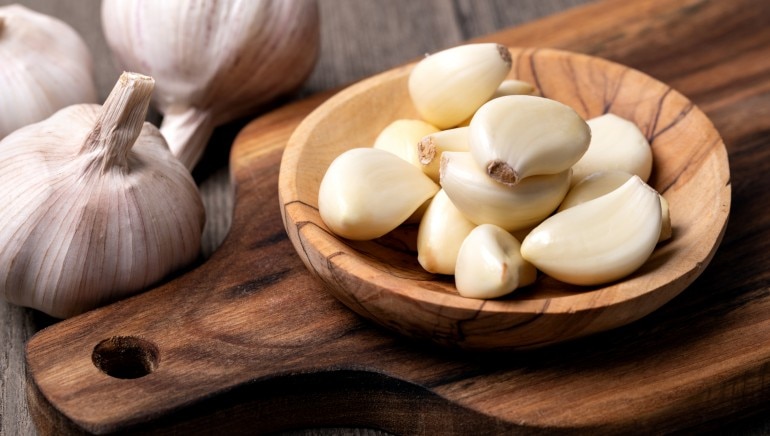
One reason people look for natural alternatives is growing concern about antibiotic resistance.
Antibiotic resistance develops when bacteria evolve in ways that make antibiotics less effective.
Reducing unnecessary antibiotic use is important.
However, this does not mean replacing necessary antibiotics with home remedies.
Instead, experts recommend:
Using antibiotics only when prescribed.
Completing the full course as directed.
Never sharing antibiotics.
Never saving leftover antibiotics for future illnesses.
These practices help preserve the effectiveness of existing treatments.
Many people eat garlic because they hope it will "boost" the immune system.
The immune system is extremely complex.
Rather than simply making immunity "stronger," healthy immune function depends on proper balance.
Nutrition certainly plays an important role.
A balanced diet containing vegetables, fruits, whole grains, legumes, nuts, seeds, and healthy protein sources supports normal immune function.
Garlic can be one nutritious ingredient within that dietary pattern.
But no single food can prevent every infection.
Scientists continue investigating garlic in several areas.
Some research suggests garlic preparations may have modest effects on blood pressure in certain individuals.
Other studies have examined possible effects on cholesterol.
Results vary depending on the preparation used and the quality of the research.
Garlic should not replace medications prescribed for hypertension or high cholesterol.
Garlic contains compounds that may help reduce oxidative stress.
Oxidative stress occurs naturally within the body and is involved in many biological processes.
Eating a variety of plant foods provides numerous antioxidants—not just garlic.
Garlic also contains compounds that may influence the gut microbiome.
Researchers continue studying interactions between diet, intestinal bacteria, and overall health.
This area remains active and evolving.
People often wonder whether supplements are better than fresh garlic.
The answer isn't straightforward.
Fresh garlic:
Adds flavor to meals.
Provides nutrients.
Forms allicin when crushed.
Supplements vary widely.
Some contain aged garlic extract.
Others contain garlic powder or oil.
Because manufacturing methods differ, products are not directly comparable.
Unlike prescription medications, dietary supplements may vary in composition between brands.
If you're considering supplements for a specific health condition, discuss them with your healthcare provider.
If you're cooking with fresh garlic, one simple technique may help maximize allicin formation.
After crushing or chopping garlic, allow it to rest for approximately 10 minutes before cooking.
This gives the enzyme time to produce allicin.
High heat may reduce some of the active compounds, although cooked garlic remains a nutritious food.
Fortunately, garlic tastes excellent both raw and cooked.
Like many foods, garlic is best enjoyed in moderation.
Large amounts may cause:
Heartburn
Stomach upset
Gas
Bad breath
Body odor
Raw garlic is generally more likely to cause digestive discomfort than cooked garlic.
Some people also experience allergic reactions.
Garlic may interact with certain medications.
For example, large amounts or garlic supplements may increase bleeding risk in people taking blood-thinning medications.
People scheduled for surgery are sometimes advised to discuss supplement use with their healthcare team.
If you have a chronic medical condition, always tell your healthcare provider about any supplements you take.
Garlic isn't the only food researchers have investigated.
Other foods and herbs studied for antimicrobial properties include:
Ginger
Honey
Cinnamon
Oregano
Turmeric
Cranberries
Green tea
Each contains unique compounds that have shown interesting activity in laboratory studies.
However, none of these foods should be viewed as substitutes for medically indicated antibiotics.
Their greatest value lies in contributing to a varied, nutritious diet.
Although garlic is an interesting food, maintaining good health depends on much broader lifestyle habits.
Support your immune system by:
Eating a balanced diet rich in vegetables and fruits.
Getting enough sleep.
Exercising regularly.
Managing stress.
Staying up to date with recommended vaccinations.
Washing your hands regularly.
Avoiding tobacco.
Limiting alcohol.
These habits have much stronger evidence than relying on any single "superfood."
Natural remedies may provide comfort for minor illnesses, but certain symptoms require professional evaluation.
Seek medical attention if you experience:
High fever that persists.
Difficulty breathing.
Chest pain.
Severe dehydration.
Confusion.
Symptoms that rapidly worsen.
Persistent infection that does not improve.
Early treatment can prevent complications.
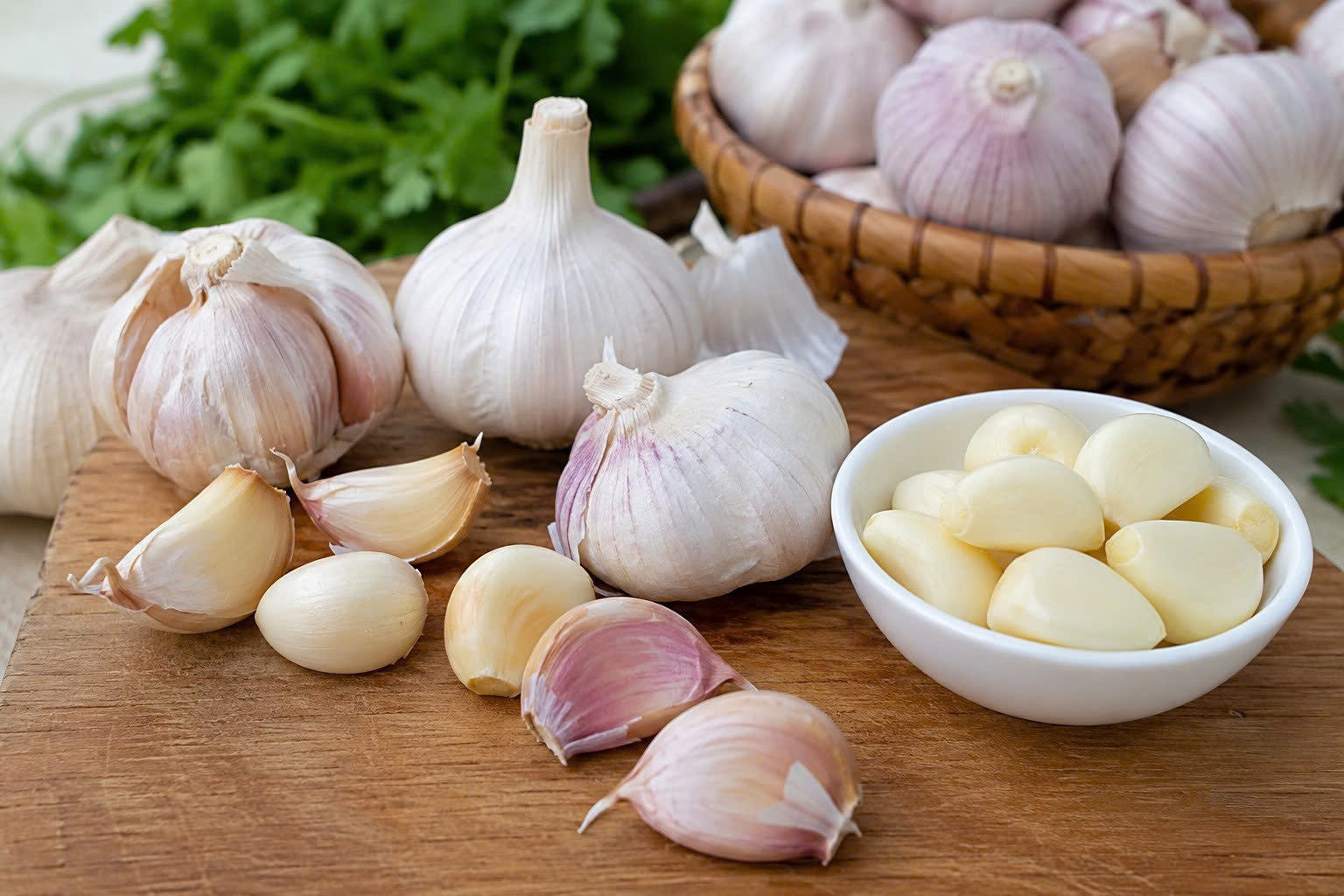
Garlic is a nutritious, flavorful ingredient that has fascinated scientists for decades.
Research has shown that compounds such as allicin possess antimicrobial activity in laboratory settings, and garlic continues to be studied for potential roles in immune function, cardiovascular health, and other aspects of wellness.
However, laboratory findings are not the same as proven clinical treatments.
Current evidence does not support using garlic in place of prescribed antibiotics for bacterial infections or other serious illnesses.
The healthiest approach is also the simplest.
Enjoy garlic as part of a balanced diet filled with vegetables, fruits, whole grains, legumes, nuts, healthy fats, and lean proteins. Let it enhance both the flavor and nutritional quality of your meals, while relying on evidence-based medical care whenever it's needed.
Sometimes the most valuable lesson from scientific research isn't that one food is a miracle cure - it's that small, consistent healthy habits work together to support long-term health.
Are You at Higher Risk of Stroke or Heart Disease? 7 Steps That May Help Protect Your Health

When Are Dark Spots a Concern? 5 Changes to Watch For
Recognizing Low Blood Sugar: 15 Common Symptoms to Watch For

Could Diet Have Made the Difference?
Doctors Warn: A Painless Black Spot May Be More Serious Than You Think
A Simple Traditional Remedy That May Help Soothe Chest and Throat Mucus
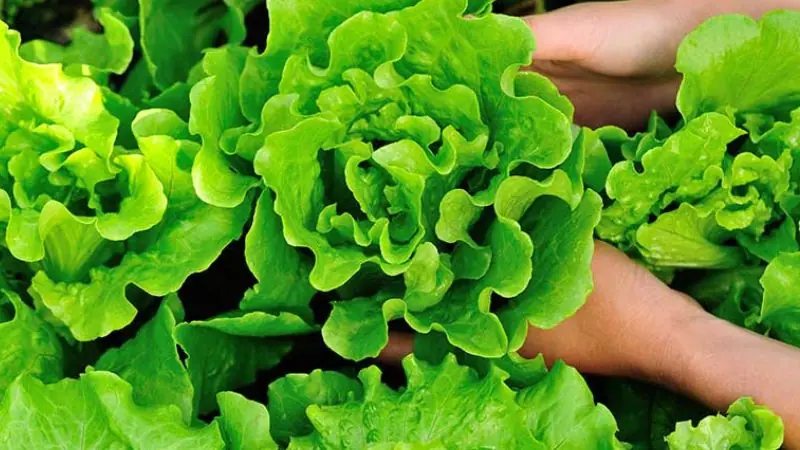
Could Raw Vegetables Carry Parasites? 7 Types That Deserve Extra Care Before Eating
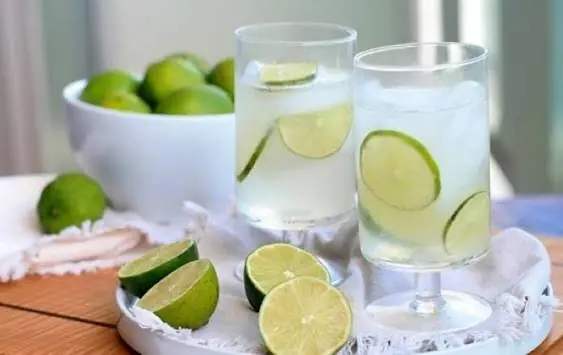
A Simple Lemon Recipe That May Support Healthy Blood Sugar Levels Naturally
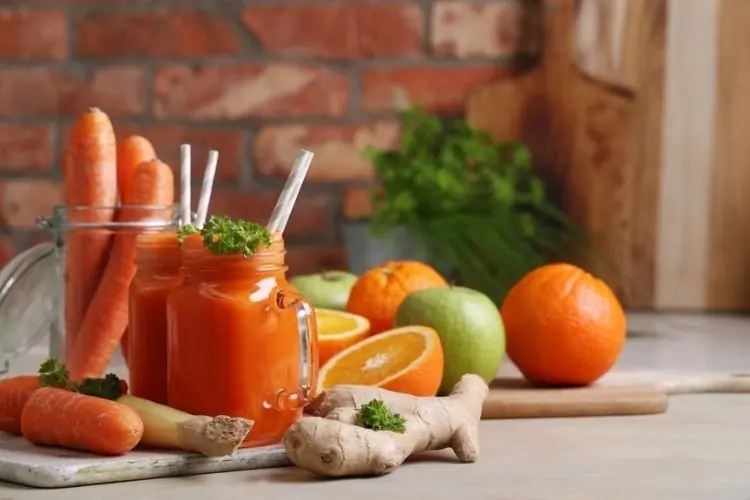
The Ultimate Pineapple, Turmeric, Carrot & Lemon Juice Recipe for a Healthy Start
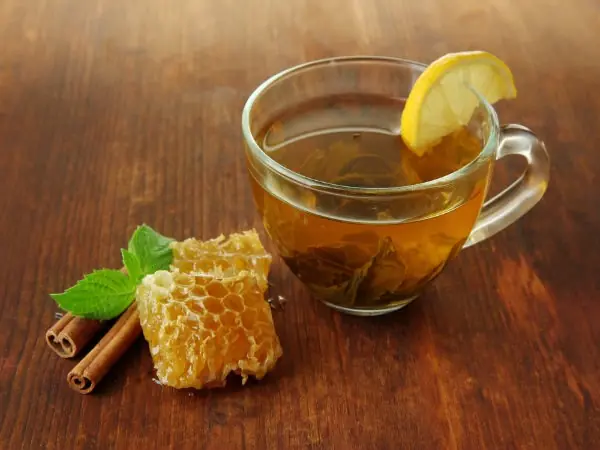
The Comforting Combination of Lemon and Cinnamon: A Tea Worth Trying
Could These Be Early Signs of Stomach Cancer? 8 Symptoms to Know
12 Little-Known Secrets Behind the Power of Coconut Water

A 50-Year-Old Man’s Daily Coffee Routine May Have Contributed to Severe Kidney Failure
Certain Physical Changes Could Mean Your Heart Needs Medical Attention

nakes Around Your Property? Here Are 3 Practical Ways to Help Reduce the Chances of Encounters Seeing a snake near your home can be frightening, especially if it happens repeatedly.

32 Warning Signs That May Indicate Magnesium Deficiency
9 Warning Signs of Appendicitis You Should Never Ignore

Doctors reveal that eating eggs in the morning causes ... See more

The entire kingdom believed that only a prince’s kiss could break the curse. But when the princess fell into an eternal sleep, the one who awakened her was the woman who had silently loved and protected her all her life.

Are You at Higher Risk of Stroke or Heart Disease? 7 Steps That May Help Protect Your Health

Food can grow cold. Money can disappear. But the most painful thing is realizing too late that the people waiting for us at the dinner table will not wait forever.
When Are Dark Spots a Concern? 5 Changes to Watch For

Everyone thought she was arrogant, strict, and desperate to impress the boss. No one knew she was working herself to exhaustion to keep her son alive.

Two brothers once promised never to leave each other. Years later, money and inheritance turned them into strangers—until their father’s final letter brought them back beneath the tree where they had made that promise.

He sold the family’s precious ironwood tree to pay for his future. Years later, when he returned as a successful man, only a weathered stump remained—and so did his deepest regret.
Recognizing Low Blood Sugar: 15 Common Symptoms to Watch For

The free meal
Could Diet Have Made the Difference?
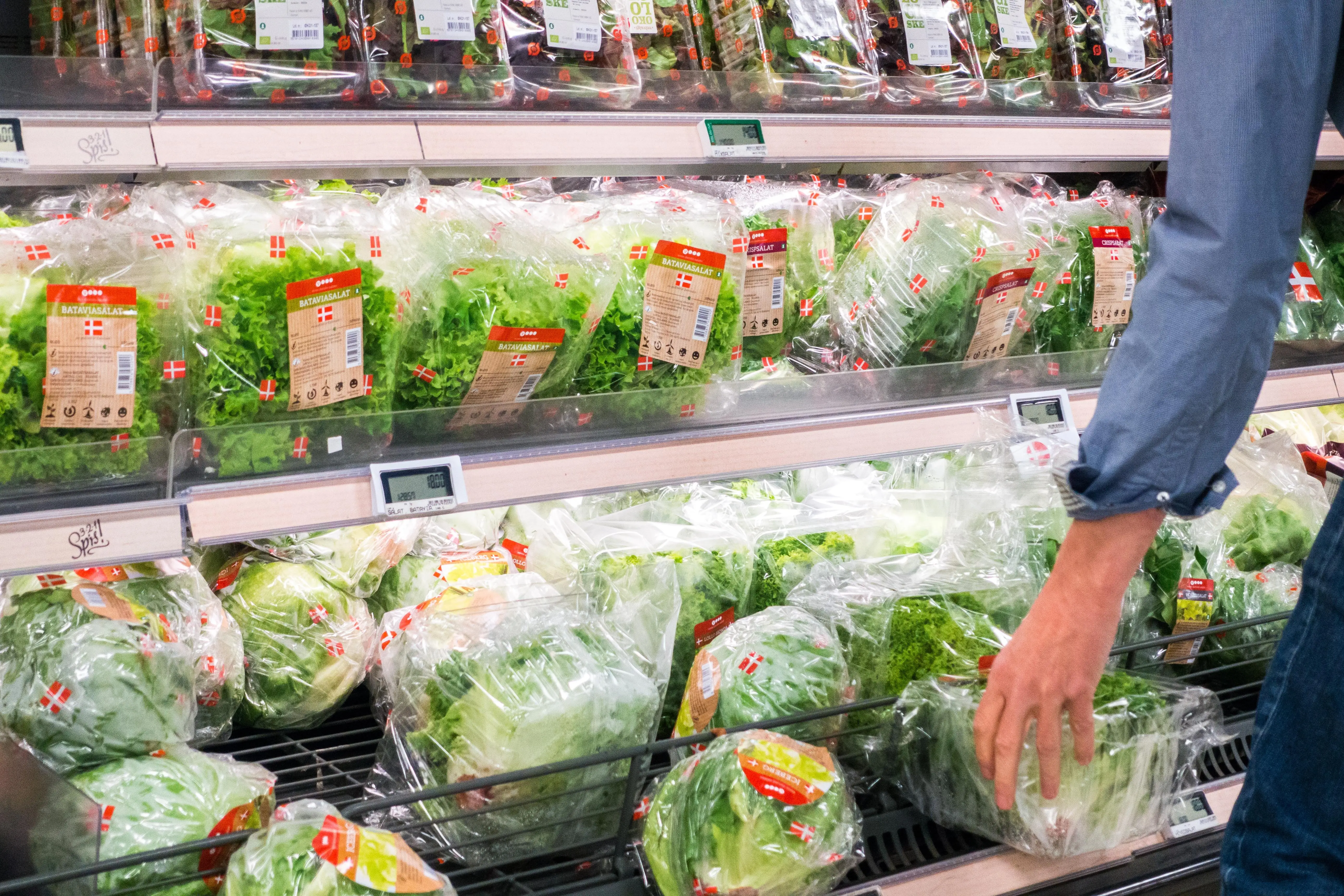
Here's how to tell if your lettuce is truly fresh.
Doctors Warn: A Painless Black Spot May Be More Serious Than You Think
A Simple Traditional Remedy That May Help Soothe Chest and Throat Mucus

The Girl Who Chose Love Over Everything

He Couldn’t Remember Her Name, But He Missed Her Every Day
Could Raw Vegetables Carry Parasites? 7 Types That Deserve Extra Care Before Eating
A Simple Lemon Recipe That May Support Healthy Blood Sugar Levels Naturally