How to Get Rid of Plantar Warts Naturally: Simple Remedies That May Help
Have you noticed a rough, hard spot on the bottom of your foot that seems to hurt when you walk?
It could be a plantar wart.
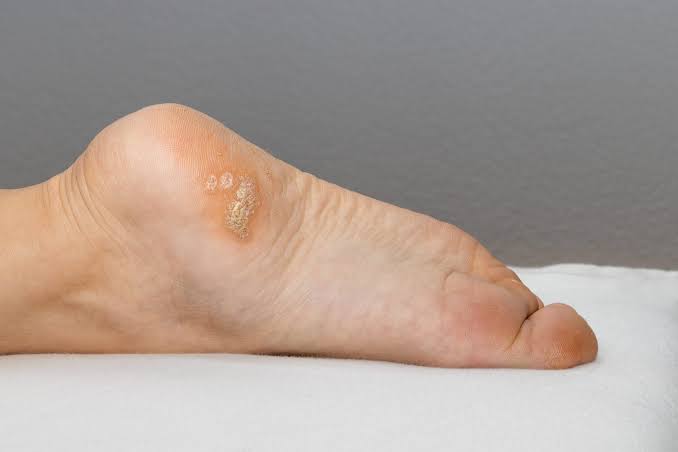
These small growths can be surprisingly stubborn. They may look like a callus at first, but plantar warts often have tiny black dots inside them and can interrupt the normal lines of the skin. They may also become painful because walking puts pressure directly on them.
The good news is that many plantar warts are harmless and may eventually disappear on their own. However, this can take months or even longer, so some people choose to treat them at home.
If you're looking for simple approaches, here's what you should know.
What Causes Plantar Warts?
Plantar warts are caused by certain types of human papillomavirus (HPV) that infect the outer layer of the skin.
The virus can enter through tiny cuts or breaks in the skin. It can also spread from one area of skin to another or from person to person.
Because of this, picking, scratching, or cutting a wart yourself can potentially spread the virus.
1. Try Salicylic Acid
Despite the word “acid,” salicylic acid is one of the most commonly recommended at-home treatments for warts.
It works gradually by peeling away layers of the wart. Over time, repeated treatment can help remove the growth. Dermatologists and Mayo Clinic both list salicylic acid as a common home treatment for plantar warts.
A typical routine involves:
- Soaking the foot in warm water for about 5 minutes.
- Gently removing softened dead skin with a disposable emery board or pumice stone.
- Drying the area thoroughly.
- Applying the salicylic-acid wart treatment exactly as directed on the package.
- Repeating the treatment regularly.
Treatment can take weeks, so consistency is important.
Don't use the same pumice stone or file on other parts of your body because it could potentially spread the virus.
2. Cover the Wart
Keeping a wart covered can help reduce the chance of spreading it to other areas or to another person.
A bandage can be useful when you're not actively treating the wart.
Some dermatologists also use duct tape as an occlusive treatment, although the evidence for duct tape alone is mixed. Mayo Clinic describes it as harmless but unproven, while the American Academy of Dermatology notes that it may help in some cases.
If you try it, stop if the surrounding skin becomes significantly irritated.
3. Keep Your Feet Clean and Dry
Plantar warts can spread more easily in environments where people walk barefoot.
To reduce the chance of spreading them:
- Keep your feet clean and dry.
- Avoid walking barefoot in public showers or locker rooms.
- Don't share socks, shoes, towels, or personal foot-care tools.
- Wash your hands after touching or treating the wart.
- Avoid picking or scratching the area.
These simple habits can help reduce the risk of spreading the virus to other parts of your body or to other people.
4. Don't Cut the Wart Yourself
A common mistake is trying to cut, burn, or dig out a plantar wart at home.
This can cause bleeding, infection, scarring, and potentially spread the virus.
If the wart is deeply embedded, painful, or repeatedly returns, a dermatologist or podiatrist can determine whether it really is a wart and choose a safer treatment.
5. Be Careful With “Natural” Internet Remedies
You may see recommendations online involving vinegar, garlic, essential oils, banana peels, or other household ingredients.
Some people claim these remedies worked for them, but anecdotal success isn't the same as strong clinical evidence.
Some substances can also irritate or burn healthy skin around the wart.
For that reason, it is safer to be cautious about putting concentrated household chemicals or irritating substances on your feet.
The better-supported at-home options include treatments containing salicylic acid and, in appropriate cases, certain over-the-counter freezing products.
6. Over-the-Counter Freezing Treatments May Help
Some pharmacies sell products designed to freeze warts.
These are different from professional cryotherapy, in which a healthcare professional uses liquid nitrogen.
At-home freezing products may help some people, but they aren't always successful, and plantar warts can be difficult to eliminate.
Professional cryotherapy may require multiple treatments, often spaced several weeks apart.
Why Are Plantar Warts So Stubborn?
Unlike some warts on other parts of the body, plantar warts grow on the sole of the foot, where constant pressure from standing and walking can push them inward.
That's why they may sometimes look more like a callus than a typical wart.
You may also notice tiny dark dots inside the growth. These aren't usually “seeds,” as they're sometimes called online—they are small clotted blood vessels associated with the wart.
When Should You See a Doctor?
Not every rough spot on the foot is a plantar wart.
You should have the area evaluated if:
- You're not sure whether it's actually a wart.
- It is bleeding or very painful.
- It changes in appearance, shape, or color.
- It keeps growing or multiplying.
- It disappears and then repeatedly comes back.
- Home treatment hasn't worked.
- You have diabetes.
- You have poor circulation or reduced sensation in your feet.
- Your immune system is weakened.
The American Academy of Dermatology specifically recommends professional evaluation for people with diabetes, weakened immunity, or uncertainty about whether a growth is actually a wart.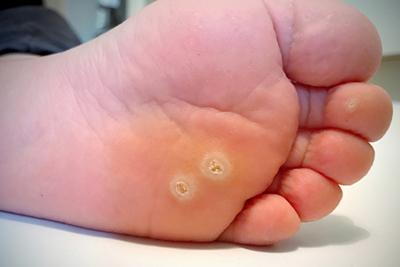
The Bottom Line
A plantar wart can be annoying, uncomfortable, and stubborn—but it doesn't necessarily require an aggressive treatment.
For a small, uncomplicated wart, salicylic acid used correctly and consistently is one of the better-supported home approaches. Keeping the area covered, avoiding picking, and practicing good foot hygiene can also help prevent the wart from spreading.
And remember: “natural” doesn't always mean safe or proven.
If a growth is painful, changing, spreading, or refusing to disappear, don't keep experimenting with household remedies. A dermatologist or podiatrist can confirm the diagnosis and recommend a treatment that's appropriate for your feet.
Sometimes the simplest solution isn't the most dramatic one—it’s the treatment you use safely and consistently.