Chapter 1: The Three-Dot Tattoo – A Small Symbol With a Surprising History
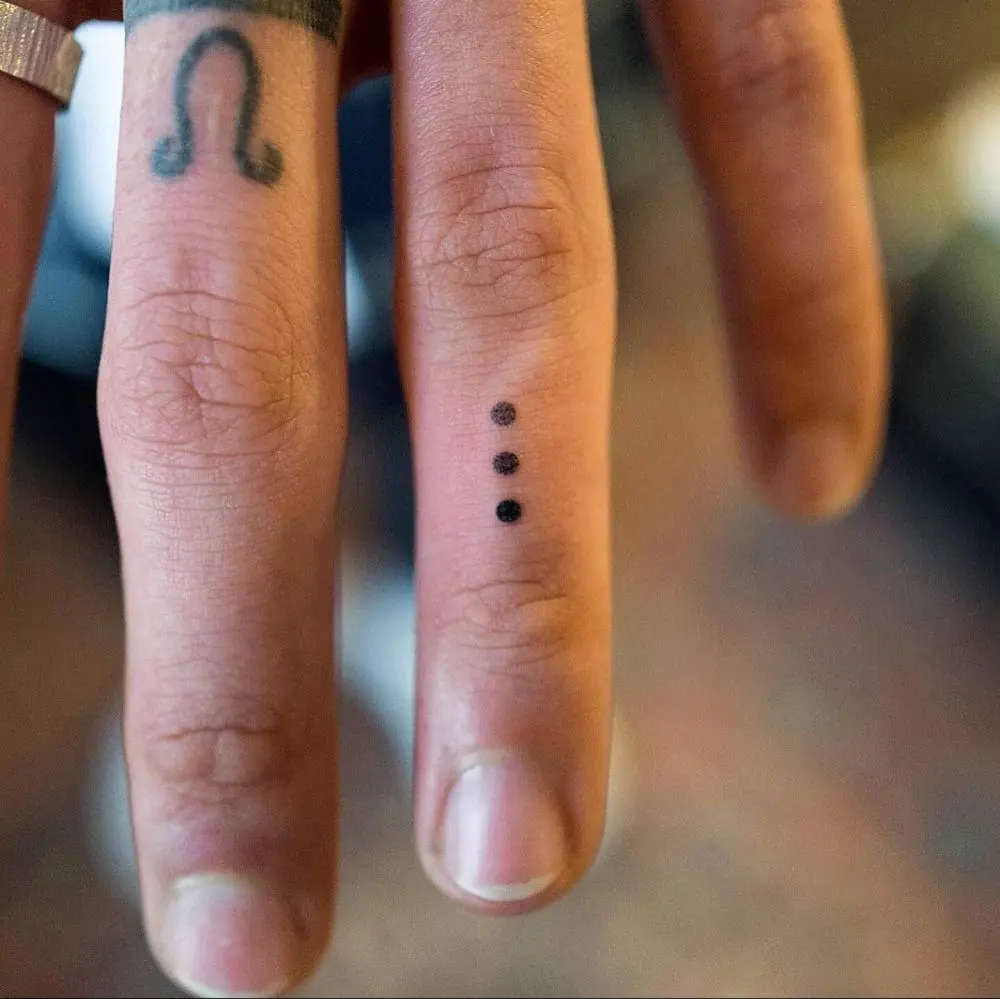
Three small black dots arranged in a triangle may look like a simple decorative tattoo. Yet this modest design has attracted considerable attention because of its association with street culture, prison history, and a Spanish expression that carries a much deeper meaning.
The phrase most commonly associated with this tattoo is Mi Vida Loca, which translates into English as “My Crazy Life.”
For some people, the symbol represents a difficult life, personal struggles, or an unconventional path. In certain communities, it has also been associated with gang culture and prison experiences.
But there is an important detail that many online posts leave out: the three-dot tattoo does not have one universal meaning.
Understanding its history requires looking beyond frightening headlines and considering the different cultures and circumstances in which the symbol has appeared.
1. What Does Mi Vida Loca Mean?
The expression Mi Vida Loca is Spanish for “My Crazy Life.”
It can describe a life filled with unpredictable experiences, difficult decisions, challenges, and circumstances that are far from ordinary.
In some Chicano and Mexican-American tattoo traditions, three dots arranged in a triangular pattern became a recognizable representation of this expression.
The design is simple, which makes it easy to recognize.
Unlike large tattoos featuring detailed images, names, or elaborate lettering, the three-dot symbol consists of only three small marks.
It can appear on the hand, near the thumb, between the fingers, or in other visible areas.
For some wearers, the design may reflect a connection to a particular period in life.
For others, it may represent a personal philosophy or a reminder of experiences they have overcome.
However, it would be inaccurate to assume that everyone with this tattoo shares the same background.
2. Why Did the Symbol Become Associated With Prison Culture?
Tattoos have long been used in different societies to communicate identity, beliefs, experiences, and group connections.
In prison environments, tattoos have sometimes carried additional meanings.
Some prisoners have used particular designs to represent their experiences, affiliations, personal histories, or attitudes toward life.
The three-dot tattoo became associated with certain gang and prison cultures, particularly in parts of the United States.
A historical article published by the Los Angeles Times in January 2002 discussed the use of triangular three-dot tattoos in Los Angeles gang culture and identified the phrase Mi Vida Loca as one of their commonly recognized meanings.
Los Angeles Times
The association became more widely known through news reporting, films, music, and popular culture.
Over time, however, the symbol also circulated beyond the communities where it had originally gained recognition.
This is one reason why its meaning cannot be determined simply by looking at someone's hand.
3. Three Dots Do Not Automatically Mean Gang Membership
This is perhaps the most important point.
The United States National Gang Center has specifically explained that three-dot tattoos are used by different gangs as well as people who are not gang members.
Its newsletter identifies several possible interpretations, including Mi Vida Loca and the Christian Holy Trinity.
Office of Justice Programs
That means a person could have the design for a cultural, religious, decorative, or personal reason.
Someone might choose three dots because they represent three important people in their life.
Another person might associate the design with a meaningful event.
Someone else might simply appreciate minimalist tattoos.
Without knowing the individual's background and personal explanation, outsiders cannot confidently determine what the marks mean.
4. Why the Internet Often Makes the Tattoo Sound More Dangerous
Online posts frequently present tattoo symbols as if each design has one secret meaning.
This approach attracts attention because it makes ordinary images appear mysterious.
A headline saying that three small dots can have several historical and cultural interpretations may attract less attention than one claiming that anyone with the tattoo is dangerous.
Unfortunately, dramatic claims can encourage people to make unfair assumptions.
A tattoo can provide a clue about someone's interests or experiences, but it is not reliable evidence of their behavior.
Even official gang-identification guidance warns against relying on tattoos alone.
The National Gang Center explains that markings should be considered alongside other indicators rather than treated as automatic proof of gang membership.
Office of Justice Programs+1
5. A Symbol That Can Mean Different Things to Different People
The three-dot tattoo is an interesting example of how a simple design can acquire several meanings.
Its history includes connections to street culture, personal identity, religious symbolism, and minimalist body art.
These interpretations can exist side by side.
The same three dots may represent something deeply meaningful to one person and nothing more than a small decorative design to another.
That is why understanding the context is more important than reacting to the image itself.
Chapter 2: The Connection With Street Culture and the Meaning Behind the Three Dots
The three-dot tattoo is frequently discussed in articles about gang culture, particularly because of its association with the phrase Mi Vida Loca.
However, its history is more complicated than a simple association with one criminal organization.
To understand why the design became recognizable, it helps to examine the relationship between tattoos, identity, and street culture.
1. Tattoos as Expressions of Identity
Throughout history, people have used tattoos to express different aspects of their lives.
Some tattoos represent family relationships.
Others commemorate important events, religious beliefs, or personal achievements.
In certain communities, tattoos have also been used to express neighborhood identity, social connections, or affiliation with a particular group.
This is especially relevant in environments where clothing, language, and symbols can communicate belonging.
The three-dot tattoo became one of the recognizable designs associated with some Chicano and Latino street-culture traditions.
Its meaning was often connected with the idea of living a difficult or unpredictable life.
However, this does not mean that every person who adopts the design participates in criminal activity.
2. The Phrase My Crazy Life
The English translation of Mi Vida Loca is simple, but its interpretation can vary.
For some people, the phrase suggests a life shaped by difficult experiences.
For others, it represents a rebellious attitude or a refusal to follow conventional expectations.
In street-culture contexts, it has sometimes been associated with a lifestyle involving instability, conflict, and the consequences of difficult decisions.
The three dots provide a compact visual representation of that expression.
Because the design is easy to reproduce, it became recognizable in different communities.