Three Types of Fish That May Be “Can.cer Hotspots” — No Matter How Tasty, It’s Best to Avoid Them (The Second Is a Favorite in Many Households)
In many cases, fish is not a food you can eat “the more, the better,” as people often assume.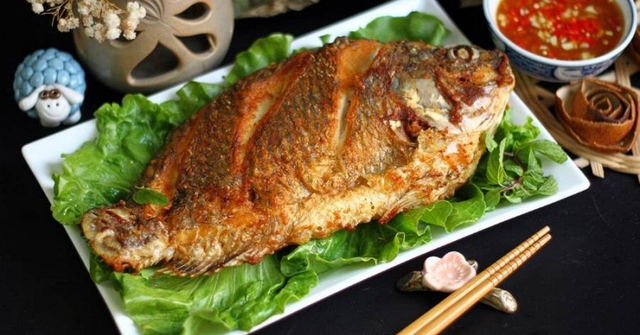
Fish has long been regarded as a “golden” food for health. With its high protein content, low saturated fat, and richness in unsaturated fatty acids, fish is commonly recommended in healthy diets. Many families even treat fish as a substitute for red meat, eating it almost daily under the belief that “more is always better.”
However, scientific research and clinical observations show that not all fish are safe for frequent consumption. Some types of fish—due to farming conditions, living environments, or processing methods—may contain substances harmful to health. When consumed often over a long period, these fish may increase the risk of chronic diseases, including cancer.
Below are three groups of fish that experts advise people to consume with caution, along with the scientific reasons behind these warnings.
1. Unregulated Farmed Eels
Eels have long been considered a nutritious delicacy in Asian cuisine and are commonly found in both casual eateries and restaurants. However, studies indicate that some farmed eels raised in substandard environments may contain residues of banned drugs and chemicals.
Of particular concern is malachite green, an antibacterial agent once widely used in aquaculture. This substance has been completely banned since 2002 after being proven toxic and linked to cancer. Once inside the human body, malachite green can be metabolized into stable residues that accumulate in the liver and kidneys, potentially impairing organ function with long-term exposure.
In addition, some eel farms may improperly use antibiotics to prevent disease or promote growth. Regular consumption of products containing antibiotic residues not only increases the risk of antibiotic resistance but may also negatively affect immune and metabolic function.
Therefore, experts recommend consuming only eels with clear origins that are raised under strict quality control, and avoiding eels of unknown origin or those prepared at facilities that do not meet food safety standards.
2. Large Deep-Sea Fish
The second group requiring special attention includes large deep-sea fish such as sharks, swordfish, and large ocean tuna. These species tend to live longer and occupy higher levels of the food chain, making them prone to accumulating heavy metals through biomagnification.
Among these metals, mercury is the most extensively studied hazard. Scientific evidence shows that mercury exposure can damage the nervous system, affecting memory, concentration, and motor function. Epidemiological research from the Harvard T.H. Chan School of Public Health has found that pregnant women who consume fish high in mercury face a higher risk of neurodevelopmental disorders in their fetuses.
Beyond neurological effects, long-term accumulation of heavy metals in the body has also been linked to increased risks of liver, kidney, and lung cancer. For this reason, many health authorities advise children, pregnant women, and breastfeeding mothers to limit or avoid consuming large deep-sea fish.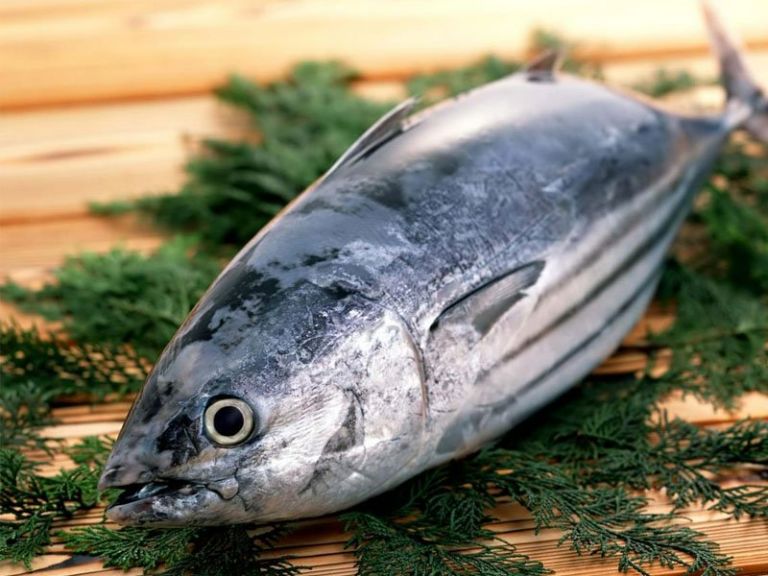
3. Salted and Smoked Fish
The third high-risk category includes fish preserved through salting, smoking, or drying, such as salted fish, dried fish, and smoked fish. While these methods extend shelf life and enhance flavor, they can also generate harmful compounds.
During prolonged processing and storage—especially in high-salt environments—fish can form nitrosamines, a group of compounds classified by the World Health Organization and the International Agency for Research on Cancer (IARC) as Group 1 carcinogens. Numerous studies have established clear links between nitrosamines and gastric cancer as well as nasopharyngeal cancer.
A study by the Cancer Prevention Center of Sun Yat-sen University found that regions where salted fish is consumed frequently have significantly higher rates of nasopharyngeal cancer compared to other areas. This highlights the long-term impact of dietary habits on public health.
As a result, experts advise that salted and smoked fish should not be eaten as everyday foods, but only occasionally and in small amounts.
How to Eat Fish More Safely
From both modern medical and traditional medicine perspectives, the general principle is moderation, balance, and dietary diversity. Fish remains a highly nutritious food, but it should not be relied upon excessively or limited to only a few types.
Consumers are encouraged to choose fish with clear origins, prioritize smaller fish and properly farmed varieties that accumulate fewer heavy metals. Cooking methods also matter: steaming, boiling, or making soup helps reduce the formation of harmful substances compared to smoking or heavy salting.
According to nutrition experts, adults should eat fish two to three times per week, about 100–150 grams per serving. Pairing fish with vegetables, fruits, and foods rich in antioxidants can further help reduce the impact of harmful factors.
(Source: China CDC, Sun Yat-sen University Cancer Center)