A persistent sore throat is easy to dismiss. A raspy voice may seem like the result of a long day of talking. Difficulty swallowing might be blamed on acid reflux, allergies, or simply getting older.
Most of the time, these symptoms have ordinary explanations.
But when a throat-related symptom doesn't go away, keeps returning, or gradually becomes worse, it deserves attention.
Throat cancer is a broad term often used for cancers that develop in areas such as the pharynx and larynx. Depending on exactly where a tumor develops, the first symptoms can be quite different. Some may resemble common conditions, which is one reason early warning signs can be overlooked.
Recognizing these symptoms does not mean assuming the worst. It means knowing when a persistent change is worth discussing with a healthcare professional.
Here are some symptoms to understand.
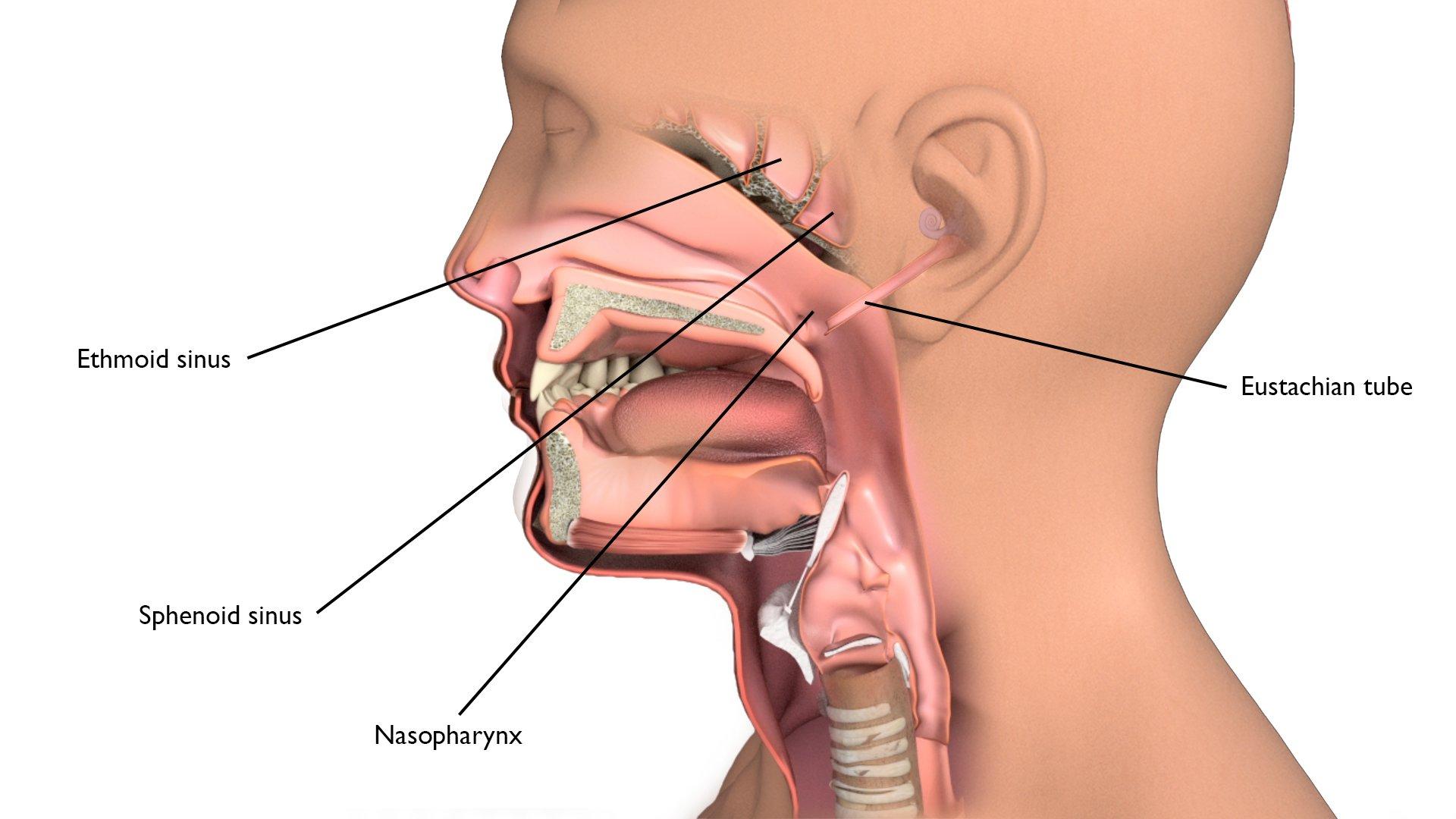
1. A Sore Throat That Doesn't Go Away
Almost everyone experiences a sore throat occasionally.
A viral infection, allergies, dry air, postnasal drip, or irritation can all cause discomfort.
The concern is different when throat pain persists without a clear explanation or repeatedly returns.
A sore throat associated with a routine infection will often improve as the underlying illness resolves. Persistent discomfort that continues for weeks should be evaluated, particularly if it occurs alongside other changes.
Throat cancer isn't the most common explanation for a chronic sore throat, but persistent symptoms shouldn't automatically be attributed to a minor infection.
The important question isn't simply:
“Does my throat hurt?”
It's:
“Why hasn't this symptom gone away?”
2. Persistent Hoarseness or a Change in Your Voice
A person's voice can change for many harmless reasons.
A cold, allergies, excessive talking, smoking, acid reflux, or irritation of the vocal cords can all cause hoarseness.
But a voice change that lasts for an unusually long period deserves medical attention.
This is particularly important when the hoarseness doesn't have an obvious cause.
Because the larynx contains the vocal cords, abnormalities in this region can affect the way the voice sounds.
You might notice:
-
A rough or raspy voice
-
A deeper or weaker voice
-
Frequent voice cracking
-
Difficulty producing certain sounds
-
A voice that seems persistently different
Persistent hoarseness does not mean someone has cancer.
However, if your voice remains hoarse for several weeks, an evaluation by a doctor—sometimes an ear, nose, and throat specialist—can help determine the cause.
3. Difficulty or Pain When Swallowing
Swallowing is something we normally do without thinking.
When it becomes uncomfortable or difficult, however, it can be hard to ignore.
Some people describe the sensation as food getting stuck in the throat. Others experience pain when swallowing liquids or solid foods.
This is known medically as dysphagia when swallowing is impaired, while painful swallowing is called odynophagia.
There are many possible causes.
These include:
-
Reflux
-
Infections
-
Inflammation
-
Esophageal disorders
-
Neurological conditions
-
Structural abnormalities
-
Certain cancers
The type and progression of the problem matter.
Difficulty swallowing that develops gradually or becomes progressively worse deserves medical assessment, especially if it occurs together with unexplained weight loss, persistent throat pain, voice changes, or a neck lump.
4. A Lump or Swelling in the Neck
A lump in the neck can be alarming.
But many neck lumps are caused by relatively common problems such as enlarged lymph nodes during an infection.
Other possibilities include thyroid nodules, cysts, benign growths, salivary-gland problems, and other conditions.
However, a new, persistent, or enlarging neck lump should not simply be ignored.
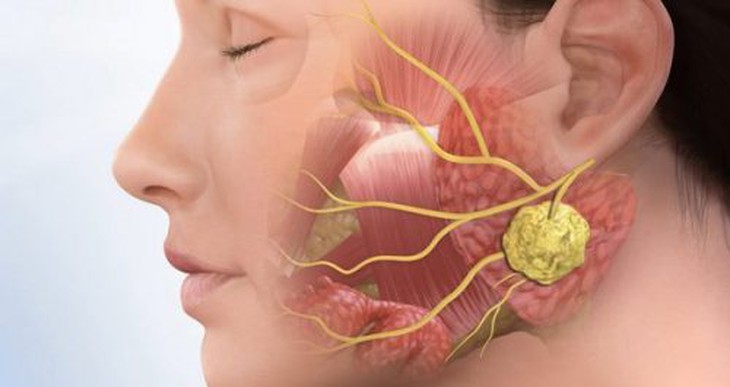
Sometimes a cancer in the throat or nearby structures can spread to lymph nodes in the neck, causing a noticeable swelling.
In some cases, the neck lump may be easier to notice than the original tumor.
Pay attention to whether a lump:
-
Persists after an infection has resolved
-
Continues getting larger
-
Feels unusually firm
-
Is accompanied by swallowing problems
-
Occurs with persistent voice changes
-
Appears alongside unexplained weight loss
A neck lump cannot be diagnosed by appearance or touch alone.
A doctor may perform a physical examination and, depending on the situation, recommend imaging or a tissue sample.
5. An Earache Without an Obvious Ear Problem
This symptom can be particularly confusing.
You may experience pain in one ear even though the ear itself appears normal.
This can happen because nerves serving the throat and ear have overlapping pathways. Irritation in one region can sometimes be perceived as pain in another. This phenomenon is known as referred pain.
Throat conditions, including some cancers, can occasionally cause referred ear pain.
But there are many other explanations, including dental problems, jaw disorders, infections, and other conditions.
Persistent, unexplained ear pain—particularly when it occurs on one side and is accompanied by throat symptoms or difficulty swallowing—should be evaluated.
6. An Ongoing Cough
Coughing is one of the body's protective mechanisms.
It can be triggered by infections, asthma, allergies, reflux, smoking, environmental irritation, and many other conditions.
A cough that persists for a prolonged period without an obvious explanation deserves attention.
Depending on where a tumor develops, irritation of the throat or nearby structures may contribute to coughing.
But cough alone is highly nonspecific.
That means it would be a mistake to assume that a persistent cough automatically indicates throat cancer.
Instead, consider the whole pattern.
A persistent cough accompanied by hoarseness, difficulty swallowing, unexplained weight loss, coughing up blood, or a persistent neck lump should prompt medical evaluation.
7. Unexplained Weight Loss
Losing weight without intentionally changing your diet or activity level can have many causes.
Stress, thyroid disorders, digestive conditions, infections, medication changes, depression, and other illnesses can all contribute.
Cancer can also cause unintended weight loss.
A person may eat less because swallowing is uncomfortable, or their appetite may decrease because of illness.
If you are losing a noticeable amount of weight without trying to, don't assume that it is simply a positive sign of “getting healthier.”
Persistent unexplained weight loss is a symptom worth discussing with a healthcare professional.
8. A Persistent Feeling That Something Is Stuck in Your Throat
Some people describe an unusual sensation of having a lump or object in their throat even when nothing is actually stuck.
This is sometimes called globus sensation.
It can be associated with reflux, stress, muscle tension, inflammation, and other benign conditions.
But if the sensation is accompanied by actual difficulty swallowing, pain, progressive symptoms, voice changes, or unexplained weight loss, it should be assessed.
The distinction between a sensation of something being present and genuine difficulty moving food or liquids through the throat can be clinically important.
9. Unusual Bleeding or Blood in Saliva
Seeing blood can understandably cause concern.
Blood in saliva may come from the gums, nose, throat, or respiratory tract.
For example, bleeding gums or a nosebleed can sometimes make blood appear in saliva even though the source isn't the throat.
However, unexplained or recurrent blood should not simply be ignored.
If you repeatedly notice blood when coughing, clearing your throat, or spitting—particularly when there is no obvious explanation—contact a healthcare professional.
Coughing up significant amounts of blood requires urgent medical attention.
10. Persistent Bad Breath
Bad breath, or halitosis, is extremely common.
Dental plaque, gum disease, dry mouth, smoking, certain foods, and poor oral hygiene are much more common explanations.
Some throat or oral conditions can also contribute to persistent unpleasant odors.
Therefore, persistent bad breath should not be presented as a specific sign of throat cancer.
If regular brushing, flossing, tongue cleaning, hydration, and dental care don't resolve the problem, consider discussing it with a dentist or doctor.
A persistent odor may have a treatable underlying cause.
Why Early Symptoms Are So Easy to Miss
One reason throat cancers can be difficult to recognize early is that their symptoms can resemble everyday problems.
A person may think:
“It's just allergies.”
Or:
“My voice is hoarse because I talked too much.”
Or:
“My throat hurts because of reflux.”
Those explanations may be correct.
In fact, they are often more likely than cancer.
The problem arises when a symptom doesn't behave as expected.
A cold should generally improve.
Temporary hoarseness should usually resolve.
An infection-related swollen lymph node should generally decrease as the infection clears.
When a symptom persists, progresses, or appears alongside other warning signs, it's time to reconsider the explanation.
Who Has a Higher Risk?
Certain factors can increase the risk of developing cancers of the throat and related structures.
Tobacco use is one of the most important established risk factors.
This includes smoking and other forms of tobacco exposure.
Alcohol consumption, particularly heavy use, is another important risk factor. Tobacco and alcohol together can increase risk substantially.
Certain types of human papillomavirus (HPV) are also associated with some cancers of the oropharynx.
Other factors can include age, certain occupational exposures, and a history of specific medical conditions.
However, having a risk factor does not mean someone will develop cancer, and people without obvious risk factors can still develop it.
What About HPV?
HPV deserves special attention because it has changed our understanding of some throat cancers.
Certain high-risk HPV infections can contribute to cancers of the oropharynx, including cancers involving the tonsils and base of the tongue.
HPV-associated cancers can occur in people who do not have the traditional risk profile associated with heavy tobacco and alcohol use.
Vaccination against HPV can reduce the risk of several HPV-related cancers.
Because vaccination recommendations vary according to age and country, people should discuss eligibility with a healthcare professional.
How Is Throat Cancer Diagnosed?
If a doctor is concerned about persistent throat symptoms, the evaluation may begin with a detailed history and physical examination.
An ear, nose, and throat specialist may use a small flexible or rigid scope to examine areas that cannot be easily seen during a routine examination.
Depending on the findings, doctors may recommend:
-
Imaging studies
-
Ultrasound of the neck
-
CT or MRI scans
-
Additional laboratory testing
-
Examination under anesthesia in selected cases
-
Biopsy
A biopsy is generally required to determine whether suspicious tissue is cancerous.
This is important because symptoms and imaging alone cannot reliably establish a cancer diagnosis.
When Should You Seek Medical Attention?
You don't need to panic every time you develop a sore throat.
Most sore throats are not cancer.
But certain patterns deserve medical attention.
Make an appointment if you experience a symptom such as:
-
Persistent hoarseness
-
A sore throat that doesn't resolve
-
Increasing difficulty swallowing
-
Persistent pain when swallowing
-
An unexplained neck lump
-
Persistent one-sided ear pain
-
Unexplained weight loss
-
Recurrent blood in saliva
-
A persistent cough without an obvious cause
The exact timeframe depends on the symptom and your individual circumstances, but persistent or progressive symptoms should be evaluated rather than repeatedly ignored.
Seek Urgent Care for Severe Symptoms
Some symptoms require faster attention regardless of their cause.
Seek urgent medical care if you have severe difficulty breathing, rapidly worsening swelling of the throat or neck, inability to swallow saliva, significant bleeding, or severe symptoms affecting your airway.
These situations are emergencies because airway obstruction or significant bleeding can become dangerous quickly.
What You Can Do to Protect Your Throat Health
There is no way to prevent every case of throat cancer, but several steps can reduce risk.
Avoid tobacco
Not smoking or quitting tobacco is one of the most important things you can do.
Limit alcohol
Reducing excessive alcohol consumption can lower risk.
Consider HPV vaccination
Appropriate vaccination can help prevent HPV infections associated with several cancers.
Maintain oral health
Regular dental examinations, brushing with fluoride toothpaste, and cleaning between the teeth can help maintain oral health.
Pay attention to persistent changes
Don't ignore symptoms simply because they seem minor.
A symptom that persists deserves a different level of attention from one that disappears within a few days.
The Bottom Line
Throat cancer can sometimes begin with symptoms that are easy to mistake for ordinary problems.
Persistent sore throat, prolonged hoarseness, difficulty swallowing, unexplained neck lumps, one-sided ear pain, chronic cough, unexplained weight loss, and other persistent changes can have many causes—but they should be evaluated when they don't improve or continue to worsen.
Most people with these symptoms will not turn out to have cancer.
That's an important point.
The purpose of recognizing warning signs isn't to make you fearful of every throat irritation. It's to help you recognize when a symptom has moved beyond the usual pattern and deserves professional attention.
Your body doesn't always provide dramatic warnings.
Sometimes, the most useful clue is simply that something has changed—and it isn't going away.
If a throat-related symptom persists, progresses, or appears together with other concerning changes, getting it checked can provide either reassurance or an opportunity to identify a problem early, when appropriate treatment options may be broader.
Don't panic over an ordinary sore throat—but don't ignore a persistent change simply because it seems easy to explain away.