Dogs bring companionship, joy, and unconditional love into millions of homes around the world. Whether they're playful puppies or loyal senior companions, they quickly become cherished members of the family. Along with the rewards of pet ownership, however, comes the responsibility of protecting both pets and people from health risks—including ticks.
Ticks are tiny parasites that feed on the blood of animals and, occasionally, humans. While a single tick bite may seem harmless, certain ticks can carry bacteria, viruses, or parasites capable of causing serious illnesses. Fortunately, not every tick carries disease, and not every tick bite leads to infection. Even so, taking preventive steps is important because some tick-borne illnesses can become severe if they are not recognized and treated promptly.
This article explains what dog ticks are, the diseases they may carry, how to protect your pets and family, and when to seek medical or veterinary care.
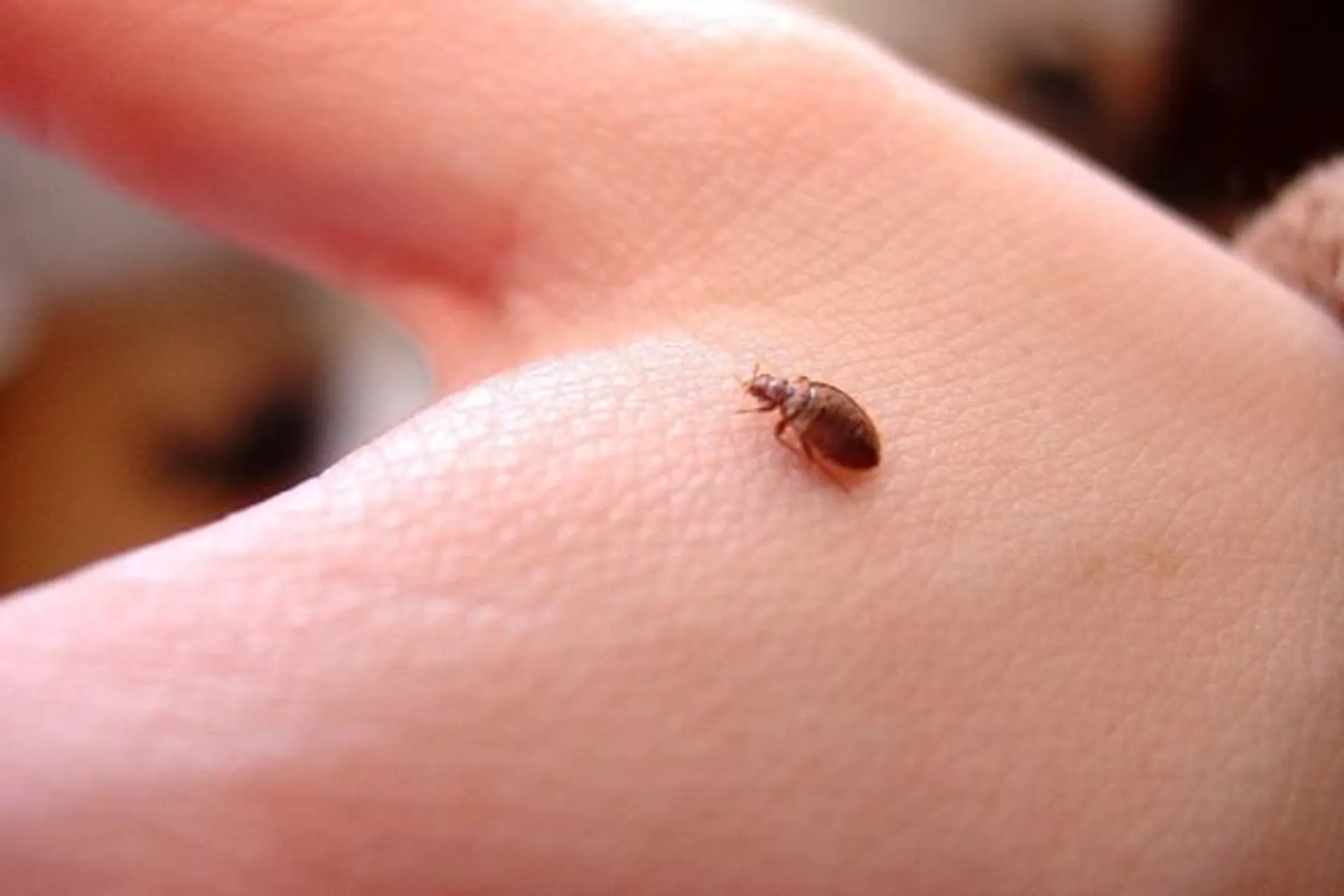
What Are Ticks?
Ticks are small arachnids, meaning they are more closely related to spiders than insects. They survive by attaching to the skin of animals or people and feeding on blood.
Ticks are commonly found in:
-
Tall grass
-
Bushes
-
Forests
-
Parks
-
Gardens
-
Leaf litter
They do not jump or fly. Instead, they wait on vegetation and attach to passing animals or people—a behavior known as questing.
Why Dogs Are Common Tick Hosts
Dogs spend time outdoors exploring areas where ticks live.
Ticks often attach to:
-
Ears
-
Neck
-
Around the eyes
-
Under the collar
-
Between the toes
-
Armpits
-
Groin
-
Tail area
Long-haired dogs can make ticks more difficult to spot.
Can Dog Ticks Bite Humans?
Yes.
Although many tick species prefer animal hosts, some can bite humans.
If a tick detaches from a dog, it may later attach to a person.
It's important to understand that dogs do not usually transmit tick-borne diseases directly to people.
Instead:
The tick itself is the vector.
This means both dogs and humans may become infected after being bitten by infected ticks.
Do All Ticks Carry Disease?
No.
Many ticks are not infected.
The risk depends on factors such as:
-
Tick species
-
Geographic location
-
How long the tick remains attached
-
Local disease prevalence
Even in areas where tick-borne illnesses occur, not every bite leads to infection.
Tick-Borne Diseases Affecting Dogs
Ticks can transmit several diseases to dogs.
Examples include:
Ehrlichiosis
Caused by bacteria of the Ehrlichia genus.
Possible symptoms include:
-
Fever
-
Lethargy
-
Loss of appetite
-
Weight loss
-
Bleeding problems
Anaplasmosis
Symptoms may include:
-
Fever
-
Joint pain
-
Lameness
-
Loss of appetite
Babesiosis
A parasite that infects red blood cells.
Possible signs include:
-
Weakness
-
Pale gums
-
Fever
-
Dark urine
Lyme Disease
In regions where Lyme disease is common, infected ticks may transmit Borrelia burgdorferi.
Dogs may develop:
-
Lameness
-
Joint swelling
-
Fever
-
Fatigue
Some infected dogs never develop symptoms.
Tick-Borne Diseases in Humans
Certain tick species can also transmit diseases to people.
Examples include:
Lyme Disease
Early symptoms may include:
-
Expanding skin rash (often resembling a bull's-eye)
-
Fever
-
Fatigue
-
Headache
-
Muscle aches
Not everyone develops the characteristic rash.
Rocky Mountain Spotted Fever
Possible symptoms include:
-
Fever
-
Headache
-
Rash
-
Muscle pain
-
Nausea
Prompt treatment is important.
Ehrlichiosis
Symptoms often resemble flu-like illness.
Possible signs include:
-
Fever
-
Chills
-
Fatigue
-
Muscle aches
-
Headache
Anaplasmosis
May cause:
-
Fever
-
Chills
-
Muscle pain
-
Fatigue
Symptoms can vary from mild to severe.
How Long Must a Tick Be Attached?
The answer depends on the disease.
For Lyme disease, research suggests that transmission usually requires the tick to remain attached for many hours, often around 24–36 hours or longer, although timing can vary depending on the organism and circumstances.
For some other infections, transmission may occur more quickly.
This is one reason why prompt tick removal is recommended.
How to Check Your Dog for Ticks
After walks—especially in wooded or grassy areas—perform a thorough tick check.
Examine:
-
Ears
-
Neck
-
Face
-
Around the eyes
-
Under the collar
-
Armpits
-
Belly
-
Between the toes
-
Around the tail
Run your fingers through the fur to feel for small bumps.
How to Remove a Tick Safely
If you find a tick attached to your dog:
-
Use fine-tipped tweezers or a tick-removal tool.
-
Grasp the tick as close to the skin as possible.
-
Pull upward slowly and steadily.
-
Avoid twisting or crushing the tick.
-
Clean the bite area with soap and water or an appropriate antiseptic.
Never burn the tick or cover it with petroleum jelly, nail polish, or other substances in an attempt to make it detach.
These methods are not recommended.
Should You Save the Tick?
In some situations, your healthcare provider or veterinarian may recommend saving the tick in a sealed container or bag for identification.
However, recommendations vary depending on location and local public health guidance.
Signs Your Dog May Be Sick After a Tick Bite
Watch for symptoms such as:
-
Fever
-
Fatigue
-
Loss of appetite
-
Limping
-
Swollen joints
-
Pale gums
-
Unusual bruising or bleeding
-
Weight loss
If these symptoms develop after a tick bite—or if your dog seems unusually ill—contact your veterinarian promptly.
Symptoms in People After a Tick Bite
Seek medical advice if you develop:
-
Fever
-
Rash
-
Severe headache
-
Muscle aches
-
Fatigue
-
Joint pain
-
Swollen lymph nodes
Be sure to tell your healthcare provider if you've had a recent tick bite or spent time in tick-prone areas.
Preventing Tick Bites in Dogs
The best protection is prevention.
Your veterinarian can recommend products such as:
-
Tick collars
-
Oral medications
-
Topical treatments
The most appropriate option depends on your dog's age, health, and lifestyle.
Never use products intended for dogs on cats, as some ingredients can be toxic to cats.
Keep Your Yard Less Tick-Friendly
You can help reduce tick habitats by:
-
Mowing the lawn regularly
-
Removing leaf litter
-
Trimming tall grass
-
Clearing brush
-
Creating barriers between wooded areas and play spaces
These steps may reduce tick exposure, though they cannot eliminate all ticks.
Protect Yourself Outdoors
When hiking or gardening:
-
Wear long sleeves and long pants.
-
Tuck pants into socks when appropriate.
-
Stay on clear trails.
-
Avoid walking through dense vegetation.
-
Use EPA-registered tick repellents according to label directions.
Always follow product instructions carefully.
Check Yourself After Outdoor Activities
After spending time outdoors:
Inspect:
-
Behind the knees
-
Under the arms
-
Around the waist
-
Neck
-
Hairline
-
Scalp
-
Behind the ears
Showering soon after coming indoors may also help remove unattached ticks.
Can Indoor Dogs Get Ticks?
Yes.
Even dogs that spend most of their time indoors can pick up ticks during walks, visits to parks, or trips into the yard.
Ticks may also be carried indoors on clothing or other pets.
Do Tick Bites Always Cause Symptoms?
No.
Many tick bites cause only minor redness or itching.
Some infected individuals develop no symptoms initially.
This is why awareness and monitoring after a known tick bite are important.
What About Tick Paralysis?
Certain tick species can produce toxins that may cause tick paralysis in animals and, rarely, humans.
Symptoms may include:
-
Weakness
-
Difficulty walking
-
Progressive paralysis
Removing the tick often leads to improvement, but immediate veterinary or medical care is essential.
Can Ticks Live Inside the House?
Ticks generally prefer outdoor environments.
However, they may survive indoors for a period after being brought inside on pets or clothing.
Regular vacuuming, washing pet bedding, and using veterinarian-recommended tick prevention can help reduce this risk.
Common Myths About Dog Ticks
Myth 1: Every Tick Carries Disease
False.
Many ticks are not infected.
However, because it's impossible to tell by looking, all tick bites should be taken seriously.
Myth 2: Indoor Pets Don't Need Tick Prevention
Not necessarily.
Indoor pets can still be exposed during walks or short trips outdoors.
Myth 3: You Can Remove a Tick With Nail Polish or Petroleum Jelly
Current medical and veterinary recommendations advise against these methods.
Prompt removal with fine-tipped tweezers or a tick-removal tool is preferred.
Myth 4: If a Tick Is Small, It Can't Spread Disease
Tick size does not determine whether it carries infectious organisms.
Both small and larger ticks can potentially transmit disease, depending on the species.
Who Is at Higher Risk?
People who spend significant time outdoors may have greater exposure, including:
-
Hikers
-
Campers
-
Hunters
-
Gardeners
-
Forestry workers
-
Farmers
Pet owners who frequently walk dogs in wooded or grassy areas should also remain vigilant.
When Should You Seek Immediate Medical Care?
Seek prompt medical attention if you develop:
-
High fever after a tick bite
-
Difficulty breathing
-
Severe headache with a stiff neck
-
Confusion
-
Facial weakness
-
Chest pain
-
Rapidly spreading rash
-
Severe allergic reactions
These symptoms require urgent evaluation.
When Should Your Dog See a Veterinarian?
Contact your veterinarian if your dog:
-
Develops fever after a tick bite
-
Stops eating
-
Becomes unusually tired
-
Begins limping
-
Has swollen joints
-
Shows signs of bleeding
-
Has difficulty walking
-
Appears weak or collapses
Early diagnosis often improves treatment outcomes for many tick-borne diseases.
The Bottom Line
Ticks are more than just a nuisance—they can carry bacteria, parasites, and other microorganisms capable of causing illness in both pets and people. Fortunately, not every tick carries disease, and most tick bites do not result in serious illness. Even so, prevention remains the best strategy.
Regularly checking your dog for ticks, using veterinarian-recommended tick prevention, maintaining your yard, and promptly removing attached ticks can significantly reduce the risk of tick-borne diseases.
Final Thoughts
Sharing your life with a dog brings countless rewards, but responsible pet ownership includes protecting your companion from parasites like ticks. A few simple habits—such as routine tick checks after outdoor adventures, keeping up with preventive treatments, and staying alert for symptoms of illness—can go a long way toward safeguarding both your pet and your family.
If you or your dog develops unusual symptoms after a tick bite, don't rely on home remedies or internet advice alone. Early medical or veterinary evaluation is the safest way to identify tick-borne illnesses and begin appropriate treatment if needed.
With awareness, preventive care, and prompt attention to tick bites, most people and pets can continue enjoying the outdoors while minimizing the risks associated with these tiny but important parasites.