Numb Hands and Tingling Fingers: What Your Body May Be Trying to Tell You
Most people have experienced numbness or tingling in their hands at some point. Perhaps you slept in an awkward position, rested your arm on a hard surface for too long, or spent hours typing on a keyboard. In many cases, these sensations disappear quickly and are nothing to worry about.
However, when hand numbness becomes frequent, persistent, or is accompanied by other symptoms, it may be your body's way of signaling an underlying health issue that deserves attention.
Understanding the possible causes can help you recognize when it's time to seek medical advice.
What Causes Hand Numbness?
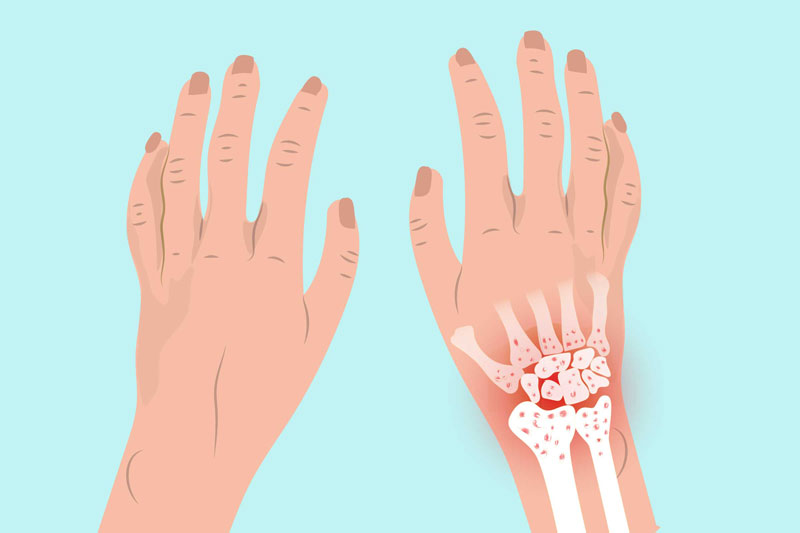
Hand numbness occurs when the nerves responsible for transmitting sensations are compressed, irritated, or damaged. This can result in feelings of tingling, pins and needles, burning sensations, weakness, or a loss of feeling in the fingers and hands.
The causes range from temporary and harmless conditions to more serious medical disorders.
1. Carpal Tunnel Syndrome
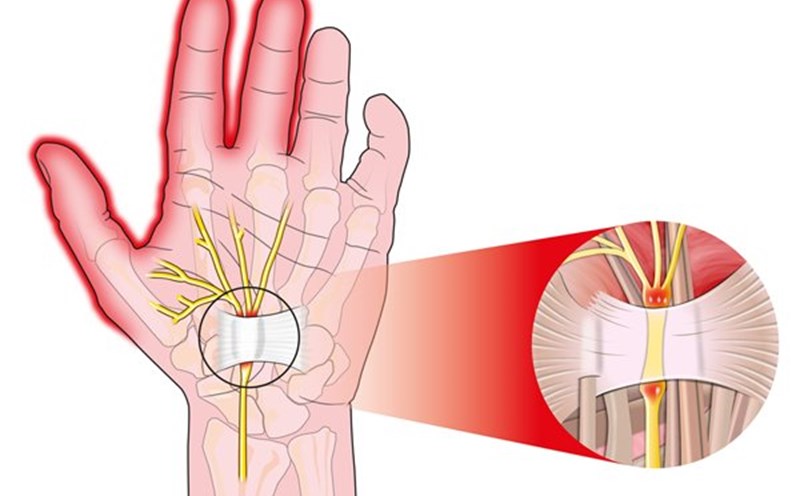
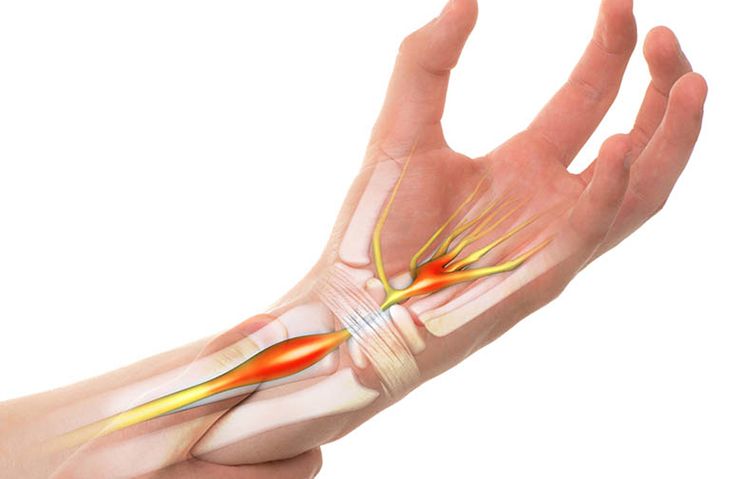
One of the most common causes of hand numbness is carpal tunnel syndrome.
This condition develops when the median nerve, which runs through a narrow passage in the wrist called the carpal tunnel, becomes compressed.
Common symptoms include:
- Numbness in the thumb, index finger, middle finger, and part of the ring finger
- Tingling sensations that may worsen at night
- Hand weakness
- Difficulty gripping objects
People who frequently perform repetitive hand movements, such as typing, using tools, or working on assembly lines, may be at higher risk.
2. Poor Circulation
Reduced blood flow to the hands can also lead to numbness and tingling.
Circulation problems may occur due to:
- Blood vessel disorders
- Smoking
- Cold temperatures
- Certain cardiovascular conditions
When blood supply is limited, the nerves and tissues in the hands may not receive enough oxygen, leading to temporary numbness.
If poor circulation is the cause, you may also notice cold hands, skin discoloration, or cramping.
3. Vitamin Deficiencies
Certain vitamins play a crucial role in maintaining healthy nerves.
Deficiencies in vitamins such as:
- Vitamin B12
- Vitamin B6
- Vitamin E
can contribute to nerve-related symptoms, including numbness and tingling in the hands and feet.
Vitamin B12 deficiency is particularly important because prolonged deficiency can cause permanent nerve damage if left untreated.
Other signs may include:
- Fatigue
- Weakness
- Difficulty concentrating
- Balance problems
4. Diabetes and Nerve Damage
High blood sugar levels over time can damage nerves throughout the body, a condition known as diabetic neuropathy.
Although symptoms often begin in the feet, they can also affect the hands.
Warning signs may include:
- Tingling sensations
- Burning pain
- Numbness
- Increased sensitivity to touch
- Muscle weakness
Proper blood sugar management can help reduce the risk of nerve complications.
5. Neck Problems and Pinched Nerves
Sometimes the problem isn't in the hand at all.
A herniated disc, arthritis, or other conditions affecting the cervical spine can compress nerves that travel from the neck to the arms and hands.
When this happens, symptoms may include:
- Hand numbness
- Tingling in the fingers
- Shoulder pain
- Neck discomfort
- Weakness in the arm
The pattern of symptoms often depends on which nerve is affected.
6. Repetitive Strain Injuries
Repeated hand and wrist movements can irritate nerves, tendons, and muscles.
People who spend long hours:
- Typing
- Gaming
- Using smartphones
- Operating machinery
may develop repetitive strain injuries that contribute to numbness and discomfort.
Taking regular breaks and maintaining proper ergonomics may help reduce the risk.
7. Autoimmune and Neurological Conditions
In some cases, hand numbness may be associated with autoimmune or neurological disorders.
Examples include:
- Multiple sclerosis
- Rheumatoid arthritis
- Lupus
- Guillain-Barré syndrome
These conditions can affect the nervous system directly or indirectly, leading to abnormal sensations in the hands and other parts of the body.
Although less common, these causes often require prompt medical evaluation.
When Should You Seek Medical Attention?
Occasional numbness that resolves quickly is usually not a cause for concern.
However, you should consider seeking medical advice if:
🚨 Numbness occurs frequently
🚨 Symptoms persist for days or weeks
🚨 You experience weakness in the hand or arm
🚨 Symptoms interfere with daily activities
🚨 Numbness spreads to other areas of the body
🚨 You have difficulty speaking, walking, or maintaining balance
Sudden numbness accompanied by facial drooping, confusion, or weakness on one side of the body may be a medical emergency and requires immediate attention.
Supporting Nerve and Hand Health
While treatment depends on the underlying cause, several healthy habits may help support nerve function:
✅ Maintain healthy blood sugar levels
✅ Eat a balanced diet rich in vitamins and minerals
✅ Stay physically active
✅ Avoid smoking
✅ Take breaks from repetitive activities
✅ Practice good posture
✅ Seek treatment for underlying medical conditions
Final Thoughts
Numb hands and tingling fingers are often dismissed as minor annoyances, but persistent symptoms should not be ignored. While the cause may be something as simple as temporary nerve compression, it could also signal circulation problems, vitamin deficiencies, diabetes, nerve disorders, or other medical conditions.
Paying attention to what your body is telling you can help identify potential issues early and support better long-term health. If symptoms become frequent, severe, or concerning, consulting a healthcare professional is the safest course of action.