Have you ever felt a strange tingling sensation in your fingers, almost as if tiny pins and needles were moving beneath your skin?
Maybe your hand suddenly feels numb after sleeping on it. Perhaps your fingers tingle while using your phone, typing at your computer, or driving. Sometimes the sensation disappears within a few minutes. Other times, it keeps coming back or gradually becomes more noticeable.
Occasional tingling can have a simple explanation. A nerve may have been temporarily compressed because of the position of your arm or wrist.
But persistent or recurring tingling shouldn't automatically be dismissed.
Numbness and tingling can have many possible causes, including nerve compression, repetitive movements, diabetes, vitamin deficiencies, neck problems, certain medications, and other neurological conditions.
The key is paying attention to when the tingling happens, where you feel it, how long it lasts, and whether other symptoms occur at the same time.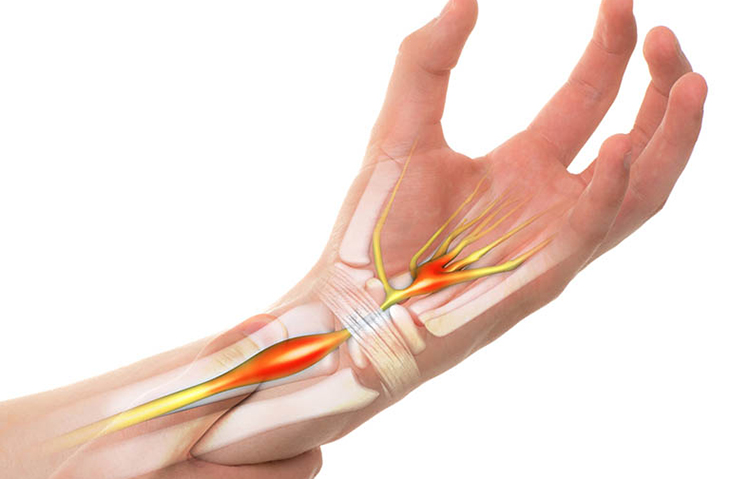
1. A Temporary Compressed Nerve
One of the simplest explanations is temporary pressure on a nerve.
You may experience this after sleeping with your arm in an awkward position or sitting in a way that puts pressure on your arm.
When the pressure is relieved, normal sensation usually returns.
This type of tingling is generally short-lived and doesn't necessarily indicate a serious health problem.
However, if the sensation repeatedly occurs without an obvious reason, it may be worth looking for an underlying cause.
2. Carpal Tunnel Syndrome
One of the most common causes of hand tingling is carpal tunnel syndrome.
It occurs when the median nerve becomes compressed as it passes through a narrow passageway in the wrist called the carpal tunnel. Symptoms can include numbness, tingling, and weakness in the hand.
A classic pattern involves the:
-
Thumb
-
Index finger
-
Middle finger
-
Part of the ring finger
The little finger is usually not affected.
Symptoms may become particularly noticeable at night. Some people wake up with numb hands and instinctively shake their wrists or hands because doing so temporarily relieves the sensation.
Certain repetitive activities can also make symptoms more noticeable, including prolonged phone use, driving, typing, or other activities involving repeated wrist movements.
If symptoms become persistent, carpal tunnel syndrome can eventually affect hand strength and function.
3. Nerve Problems Related to the Neck
Your hands are connected to nerves that originate from the spinal cord in your neck.
Problems involving the cervical spine can sometimes irritate or compress these nerves, potentially causing symptoms that travel from the neck or shoulder down the arm and into the hand.
Conditions such as cervical spondylosis and certain disc problems can be associated with numbness or tingling in the hands.
If your hand symptoms occur alongside neck pain, shoulder discomfort, arm pain, or weakness, that combination may provide an important clue.
4. Diabetes and Peripheral Neuropathy
Another possible cause is peripheral neuropathy, a condition involving damage or dysfunction of nerves outside the brain and spinal cord.
Diabetes is one of the medical conditions associated with peripheral nerve problems. Interestingly, diabetic neuropathy often begins in the feet before affecting the hands.
People with peripheral nerve problems may experience:
-
Tingling
-
Numbness
-
Burning sensations
-
Increased sensitivity
-
Pain
-
Weakness
Symptoms can gradually develop and may affect both sides of the body.
If you have diabetes and notice persistent tingling in your hands or feet, it is worth discussing the symptoms with a healthcare professional.
5. Vitamin B12 Deficiency
Your nerves require certain nutrients to function properly.
Vitamin B12 deficiency is among the conditions associated with numbness and tingling.
A deficiency can sometimes produce neurological symptoms, meaning unexplained tingling shouldn't always be attributed to posture, aging, or overuse.
If tingling persists, a healthcare professional may consider your medical history and determine whether blood testing is appropriate.
It's also important not to start taking high-dose supplements simply because you experience tingling. The right treatment depends on the underlying cause.
6. Repetitive Hand and Wrist Movements
Think about how much time you spend using your hands every day.
Typing.
Scrolling.
Gaming.
Using a mouse.
Holding a phone.
Driving.
Working with tools.
Repeated movements can contribute to irritation or compression of nerves, particularly around the wrist and elbow.
If you notice that your tingling consistently appears during or after a particular activity, that pattern is worth paying attention to.
Mayo Clinic specifically recommends medical evaluation when numbness appears related to particular tasks or repetitive movements.
7. Pressure on a Nerve Near the Elbow
Not every hand-tingling problem originates at the wrist.
The ulnar nerve passes around the inside of the elbow. When this nerve becomes compressed or irritated, symptoms can develop in parts of the hand, particularly around the ring and little fingers.
You may notice symptoms after keeping your elbow bent for long periods or repeatedly leaning on your elbow.
This is another reason the specific fingers that become numb or tingly can matter.
The location of the sensation can help a healthcare professional determine which nerve may be involved.
8. Circulation and Cold Temperatures
Sometimes tingling can occur alongside changes in blood flow.
Cold temperatures can cause the blood vessels in the fingers to narrow, making the fingers feel cold, numb, or uncomfortable.
Some people experience a condition called Raynaud's disease or Raynaud's phenomenon, in which fingers or toes can change color and become numb or tingly in response to cold or stress.
If your fingers repeatedly become unusually cold or change color along with the tingling, mention this pattern to your healthcare professional.
9. Certain Medications or Medical Treatments
Nerve symptoms can sometimes occur as a side effect of medications or medical treatments.
Mayo Clinic lists certain chemotherapy drugs and some HIV medications among possible causes associated with numbness.
If your symptoms began after starting a new medication or treatment, don't stop the medication on your own.
Instead, tell the prescribing healthcare professional about the change.
They can determine whether the medication could be contributing to the symptoms and whether any adjustment is appropriate.
10. Injuries Can Also Affect Nerves
An injury involving your wrist, arm, shoulder, or neck can sometimes damage, stretch, compress, or irritate a nerve.
This can happen after a fall, accident, sports injury, or other trauma.
Peripheral nerve injuries can cause numbness, tingling, pain, weakness, or difficulty controlling certain muscles.
If tingling develops after an injury—especially when accompanied by weakness or loss of sensation—it deserves medical attention.
When Is Tingling Something to Take Seriously?
The most important factor isn't simply whether your hands tingle.
It's the pattern.
Consider asking yourself:
Did it start suddenly or gradually?
Does it affect one hand or both?
Which fingers are involved?
Does it happen mostly at night?
Does a particular activity trigger it?
Does it disappear after changing position?
Is there pain or weakness?
Is the tingling spreading to other parts of your body?
These details can help distinguish a temporary positional problem from a symptom that deserves further evaluation.
Mayo Clinic recommends seeing a healthcare professional when numbness or tingling persists, worsens gradually, spreads, affects both sides, repeatedly comes and goes, or appears connected to specific activities.
Don't Ignore Sudden Numbness
There is one situation where you shouldn't wait and see what happens.
If numbness or tingling starts suddenly, particularly when it occurs with weakness, paralysis, confusion, difficulty speaking, dizziness, or a sudden severe headache, seek emergency medical attention.
These symptoms can be signs of a stroke.
Stroke symptoms can include sudden numbness or weakness of the face, arm, or leg, particularly on one side of the body. Other warning signs include difficulty speaking, vision problems, trouble walking, loss of balance, and a sudden severe headache.
A useful way to remember some major stroke warning signs is FAST:
F — Face: Does one side of the face droop?
A — Arms: Does one arm become weak or drift downward?
S — Speech: Is speech slurred, strange, or difficult?
T — Time: Seek emergency medical help immediately.
Even if the symptoms disappear after a short time, they should not simply be ignored.
What Can You Do If Your Hands Keep Tingling?
If your symptoms are mild and clearly connected to a particular position or activity, start paying attention to the trigger.
Avoid keeping your wrist or elbow in one position for prolonged periods.
Take regular breaks during repetitive activities.
Pay attention to your posture when using a computer or phone.
Avoid putting prolonged pressure on your elbows or wrists.
However, these measures shouldn't replace medical evaluation when symptoms persist or worsen.
A healthcare professional may ask about your symptoms, medical history, medications, injuries, and daily activities. Depending on the situation, additional testing may be needed to identify the cause.
The Bottom Line
Tingling in your hands can be caused by something as simple as sleeping in an awkward position.
But recurring symptoms can have many possible explanations, including carpal tunnel syndrome, nerve compression, diabetes-related neuropathy, neck problems, vitamin B12 deficiency, injuries, circulation-related conditions, and medication effects.
That's why the best approach isn't to panic—but it isn't to ignore persistent symptoms either.
Pay attention to the pattern.
Notice which fingers are affected.
Think about when the symptoms occur.
Watch for weakness, pain, spreading numbness, or other neurological symptoms.
And most importantly, seek urgent medical attention if sudden numbness occurs with signs such as weakness, facial drooping, confusion, difficulty speaking, dizziness, or a severe headache.
Your hands may not always be telling you that something is seriously wrong.
But when tingling keeps coming back, they may be giving you a reason to pay closer attention to your health.