Small red dots or spots on the skin are surprisingly common and can appear for many different reasons. Some are completely harmless and related to aging, irritation, or minor allergies, while others may occasionally signal infections, blood vessel changes, skin conditions, or underlying health concerns.
Because red spots vary in size, shape, color, texture, and location, it is not always easy to determine the cause without medical evaluation. In many cases, the spots disappear on their own. However, certain symptoms - such as pain, spreading, bleeding, fever, or sudden appearance — may require professional attention.
Understanding the possible causes of red dots on the skin may help people recognize when a condition is harmless and when it may be important to seek medical advice.

Why Red Dots Appear on the Skin
The skin contains tiny blood vessels, immune cells, oil glands, hair follicles, and connective tissue.
Red spots may appear when:
- Blood vessels become irritated or damaged
- The immune system reacts to something
- Inflammation develops
- Allergic reactions occur
- Skin infections appear
Some red dots remain flat, while others may become raised, itchy, painful, or scaly.
1. Cherry Angiomas
Cherry angiomas are one of the most common harmless causes of small red spots on the skin.
These tiny red or purple bumps form due to clusters of small blood vessels near the skin surface.
They often:
- Appear with age
- Develop on the chest, arms, or back
- Remain painless
- Stay stable for years
Cherry angiomas are usually harmless and very common in adults over 30.
Some people develop only a few, while others may have many.
2. Petechiae
Petechiae are tiny pinpoint red or purple dots caused by bleeding under the skin.
Unlike some rashes, petechiae usually:
- Do not blanch when pressed
- Appear flat
- Occur suddenly
Possible causes may include:
- Intense coughing
- Physical strain
- Certain infections
- Blood clotting problems
- Medication side effects
Although petechiae are sometimes harmless, widespread or unexplained petechiae should be medically evaluated.
3. Heat Rash
Heat rash develops when sweat becomes trapped beneath the skin.
It commonly occurs during:
- Hot weather
- Excess sweating
- Tight clothing
- Humid environments
Symptoms may include:
- Small red bumps
- Itching
- Prickling sensations
Heat rash often appears on:
- Neck
- Chest
- Back
- Skin folds
Cooling the skin and reducing sweating usually helps symptoms improve.
4. Allergic Reactions
Allergies may trigger red spots or rashes on the skin.
Common triggers include:
- Foods
- Medications
- Cosmetics
- Soaps
- Insect bites
- Plants
Allergic skin reactions may cause:
- Itching
- Swelling
- Hives
- Red patches
Some allergic reactions are mild, while severe reactions involving breathing problems require emergency care.
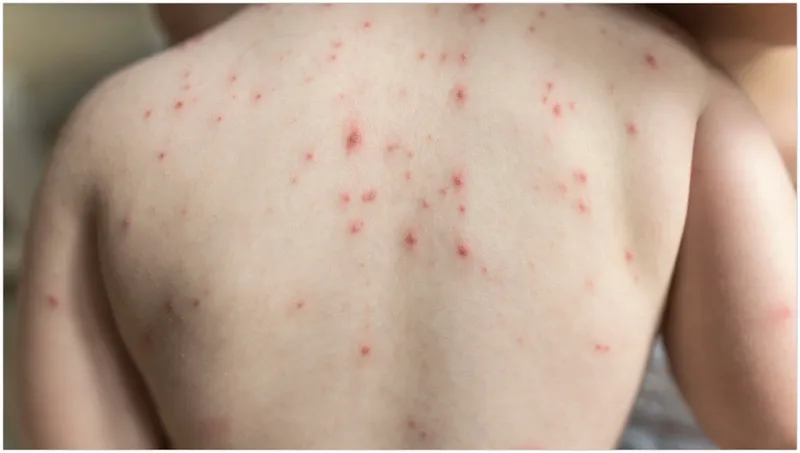
5. Folliculitis
Folliculitis occurs when hair follicles become inflamed or infected.
It may look like:
- Small red pimples
- White-headed bumps
- Irritated skin around hair follicles
Common causes include:
- Friction
- Sweating
- Bacteria
- Shaving irritation
Folliculitis often affects:
- Legs
- Chest
- Back
- Beard area
Mild cases may improve with hygiene and skin care.
6. Eczema and Skin Irritation
Eczema is a common inflammatory skin condition.
Symptoms may include:
- Red patches
- Dry skin
- Itching
- Small bumps
- Flaking
Triggers may include:
- Dry weather
- Stress
- Irritants
- Allergies
Skin irritation from soaps, detergents, or fabrics may also cause temporary red spots.
7. Psoriasis
Psoriasis is a chronic immune-related skin condition.
It often causes:
- Red raised patches
- Silvery scales
- Dry skin
- Itching
Psoriasis commonly affects:
- Elbows
- Knees
- Scalp
- Lower back
Symptoms may come and go over time.
8. Insect Bites
Mosquitoes, fleas, bed bugs, and other insects may leave small red bumps on the skin.
Bites often cause:
- Itching
- Swelling
- Clusters of red spots
Some insect bites may trigger stronger allergic reactions in sensitive individuals.
9. Viral or Bacterial Infections
Certain infections may produce red skin spots or rashes.
Examples include:
- Chickenpox
- Measles
- Scarlet fever
- Hand-foot-and-mouth disease
Infections may also involve:
- Fever
- Fatigue
- Sore throat
- Body aches
Rashes accompanied by systemic symptoms should be medically evaluated.
10. Broken Blood Vessels
Tiny blood vessels near the skin surface may sometimes break due to:
- Aging
- Sun exposure
- Physical strain
- Injury
These spots may appear red, purple, or spider-like.
They are usually harmless but may become more common with age.
When Red Spots May Need Medical Attention
Many skin spots are harmless, but some warning signs should not be ignored.
Medical evaluation may be important if red spots:
- Spread rapidly
- Become painful
- Bleed easily
- Change appearance
- Develop with fever
- Cause severe itching
- Appear suddenly without explanation
Persistent skin changes should always be monitored carefully.
The Importance of Skin Observation
The skin often reflects internal health and environmental exposure.
Paying attention to:
- Color changes
- New growths
- Texture changes
- Persistent rashes
may help identify potential issues earlier.
Regular skin observation is especially important for people with:
- Allergies
- Chronic skin conditions
- Immune disorders
- Family history of skin disease
Lifestyle Habits That Support Healthy Skin
Healthy skin depends on many factors beyond skincare products alone.
Helpful habits include:
- Staying hydrated
- Eating balanced nutrition
- Getting enough sleep
- Protecting skin from excess sun
- Managing stress
- Avoiding harsh irritants
Skin health often reflects overall body health.
Avoiding Self-Diagnosis Online
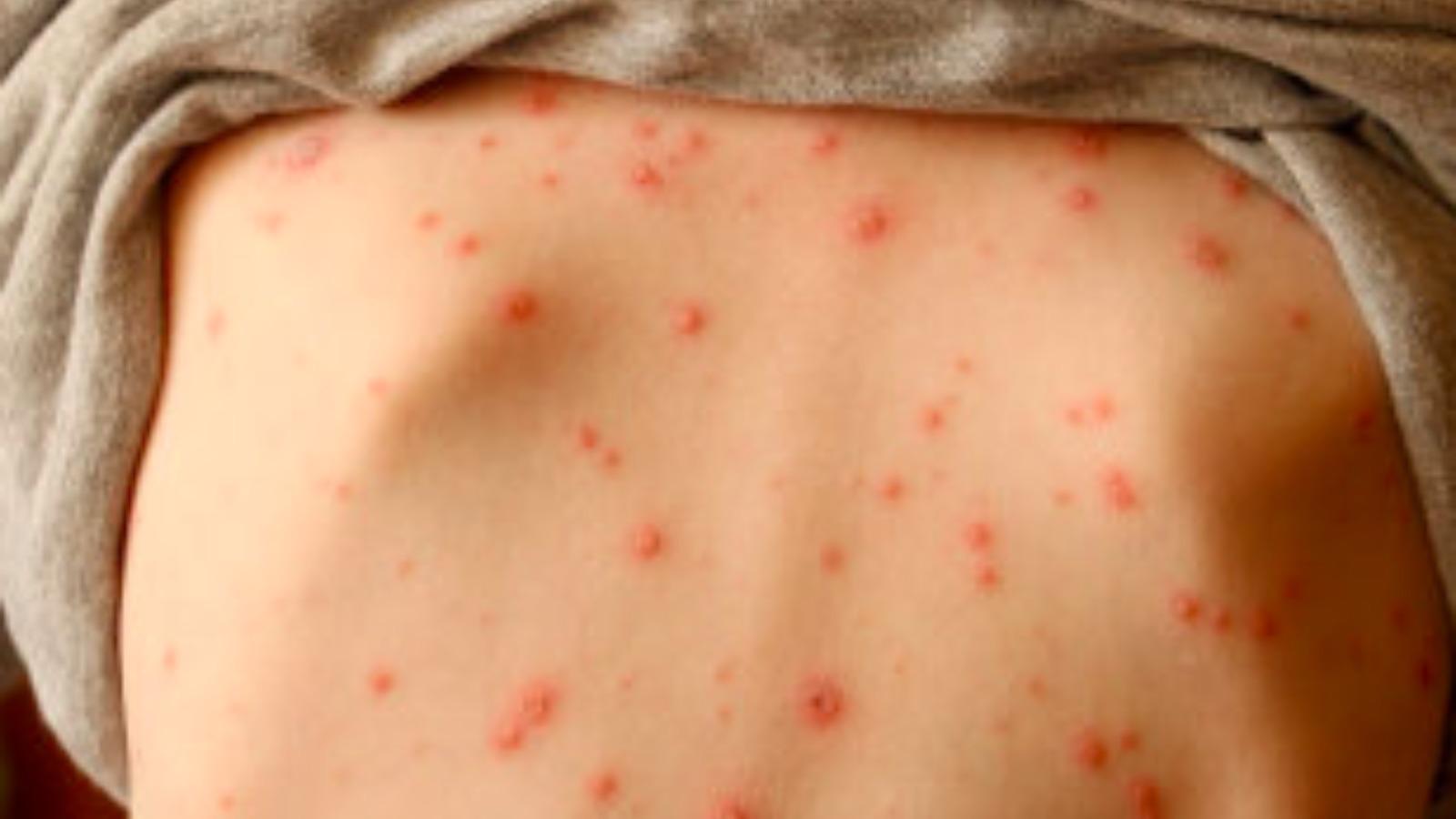
Many online posts create fear by suggesting every skin spot signals serious disease.
In reality:
- Most red spots are harmless
- Skin conditions often look similar
- Proper diagnosis may require medical examination
Avoiding panic while staying aware is important.
The Role of Aging in Skin Changes
As people age, skin naturally changes.
Older adults may notice:
- More visible blood vessels
- Increased skin sensitivity
- New harmless growths
- Slower healing
Not every new skin spot is dangerous, but persistent changes deserve attention.
Final Thoughts
Red dots on the skin may appear for many different reasons, ranging from harmless cherry angiomas and heat rash to allergies, irritation, infections, or blood vessel changes. Most causes are not serious, but persistent, painful, spreading, or unexplained spots should never be ignored.
The skin often provides important clues about what is happening inside the body, and paying attention to unusual changes may help people recognize problems earlier.
Sometimes even small marks on the skin can tell a larger story about overall health and well-being.