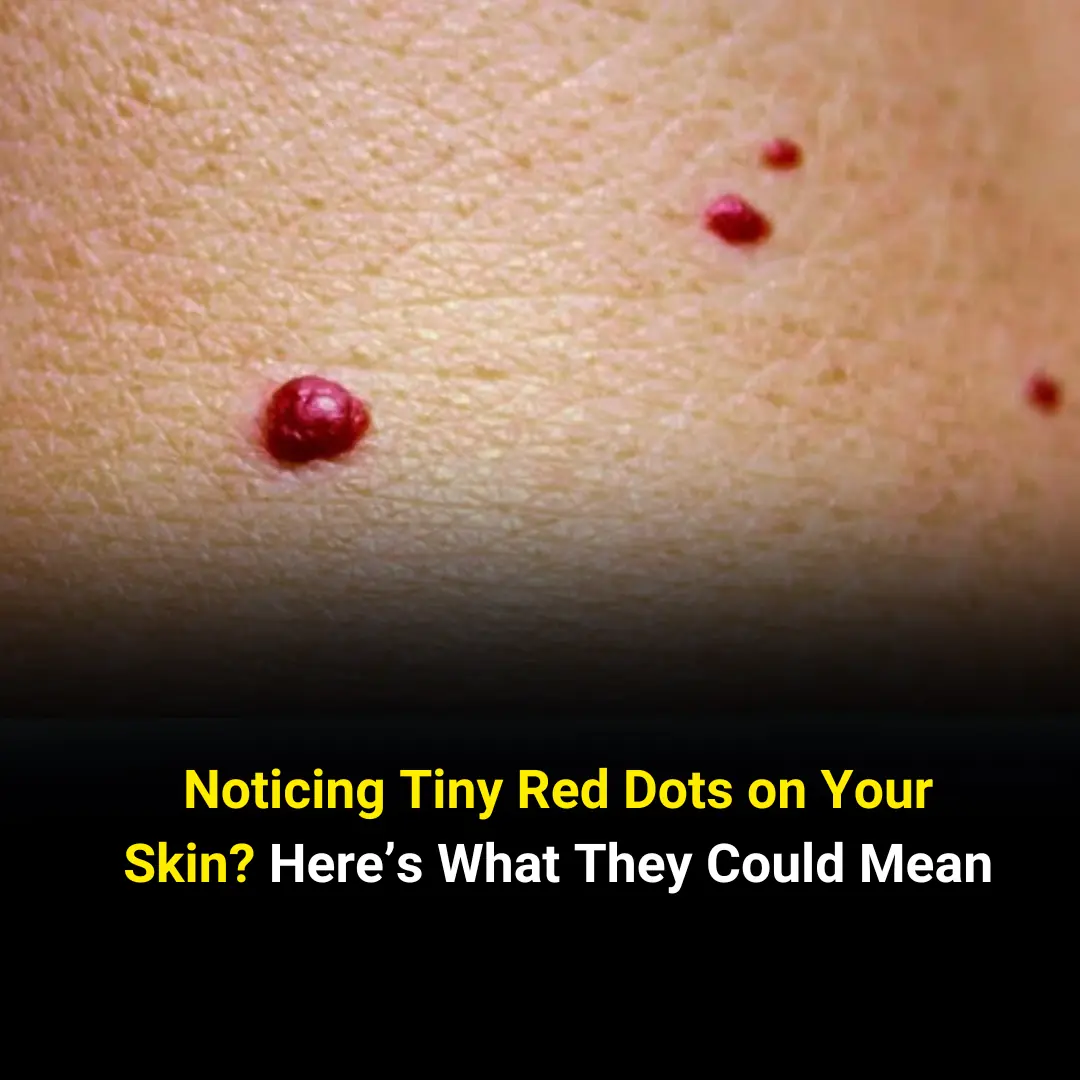
Noticing red dots on your skin can be alarming. These tiny marks may appear suddenly, or develop slowly over time. While some are harmless and simply cosmetic, others can signal underlying health conditions that require attention. Understanding the possible causes is the first step toward knowing whether you need medical evaluation or simple reassurance.
Common Causes of Red Dots on the Skin
1. Cherry Angiomas
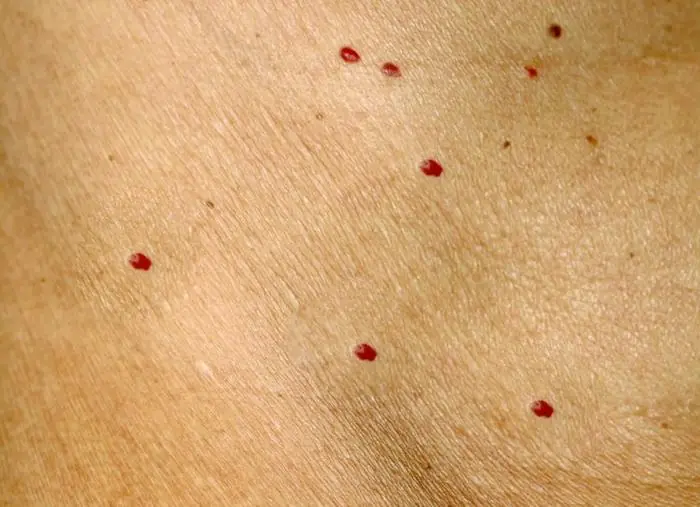
Cherry angiomas are one of the most common reasons for red dots on the skin. These are small, benign (noncancerous) growths made up of tiny blood vessels. They usually appear bright red, round, and can range from pin-sized to several millimeters wide. They are especially common in people over 30 and are generally harmless, although they can bleed if scratched.
2. Petechiae
Petechiae are tiny red or purple dots caused by bleeding under the skin. Unlike rashes, they don’t blanch (turn white) when you press on them. Petechiae can occur due to minor trauma, but they may also signal serious issues such as infections, low platelet count, or clotting disorders. If petechiae appear suddenly and are widespread, it’s important to seek medical care immediately.
3. Rashes and Skin Irritation

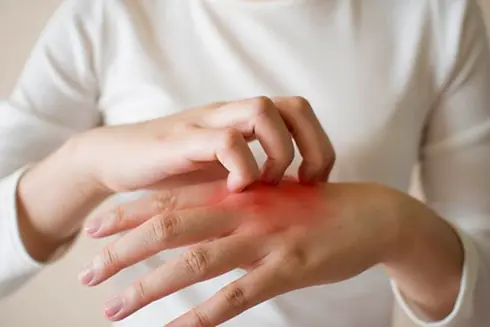
Sometimes, red dots are simply part of a rash caused by allergic reactions, eczema, or contact dermatitis. In these cases, the dots may be accompanied by itching, dryness, or swelling. Identifying and avoiding the trigger, such as a specific soap, detergent, or food, often helps reduce symptoms.
4. Keratosis Pilaris
Known as “chicken skin,” keratosis pilaris is a common skin condition that causes tiny red or flesh-colored bumps, often on the arms, thighs, or cheeks. It’s caused by a buildup of keratin blocking hair follicles. While harmless, it can be persistent. Moisturizing creams and exfoliation may help reduce its appearance.
5. Heat Rash
Heat rash develops when sweat ducts become blocked, leading to tiny red dots or bumps that can feel prickly or itchy. It’s common in hot, humid conditions or after exercise. Usually, heat rash clears up on its own once the skin cools down.
6. Infections
Certain bacterial or viral infections can cause red spots on the skin. For example, strep throat may lead to a rash with red dots, while viral illnesses such as chickenpox or measles present with characteristic red spots. If red dots appear along with fever, sore throat, or fatigue, medical evaluation is necessary.
7. Vascular or Autoimmune Conditions
Conditions that affect the blood vessels, such as vasculitis, can lead to clusters of red dots. Autoimmune diseases like lupus may also cause rashes that include red or purple spots. These conditions are often associated with other symptoms such as joint pain, fatigue, or swelling.
8. Side Effects of Medications
Some medications, especially blood thinners or antibiotics, may cause red dots or spots as a side effect. These may look like bruises or pinpoint bleeding. If this occurs after starting a new medication, it’s important to consult a healthcare provider.
When to See a Doctor
While many causes of red dots are harmless, it’s important to know when they might signal something more serious. Seek medical help if you notice:
-
Sudden appearance of many red dots without explanation
-
Red dots accompanied by fever, headache, or sore throat
-
Dots that don’t fade when pressed
-
Rapid spreading or bleeding spots
-
Red dots along with unexplained fatigue or joint pain
How to Manage Red Dots
-
For benign causes (like cherry angiomas): No treatment is required unless removal for cosmetic reasons.
-
For rashes and irritation: Moisturizers, soothing creams, and avoiding irritants help.
-
For heat rash: Keep the skin cool and dry.
-
For keratosis pilaris: Regular exfoliation and hydration can improve appearance.
-
For serious conditions: Medical evaluation and treatment are essential, especially if linked to infections or blood disorders.
Final Thoughts
Red dots on your skin can mean many different things - from harmless age-related changes to warning signs of deeper health issues. While most cases are minor and don’t require treatment, being aware of potential underlying causes can help you act quickly when necessary. If you’re ever uncertain about new or unusual red spots on your skin, it’s always best to consult a healthcare professional.