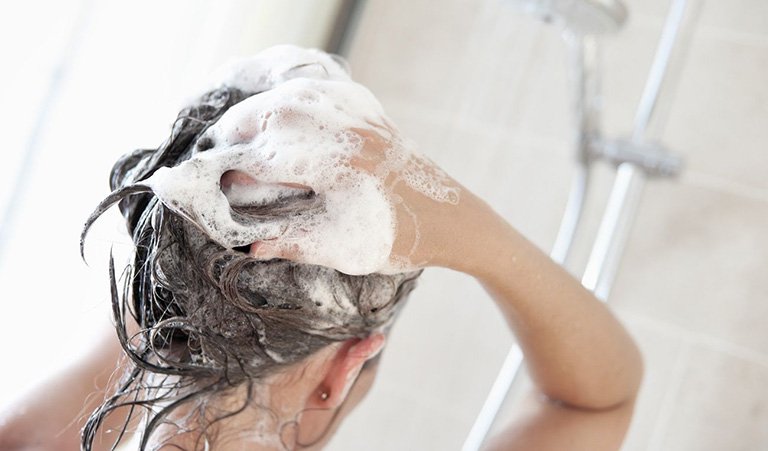
Healthy, thick, and fast-growing hair is something many people wish for, but achieving it requires more than good genetics. Your daily habits, diet, scalp health, and even stress levels play major roles in how your hair grows. While there is no magical overnight solution for longer hair, the right combination of care, nutrition, and lifestyle changes can significantly improve your hair’s growth rate and thickness.
Below are powerful, science-backed tips to help your hair grow faster, stronger, and fuller.
1. Nourish Your Body With Hair-Boosting Nutrients
Your hair is a direct reflection of your nutrition. When your body lacks essential vitamins and minerals, hair becomes thin, brittle, and slow to grow.
Key nutrients for fast hair growth:
• Biotin (Vitamin B7): Strengthens keratin, the main protein in hair
• Vitamin D: Helps create new hair follicles
• Iron: Prevents hair thinning and fatigue
• Omega-3 fatty acids: Nourish hair and reduce inflammation
• Zinc: Helps with hair tissue repair
• Protein: Essential for building strong hair strands
What to eat:
Eggs, salmon, sweet potatoes, leafy greens, nuts, seeds, avocados, beans, yogurt, and lean meats.
If needed, consider supplements—but only after consulting with a doctor.

2. Take Care of Your Scalp — It’s the Foundation of Hair Growth
A healthy scalp creates the ideal environment for hair to grow quickly.
How to support scalp health:
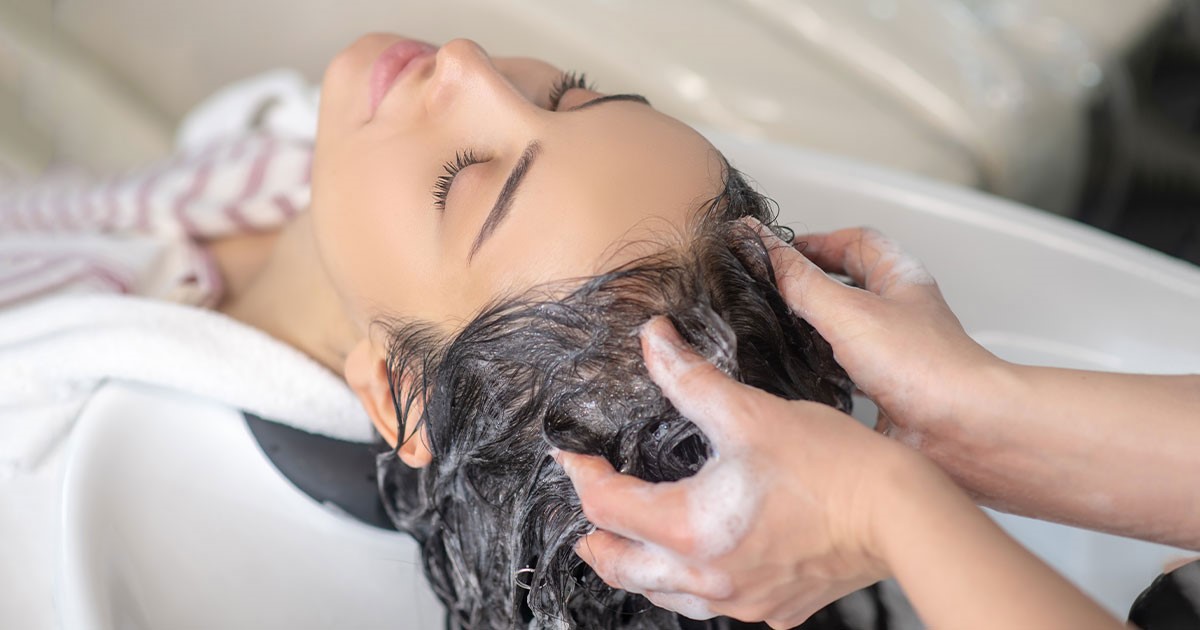
• Massage your scalp daily
Scalp massages increase blood circulation, delivering more nutrients to hair follicles.
• Exfoliate your scalp once a week
This removes dead skin cells, oil buildup, and product residue that may block growth.
• Avoid dandruff and irritation
Conditions like dandruff or fungal infections weaken hair roots.
A clean, balanced scalp can significantly accelerate hair growth.
3. Reduce Heat Styling and Chemical Damage
Heat styling tools—blow dryers, straighteners, and curling irons—can weaken hair over time.
Why this matters:
Damaged hair breaks easily, never reaching its full length.
Tips:
• Limit heat styling to 1–2 times a week
• Use a heat protectant spray
• Choose lower heat settings
• Let hair air-dry whenever possible
Chemical treatments like bleaching, perming, or dyeing should be minimized to protect your hair’s natural strength.
4. Avoid Tight Hairstyles That Pull on the Hair
Constant tension on the hair can cause traction alopecia, a type of hair loss caused by pulling.
Avoid:
• Tight ponytails
• Braids done too tightly
• Buns that strain the hairline
• Heavy hair extensions
Do instead:
Opt for loose hairstyles and use soft hair ties to reduce breakage.
5. Trim Your Hair Regularly to Prevent Split Ends
Although trimming doesn’t directly make hair grow faster, it prevents split ends from traveling up the hair shaft.
Benefits of trimming every 8–12 weeks:
• Reduces frizz
• Prevents breakage
• Helps maintain thickness
• Keeps hair healthy enough to grow longer
Healthy ends = longer hair in the long run.
6. Use Hair Oils and Treatments to Strengthen Strands
Hair oils nourish, protect, and strengthen hair from root to tip.
Best oils for hair growth:
• Castor oil: Rich in ricinoleic acid, boosts circulation
• Coconut oil: Penetrates hair shaft to prevent breakage
• Argan oil: Adds shine and moisture
• Rosemary oil: Scientifically shown to improve new hair growth
Apply oil 1–2 times per week and massage gently into the scalp.
7. Choose the Right Hair Care Products
Harsh shampoos strip the hair of natural oils.
Look for:
• Sulfate-free shampoos
• Silicone-free conditioners
• Nourishing ingredients like keratin, collagen, niacinamide, and aloe vera
Avoid overwashing your hair—2–3 times per week is ideal for most people.
8. Stay Hydrated — Moisture Matters
Hair becomes brittle and prone to breakage when the body is dehydrated.
Tip:
Drink at least 6–8 glasses of water daily and eat water-rich foods like cucumber, oranges, and melons.
Hydrated hair = flexible, shiny, and harder to break.
9. Reduce Stress — One of the Biggest Causes of Hair Loss
Stress can trigger telogen effluvium, a condition where hair sheds excessively.
How to reduce stress:
• Exercise regularly
• Practice deep breathing or meditation
• Get enough sleep
• Spend time in nature
Managing stress alone can significantly improve hair growth within weeks to months.
10. Consider Professional Treatments (If Needed)
If you’re struggling with thinning hair or slow growth, professional options are available:
• PRP (Platelet-Rich Plasma) therapy
• Red light (laser) therapy
• Microneedling
• Dermatologist-prescribed topical treatments
These can stimulate hair follicles and encourage new growth.
Final Thoughts
Getting longer, thicker hair is absolutely possible with consistency and the right approach. By nourishing your body, caring for your scalp, avoiding damage, and choosing healthy lifestyle habits, you can create the perfect environment for faster hair growth.
Hair grows differently for everyone - but with patience and proper care, you’ll see noticeable improvement in strength, thickness, and length.