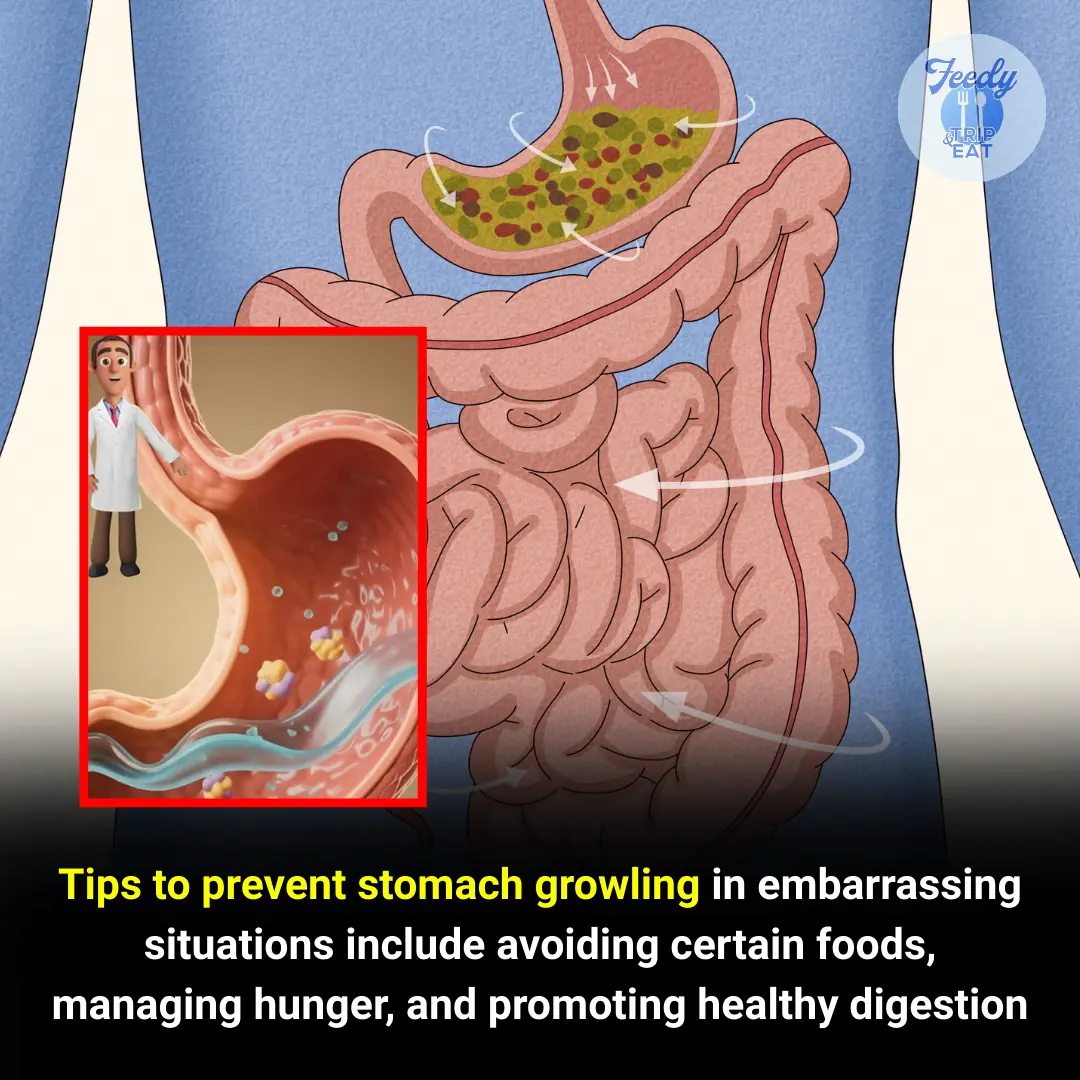
Tips to prevent stomach growling in embarrassing situations include avoiding certain foods, managing hunger, and promoting healthy digestion. While the noises are normal, you can take steps to minimize them.
Viral Strange will list 12 tips to help you stop your stomach growling.
1. After your meal, take a walk.

A short 15-minute walk can help stimulate digestion by getting food moving through your stomach. It’s best to keep the exercise light to avoid nausea, and it can be done during a work break or after dinner.
2. Drink plenty of water.

Drinking water during or after a meal aids digestion, but don’t drink too much at once to avoid stomach growling. Opt for filtered or bottled water to avoid chlorine which may cause gut irritation.
3. Drink some herbal tea.
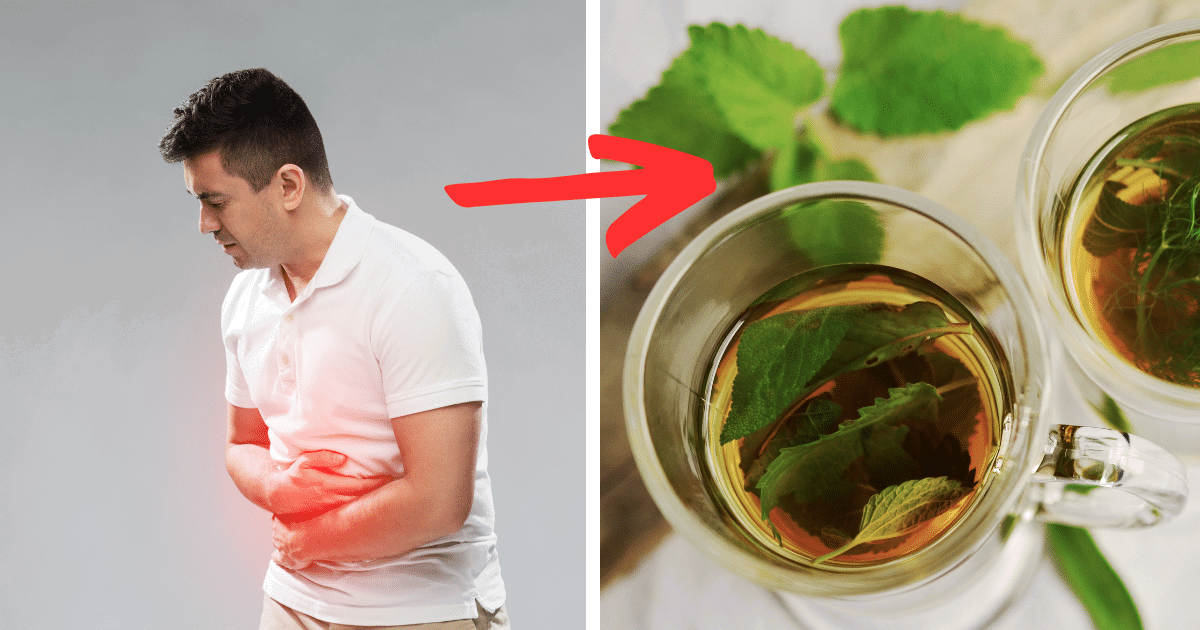
Peppermint, ginger, dandelion root, fennel, and senna are herbal teas that can aid digestion and relax intestinal muscles. Chamomile helps with stomach cramps, ginger reduces bloating, and peppermint eases gastrointestinal stress. These teas can be consumed post-meal or in the evening.
4. Eat slower.

To minimize stomach noises, chew food slowly and avoid swallowing excess air. Focus on smaller, well-chewed pieces of food that are easier to digest.
5. Determine whether you consume foods that cause gas.
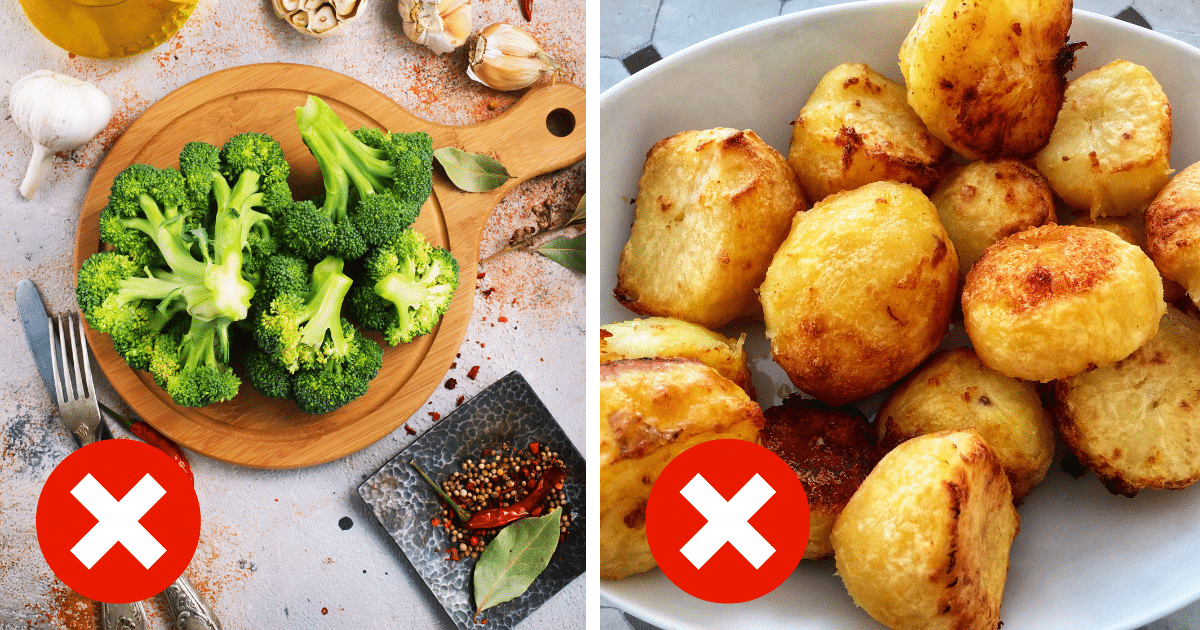
Although foods such as beans, lentils, and vegetables like broccoli and cabbage may promote intestinal gas, they don’t need to be eliminated from your diet entirely. Instead, reducing the amount and frequency of consumption can help.
6. Reduce excess sugar.

Consuming large amounts of sugar can cause your intestines to produce excess gas, leading to diarrhea, flatulence, and stomach noises. Similarly, fatty foods such as bacon, sausage, and deep-fried foods can cause bloating and discomfort.
7. Try garlic.
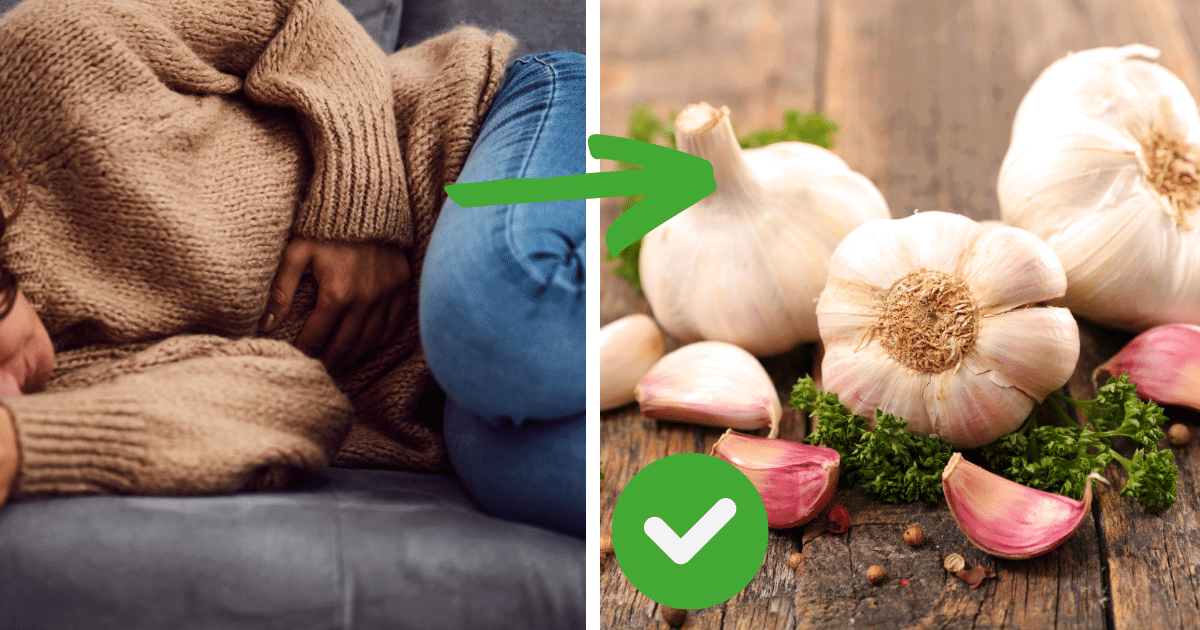
Allicin, a component found in garlic, can alleviate gastritis symptoms, which include a rumbling stomach and belching. Eating raw garlic in the morning can help lower stomach inflammation, but start with small portions if you’re not used to it.
8. Incorporate digestion-friendly foods into your regular diet.

To improve digestion and reduce stomach growling, you may add plain yogurt, quinoa, chia seeds, beets, ginger, kimchi, salmon, and bone broth to your diet. Additionally, staying hydrated and consuming filling meals regularly (while avoiding overeating) can be helpful.
9. Have small snacks.

If your stomach is making noise due to hunger, eat a small, healthy snack such as fruits, cut veggies, or nuts to deal with the issue. Be sure to keep some on hand at all times.
10. Consider swapping coffee for green tea.
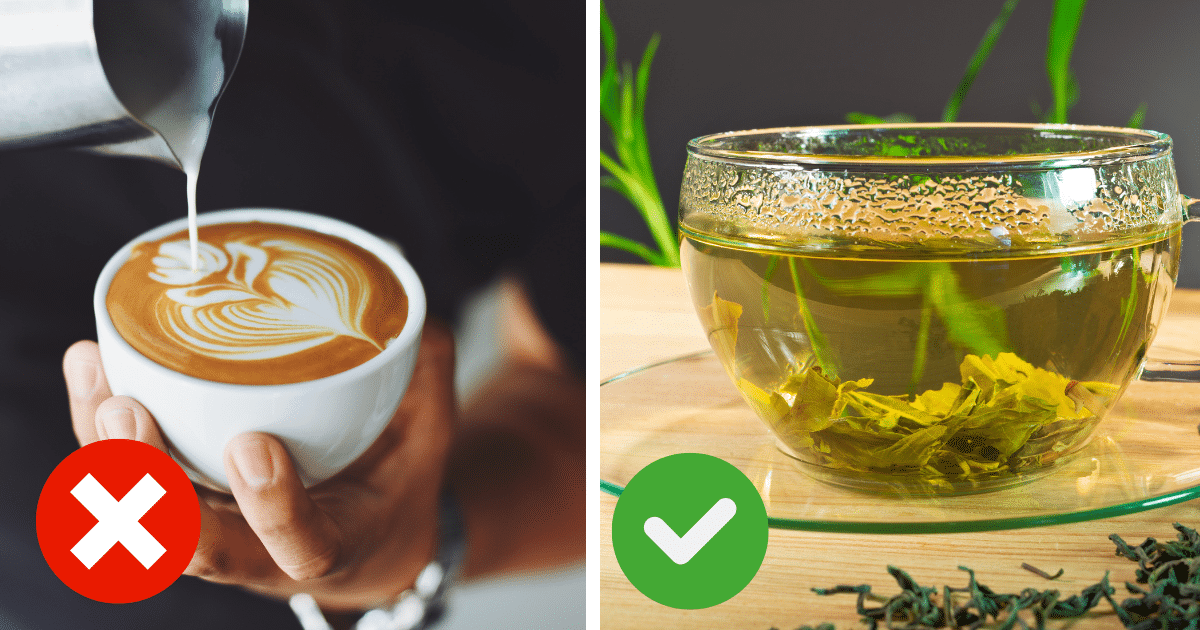
Green tea is a healthier alternative to coffee that can ease bloating, remove abdominal gas, and help stomach ulcers. While it contains caffeine for an extra energy boost, it also boasts healthy bioactive compounds and antioxidants.
11. Know your food intolerances.
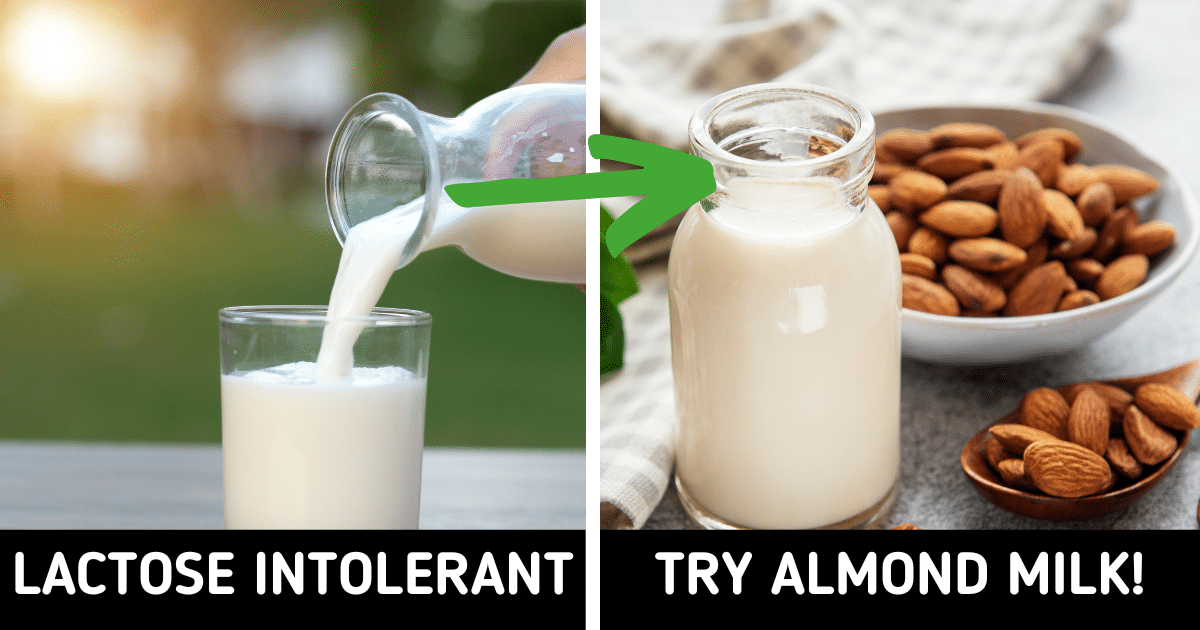
Unbeknownst to you, certain food items you consume may be responsible for stomach discomfort. Consider consulting with your doctor to diagnose food intolerances, allergies, or infections that could be causing the issue. It’s always best to seek medical advice.
12. Do more sports.

Many of us have sedentary lifestyles due to work or study, leading to stomach issues. Incorporating exercises like yoga, jogging, or simple workouts into your routine can alleviate these problems alongside a healthy diet and stress management.
Did you find these tips helpful? What other can you add to the list? Let us know in the comments.