Since your feet contain thousands of nerves, blood vessels, and connective tissues, changes here can reflect what’s going on deep inside your body - sometimes signaling serious conditions that need urgent medical attention.
When your internal organs struggle, your feet sometimes tell the truth before the rest of your body catches up. Below are major foot-related warning signs you should never ignore.
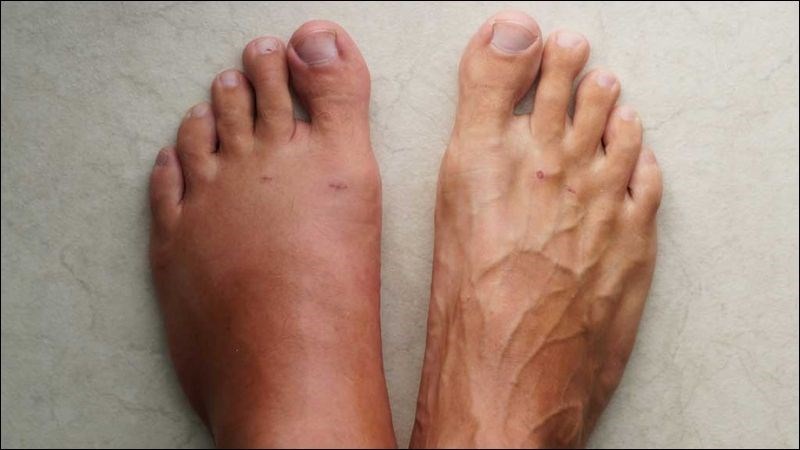
1. Severe Swelling (Edema)
If your feet suddenly swell - especially both at the same time - your body might be sending an urgent message.
Possible Organ Issues:
-
Kidney problems: When kidneys can’t filter fluid properly, fluid builds up in your legs and feet.
-
Heart failure: The heart struggles to pump blood, causing fluid to collect in the lower extremities.
-
Liver disease: Low albumin levels lead to fluid leakage into tissues.
When to seek help immediately:
-
Swelling appears suddenly
-
You have shortness of breath, chest discomfort, or fatigue
-
The swelling is painful or gets worse quickly
2. Cold, Pale, or Blue Feet
If your feet look unusually pale or bluish (cyanotic), it may indicate poor blood circulation.
Possible Organ Issues:
-
Heart problems: Poor pumping reduces blood flow to extremities.
-
Lung disease: Low oxygen levels cause discoloration.
-
Peripheral artery disease (PAD): Blocked arteries reduce blood supply.
Emergency signs:
-
One foot is suddenly cold and pale
-
You feel numbness or severe pain
-
The color does not return after warming
This could signal a blocked artery — a medical emergency.

3. Burning, Tingling, or Numbness
Your feet constantly feeling like they’re “asleep” is not normal.
Possible Organ Issues:
-
Diabetes: One of the earliest signs is nerve damage (diabetic neuropathy).
-
Kidney failure: Toxins build up and damage nerves.
-
Vitamin deficiencies linked to gut or liver problems.
Go to the hospital if:
-
The sensation spreads quickly
-
You lose the ability to feel heat or pain
-
You have diabetes and suddenly get new numbness

4. Sudden Foot Pain Without Injury
Sharp, unexplained pain in your feet can reflect internal organ stress.
Possible Organ Issues:
-
Gout (linked to kidney problems): Uric acid builds up and crystallizes in joints, often starting in the big toe.
-
Liver issues: Can cause joint inflammation.
-
Blood clots: If a clot travels to the leg, you may feel deep pain.
Emergency red flag:
Intense pain, swelling, and a warm/red area could indicate a clot → urgent medical care needed.
5. Yellow, Thickened, or Brittle Nails
Your toenails can expose internal organ conditions long before symptoms appear elsewhere.
Possible Organ Issues:
-
Liver problems: Affect nail color and texture.
-
Lung disease: Yellow nail syndrome is linked to respiratory issues.
-
Immune disorders: Cause fungal overgrowth or poor nail growth.
Seek medical attention if:
-
Nail color suddenly changes
-
Nails grow extremely slowly
-
Nails become thick, curved, and crumbly without injury
6. Persistent Wounds That Don’t Heal
A small cut on your foot that refuses to heal is a major health warning.
Possible Organ Issues:
-
Diabetes: High blood sugar damages blood vessels, preventing healing.
-
Peripheral artery disease: Reduced blood flow means wounds cannot close.
-
Immune dysfunction: Linked to issues in the spleen or lymphatic system.
Emergency signs:
-
Wound worsening after 24–48 hours
-
Foul smell, pus, spreading redness
-
Fever combined with a foot wound
These symptoms can progress to serious infections quickly.
7. Extreme Itching or Dryness
Chronic foot itching isn’t always a skin problem.
Possible Organ Issues:
-
Liver disease: Bile buildup causes severe itching.
-
Kidney failure: Toxin accumulation leads to “uremic itching.”
-
Thyroid disorders: Cause rough, dry, cracked feet.
When to see a doctor quickly:
-
Itching keeps you awake at night
-
Moisturizers don’t help
-
You also have fatigue, jaundice, or swelling
8. Foot Cramps That Happen Constantly
Random cramps are normal - constant ones are not.
Possible Organ Issues:
-
Kidney dysfunction: Causes electrolyte imbalance.
-
Dehydration from digestive or liver issues
-
Blood circulation disorders
Emergency if:
-
The cramps are severe
-
They happen daily
-
You notice muscle weakness or swelling
9. Dark Spots or Discoloration
Unusual patches, especially on the soles, can reflect internal disorders.
Possible Organ Issues:
-
Adrenal gland disorders
-
Liver dysfunction
-
Circulatory problems
-
Bleeding disorders
Seek medical care if:
-
Spots appear suddenly
-
They spread quickly
-
You also have unexplained fatigue or dizziness
10. Red Streaks or Hot, Red Skin
This can indicate a severe infection spreading through the bloodstream.
Possible Organ Issues:
-
Compromised immune system
-
Kidney or liver dysfunction affecting immunity
-
Sepsis (life-threatening)
Go to the hospital IMMEDIATELY:
-
Red streaks up the leg
-
Fever + body aches
-
Swelling + heat
This is a medical emergency.