The Truth About Papaya Seeds: Benefits, Safety, and How to Eat Them
Are Papaya Seeds Good for You? Benefits, Uses, and Precautions
Health 29/07/2026 23:01
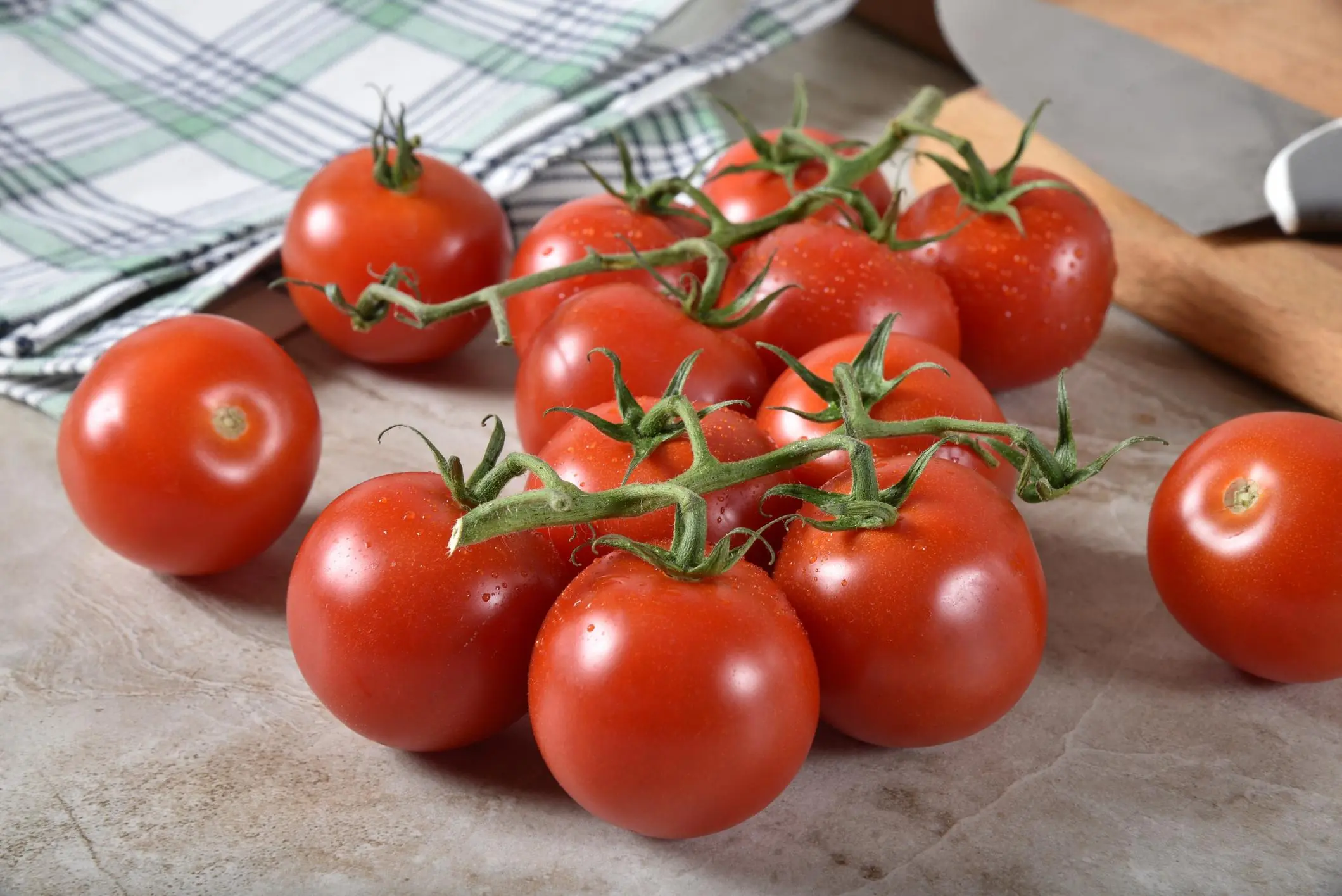
Tomato and lemon juice has become a popular homemade drink among people looking for simple ways to add more nutrients to their diet. Social media posts often claim that this combination can "detox the body," "burn fat," "cleanse the liver," or even prevent chronic diseases.
While tomatoes and lemons are both highly nutritious foods, many of these claims are not supported by strong scientific evidence. Drinking tomato and lemon juice can certainly be part of a healthy eating pattern, but it is not a miracle beverage or a substitute for a balanced diet and healthy lifestyle.
If you're thinking about making tomato and lemon juice part of your daily routine, here's what current research suggests about its nutritional value, potential benefits, possible downsides, and who may need to be cautious.
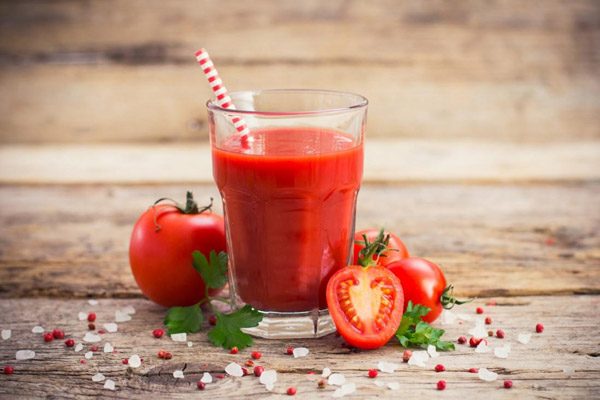
Both tomatoes and lemons are naturally rich in vitamins, minerals, and beneficial plant compounds.
Vitamin C
Potassium
Folate
Vitamin K
Lycopene
Beta-carotene
Fiber (more if blended rather than strained)
Vitamin C
Citric acid
Flavonoids
Small amounts of potassium
Antioxidant compounds
Together, they create a refreshing drink that contains relatively few calories while supplying several important nutrients.
Vitamin C is one of the best-known nutrients found in both tomatoes and lemons.
Vitamin C helps:
Support normal immune function
Aid collagen production
Protect cells from oxidative stress
Improve the absorption of non-heme iron from plant foods
Support wound healing
Although tomato and lemon juice contributes vitamin C, it should be viewed as one of many ways to obtain this nutrient rather than the only source.
Tomatoes are one of the richest dietary sources of lycopene, a natural carotenoid that gives tomatoes their red color.
Research suggests lycopene may:
Help protect cells from oxidative damage
Support cardiovascular health
Contribute to healthy aging
Play a role in protecting skin from some UV-related damage
Interestingly, cooked tomatoes often provide lycopene in a form that is more easily absorbed than raw tomatoes. Adding a small amount of healthy fat, such as olive oil, can further improve lycopene absorption.
Tomatoes contain several nutrients that contribute to heart health, including:
Potassium
Fiber
Lycopene
Vitamin C
Potassium helps regulate blood pressure by balancing the effects of sodium.
A diet rich in fruits and vegetables has consistently been associated with better cardiovascular health.
However, no single drink—including tomato and lemon juice—can prevent heart disease by itself.
Many adults do not consume enough vegetables each day.
Drinking tomato and lemon juice may be one convenient way to increase vegetable intake, especially for people who struggle to eat enough produce.
Whole vegetables remain the better choice because they provide more fiber and are generally more filling, but homemade juice can still contribute to an overall healthy diet.
Tomatoes are made up of more than 90% water.
Combined with lemon juice, they create a refreshing beverage that contributes to daily fluid intake.
Proper hydration supports:
Temperature regulation
Digestion
Circulation
Kidney function
Physical performance
Water should still remain the primary beverage for most people.
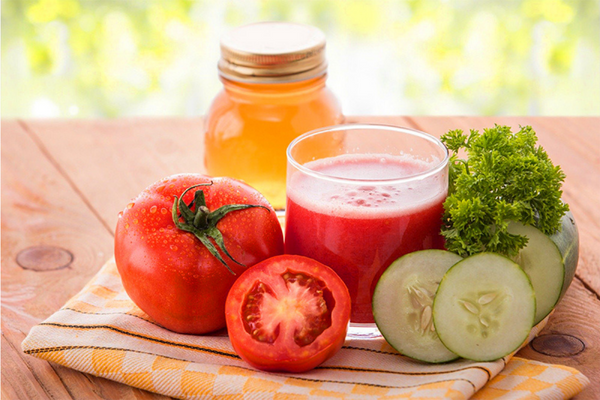
Tomatoes and lemons both contain vitamin C.
Vitamin C improves the absorption of non-heme iron, the type of iron found in plant foods such as:
Beans
Lentils
Spinach
Tofu
Whole grains
Drinking tomato and lemon juice alongside a plant-based meal may help your body absorb more iron.
Both ingredients contain naturally occurring antioxidants.
These include:
Lycopene
Vitamin C
Beta-carotene
Flavonoids
Antioxidants help protect cells from oxidative stress, a normal process associated with aging and many chronic diseases.
While antioxidant-rich foods are beneficial, no single food or drink can eliminate oxidative stress on its own.
When prepared without added sugar, tomato and lemon juice is naturally low in calories.
Replacing sugary beverages with unsweetened vegetable-based drinks may help reduce overall sugar intake.
For people trying to maintain a healthy weight, choosing lower-calorie beverages can be one useful strategy among many.
Many commercially prepared tomato juices contain significant amounts of added sodium.
Making your own at home allows you to:
Control the amount of salt
Avoid unnecessary sugar
Adjust the level of acidity
Add fresh herbs for extra flavor
Fresh basil, parsley, black pepper, or celery can provide flavor without relying on excess salt.
The Mediterranean diet consistently ranks among the healthiest dietary patterns for heart health.
Tomatoes, lemons, olive oil, herbs, vegetables, beans, whole grains, and fish are all common components of this eating style.
Tomato and lemon juice can complement this type of balanced diet, but it should not replace whole fruits, vegetables, or complete meals.
Although tomato and lemon juice is healthy for many people, it is not appropriate for everyone.
Both tomatoes and lemons are acidic.
For people with gastroesophageal reflux disease (GERD), acid reflux, or frequent heartburn, this drink may worsen symptoms.
You may notice:
Heartburn
Chest discomfort
Sour taste in the mouth
Increased reflux
Tomatoes contain potassium.
People with advanced chronic kidney disease who have been advised to limit potassium should speak with their healthcare provider or a registered dietitian before drinking tomato juice regularly.
Potassium recommendations vary depending on kidney function and individual laboratory results.
Frequent exposure to acidic beverages may contribute to tooth enamel erosion over time.
To help protect your teeth:
Drink the juice with meals rather than sipping throughout the day.
Consider using a straw.
Rinse your mouth with water afterward.
Wait at least 30 minutes before brushing your teeth after consuming acidic drinks.
Although uncommon, some people may be allergic or sensitive to tomatoes or citrus fruits.
Stop consuming the drink and seek medical advice if you develop symptoms such as swelling, difficulty breathing, or widespread hives.
2 ripe tomatoes
Juice of half a lemon
½ cup cold water (optional)
Fresh basil or parsley (optional)
Black pepper (optional)
Avoid adding large amounts of:
Salt
Sugar
Sweetened syrups
Blend until smooth and enjoy fresh.
If you prefer a smoother texture, strain the mixture, though this removes some of the fiber.
To get the most nutritional value:
Choose ripe, fresh tomatoes.
Drink it without added sugar.
Pair it with a balanced breakfast or lunch rather than relying on it as a meal replacement.
Continue eating a variety of whole fruits and vegetables.
Include healthy protein and whole grains in your meals.
Remember that variety is one of the keys to good nutrition.
False.
Your liver and kidneys naturally remove waste products from the body. There is no reliable evidence that tomato and lemon juice "detoxes" or "cleanses" the body.
False.
No beverage can specifically burn abdominal fat. Weight loss occurs when calorie intake and expenditure are balanced over time.
False.
Tomato and lemon juice can be part of a healthy diet, but no single food or drink can prevent heart disease, cancer, or other chronic illnesses on its own.
False.
Drinking excessive amounts may contribute to digestive discomfort, acid reflux, or excessive potassium intake in people with certain kidney conditions.
Moderation remains important.
Not necessarily.
Whole tomatoes provide more fiber and often increase fullness compared with strained juice.
Whenever possible, include both whole vegetables and fresh juices as part of a varied diet.
Tomato and lemon juice may be a good choice for:
Adults looking for a low-calorie beverage
People trying to increase vegetable intake
Individuals following a Mediterranean-style eating pattern
Those seeking additional vitamin C and antioxidants
People replacing sugary drinks with more nutritious options
However, people with advanced kidney disease, significant acid reflux, or specific dietary restrictions should seek personalized advice before making it a daily habit.

Tomato and lemon juice is a refreshing, nutrient-rich beverage that provides vitamin C, lycopene, potassium, and other beneficial plant compounds. When prepared without excessive salt or sugar, it can be a healthy addition to a balanced eating pattern and may contribute to heart health, hydration, and overall nutrition.
At the same time, it's important to keep expectations realistic. This drink is not a detox remedy, a weight-loss shortcut, or a cure for chronic disease. The greatest health benefits come from consistently following a balanced diet rich in a variety of fruits, vegetables, whole grains, lean proteins, and healthy fats, while staying physically active and managing other lifestyle factors.
Are Papaya Seeds Good for You? Benefits, Uses, and Precautions

Amazing Health Benefits of Chicken Feet You Should Know
What Are the Signs of High Cholesterol? Here's What Medical Experts Say

Cloves and Your Health: What Happens If You Eat One Daily?

Why Your Legs Cramp at Night (And How to Fix It)

Lemon Peel Tea: A Flavorful Beverage That May Benefit Your Health



Don't Ignore These 5 Head and Face Symptoms That May Signal Liver Fibrosis

Cooking With Heart-Healthy Spices: What the Evidence Suggests

Want Healthier Nerves? These 9 Nutrients May Help

A persistent cough led doctors to discover a rare and life-threatening lung disorder.

A painful, red skin patch may require prompt medical attention.

Eating the same foods daily may limit nutrition more than you realize.

Celery Isn’t for Everyone: These 5 Groups Should Be Cautious

Eat for Better Immunity: 20 Nutrient-Packed Foods to Add to Your Meals

5 Common Morning Mistakes That Could Work Against Your Heart Health

Eating Onions Regularly? These People May Need to Watch Their Intake

The Surprising Reason Some People Keep Garlic Beside Their Bed at Night

What Happens If You Eat the Dark Vein in Shrimp?
Want Tomatoes to Last Longer? Stop Doing This One Thing
Are Papaya Seeds Good for You? Benefits, Uses, and Precautions

Breast size has been shrouded in cultural myths for centuries—from fertility symbols to markers of “femininity.”
Amazing Health Benefits of Chicken Feet You Should Know
What Are the Signs of High Cholesterol? Here's What Medical Experts Say

I was in my late twenties, and I was cleaning my living room. I found some small, dark bugs in the cracks of my sofa. I was horrified. I thought they were bed bugs.
Cloves and Your Health: What Happens If You Eat One Daily?
Why Your Legs Cramp at Night (And How to Fix It)
Lemon Peel Tea: A Flavorful Beverage That May Benefit Your Health

Don't Ignore These 5 Head and Face Symptoms That May Signal Liver Fibrosis
Cooking With Heart-Healthy Spices: What the Evidence Suggests
Want Healthier Nerves? These 9 Nutrients May Help
A persistent cough led doctors to discover a rare and life-threatening lung disorder.


Found This Tiny Insect in Your Kitchen? Check Your Pantry Now