The First Warning Sign of Vitamin B12 Deficiency Is… Something You Might Feel in Your Feet
Vitamin B12 deficiency doesn’t always show up with dramatic symptoms at first. In fact, it often begins quietly—so subtle that many people overlook it until the condition becomes more serious.
One of the earliest and most telling signs?
A strange, uncomfortable sensation in your feet.
That tingling, numbness, or burning feeling might seem harmless at first—but it could be your nervous system signaling that something is off.
Let’s break it down clearly so you know exactly what to watch for.
1. Tingling or “Pins and Needles” in the Feet


One of the first warning signs of vitamin B12 deficiency is a sensation often described as:
-
Tingling
-
Prickling
-
“Pins and needles”
-
Mild burning
This usually starts in the feet and can gradually move up the legs.
Why does this happen?
Vitamin B12 is essential for maintaining the myelin sheath, the protective layer around your nerves. When B12 levels drop, nerves become damaged or irritated—leading to these unusual sensations.
It’s not just discomfort—it’s nerve signaling.
2. Numbness That Comes and Goes
At first, the feeling may be inconsistent.
You might notice:
-
Temporary numbness in toes
-
Reduced sensitivity when walking
-
A “dead” feeling in parts of your foot
This can be easy to ignore, especially if it disappears quickly.
But over time, the numbness can become more frequent and persistent.
If your feet don’t feel quite “normal,” don’t brush it off.
3. Burning or Sharp Pain in the Soles


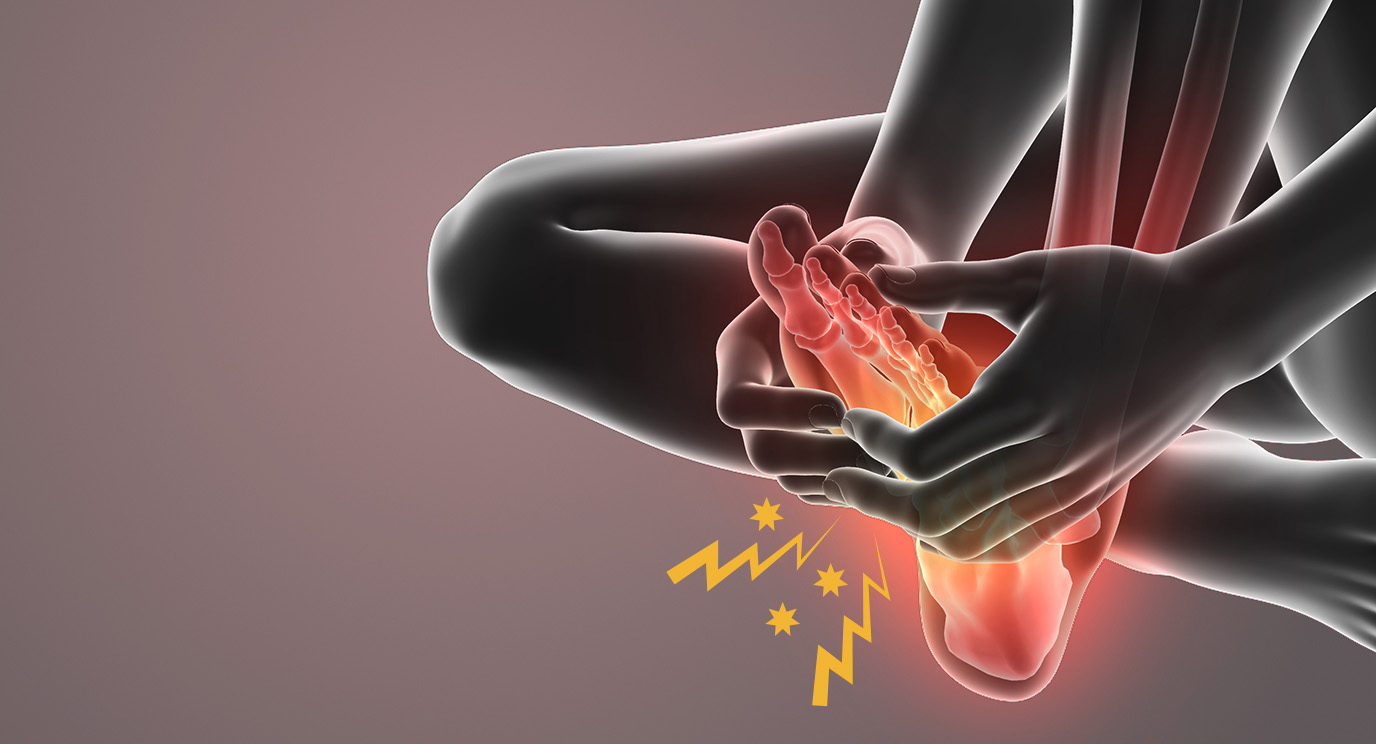
As nerve involvement progresses, the sensation may intensify.
Some people experience:
-
Burning pain, especially at night
-
Sharp, stabbing sensations
-
Increased sensitivity to touch
This is often mistaken for circulation problems or fatigue—but it can be directly linked to nerve damage caused by low B12.
4. Balance Problems and Difficulty Walking
Your nerves play a key role in balance and coordination.
When they’re not functioning properly, you may notice:
-
Feeling unsteady when walking
-
Difficulty maintaining balance
-
A higher risk of stumbling
This happens because your brain isn’t receiving clear signals from your feet.
It’s like walking without accurate feedback from the ground.
5. Muscle Weakness and Fatigue


Vitamin B12 deficiency doesn’t only affect nerves—it also impacts your energy production.
You may feel:
-
Weakness in your legs
-
Quick exhaustion when walking
-
Overall fatigue
This is partly due to reduced red blood cell production, which limits oxygen delivery throughout the body.
6. Other Early Signs You Shouldn’t Ignore
While foot-related symptoms are often the first, other signs may appear alongside them:
-
Pale or slightly yellowish skin
-
Shortness of breath
-
Heart palpitations
-
Memory issues or brain fog
-
Mood changes, including irritability or depression
These symptoms may seem unrelated—but together, they can point to a deeper nutritional deficiency.
7. Why Vitamin B12 Deficiency Is Dangerous
The biggest risk is permanent nerve damage.
If left untreated, B12 deficiency can lead to:
-
Long-term nerve problems
-
Difficulty walking
-
Cognitive decline
The scary part? Some of this damage cannot be reversed if it progresses too far.
That’s why early detection matters so much.
Who Is Most at Risk?
Certain groups are more likely to develop B12 deficiency:
-
Vegetarians and vegans
-
Older adults
-
People with digestive disorders
-
Those taking certain medications (like acid reducers)
Since B12 is mainly found in animal-based foods, dietary habits play a big role.
What You Can Do Right Now
If you’re experiencing these symptoms, here’s a smart approach:
-
Get a blood test to check B12 levels
-
Adjust your diet (meat, eggs, dairy, or fortified foods)
-
Consider B12 supplements if needed
-
Don’t ignore persistent nerve symptoms
Final Thoughts
That tingling in your feet might seem minor—but it could be your body’s first warning sign of vitamin B12 deficiency.
The key is not to panic—but to pay attention early.
Your body always sends signals before something becomes serious. The question is—are you listening?