In a collision involving several vehicles, the sequence of impacts is especially important. Investigators may need to determine which vehicles made contact first, where each vehicle was positioned, and how the collision developed.
That process can take time. Witness accounts may differ, vehicles may have moved after impact, and damage patterns may need professional interpretation.
The supplied report does not identify a confirmed cause. It does not establish whether speed, weather, distraction, mechanical failure, or any other factor played a role. Any claim assigning responsibility would therefore go beyond the available information.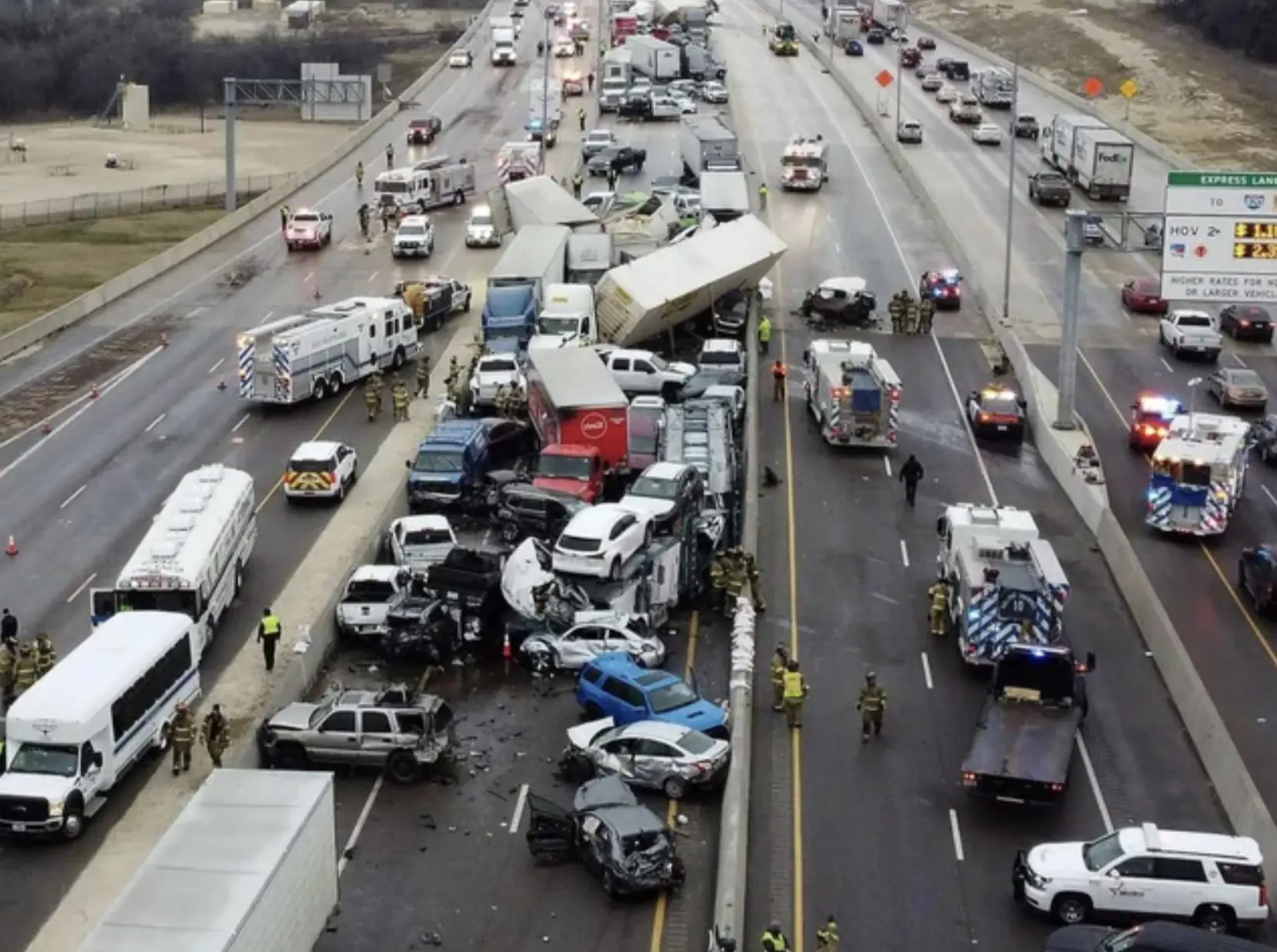
Chapter 9: Why Official Confirmation Matters When Fatalities Are Reported
Among all the unanswered questions, reports of deaths require the greatest care.
A fatality claim can have an immediate emotional impact. Families may worry that someone they know was involved. Friends may begin searching for updates. People traveling nearby may fear that a loved one was caught in the incident.
When an unverified death report circulates, that fear can spread rapidly. A person may share a headline before checking whether it comes from an official agency or a reliable news organization. Others may repeat the claim, making it appear more certain simply because it has been published several times.
But repetition does not turn an unverified statement into a confirmed fact.
The supplied report explicitly acknowledges that it does not cite an identifiable police statement, transportation alert, or other official source confirming the reported deaths. That warning should remain central to any article based on this material.
A responsible update should distinguish between several different stages of information:
-
An initial report that a serious collision has occurred.
-
A preliminary statement that people may have been injured.
-
A confirmed number of people transported for medical treatment.
-
An official confirmation of fatalities, if any.
-
The release of names or other personal information, where appropriate and authorized.
These stages are not interchangeable. A preliminary report may change as emergency personnel assess the scene. The number of injured people may be updated. Authorities may also need time to notify families before releasing personal information.
Readers should therefore be cautious when a story presents a specific casualty figure without explaining where it came from.
There is also a difference between saying that a crash was serious and saying that people died. A collision can produce extensive vehicle damage and require a large emergency response without necessarily involving fatalities. Conversely, an incident with less visible damage can still have serious human consequences.
The appearance of a scene cannot settle that question.
The best way to protect readers from unnecessary distress is to report only what has been confirmed and to make uncertainty clear. If the information is not available, the article should say so rather than filling the gap with speculation.
Chapter 10: The Human Impact of Incomplete Information
A major highway collision is not simply a traffic event. If people are injured, their families and friends may face uncertainty while waiting for information. Even when the full circumstances are not known, the possibility of a serious incident can create anxiety.
Someone who hears about a collision near a regular travel route may immediately think of a family member who commutes along that road. A parent may try to contact a child traveling home. A friend may worry about someone driving a commercial vehicle.
In such situations, clear information matters.
A report that identifies the location and time can help people understand whether the incident is relevant to their concerns. An official update about road closures can help travelers choose another route. Confirmed information about casualties can reduce uncertainty for those trying to determine whether someone they know may be involved.
By contrast, a vague headline can leave readers with more questions than answers. If it suggests a mass-casualty event but provides no confirmed figures, people may imagine the worst without knowing whether the claim is accurate.
This is why the wording of an article matters. A headline should not imply certainty that the body of the report cannot support. A photograph should not be presented as proof of deaths, injuries, or responsibility. The reader should be able to distinguish between the visible scene and the information that remains unknown.
Families affected by a genuine collision also deserve privacy. Names, photographs, medical details, and personal circumstances should not be published merely to make a story more dramatic. Such information should be handled carefully and only when there is a reliable basis for sharing it.
The supplied material does not identify any victims or families. It does not provide personal accounts or confirm any deaths. That means this article cannot describe individual experiences or claim to know how many families may have been affected.
What it can emphasize is the importance of accuracy when the subject involves possible human loss. In a serious incident, responsible reporting is not just a matter of style. It is a matter of respect.
Chapter 11: What Drivers Can Learn From a Multi-Vehicle Crash
Although the cause of the collision in the supplied report remains unconfirmed, the images provide an opportunity to revisit several basic road-safety habits that are useful on any highway.
Maintain a safe following distance. Drivers need enough room to react when traffic slows. The appropriate distance depends on speed, road conditions, visibility, and vehicle type. Heavy vehicles may need substantially more room to stop.
Adjust speed to conditions. A posted speed limit does not guarantee that traveling at that speed is safe in every situation. Rain, fog, darkness, roadworks, congestion, and poor visibility may require drivers to slow down.
Avoid distractions. Looking at a phone, adjusting entertainment settings, or focusing on something outside the vehicle can take attention away from changing traffic conditions. Drivers should prepare navigation and other controls before moving whenever possible.
Watch traffic beyond the vehicle immediately ahead. Looking farther down the road can help drivers recognize slowing traffic earlier. This does not remove the need to maintain distance, but it can provide additional time to respond.
Change lanes carefully. Sudden lane changes can create danger, particularly when traffic is dense. Drivers should check mirrors and blind spots, signal appropriately, and avoid making abrupt movements.
Use vehicle safety equipment. Seat belts should be worn by everyone in the vehicle. Children should use age- and size-appropriate restraints. Safety equipment does not prevent every injury, but it can reduce the risk of serious harm.
Keep vehicles maintained. Tires, brakes, lights, steering components, and other systems should be checked regularly. A vehicle that is not maintained properly may be less able to respond safely in an emergency.
Do not drive when impaired or dangerously tired. Alcohol, drugs, some medications, and fatigue can affect judgment and reaction time. Drivers should avoid getting behind the wheel when their ability to drive safely is compromised.
These are general safety principles, not explanations of the reported collision. They do not establish what happened in the scene shown. Their value is that they address common risks on busy roads and can help drivers make safer decisions during everyday journeys.
Chapter 12: What Information Would Make the Report More Complete?
The missing information in the supplied account is not difficult to identify. A more complete report would need several basic details, each serving a different purpose.
An identifiable location would establish where the incident reportedly happened. A highway number, direction of travel, nearby exit, or recognizable landmark would help readers understand the geographical context.
A confirmed incident date and time would help distinguish the actual collision from the date on which an article or photograph was published. This is particularly important when images are shared across different websites and social media accounts.