White vinegar and fabric softener are two common household products that many people already have at home. Because both are inexpensive and useful for laundry, it's easy to come across cleaning tips suggesting that mixing them together can create a powerful all-purpose solution.
But there is an important detail to understand before trying this hack: white vinegar and fabric softener do not necessarily work better when mixed together. In fact, combining them directly can change how the products perform, and some fabric softeners may be less effective in an acidic mixture.
Instead, the safest approach is to understand what each product actually does and when it makes sense to use them separately.
Here are several practical ways to use white vinegar and fabric softener around the home while avoiding unnecessary spending on cleaning products.

Why Are White Vinegar and Fabric Softener So Popular?
White vinegar contains acetic acid, which gives it its characteristic sour smell and acidic properties.
Around the home, diluted white vinegar can be useful for:
-
Dissolving some mineral deposits
-
Removing certain odors
-
Cleaning some hard surfaces
-
Helping loosen soap residue
-
Freshening laundry
Fabric softener, on the other hand, is primarily designed to reduce static, improve softness, and add fragrance to fabrics.
These products have very different chemical purposes.
That's why combining them isn't automatically an upgrade.
1. Use White Vinegar in the Laundry Rinse Cycle
One of the simplest ways to use white vinegar is as a laundry rinse aid.
A small amount of diluted white vinegar can help with some mineral and detergent residues left behind on fabrics.
It can be especially useful if you live in an area with hard water.
However, don't pour vinegar directly onto dry clothing.
Instead, if your washing machine manufacturer allows it, place an appropriate amount in the fabric-softener compartment, where it will be released during the rinse cycle.
Always check your machine's instructions first.
2. Don't Assume Vinegar Replaces Fabric Softener
Although vinegar is often promoted online as a natural fabric softener, it doesn't work in exactly the same way as commercial fabric softeners.
Fabric softeners contain conditioning agents designed to coat fibers and change the feel of fabrics.
Vinegar primarily works through its acidity and may help remove certain residues.
So the results can be different.
If you want fragrance and conventional fabric conditioning, fabric softener may be more appropriate.
If you're primarily concerned about detergent residue or mineral buildup, vinegar may be useful in certain laundry situations.
3. What Happens If You Mix Them Together?
This is where the viral "vinegar + fabric softener" hack becomes questionable.
Fabric softeners are formulated mixtures containing conditioning agents, fragrances, preservatives, and other ingredients.
Adding vinegar changes the acidity of the mixture.
This can potentially interfere with the way some fabric-softening ingredients work.
In other words:
More products together doesn't necessarily mean better cleaning.
Rather than premixing a large bottle of vinegar and fabric softener, it's generally more sensible to use each product for its intended purpose.
4. Freshen Laundry Without Overloading It With Fragrance
If clothes smell stale after washing, the first step shouldn't necessarily be adding more fabric softener.
Odors can develop because of:
-
Leaving wet laundry in the washer
-
Overloading the machine
-
Using too much detergent
-
Poor ventilation
-
Dirty washing-machine components
-
Insufficient drying
Try these steps first:
Don't overload the washer.
Remove clothes promptly after the cycle.
Allow them to dry completely.
Clean the washing machine regularly according to the manufacturer's instructions.
If you use fabric softener, follow the recommended amount rather than adding extra.
5. Use Vinegar to Help Remove Mineral Deposits
One of the most practical household uses for white vinegar is dealing with certain limescale or mineral deposits.
For example, diluted vinegar can sometimes help loosen mineral buildup around:
-
Faucets
-
Shower fixtures
-
Certain glass surfaces
-
Removable appliance parts
The acid can react with mineral deposits such as calcium carbonate.
However, vinegar isn't appropriate for every surface.
6. Never Use Vinegar on Every Surface
This is a crucial warning.
Because vinegar is acidic, it can damage or dull certain materials.
Avoid using vinegar on surfaces such as:
-
Marble
-
Limestone
-
Travertine
-
Some natural stone
-
Certain delicate finishes
Acid can gradually etch natural stone surfaces.
If you're unsure about a material, check the manufacturer's cleaning instructions before using vinegar.
7. Clean Certain Glass and Hard Surfaces
Diluted white vinegar can be useful for some household cleaning tasks involving glass and other acid-resistant surfaces.
For example, it may help loosen:
-
Water spots
-
Mineral residue
-
Soap deposits
Apply an appropriately diluted solution, wipe the surface, and rinse when appropriate.
Don't assume every glass coating or specialty surface is vinegar-safe.
8. Use Fabric Softener Properly on Laundry
If you like fabric softener, there's no need to abandon it.
The key is using it correctly.
Fabric softener should generally be added through the washing machine's designated dispenser rather than poured directly onto clothing.
Why?
Concentrated fabric softener can leave marks or greasy-looking spots on fabrics if it comes into direct contact with them.
Using too much can also create buildup.
More softener does not necessarily mean softer clothes.
Follow the dosage instructions on the bottle.
9. Be Careful With Towels
Fabric softener can make towels feel softer, but it can also reduce their absorbency because conditioning agents coat the fibers.
If your priority is maximum towel absorbency, using fabric softener less frequently may be beneficial.
Instead, focus on:
-
Proper detergent dosage
-
Adequate rinsing
-
Complete drying
-
Regular washing-machine maintenance
White vinegar is sometimes used as a laundry rinse, but it shouldn't be considered a guaranteed solution for every towel problem.
10. Don't Use Vinegar and Fabric Softener to Clean the Washing Machine Without Checking the Manual
You'll often see online advice recommending vinegar as a washing-machine cleaner.
But appliance manufacturers don't all agree on this.
Repeated exposure to acidic liquids may not be appropriate for certain machine components, seals, coatings, or materials.
Before using vinegar inside your washing machine, check the manufacturer's cleaning instructions.
Many modern machines have a dedicated tub-clean or drum-clean cycle and may recommend a specific cleaning product.
Following those instructions is the safer choice.
11. Use Vinegar for Certain Laundry Odors—But Identify the Cause
If clothes smell musty, vinegar may sometimes help with residual odors, but don't rely on it as a cure-all.
A persistent odor can indicate that your washing machine itself needs cleaning.
Check:
-
Door seals
-
Detergent drawer
-
Drain filter
-
Drum
-
Areas where moisture collects
A washing machine that remains damp between cycles can develop unpleasant odors.
Leaving the door or lid slightly open after washing, when safe and appropriate for your machine, can help the interior dry.
12. Don't Mix Vinegar With Bleach
This is one household cleaning rule you should remember.
Never mix vinegar with chlorine bleach.
Combining an acid such as vinegar with chlorine bleach can release chlorine gas, which is dangerous to breathe.
Symptoms of exposure can include:
-
Burning eyes
-
Coughing
-
Throat irritation
-
Breathing difficulty
-
Chest discomfort
Keep cleaning products separate unless the manufacturer specifically states they can be combined.
13. Don't Mix Vinegar With Other Strong Cleaners
Vinegar should also not be casually mixed with other cleaning chemicals.
In particular, avoid experimenting with combinations involving:
-
Bleach
-
Strong drain cleaners
-
Certain disinfectants
-
Ammonia-containing products
Household chemistry isn't something to experiment with just because a cleaning hack looks convincing online.
Use one product at a time according to its label.
14. Can Vinegar Save You Money?
Potentially, yes—but only when used appropriately.
A bottle of white vinegar can be inexpensive compared with specialized cleaning products.
It may be useful for certain tasks such as:
-
Removing mineral deposits
-
Freshening some laundry
-
Cleaning selected hard surfaces
-
Loosening soap residue
But it isn't a universal substitute for every cleaner.
For example, disinfecting requires an appropriate disinfectant used according to its label—not simply vinegar.
15. What About Using Vinegar as a Fabric Softener Alternative?
Some people prefer vinegar because they want to reduce the number of fragranced products they use.
If you choose this approach, use plain white vinegar appropriately diluted through the rinse cycle, rather than mixing it with fabric softener in advance.
The goal is not to create a stronger chemical mixture.
It's to use the appropriate product at the appropriate stage of the wash.
16. A Better Laundry Routine
If you want cleaner, fresher clothes without wasting money, try this simple routine:
Step 1: Don't Overload the Washer
Clothes need enough space to move freely through the wash.
Step 2: Use the Correct Detergent Amount
Too much detergent can leave residue.
Step 3: Use Fabric Softener Only If You Need It
Follow the manufacturer's recommended dosage.
Step 4: Consider Vinegar Separately
If appropriate for your machine and fabrics, diluted white vinegar can be used during the rinse cycle.
Step 5: Remove Clothes Promptly
Don't leave wet laundry sitting in the machine for hours.
Step 6: Dry Completely
Damp fabric is more likely to develop unpleasant odors.
17. Be Careful With Delicate Fabrics
Not every fabric responds the same way to cleaning products.
Be cautious with:
-
Silk
-
Wool
-
Technical sportswear
-
Flame-resistant clothing
-
Waterproof fabrics
-
Specialty finishes
For these materials, follow the garment care label.
Some fabrics are specifically designed to retain properties such as moisture-wicking, water resistance, or flame resistance. Fabric softener can interfere with certain performance characteristics.
18. Can Fabric Softener Be Used on Everything?
No.
Fabric softener is generally not ideal for some items, particularly those where absorbency or technical performance matters.
Examples may include:
-
Towels
-
Microfiber cleaning cloths
-
Certain sportswear
-
Some flame-resistant garments
Always check the care instructions.
19. A Simple Bathroom Cleaning Trick With Vinegar
For certain acid-resistant bathroom surfaces, diluted white vinegar can help loosen mineral deposits.
You can use it on appropriate:
-
Shower glass
-
Faucets
-
Fixtures
Allowing the solution to sit briefly can help loosen deposits, after which you can wipe and rinse.
But avoid natural stone and other acid-sensitive materials.
20. What About the Viral "Magic Spray"?
You may see recipes online combining:
-
White vinegar
-
Fabric softener
-
Water
and describing the result as a "magic cleaning spray."
Be cautious.
Fabric softener isn't designed to be a general-purpose surface cleaner.
It can leave behind a film or residue, and spraying it on surfaces may simply transfer conditioning agents where you don't want them.
For cleaning surfaces, use a product designed for that surface.
A viral cleaning recipe isn't automatically a good cleaning recipe.
21. Why Does Fabric Softener Leave a Residue?
Fabric softeners work partly by depositing conditioning substances onto fabric fibers.
That's what creates the smooth, soft sensation.
But that same coating can be undesirable on certain surfaces.
For example, spraying diluted fabric softener onto:
-
Floors
-
Glass
-
Electronics
-
Countertops
can leave residue or streaks.
That's why fabric softener should primarily remain a laundry product.
22. How to Save Money on Cleaning Products
You don't necessarily need a cabinet full of specialized products.
A practical household cleaning setup might include:
-
Dish soap
-
Appropriate laundry detergent
-
A suitable disinfectant
-
White vinegar for compatible tasks
-
Baking soda for selected cleaning jobs
-
Microfiber cloths
-
A suitable bathroom cleaner
-
Glass cleaner if needed
The important part is knowing what each product is actually designed to do.
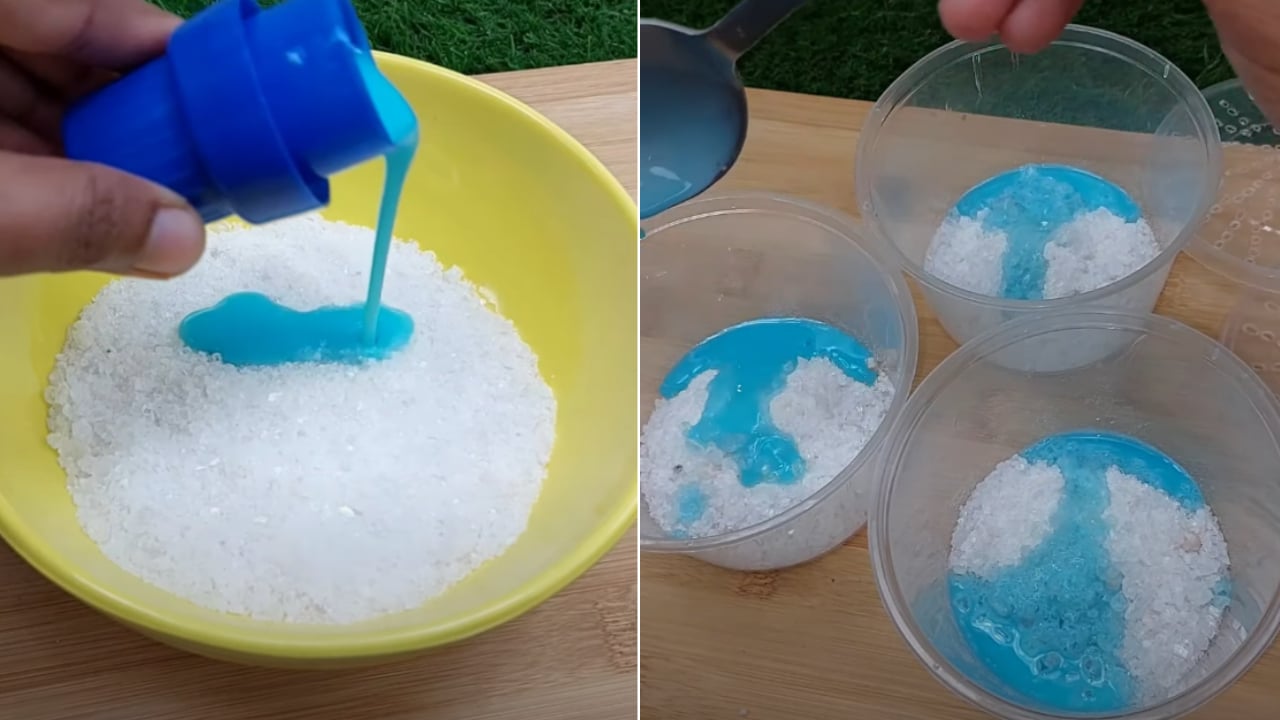
23. What Should You Do If You Already Mixed Vinegar and Fabric Softener?
If you've already combined them, don't panic.
The main issue is that the mixture may not perform as intended, and its stability or effectiveness isn't guaranteed.
Don't store a homemade chemical mixture indefinitely in an unlabeled bottle.
If you don't know the compatibility or appropriate use, the safer option is to discard it according to local household chemical disposal guidance and use the products separately in the future.
Always keep cleaning products clearly labeled and away from children and pets.
24. The Most Important Rule: Don't Chase Every Viral Cleaning Hack
Social media is full of recipes claiming that two ordinary products become a "miracle cleaner" when mixed together.
Some tricks are harmless.
Others can:
-
Damage surfaces
-
Ruin fabrics
-
Produce irritating fumes
-
Reduce product effectiveness
-
Create unexpected chemical reactions
Before trying a cleaning hack, ask:
What is each ingredient actually designed to do?
Is the combination recommended by the manufacturer?
Could the mixture produce dangerous fumes?
Is the surface compatible with the ingredients?
If the answer isn't clear, don't mix them.
A Safer Way to Think About Vinegar + Fabric Softener
Instead of thinking:
"Mix these two products to create a stronger cleaner."
think:
"Use each product separately for the job it's designed to perform."
White Vinegar
Useful for certain mineral deposits, odors, and compatible laundry applications.
Fabric Softener
Designed primarily to condition fabrics, reduce static, and provide fragrance.
Using them separately can actually be more practical and predictable than mixing them together.
Final Thoughts
White vinegar and fabric softener can both be useful household products, but mixing them together isn't a guaranteed cleaning upgrade.
White vinegar's acidity can help with certain mineral residues and some laundry-related tasks, while fabric softener is formulated to condition fabric fibers.
For the best results, use each product according to its intended purpose.
If you want to save money, focus on simple habits: use the correct amount of detergent, don't overload the washing machine, maintain your appliances, clean surfaces with compatible products, and avoid buying unnecessary specialty cleaners.
Most importantly, never mix vinegar with chlorine bleach or other potentially incompatible cleaning chemicals.
The smartest household hack isn't always the one with the most ingredients.
Sometimes, it's simply knowing which product to use, where to use it, and what not to mix it with.