Eating healthier doesn't necessarily mean giving up every food you enjoy.
In fact, one of the biggest mistakes people make when trying to improve their diet is becoming overly restrictive. They suddenly eliminate entire food groups, follow complicated meal plans, or try to eat “perfectly” every day.
A healthier approach is often much simpler:
Look at what you eat regularly and identify the foods that may be worth eating less often.
Some foods are perfectly fine occasionally but can become less helpful when they make up a large part of your everyday diet. Many are high in added sugar, sodium, saturated fat, or calories while providing relatively few essential nutrients.
That doesn't mean these foods are automatically “bad” or that you can never eat them again.
It means frequency, portion size, preparation, and the overall pattern of your diet matter.
If you're trying to build healthier eating habits, here are five types of foods you may want to cut back on.
1. Sugary Drinks
One of the easiest places to start is with beverages.
Soda, sweetened tea, energy drinks, flavored coffees, fruit-flavored drinks, and other sugary beverages can add a surprising amount of sugar and calories to your daily diet.
The problem is that drinking calories often doesn't make you feel as full as eating solid food.
You can finish a large sugary drink in just a few minutes and still feel hungry afterward.
For example, someone might drink a sweetened coffee in the morning, a soda with lunch, and another sweetened beverage in the afternoon without thinking of those drinks as part of their daily food intake.
But the sugar can add up quickly.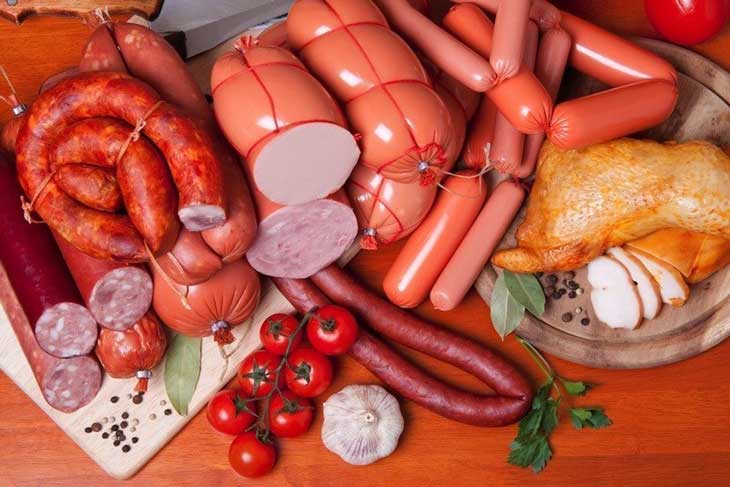
Why Cutting Back May Help
Regularly consuming large amounts of added sugar can contribute to excess calorie intake and may make it more difficult to maintain a healthy weight.
High-sugar beverages can also cause blood glucose to rise quickly, particularly when consumed without other foods.
If you're drinking several sugary beverages every day, reducing them may be one of the simplest changes you can make.
You don't necessarily have to quit overnight.
Try replacing one drink at a time with:
-
Water
-
Sparkling water
-
Unsweetened tea
-
Plain coffee
-
Water with lemon or lime
-
Unsweetened flavored water
If you enjoy sweetened coffee, you could gradually reduce the amount of sugar or flavored syrup you add.
Small changes can become surprisingly powerful when repeated consistently.
2. Processed Meats
Bacon, sausages, hot dogs, salami, ham, and other processed meats are convenient and flavorful.
They're also extremely common in breakfast sandwiches, pizzas, sandwiches, instant meals, and snacks.
The problem isn't that eating a sausage once in a while will suddenly make you unhealthy.
The bigger concern is frequent consumption over time.
Processed meats are often high in sodium and saturated fat, and many are preserved through methods such as curing, smoking, salting, or adding preservatives.
Eating large amounts regularly has been associated with increased health risks, particularly for cardiovascular health and certain cancers.
What Can You Eat Instead?
You don't need to eliminate meat entirely.
Instead, consider rotating your protein sources.
Try:
-
Eggs
-
Chicken
-
Turkey
-
Beans
-
Lentils
-
Tofu
-
Unsalted nuts
-
Seeds
-
Fresh, minimally processed meats
For example, instead of eating bacon every morning, you could have eggs with vegetables several days a week.
Instead of using processed sausage in every meal, try grilled chicken, beans, or tofu.
The goal is not perfection.
It's reducing how often processed meats dominate your meals.
3. Deep-Fried and Highly Fried Foods
There's a reason fried foods are so popular.
They're crispy, flavorful, satisfying, and often inexpensive.
French fries, fried chicken, fried snacks, doughnuts, fried noodles, and other deep-fried foods can be delicious.
But eating them frequently may not be the best choice for your long-term health.
Deep-frying can dramatically increase the calorie content of food because the food absorbs oil during cooking.
Some fried foods are also high in sodium and saturated fat depending on the ingredients and cooking method.
The Bigger Issue Is Frequency
You don't need to feel guilty about eating fries occasionally.
The issue is when fried foods become the default option.
For example:
Fried chicken + fries + sugary soda
is a very different nutritional pattern from:
Grilled chicken + vegetables + water
You can enjoy fried food occasionally while still building a healthier overall diet.
Try changing the cooking method.
Instead of deep-frying, experiment with:
-
Baking
-
Air-frying
-
Grilling
-
Roasting
-
Steaming
-
Stir-frying with a modest amount of oil
You can still create meals with plenty of flavor without relying on deep frying.
4. Highly Processed Snack Foods
Chips, cookies, crackers, packaged pastries, candy, and similar snack foods can be incredibly easy to overeat.
They're often designed to be convenient, highly palatable, and easy to consume quickly.
You may open a package intending to eat a small amount.
Then, before you realize it, you've eaten half the bag.
Many highly processed snacks contain combinations of refined carbohydrates, added sugars, sodium, and fats while providing relatively little fiber or protein.
That combination can make it harder to feel satisfied.
Look at Your Snack Habits
Instead of asking:
“Can I ever eat chips or cookies?”
ask:
“How often am I eating them, and what role do they play in my diet?”
If they're an occasional treat, there's probably no need to obsess over them.
But if you reach for packaged snacks several times every day, consider gradually replacing some of them with more nutrient-dense options.
Try:
-
Fresh fruit
-
Greek yogurt
-
Unsalted nuts
-
Seeds
-
Hard-boiled eggs
-
Fresh vegetables
-
Hummus
-
Whole-grain snacks
These options can provide more protein, fiber, vitamins, minerals, or healthy fats.
5. Foods and Meals Extremely High in Sodium
Sodium is an essential nutrient.
Your body needs it for normal nerve and muscle function.
The problem is that many people consume much more sodium than they need.
A significant amount can come from packaged and prepared foods rather than the salt shaker.
Examples include:
-
Instant noodles
-
Canned soups
-
Processed meats
-
Frozen meals
-
Fast food
-
Salty sauces
-
Chips
-
Crackers
-
Certain packaged snacks
Eating too much sodium can contribute to increased blood pressure, particularly in people who are sensitive to sodium.
And high blood pressure often doesn't cause noticeable symptoms.
That makes sodium intake something worth paying attention to even when you feel completely healthy.
How Can You Reduce Sodium?
You don't need to make every meal completely salt-free.
Instead:
Read nutrition labels.
Compare different brands.
Choose lower-sodium versions when available.
Use herbs and spices to add flavor.
Rinse canned beans and vegetables when appropriate.
Limit heavily processed sauces and seasoning packets.
And gradually train your taste buds to appreciate less salt.
At first, food may seem bland.
But your palate can adapt.
What About Desserts?
Desserts deserve a special mention because they can be part of a healthy lifestyle when eaten in moderation.
Cake, ice cream, cookies, chocolate, pastries, and other sweets aren't automatically unhealthy.
The issue is how often and how much.
If dessert is an occasional treat after dinner, there's no reason to treat it like a nutritional disaster.
But if sugary foods are appearing throughout the entire day—sweet breakfast foods, sugary coffee, cookies at work, candy in the afternoon, and dessert after dinner—the cumulative intake can become significant.
Try making desserts intentional rather than automatic.
Instead of eating something sweet simply because it's available, choose something you genuinely enjoy.
And keep the portion reasonable.
Don't Make the Mistake of Eliminating Everything
One of the biggest problems with “healthy eating” advice online is that it can make people believe they need to eliminate every food that isn't perfectly nutritious.
That's not realistic.
A sustainable diet needs flexibility.
If you love pizza, you don't necessarily need to swear off pizza forever.
If you enjoy ice cream, you don't have to throw away every container in your freezer.
If you occasionally want fries, eat them.
The key is what your diet looks like most of the time.
A healthy lifestyle isn't destroyed by one meal.
Likewise, one salad doesn't compensate for an otherwise poor diet.
Your overall pattern matters much more.
Focus on What You Can Add, Too
Cutting back is only half of the equation.
The other half is adding nutritious foods.
Instead of thinking:
“What am I forbidden to eat?”
try thinking:
“What can I add to make this meal more nutritious?”
Add vegetables.
Add fruit.
Add beans.
Add whole grains.
Add a source of protein.
Add nuts or seeds.
Add healthy fats.
This approach can feel much less restrictive.
For example, instead of simply removing fries from a meal, build a plate with roasted vegetables, grilled chicken, and a whole grain.
Instead of eliminating snacks, replace some highly processed snacks with fruit and yogurt.
Instead of drinking another soda, try sparkling water with lemon.
You're not simply taking food away.
You're building a better eating pattern.
Read the Food Label, Not Just the Front of the Package
Food packaging can be misleading.
Words such as:
-
“Natural”
-
“Light”
-
“Fit”
-
“Wholesome”
-
“Multigrain”
-
“Low fat”
-
“No added sugar”
don't automatically mean a product is highly nutritious.
Turn the package around and look at the nutrition facts and ingredient list.
Pay attention to:
-
Added sugars
-
Sodium
-
Saturated fat
-
Fiber
-
Protein
-
Serving size
Also remember that the serving size listed on the package may be smaller than the amount you actually eat.
A product might appear low in calories or sugar because the listed serving is tiny.
If you eat three servings, the numbers need to be multiplied accordingly.
Portion Size Can Change the Whole Picture
Even nutritious foods can become excessive when eaten in very large portions.
Nuts are nutritious but calorie-dense.
Avocados contain healthy fats but also provide substantial calories.
Whole grains are nutritious but still contribute carbohydrates and calories.
The goal isn't to fear calories.
Your body needs energy.
Instead, learn to recognize reasonable portions and pay attention to hunger and fullness.
A balanced plate might include:
-
Plenty of vegetables
-
A source of protein
-
A moderate portion of whole grains or other carbohydrates
-
A small amount of healthy fat
-
Fruit when desired
This approach is generally more sustainable than extreme restriction.
Be Careful With “Healthy” Foods That Are Still Highly Processed
Not every processed food is unhealthy.
Frozen vegetables, canned beans, plain yogurt, and whole-grain bread can all be useful foods.
The issue is how heavily processed the food is and what has been added to it.
A packaged breakfast cereal might be marketed as nutritious but contain substantial added sugar.
A smoothie might contain fruit but also large amounts of sweeteners.
A granola bar might sound healthy but resemble a candy bar nutritionally.
Don't judge a food only by its marketing.
Look at what's actually inside it.
What Should Your Diet Focus On Instead?
If you're cutting back on less nutritious foods, what should replace them?
Think about building your meals around minimally processed, nutrient-rich foods.
Vegetables
Aim for variety.
Leafy greens, carrots, broccoli, tomatoes, peppers, cucumbers, cabbage, mushrooms, and other vegetables can provide fiber and micronutrients.
Fruits
Fresh or frozen fruit can provide fiber, vitamins, minerals, and naturally occurring plant compounds.
Protein
Consider eggs, poultry, beans, lentils, tofu, yogurt, nuts, seeds, and other appropriate protein sources.
Whole grains
Oats, brown rice, whole-grain bread, barley, and other whole grains can provide fiber and nutrients.
Healthy fats
Olive oil, nuts, seeds, and other sources of unsaturated fat can fit into a balanced diet.
The goal isn't to create a perfect plate every time.
It's to make nutrient-dense foods the foundation of your diet.
Small Changes Can Make a Big Difference
You don't need to transform your diet overnight.
In fact, making too many changes at once can make it difficult to maintain them.
Try starting with one habit.
Week 1
Replace one sugary drink each day with water.
Week 2
Add a serving of vegetables to one meal every day.
Week 3
Replace one processed-meat meal with another protein source.
Week 4
Choose a baked or grilled option instead of fried food.
Over time, these small changes become routine.
And once a healthier habit feels normal, you can build another one on top of it.
The Goal Isn't to Eat Perfectly
A healthy lifestyle isn't about eating perfectly every day.
It's about creating a pattern you can maintain for years.
You can have a birthday cake.
You can eat pizza with friends.
You can enjoy fries.
You can have dessert.
The important thing is that these foods don't become the foundation of your everyday diet.
Think of them as occasional foods rather than everyday staples.
That's a much more realistic approach.
Final Thoughts
If you're trying to live a healthier lifestyle, you don't necessarily need to follow a complicated diet or eliminate all your favorite foods.
Instead, start by looking at what you consume regularly.
Consider cutting back on:
1. Sugary drinks
2. Processed meats
3. Deep-fried foods
4. Highly processed snack foods
5. Extremely salty and high-sodium foods
These foods can still have a place in a balanced diet for many people, but eating them less frequently can make it easier to create room for more nutritious choices.
Replace some of them with vegetables, fruits, whole grains, protein-rich foods, and sources of healthy fats.
And remember that healthy eating isn't about perfection—it's about consistency.
One unhealthy meal won't ruin your health.
One healthy meal won't transform it overnight.
But the choices you make repeatedly, week after week and year after year, can have a meaningful impact.
So don't ask yourself:
“What foods can I never eat again?”
Ask something more practical:
“What foods could I eat a little less often, and what healthier foods could I enjoy instead?”
That small change in mindset can make healthy eating feel much more achievable—and much easier to maintain for the long run.