
Heart Health Warning Signs: 7 Symptoms You Should Know
Your Body May Show These 7 Warning Signs of Heart Problems
⏱️ 1 min read 12/08/2026 11:35
Turmeric has been used in traditional cooking and medicine for centuries, particularly throughout South and Southeast Asia. Its bright golden color and distinctive earthy flavor have made it a familiar ingredient in curries, soups, teas, and spice blends.
In recent years, turmeric has attracted even more attention because of curcumin, one of its best-studied active compounds.
You may have seen turmeric promoted as a natural remedy for inflammation, joint pain, digestion, heart health, or even chronic disease. Some of these claims are supported by research, while others go far beyond what current evidence can prove.
So, what does science actually say?
The answer is interesting: curcumin has demonstrated anti-inflammatory and antioxidant activity, and some human studies suggest potential benefits for certain conditions. However, turmeric is not a miracle cure, and the amount of curcumin you obtain from ordinary food may be very different from the doses used in clinical studies.
Here's what you should know.
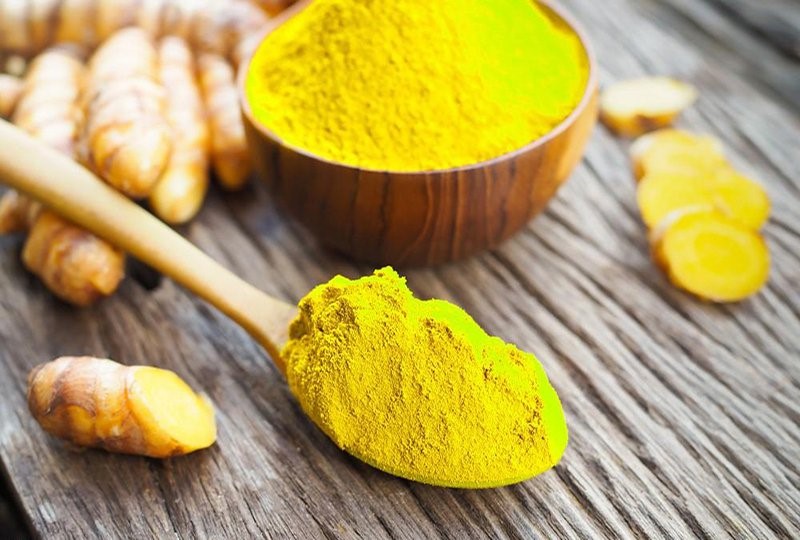
Turmeric comes from the underground rhizome of the plant Curcuma longa, which belongs to the ginger family.
It is commonly used as a spice and is responsible for the characteristic yellow-orange color of many dishes.
Turmeric contains several naturally occurring compounds, but the most widely studied are curcuminoids, including:
Curcumin
Demethoxycurcumin
Bisdemethoxycurcumin
Curcumin is often described as turmeric's principal bioactive compound.
However, turmeric contains many other substances, meaning turmeric and isolated curcumin supplements are not exactly the same thing.
Curcumin has been extensively studied in laboratory research because it can interact with several biological pathways.
Research has demonstrated potential:
Anti-inflammatory activity
Antioxidant activity
Effects on cellular signaling
Effects on certain enzymes
Interactions with inflammatory pathways
These findings have led researchers to investigate whether curcumin supplementation could have measurable effects in humans.
But there's an important distinction:
Activity in a laboratory does not automatically mean a food or supplement will prevent or treat a disease in humans.
Human clinical trials are necessary to determine whether those biological effects translate into meaningful health outcomes.
Inflammation is a normal part of the immune system's response to injury and infection.
The problem occurs when inflammatory processes become excessive or persist for too long.
Curcumin has been studied for its potential ability to influence several inflammatory pathways.
Some clinical trials have reported improvements in certain inflammatory markers among people taking curcumin supplements.
This is one of the main reasons turmeric has attracted attention for conditions involving chronic inflammation.
However, turmeric should not be considered a replacement for prescribed anti-inflammatory treatment.
Curcumin can act as an antioxidant and may also influence the body's own antioxidant defense mechanisms.
Oxidative stress occurs when reactive molecules are produced faster than the body's systems can neutralize them.
This process is involved in normal aging and has been studied in connection with numerous chronic diseases.
Curcumin's antioxidant properties are scientifically interesting, but that doesn't mean taking a turmeric supplement will prevent all oxidative damage.
A broader diet rich in:
Vegetables
Fruits
Whole grains
Legumes
Nuts
Seeds
Herbs and spices
provides a much wider variety of beneficial plant compounds.
One of the most promising areas of human research involves osteoarthritis, particularly knee osteoarthritis.
Several studies and systematic reviews have investigated curcumin or turmeric extracts for joint pain and function.
Some research suggests that certain standardized curcumin preparations may modestly improve:
Pain
Stiffness
Physical function
in people with osteoarthritis.
However, studies vary considerably in:
Formulation
Dose
Duration
Quality
Number of participants
Therefore, turmeric shouldn't automatically be considered equivalent to established medical treatments.
If you have persistent joint pain, proper diagnosis is important.
Researchers have also investigated curcumin in relation to exercise-induced inflammation and muscle soreness.
Some studies suggest supplementation may modestly reduce:
Muscle soreness
Certain markers of exercise-related inflammation
Perceived discomfort after strenuous activity
This could potentially be relevant to athletes or people beginning new exercise programs.
But curcumin is not a substitute for the fundamentals of recovery:
Sleep + adequate nutrition + hydration + appropriate training + rest
Those factors remain far more important.
Turmeric has a long history of culinary and traditional use for digestive complaints.
Researchers have investigated curcumin and turmeric preparations for several gastrointestinal conditions.
Some clinical evidence suggests potential benefits in certain inflammatory digestive disorders, but the results depend heavily on the specific condition and formulation.
It's important not to assume that turmeric will treat:
Chronic abdominal pain
Persistent diarrhea
Gastrointestinal bleeding
Unexplained weight loss
Severe reflux
These symptoms need proper medical evaluation.
Another area of research involves metabolic markers.
Clinical studies have explored whether curcumin supplementation can influence:
Blood glucose
Insulin sensitivity
Triglycerides
LDL cholesterol
HDL cholesterol
Some studies have reported modest improvements in certain markers.
However, results have not been consistent enough to recommend turmeric as a stand-alone treatment for diabetes or high cholesterol.
A more reliable strategy remains:
Regular exercise
High-fiber foods
Appropriate calorie intake
Healthy body weight
Limiting highly processed foods
Following prescribed treatment
Turmeric can complement this lifestyle rather than replace it.
Curcumin's effects on inflammation, oxidative stress, endothelial function, and metabolic markers have led to research into cardiovascular health.
Some small clinical studies suggest potential improvements in certain cardiovascular risk markers.
However, there is currently no reason to believe that taking turmeric alone can prevent heart attacks or strokes.
The strongest evidence-based strategies remain:
Controlling blood pressure
Managing cholesterol
Avoiding tobacco
Exercising regularly
Maintaining a healthy weight
Eating a balanced diet
Managing diabetes
Think of turmeric as one ingredient in a heart-healthy diet, not a cardiovascular medicine.
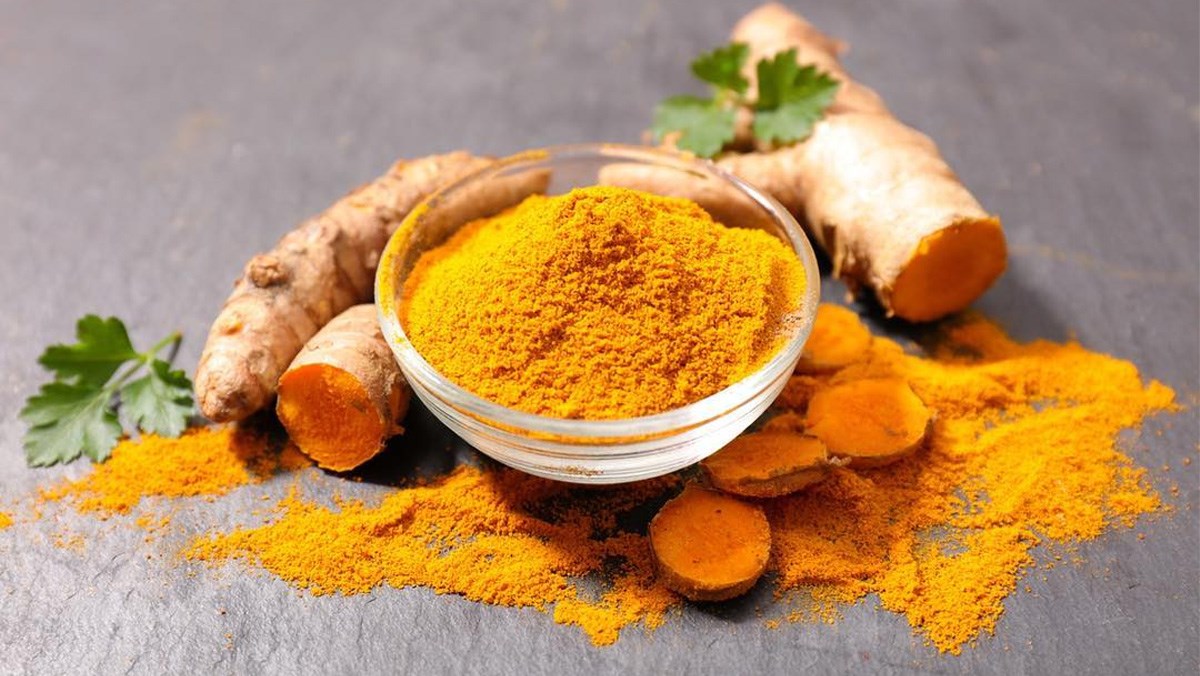
One simple advantage of turmeric is that it makes healthy foods more flavorful.
A meal containing:
Vegetables + beans + whole grains + healthy fats + turmeric
can be both nutritious and satisfying.
Turmeric can add flavor without requiring large quantities of:
Salt
Sugar
Heavy sauces
This can make it easier to build meals around minimally processed foods.
Sometimes the most useful health benefit of a spice is simply that it makes nutritious food taste better.
Turmeric tea has become extremely popular.
A basic turmeric drink may contain:
Fresh turmeric or turmeric powder
Hot water
Ginger
Lemon
Black pepper
Optional milk
It can be a pleasant, warming beverage.
However, turmeric tea should not be confused with a clinically studied curcumin supplement.
The amount of curcumin in a homemade drink can vary considerably.
If you add lots of honey or sugar, the drink can also become much higher in calories.
For everyday use, a lightly sweetened or unsweetened version is generally the simpler choice.
You may have heard that black pepper makes turmeric "work better."
There is some scientific basis for this.
Black pepper contains piperine, a compound that can substantially increase the absorption of curcumin when consumed together.
This is one reason many curcumin supplements contain piperine or use specialized formulations designed to improve absorption.
But increased absorption isn't automatically the same thing as greater clinical benefit.
Higher absorption can also potentially increase interactions with medications.
So people taking multiple medications should be cautious with concentrated curcumin products.
This distinction is extremely important.
Using turmeric as a culinary spice is very different from taking a concentrated curcumin capsule.
You may use a small amount in:
Curries
Soups
Rice
Vegetables
Eggs
Tea
The amount of curcumin consumed is relatively modest.
These may contain concentrated extracts and can deliver substantially higher amounts of curcuminoids.
Some products also contain ingredients intended to increase absorption.
Because of this, supplements can have different effects and risks from ordinary culinary turmeric.
It's easy to assume that if a little turmeric is beneficial, a large amount must be even better.
That isn't necessarily true.
High-dose supplements can cause side effects or interact with medications.
Potential adverse effects can include:
Nausea
Diarrhea
Abdominal discomfort
Indigestion
Heartburn
Some highly bioavailable curcumin formulations have also been associated with rare cases of liver injury.
This is another reason to avoid treating supplements as harmless simply because the ingredient comes from a plant.
People taking medications that affect blood clotting should be particularly cautious with concentrated turmeric or curcumin supplements.
Potential concerns involve interactions with:
Anticoagulants
Antiplatelet medications
Other drugs affecting bleeding
If you're taking medications such as warfarin or antiplatelet drugs, don't start a high-dose curcumin supplement without discussing it with your healthcare professional.
Normal culinary use is generally a different situation from concentrated supplementation.
Turmeric and curcumin may influence bile production and flow.
For most people, this isn't necessarily a problem.
However, people with certain gallbladder or bile duct conditions, including gallstones, should discuss concentrated turmeric supplements with a healthcare professional.
If turmeric causes abdominal pain, particularly after taking a supplement, stop and seek appropriate medical advice.
This topic can be confusing.
Turmeric naturally contains oxalates, and some supplements may provide relatively concentrated amounts.
People with a history of calcium oxalate kidney stones may need to discuss high-dose turmeric or curcumin supplementation with their healthcare professional.
This does not mean everyone needs to avoid turmeric as a culinary spice.
The risk depends on individual circumstances, overall diet, and the amount consumed.
Turmeric used in normal culinary amounts is different from concentrated supplements.
Pregnant people should be cautious about taking high-dose turmeric or curcumin supplements unless recommended by a healthcare professional.
Pregnancy changes medication and supplement considerations, so "natural" isn't automatically synonymous with "safe."
This is one of the biggest claims you'll see online.
Curcumin has been extensively studied in laboratory research involving cancer cells and molecular pathways.
However, laboratory findings do not establish that turmeric or curcumin prevents or cures cancer in humans.
There is currently no basis for replacing cancer screening or treatment with turmeric.
If you have symptoms or a cancer diagnosis, follow evidence-based medical care.
Turmeric can be part of a healthy diet, but it isn't an anticancer treatment.
Another popular claim is that turmeric cleanses or detoxifies the liver.
This is misleading.
Your liver already performs complex metabolic and detoxification functions.
There is no need to periodically "flush" it with turmeric tea.
In fact, concentrated turmeric supplements have been linked to rare cases of liver injury.
So the idea that more turmeric is always better for the liver is particularly problematic.
A healthier strategy is to:
Limit excessive alcohol
Maintain a healthy weight
Exercise
Eat a balanced diet
Avoid unnecessary supplements
Manage diabetes and cholesterol
Follow medical advice
You don't need complicated recipes.
Mix turmeric with olive oil, black pepper, and roasted vegetables.
A small amount can add color and flavor to lentil or vegetable soups.
A pinch of turmeric can work well in scrambled eggs or omelets.
Turmeric can add color and earthy flavor to rice dishes.
Use a modest amount of turmeric with hot water, ginger, and lemon.
Try this basic version:
½ teaspoon turmeric powder
1 cup hot water
A small piece of fresh ginger, optional
A pinch of black pepper
Lemon, optional
Small amount of honey, optional
Add the turmeric and ginger to hot water and allow it to steep for several minutes.
Add a small pinch of black pepper if desired.
Finish with lemon.
If you're limiting added sugar, use little or no honey.
This is a simple beverage, not a medical treatment.
There isn't one universal daily dose for turmeric as a food.
Culinary amounts are generally much smaller than doses used in clinical trials of concentrated curcumin extracts.
If you're considering supplementation, don't assume that a study using a specific curcumin preparation means the same dose or formulation will have the same effects for you.
Supplements vary significantly in:
Curcumin concentration
Bioavailability
Additional ingredients
Manufacturing quality
If you have a medical condition or take prescription medications, consult a healthcare professional before using concentrated products.
If you decide to use a supplement, consider products that provide:
Clear ingredient labeling
A defined amount of curcuminoids
Third-party testing where available
Reputable manufacturing
Appropriate dosing information
Avoid products making extreme claims such as:
"Cures cancer."
"Reverses arthritis overnight."
"Detoxes your liver."
"Replaces prescription medicine."
These are major red flags.
The evidence around turmeric is strongest when it comes to potential modest effects in certain areas, particularly:
Some forms of osteoarthritis pain
Nausea in certain situations
Some inflammatory markers
Certain metabolic markers
But the quality of evidence varies.
Some studies are small, short-term, or use specialized formulations.
That's why responsible health information should use phrases such as:
"may help"
"has been studied for"
"potential benefit"
rather than claiming that turmeric definitely treats or prevents a disease.
Talk with a healthcare professional before taking concentrated curcumin if you:
Take blood-thinning medication
Have gallbladder or bile duct disease
Have a history of kidney stones
Have liver disease
Are pregnant or breastfeeding
Take multiple prescription medications
Have upcoming surgery
Have a history of supplement-related liver problems
Again, these concerns generally apply more strongly to concentrated supplements than to ordinary culinary use.
Turmeric may influence inflammatory pathways, but it isn't a universal treatment for inflammatory diseases.
High-dose supplementation can cause side effects and interactions.
Laboratory research is interesting, but human evidence does not support using turmeric as a cancer treatment or prevention strategy.
Your liver already performs its own metabolic and detoxification functions.
Natural compounds can still interact with medications and cause adverse effects.
The amount and absorption of curcumin can differ substantially.
For most people, the simplest approach is to treat turmeric as a spice rather than a medicine.
Add it to a diet containing:
Vegetables
Fruits
Beans
Whole grains
Fish or other quality protein
Nuts and seeds
Healthy fats
This gives you a wide range of nutrients and plant compounds.
If you enjoy turmeric tea, keep added sugar modest.
If you're considering a concentrated supplement, check with your healthcare professional first.

Turmeric is much more than a colorful spice.
Its active compounds particularly curcuminoids such as curcumin - have been studied extensively for their antioxidant and anti-inflammatory properties.
Human research suggests that certain curcumin preparations may provide modest benefits for conditions such as osteoarthritis and may influence some metabolic or inflammatory markers.
But the evidence isn't strong enough to call turmeric a miracle cure.
For everyday health, using turmeric in cooking is a simple and flavorful way to add variety to your diet.
If you choose a concentrated curcumin supplement, however, remember that higher doses aren't automatically safer or more effective.
Turmeric deserves attention because there is genuine scientific interest behind many of its traditional uses.
But the most useful way to think about it isn't as a magical root that can cure disease.
Think of turmeric as one small part of a much larger health picture.
Use it to flavor vegetables, soups, rice, eggs, legumes, and other nutritious foods. Enjoy turmeric tea if you like it. Combine it with a varied diet, regular physical activity, adequate sleep, and appropriate medical care.
And if you're considering high-dose curcumin supplements—especially if you take prescription medication or have an existing medical condition—talk with your healthcare professional first.
Turmeric may offer meaningful potential benefits, but the real power comes from the overall lifestyle that surrounds it.
Your Body May Show These 7 Warning Signs of Heart Problems
What Eating Onions May Do for Your Health
5 Popular Dinner Choices That Could Put Extra Stress on Your Kidneys
Your Kidneys May Be Warning You: Early Signs and Prevention Tips
Why Ginger Deserves a Place in Your Diet: Benefits for Energy and Overall Health
6 Foods That May Support a Healthy Liver: 4 Vegetables and 2 Fruits


Tiny Red Spots on Your Skin? Understanding the Possible Causes
A simple boiled banana habit may support digestion, energy, and heart health.
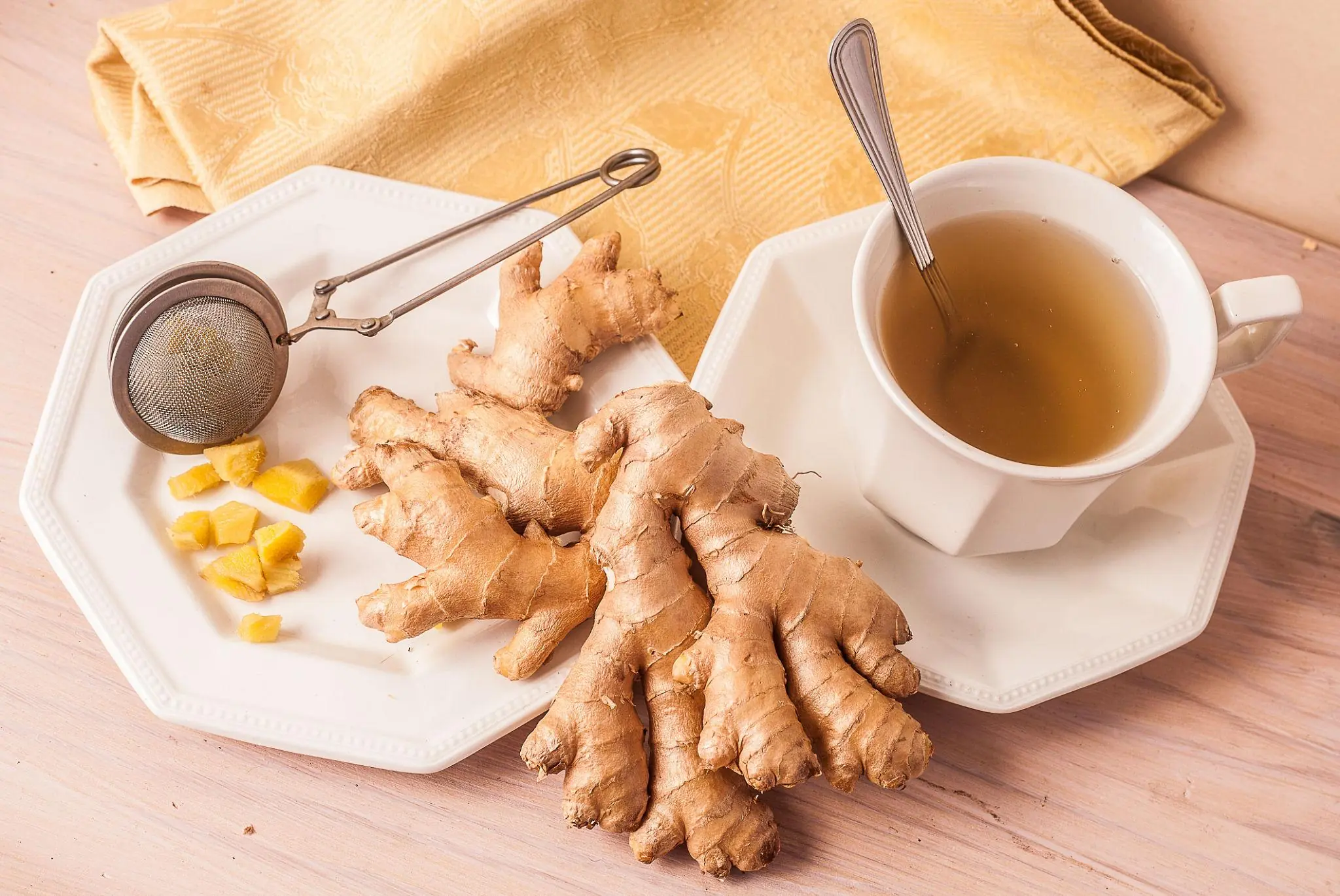
Ginger is widely praised for its health benefits, but consuming too much may cause unexpected side effects and health concerns.
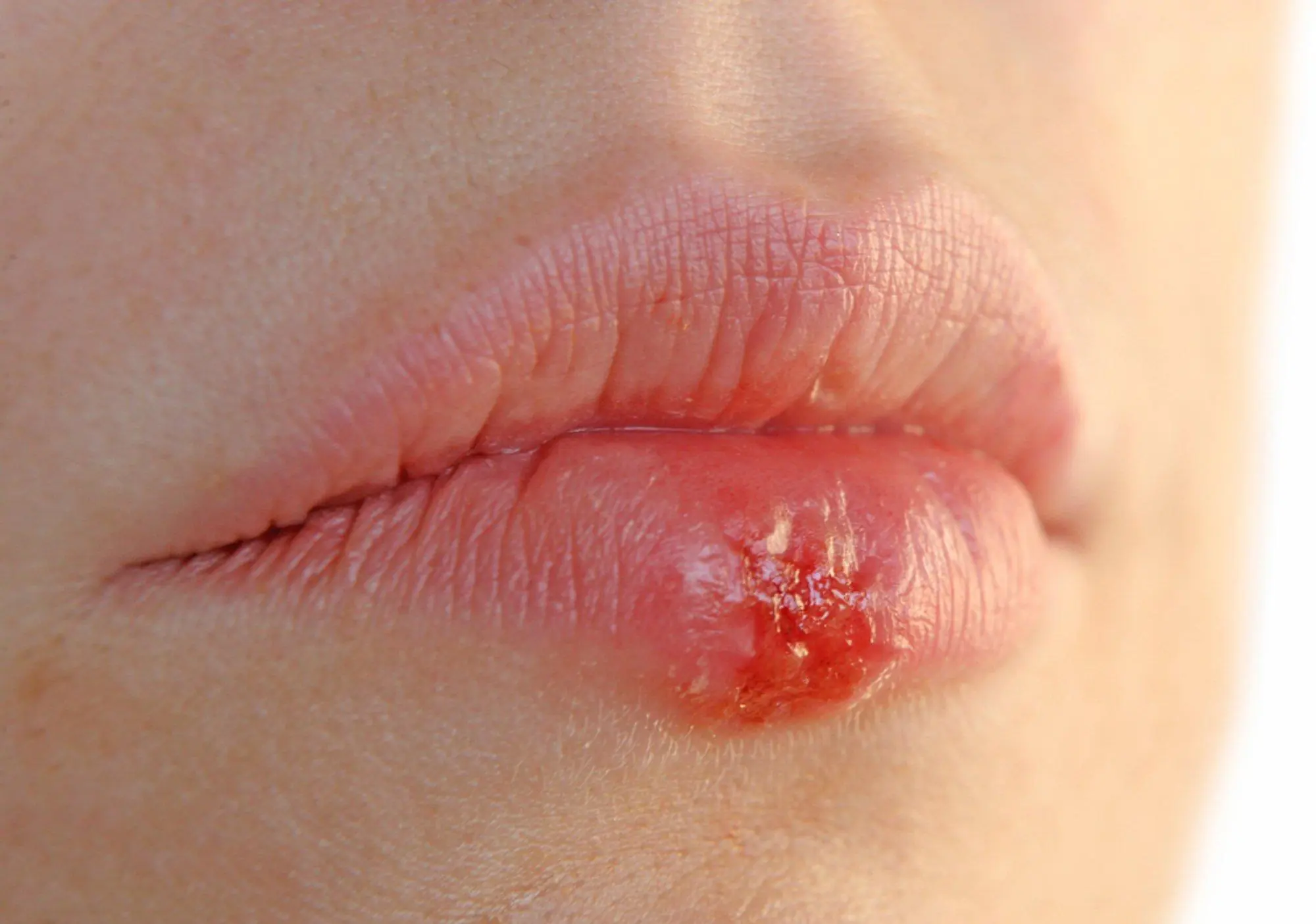
What your skin may be trying to tell you
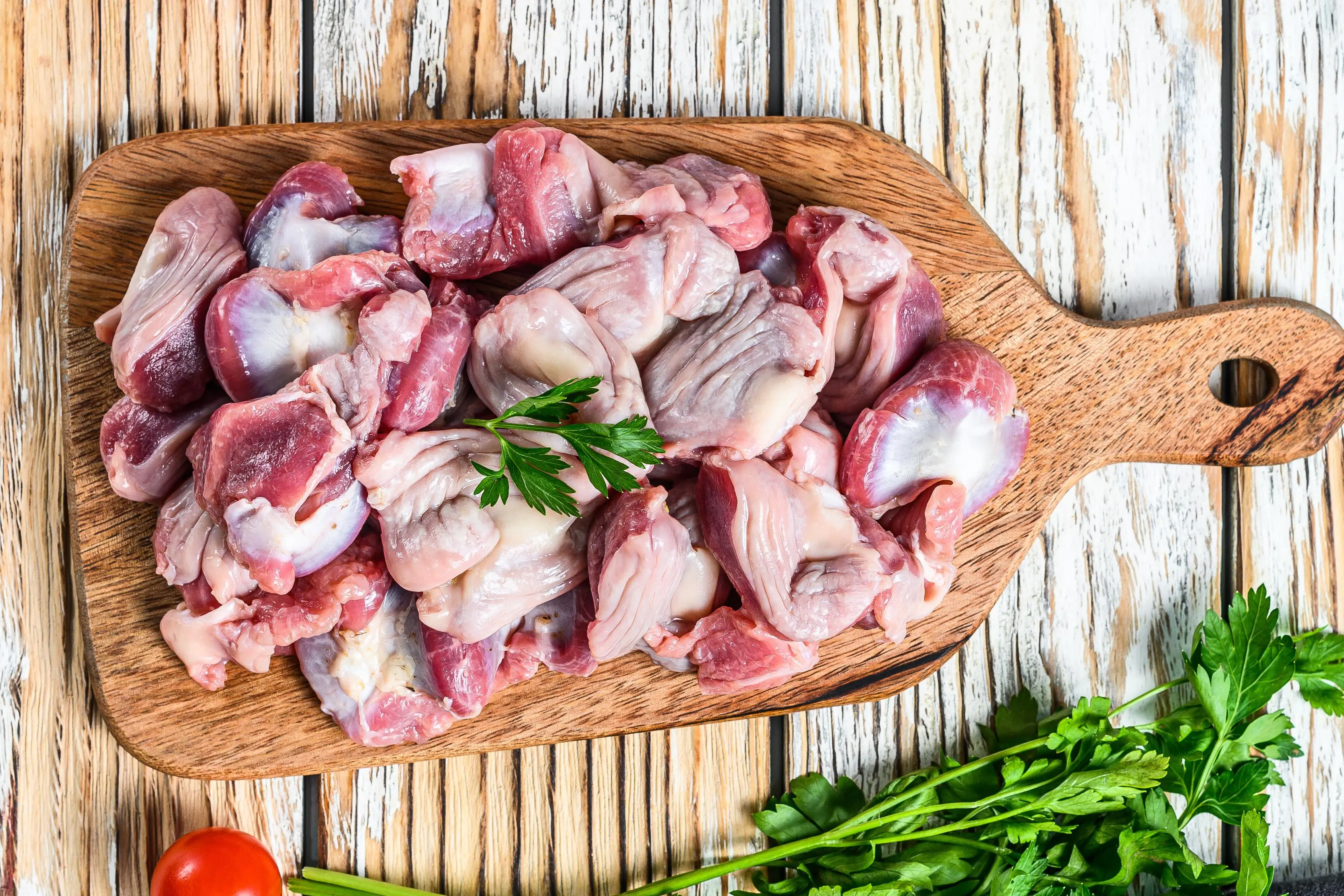
Strange to Some, Nutritious to Millions

A Simple Shopping Habit That Could Help Protect Your Family's Health

What to ask your doctor before a colonoscopy: The most important question

Waking up like this? You should pay attention

The Truth About Breast Size and Hormones May Surprise You

Japan’s Proven Approach to Drying Bulky Clothes Quickly and Effectively

That Buzzing Sound in Your Ear Could Mean More Than You Think
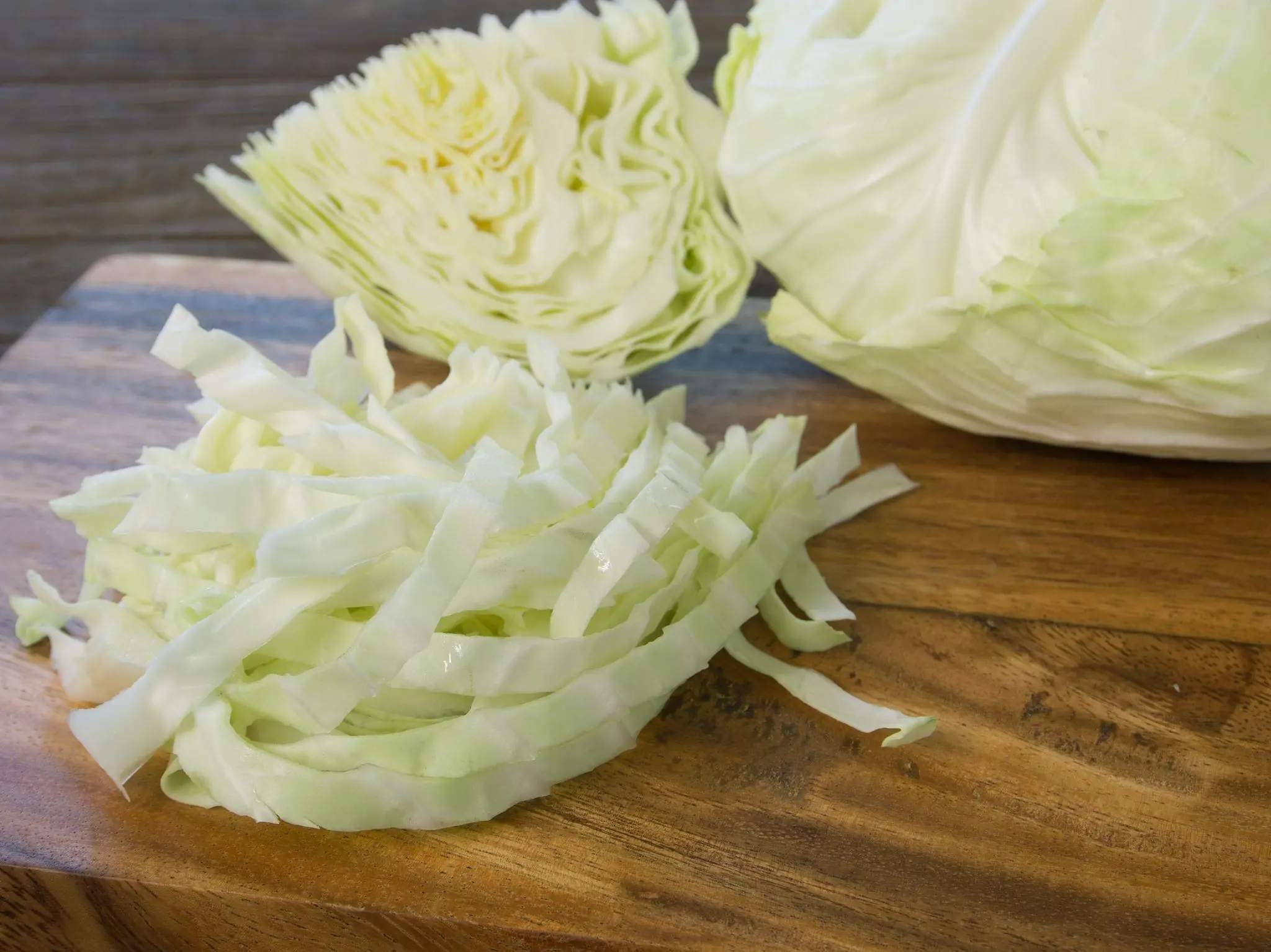
Cabbage Can Be Healthy—But Not for Everyone. Here's Why
The Soldier Who Went Back for His Commander
Your Body May Show These 7 Warning Signs of Heart Problems
This Simple Vinegar and Fabric Softener Mix Could Make Household Chores Easier
What Eating Onions May Do for Your Health
Loyalty is not staying when it is easy. It is returning when everyone else is leaving.
5 Popular Dinner Choices That Could Put Extra Stress on Your Kidneys
The Soldier Who Missed His Daughter’s Birthday
Your Kidneys May Be Warning You: Early Signs and Prevention Tips
The Rank Between Us
They laughed at the old soldie until he jumped into the flood.
THEY LAUGHED AT THE OLD MAN
Why Ginger Deserves a Place in Your Diet: Benefits for Energy and Overall Health
6 Foods That May Support a Healthy Liver: 4 Vegetables and 2 Fruits
The Soldier and the Earthquake
Tiny Red Spots on Your Skin? Understanding the Possible Causes
The firefighters said everyone was out but one soldier heard a child crying.
The firefighters said everyone was out but one soldier heard a child crying.