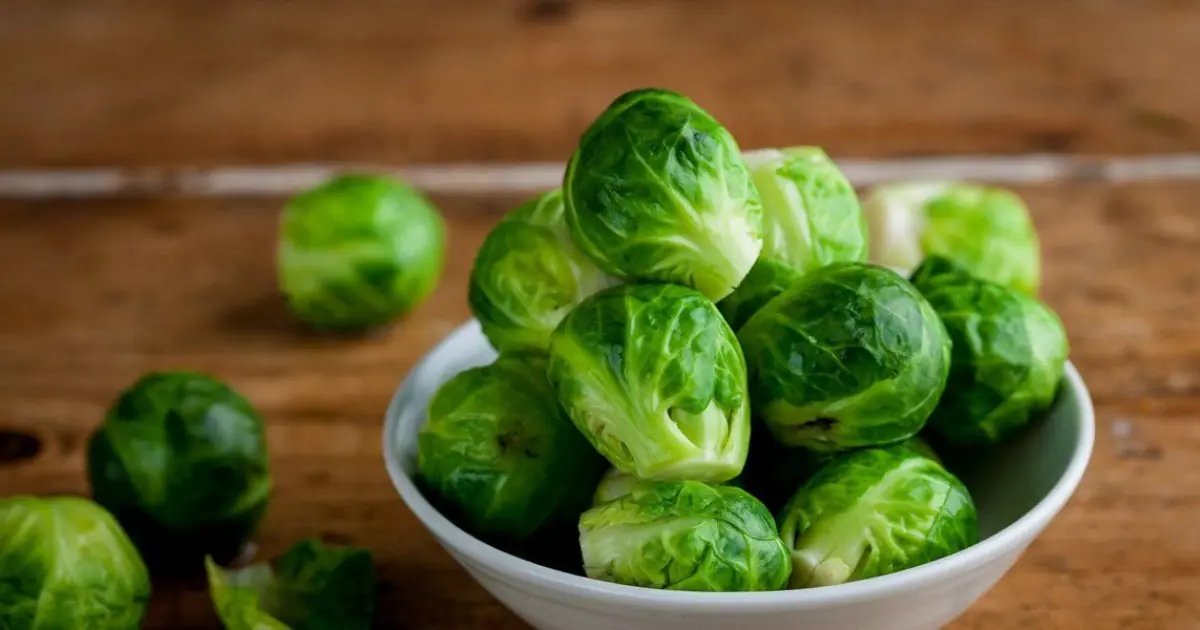
Honestly, Does Anyone Here Actually Eat Brussels Sprouts?
Be Honest: Do You Actually Eat Brussels Sprouts?
⏱️ 1 min read 24/08/2026 15:00
Turmeric has been treasured for thousands of years as both a culinary spice and a traditional herbal remedy. Known for its vibrant golden-yellow color and warm, earthy flavor, turmeric is a staple ingredient in many Asian, Middle Eastern, and African cuisines. Beyond the kitchen, it has long been used in traditional systems of medicine such as Ayurveda and Traditional Chinese Medicine.
In recent years, turmeric has gained worldwide attention because of curcumin, its primary active compound. Curcumin has been extensively studied for its antioxidant and anti-inflammatory properties, leading researchers to explore its potential role in supporting overall health. While many studies show promising results, it is important to understand that much of the research has been conducted in laboratories or with concentrated curcumin supplements rather than with turmeric used as a spice in everyday cooking.
Current evidence suggests that turmeric may offer several health benefits when included as part of a balanced diet, but it should not be viewed as a cure for disease or a replacement for prescribed medical treatment.
Here's what current research tells us.
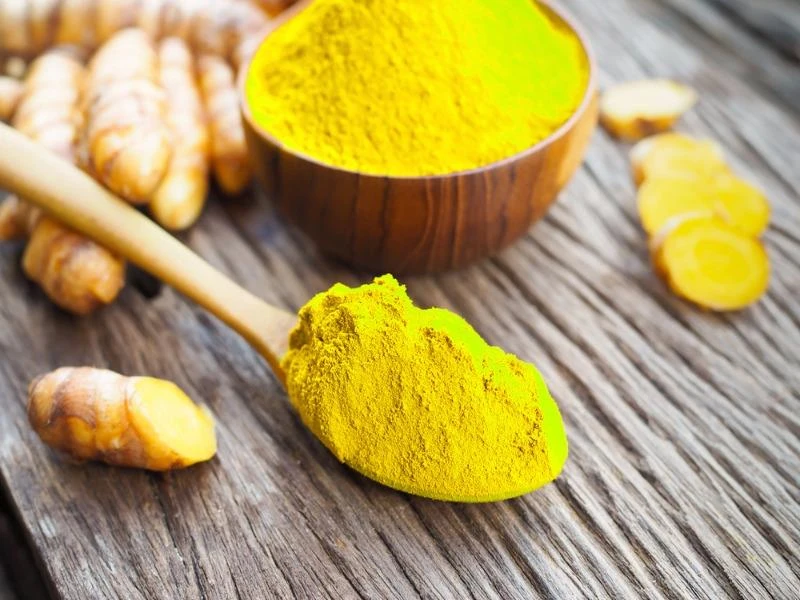
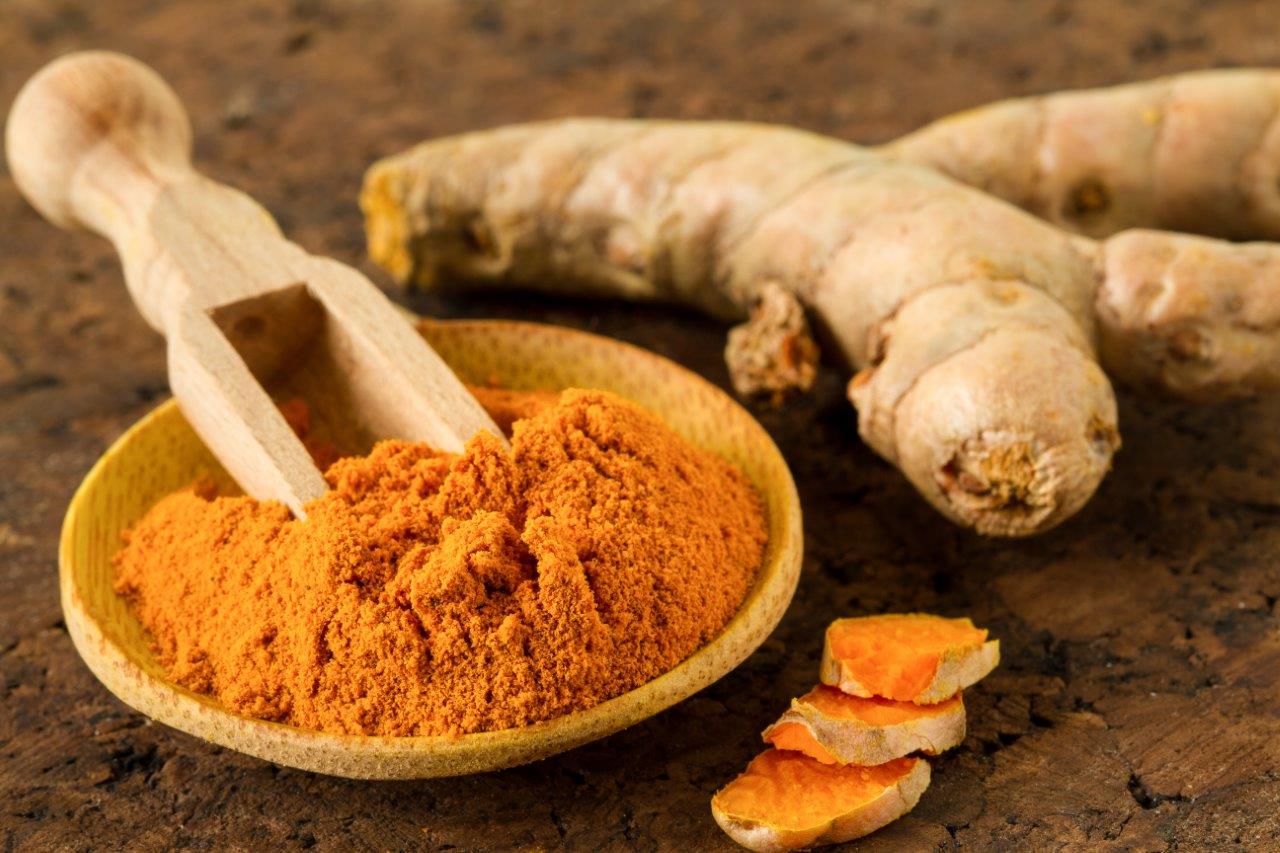
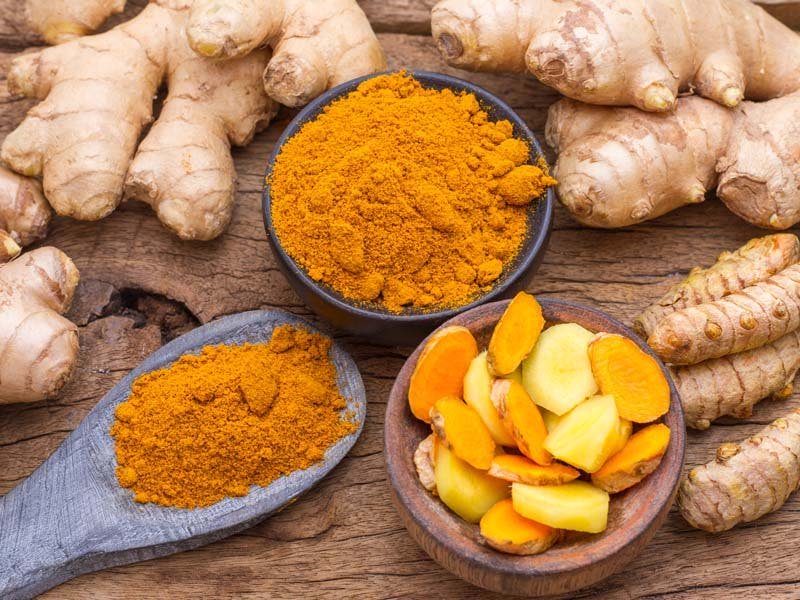
Turmeric comes from the root of the plant Curcuma longa, a member of the ginger family.
After harvesting, the root is boiled, dried, and ground into the familiar bright yellow powder used in cooking.
Turmeric contains several naturally occurring compounds called curcuminoids, with curcumin being the best known and most widely studied.
Other beneficial plant compounds include:
Essential oils
Turmerone
Demethoxycurcumin
Bisdemethoxycurcumin
Various antioxidants
Together, these compounds contribute to turmeric's biological activity.
Although turmeric is usually consumed in small amounts as a spice, it provides:
Manganese
Iron
Potassium
Small amounts of fiber
Plant-based antioxidants
The most significant health interest, however, centers on curcumin rather than its vitamin or mineral content.
One of turmeric's best-known properties is its antioxidant activity.
Antioxidants help protect cells from oxidative stress caused by unstable molecules called free radicals.
Oxidative stress is a normal part of metabolism, but excessive amounts have been linked to aging and many chronic diseases.
Including antioxidant-rich foods like fruits, vegetables, herbs, spices, and whole grains supports overall health.
Inflammation is a natural process that helps the body respond to injury and infection.
However, long-term low-grade inflammation has been associated with several chronic health conditions.
Laboratory studies suggest curcumin may influence multiple pathways involved in the body's inflammatory response.
Although these findings are encouraging, more high-quality clinical trials are needed to determine how these effects translate into everyday health outcomes.
Turmeric supplements containing concentrated curcumin have been studied for their potential role in supporting joint comfort, particularly in people with osteoarthritis.
Some clinical studies suggest modest improvements in joint pain and function.
However:
Results vary between studies.
Supplements are different from culinary turmeric.
Individuals with persistent joint pain should consult a healthcare professional.
Turmeric should not replace evidence-based treatment for arthritis.
Heart health depends on many lifestyle factors, including nutrition, physical activity, sleep, and avoiding tobacco.
Researchers continue to study whether curcumin may support cardiovascular health through its antioxidant and anti-inflammatory effects.
At present, evidence is promising but not conclusive.
Maintaining a heart-healthy diet rich in fruits, vegetables, whole grains, legumes, nuts, and healthy fats remains the cornerstone of cardiovascular wellness.
Scientists are exploring whether curcumin may help protect nerve cells from oxidative stress and inflammation.
Early research has generated interest in its potential role in healthy aging and brain function.
However, more human studies are needed before firm conclusions can be made.
The best-supported lifestyle habits for brain health remain:
Regular physical activity
Quality sleep
Mental stimulation
A nutritious diet
Managing blood pressure and blood sugar
Turmeric has traditionally been used to support digestion in many cultures.
Some people enjoy turmeric tea or use turmeric in meals after eating.
Although research continues, evidence remains limited regarding its effectiveness for specific digestive conditions.
A healthy digestive system also depends on:
Fiber-rich foods
Adequate hydration
Regular physical activity
Limiting highly processed foods
Turmeric is often promoted as an "immune booster."
Current evidence suggests that curcumin interacts with various immune system pathways, but there is no strong evidence that turmeric alone can prevent infections or replace recommended medical care.
Supporting the immune system involves multiple healthy habits, including:
Eating a balanced diet
Getting enough sleep
Exercising regularly
Managing stress
Staying up to date with recommended vaccinations
One of turmeric's greatest advantages is its versatility.
You can add it to:
Soups
Curries
Rice dishes
Roasted vegetables
Smoothies
Herbal teas
Lentils
Scrambled eggs
Many recipes combine turmeric with black pepper because black pepper contains piperine, a compound that may improve the absorption of curcumin.
One challenge with turmeric is that curcumin is poorly absorbed by the body when consumed alone.
Researchers have found that absorption may improve when turmeric is consumed:
With black pepper (piperine)
Alongside healthy fats such as olive oil or avocado
As specially formulated supplements designed to enhance bioavailability
Even so, culinary turmeric remains a flavorful and nutritious spice that can be part of a healthy eating pattern.
For most healthy adults, using turmeric as a cooking spice is considered safe.
However, concentrated turmeric or curcumin supplements may not be appropriate for everyone.
Speak with your healthcare provider before taking turmeric supplements if you:
Take blood-thinning medications.
Have gallbladder disease or bile duct obstruction.
Have iron deficiency, as very high intakes may interfere with iron absorption.
Are pregnant or breastfeeding.
Are preparing for surgery.
Supplements often provide much higher doses than would typically be consumed in food.
Fact: Laboratory studies are promising, but there is currently no strong evidence that turmeric cures or prevents cancer in humans.
Fact: More is not necessarily better. Excessive intake or high-dose supplements may increase the risk of side effects in some individuals.
Fact: Any potential benefits from dietary patterns generally occur over time and should not be expected immediately.
Fact: Turmeric is a food and, in some cases, a dietary supplement—not a substitute for medical treatment.
If you'd like to enjoy turmeric regularly:
Use it as a seasoning in soups, curries, and roasted vegetables.
Pair it with black pepper and healthy fats to enhance curcumin absorption.
Choose whole foods over relying on supplements unless advised by a healthcare professional.
Eat a variety of colorful fruits and vegetables alongside turmeric for a broad range of beneficial nutrients.
Remember that no single food determines overall health.
Turmeric is a flavorful spice rich in curcumin and other naturally occurring plant compounds that have attracted considerable scientific interest. Research suggests turmeric may have antioxidant and anti-inflammatory properties and could potentially support joint, heart, brain, digestive, and immune health. However, much of the evidence comes from laboratory studies or research using concentrated curcumin supplements rather than turmeric used in everyday cooking.
For most people, incorporating turmeric into a balanced diet is a safe and enjoyable way to add flavor and beneficial plant compounds to meals. While turmeric may contribute to overall wellness, it should not be considered a cure for disease or a replacement for evidence-based medical care. Long-term health is best supported by a varied diet, regular physical activity, adequate sleep, stress management, and routine healthcare.
Be Honest: Do You Actually Eat Brussels Sprouts?
Does Lychee Help With Digestion? Here’s What to Know
Why You Should Eat More Dates: 9 Benefits to Know




Doctors reveal surprising reasons behind waking up at 3 a.m. nightly.

Early liver cancer often causes subtle symptoms that are easy to overlook.

Doctors reveal why your phone doesn't belong next to your bed at night.

Healthy eating habits matter, but cancer risk is rarely caused by one food.

He Ate Garlic Every Day for 5 Months — What Happened to His Kidneys Surprised Doctors

Sudden color changes in the fingers may be more than a reaction to cold weather.

This Neck Lump Looked Harmless—Until It Didn't

Pancreatic can.cer often develops quietly. Recognizing subtle warning signs early could make a significant difference in diagnosis and treatment outcomes.

If Your Skin Looks Like This, Don’t Ignore the Warning Signs

🌙 Keep Waking Up at 3 or 4 A.M.? There may be a reason your body keeps disturbing your sleep… 👀

Tiny red spots on the skin can reveal more than many people realize.
Be Honest: Do You Actually Eat Brussels Sprouts?
99% of People Can’t Figure Out What This Mysterious Piece of Steel Is For
The Ingredient You’d Give Up May Reveal More About You Than You Think
Does Lychee Help With Digestion? Here’s What to Know
Why You Should Eat More Dates: 9 Benefits to Know
An Unusual Metal Object From 1907: What Was It Originally Used For?
Anyone Know What These Are? My Neighbor Gave Me a Bag Full
My Husband Left Me Nothing After 69 Years Then His Lawyer Revealed His Secret Plan
His Name Was on the Tag But He Had No Idea Why - Then Came the Keys
Can You Count All the Dots?