Turning 40 can feel like a major milestone.
For some people, nothing seems dramatically different at first. You wake up, go to work, exercise, eat, sleep, and continue with your usual routine.
Then, little by little, you may start noticing things that weren't there in your 20s or 30s.
Your waistline seems a little harder to manage.
You don't recover from a workout quite as quickly.
Your sleep may become less predictable.
You might notice changes in your skin, energy, mood, or even your menstrual cycle.
These changes don't necessarily mean that something is wrong.
Aging is a normal biological process, and many changes that appear during your 40s are completely normal. However, some symptoms deserve attention because they can also overlap with medical conditions.
The important thing is learning the difference between normal changes and changes that shouldn't simply be dismissed as “getting older.”
Here are six changes worth knowing about.
1. Your Muscle Mass and Strength May Start Changing
One of the biggest changes that can happen with age is a gradual decline in muscle mass and strength.
Muscle mass generally peaks around early adulthood, and age-related loss can begin long before someone considers themselves “old.” The National Institute on Aging notes that muscle mass and strength can decline with age, and more significant loss is known as sarcopenia.
You might notice this in subtle ways.
Maybe carrying heavy grocery bags doesn't feel as easy.
Maybe climbing several flights of stairs leaves you more tired than it used to.
Perhaps getting up from a low chair requires more effort.
Or you may simply feel that your body isn't as strong as it once was.
That doesn't mean you should accept weakness as inevitable.
Physical activity—particularly resistance or strength training—can help maintain muscle mass, strength, and physical function as you age.
What can help?
You don't necessarily need to spend hours in a gym.
Resistance exercises can include:
-
Squats
-
Lunges
-
Push-ups
-
Resistance bands
-
Weight training
-
Bodyweight exercises
-
Carrying appropriate weights
The key is consistency.
And don't forget protein and overall nutrition. Your muscles need adequate nutrients to repair and maintain themselves.
When should weakness concern you?
Normal aging tends to be gradual.
Sudden or unexplained weakness is different.
If you suddenly lose strength, especially on one side of the body, or develop weakness alongside difficulty speaking, severe dizziness, facial drooping, or other neurological symptoms, seek urgent medical attention.
2. Your Weight and Body Shape May Start Changing
Many people notice that maintaining the same weight becomes more difficult after 40.
You may eat roughly the same foods you always have, yet your body seems to respond differently.
Your waistline may become larger.
You may gain fat more easily.
Or you may find that losing a few pounds takes considerably more effort than it did in your 20s.
This isn't necessarily your imagination.
The National Institute on Aging notes that metabolism can change with age, meaning some people may need to become more active or adjust calorie intake to maintain their weight.
But weight isn't the whole story.
Body composition matters.
Two people can have the same body weight but very different proportions of muscle and fat.
This is one reason simply trying to make the number on the scale smaller isn't always the best goal.
Instead, think about maintaining muscle while managing excess body fat.
Regular physical activity, adequate nutrition, good sleep, and a sustainable eating pattern can all contribute to healthy weight management.
But don't ignore unexplained weight loss.
Weight gain is common for many people as they age.
Unintentional weight loss is different.
If you're losing a significant amount of weight without deliberately changing your diet or activity level, it's worth discussing with a healthcare professional.
Unexpected weight loss can have many causes, ranging from changes in appetite to medical conditions.
So don't automatically assume it's simply a sign that you're “getting older.”
3. Your Menstrual Cycle May Start Changing
For women, the 40s can bring another major transition: perimenopause, the period leading up to menopause.
Perimenopause doesn't necessarily begin at exactly 40.
The timing varies considerably from person to person.
However, hormonal fluctuations can begin during the 40s, and changes in menstrual patterns are often among the first noticeable signs.
Your periods may become:
-
Shorter
-
Longer
-
Heavier
-
Lighter
-
More irregular
-
More widely spaced
You might also experience symptoms such as:
-
Hot flashes
-
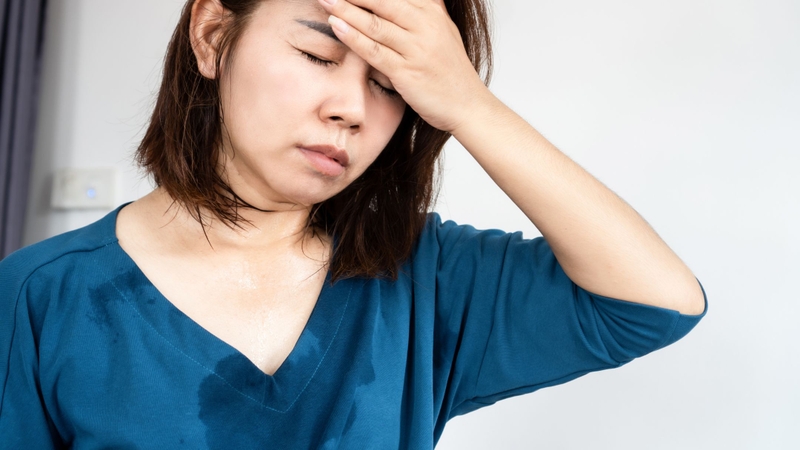
Night sweats
-
Sleep problems
-
Mood changes
-
Vaginal dryness
-
Changes in sexual comfort
-
Difficulty concentrating
The National Institute on Aging explains that the menopausal transition can also be associated with changes in body composition, bone density, heart health, and physical function.
But here's something important:
Not every menstrual change should automatically be blamed on perimenopause.
ACOG recommends discussing changes in menstrual bleeding with a healthcare professional because abnormal bleeding can sometimes have another cause.
So if your periods suddenly become dramatically different, unusually heavy, very prolonged, or otherwise concerning, don't simply say:
“I'm over 40. This must be menopause.”
Get it checked.
4. Your Sleep May Become Less Predictable
Remember when you could fall asleep almost anywhere?
Maybe you could stay up late and still function normally the next morning.
After 40, sleep can become more complicated.
You may wake up earlier than expected.
You may have trouble staying asleep.
You might wake several times during the night.
Or you may get what seems like a full night's sleep but still feel tired the next morning.
Hormonal changes during perimenopause can contribute to sleep problems, particularly when hot flashes or night sweats interrupt sleep.
But hormones aren't the only explanation.
Stress, medications, alcohol, caffeine, changes in routine, sleep disorders, and other health conditions can also affect sleep.
Don't normalize extreme fatigue.
Feeling occasionally tired is normal.
Feeling exhausted every day isn't something you should automatically blame on age.
If you're consistently tired despite getting enough time in bed, wake up repeatedly during the night, snore loudly, gasp during sleep, or struggle to stay awake during the day, talk with a healthcare professional.
Poor sleep isn't just an inconvenience.
It can affect mood, concentration, physical performance, and overall health.
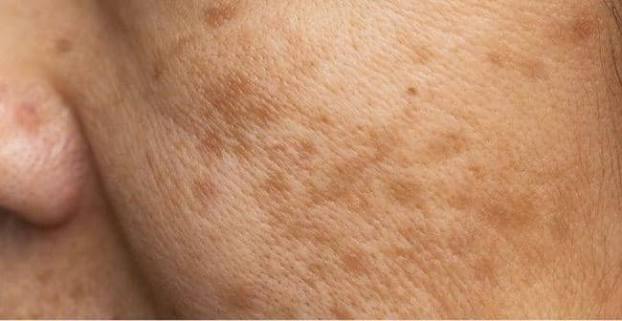
5. Your Skin, Hair, and Body Composition May Look Different
Your appearance can change noticeably during your 40s.
Your skin may feel drier.
Fine lines may become more visible.
Your hair may become thinner or change in texture.
You may notice that your body doesn't look exactly the way it did a decade earlier, even if your weight hasn't changed much.
For women approaching menopause, hormonal changes can contribute to changes in skin, hair, body shape, and muscle-to-fat distribution.
Some of these changes are simply part of aging.
But sudden or dramatic changes deserve a closer look.
For example, significant hair loss can have multiple causes, including nutritional issues, hormonal changes, medications, stress, and medical conditions.
The answer isn't necessarily another expensive beauty product.
Sometimes the most useful step is determining why the change is happening in the first place.
6. Your Bones and Joints Deserve More Attention
You may also begin noticing more stiffness after sitting for a long time.
Your knees might complain after an intense workout.
Your back may feel tighter in the morning.
Or you may realize that you don't recover from physical activity as quickly as you once did.
Some joint stiffness is common with aging, but persistent pain shouldn't simply be dismissed as “normal after 40.”
Your bones also deserve attention.
Bone density can change with age, and the menopausal transition can contribute to changes in bone health. After menopause, women become more vulnerable to osteoporosis.
That's why maintaining bone health becomes increasingly important.
Your bones respond to movement.
Weight-bearing activity and resistance training can help support bone and muscle health. The National Institute on Aging notes that exercise may help protect against osteoporosis and age-related loss of muscle mass, strength, and function.
Nutrition matters too.
Adequate calcium and vitamin D are important for bone health, and NIA recommends paying attention to both during and after menopause.
Your 40s Are Also a Good Time to Pay More Attention to Prevention
One of the biggest mistakes people make after 40 is waiting until something feels wrong before thinking about their health.
But preventive care becomes increasingly important as you age.
Regular checkups can help identify issues such as high blood pressure, abnormal cholesterol, diabetes risk, and other health concerns before they produce obvious symptoms.
The National Institute on Aging recommends regular health exams and screenings appropriate to your age and individual risk factors.
This doesn't mean you need to obsess over every small change.
It means you should become more intentional about your health.
Know your family history.
Keep track of important health measurements.
Stay physically active.
Eat a balanced diet.
Prioritize sleep.
Avoid smoking.
Limit alcohol.
And discuss appropriate screenings with your healthcare professional.
What Changes Should You NOT Simply Blame on Age?
This is perhaps the most important part.
Some changes are common with aging.
But “I'm getting older” should not become an excuse for ignoring symptoms.
Talk with a healthcare professional if you experience:
-
Sudden or unexplained weakness
-
Unintentional weight loss
-
Persistent or severe fatigue
-
Significant changes in menstrual bleeding
-
Persistent chest pain
-
Unexplained shortness of breath
-
New neurological symptoms
-
Persistent or worsening pain
-
Significant changes in vision
-
Repeated dizziness or fainting
-
New lumps or masses
-
Symptoms that continue or progressively worsen
The exact warning signs that matter most depend on your age, sex, medical history, medications, and risk factors.
Don't Think of Turning 40 as a Decline
Here's a different way to look at it.
Turning 40 isn't a deadline.
It's not the moment when your body suddenly “breaks down.”
It's simply a point in life when paying attention to your health can become increasingly valuable.
You may have less muscle than you did at 25.
Your metabolism may respond differently.
Your sleep may change.
Your hormones may fluctuate.
Your body composition may shift.
But many of these processes can be influenced by your lifestyle and healthcare choices.
Regular exercise is particularly powerful.
The National Institute on Aging notes that physical activity is associated with better physical function and lower risk of several chronic conditions, including cardiovascular disease, high blood pressure, type 2 diabetes, obesity, and some cancers.
In other words, your 40s aren't just about noticing changes—they're an opportunity to influence what happens next.
A Simple Health Checklist for Your 40s
Instead of trying to change everything at once, focus on a few fundamentals.
Move your body
Combine cardiovascular activity with strength training and regular everyday movement.
Protect your muscles
Don't focus exclusively on the number on the scale. Maintaining strength and muscle is increasingly important as you age.
Prioritize sleep
Give yourself enough time to sleep and investigate persistent sleep problems instead of accepting chronic exhaustion.
Eat for long-term health
Build your diet around nutrient-dense foods rather than relying on restrictive short-term diets.
Pay attention to hormonal changes
If you're experiencing menstrual changes, hot flashes, night sweats, or other symptoms associated with perimenopause, discuss them with your healthcare professional.
Protect your bones
Regular physical activity and adequate calcium and vitamin D are important components of bone health.
Keep up with preventive care
Regular checkups and appropriate screenings can help identify health problems earlier.
The Bottom Line
Turning 40 doesn't mean your best years are behind you.
But it can be a useful reminder that your body is changing and that your health habits may need to evolve with it.
You may notice changes in muscle strength, body weight and composition, menstrual cycles, sleep, skin and hair, and bone or joint health.
Many of these changes can be part of normal aging or hormonal transitions, particularly during perimenopause.
The key is not to fear every change.
Instead, notice it, understand it, and know when it deserves professional attention.
Your 40s can be the decade when you stop taking your health for granted and start treating it as a long-term investment.
Because getting older isn't something you need to fight.
It's something you can prepare for.