Not the Air Conditioner – This is the Real "Electricity Th.ief" Costing You the Most
Every month when we receive our electricity bill, we often wonder:
"Why is it so high? I’m sure I didn’t use that much electricity!"
The Set-Top Box is the "Electricity Thief" in Your Home
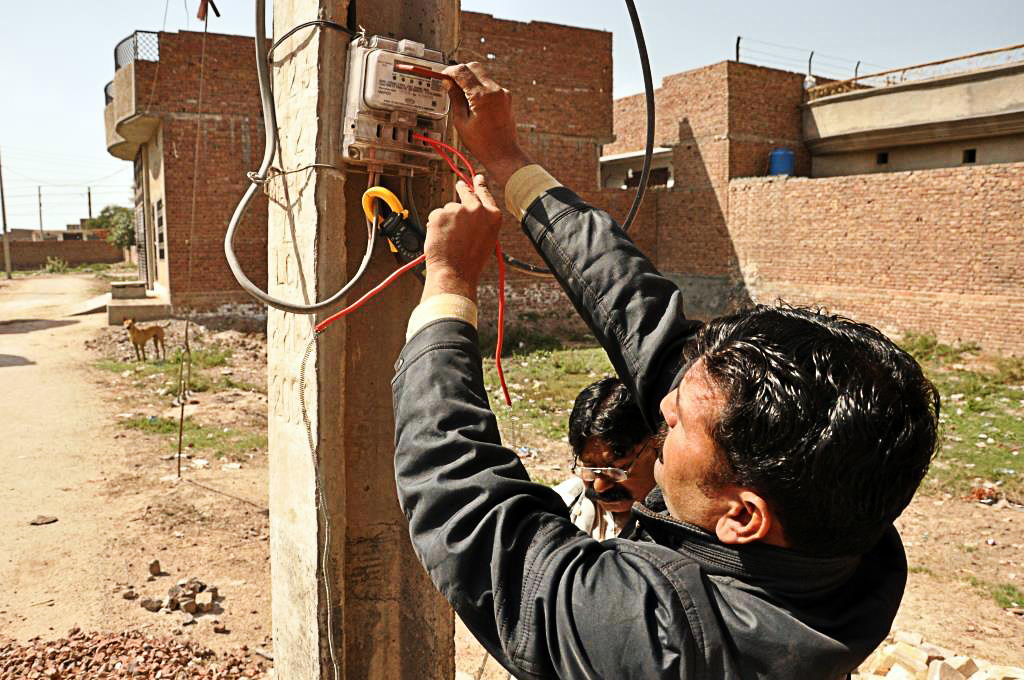
In reality, there is a hidden "electricity thief" in our homes - the set-top box (STB) that we use every day! It may seem surprising, but this small device can consume more power than an air conditioner.
The truth is that an STB consumes a significant amount of electricity even in standby mode. When we turn off the TV using the remote, the STB does not completely shut down; instead, it remains in standby mode and continues to draw power.
Moreover, the power consumption of an STB in standby mode is nearly the same as when it is actively running. This means that if you do not turn off the power switch after using the TV, the STB continues to drain electricity as if it were always on.
Solution:
- Turn off the power switch on the STB when not in use.
- Use a power strip with a switch to completely cut off electricity when the device is idle.
By doing this, you can significantly reduce energy waste and lower your electricity bill.
However, the STB is not the only culprit - many household appliances consume electricity even in standby mode.
Tips to Save Electricity Efficiently
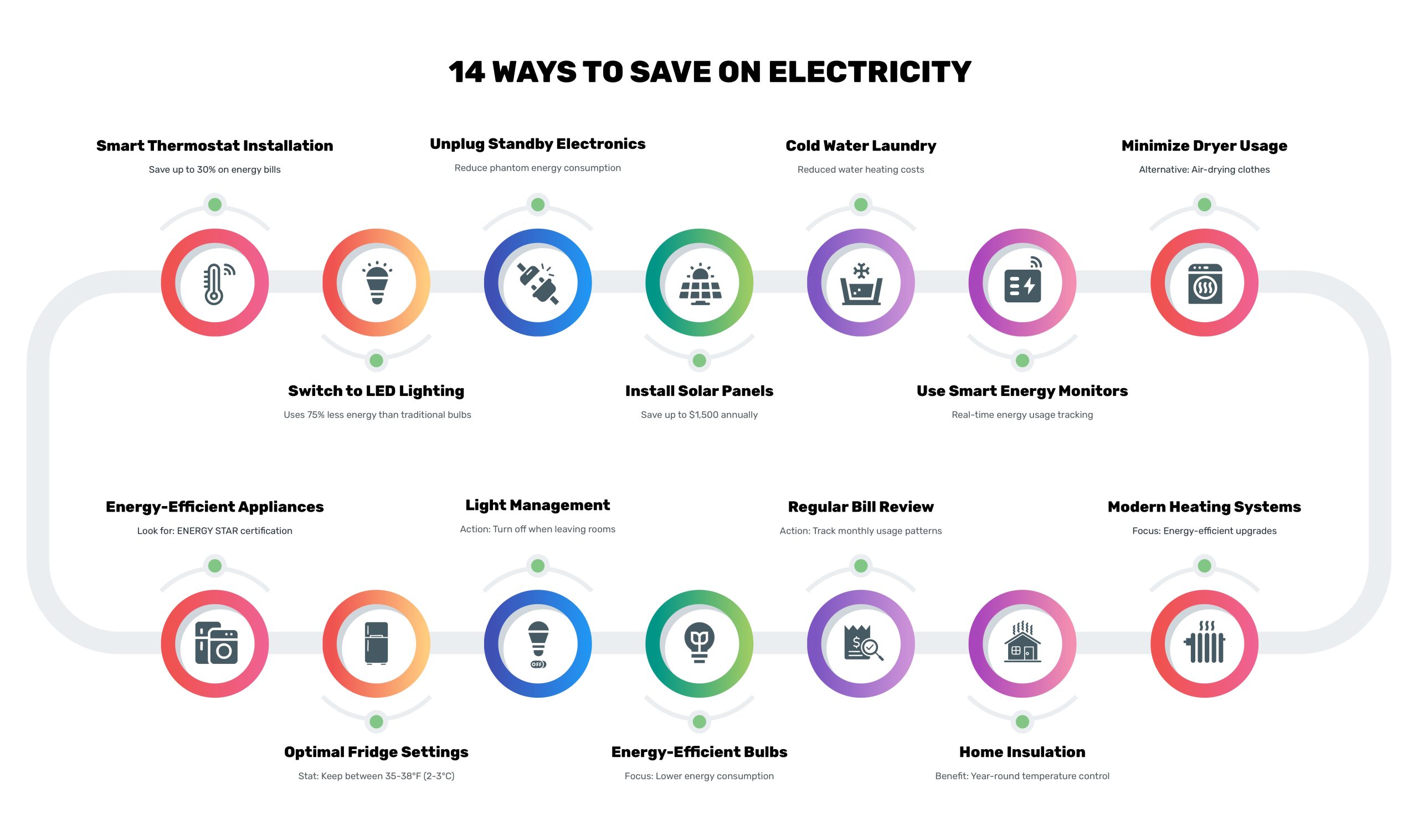
Air Conditioner
- Choose an inverter air conditioner, which automatically adjusts power usage and is more energy-efficient.
- Set the temperature sensibly - 26°C (78.8°F) is an ideal setting for both comfort and energy savings.
- Use sleep mode when sleeping to reduce power consumption.
- Regularly clean the air conditioner to maintain its optimal performance and efficiency.
Refrigerator
- Let food cool down before placing it in the fridge to reduce unnecessary energy usage.
- Arrange food properly to ensure smooth air circulation inside the fridge.
- Adjust the temperature appropriately - 4 - 5°C (39-41°F) is ideal for summer to minimize power usage.
- Wash and dry vegetables before storing to reduce moisture loss and save energy.
Washing Machine
- Set water level and washing time according to the fabric type and level of dirtiness - this helps save both water and electricity.
- Avoid using excessive water, as this increases strain on the machine and consumes more power.
- Use a power strip with a switch or a smart plug to cut off electricity when the machine is not in use.
Conclusion
Choosing energy-efficient appliances, adjusting settings properly, and using devices wisely will significantly reduce electricity costs. Additionally, regular maintenance and cleaning of household appliances ensure their optimal performance, further reducing energy waste and saving money in the long run.
The Hidden Electricity Consumers You May Be Overlooking
Many households focus on the appliances they believe consume the most electricity. Air conditioners, refrigerators, washing machines, and water heaters are usually at the top of the list. These appliances can indeed account for a significant portion of household energy use.
However, there is another category of electricity consumption that often goes unnoticed: the power used by devices that remain connected to the electrical supply even when they appear to be turned off.
This is commonly known as standby power or vampire power.
Modern electronics are designed to be convenient. They may need to remain partially active to respond to remote controls, maintain network connections, receive software updates, or start quickly when switched on. As a result, some devices continue consuming electricity even when nobody is actively using them.
A single device may draw only a small amount of power, but several devices operating around the clock can gradually add to a household's annual electricity consumption.
The important question is not simply which appliance is the biggest electricity consumer. It is which devices use energy unnecessarily, how much they consume, and whether their power use can be reduced without sacrificing comfort or safety.
1. Television Set-Top Boxes: Small Devices That Stay Active
Set-top boxes are common in households that use cable television, satellite television, or certain internet television services.
When the television is turned off, the set-top box may continue operating in standby mode. Depending on the model, it might remain connected to the network, receive signals, record scheduled programs, or prepare to respond when the remote control is used.