
He Ignored a Tiny Mole for More Than 20 Years—Until It Nearly Cost Him His Life
He Ignored This Tiny Mole for 20 Years—The Diagnosis Left Doctors Concerned...
Health 22/07/2026 12:39
No single food directly causes can.cer on its own. Can.cer develops due to a combination of factors, including genetics, lifestyle, environmental exposures, smoking, alcohol use, physical inactivity, and long-term dietary patterns. However, research has linked certain foods and food preparation methods with an increased risk of some can:cers when consumed regularly or in large amounts.
Here are 10 types of foods to limit as part of a healthy, can.cer-conscious diet.

Processed meats include:
Bacon
Sausages
Hot dogs
Ham
Salami
Deli meats
These foods are often preserved by smoking, curing, or adding nitrates and nitrites. During processing, compounds that may increase the risk of colorectal can:cer can form.
Replacing processed meats with fish, beans, or poultry may help reduce risk.
Cooking meat over very high heat—especially grilling, barbecuing, or pan-frying until it is heavily charred—can produce compounds called:
Heterocyclic amines (HCAs)
Polycyclic aromatic hydrocarbons (PAHs)
Animal studies suggest these chemicals can damage DNA, and high exposure is associated with an increased can:cer risk.
To reduce exposure:
Avoid burning meat.
Remove blackened portions.
Cook at lower temperatures when possible.
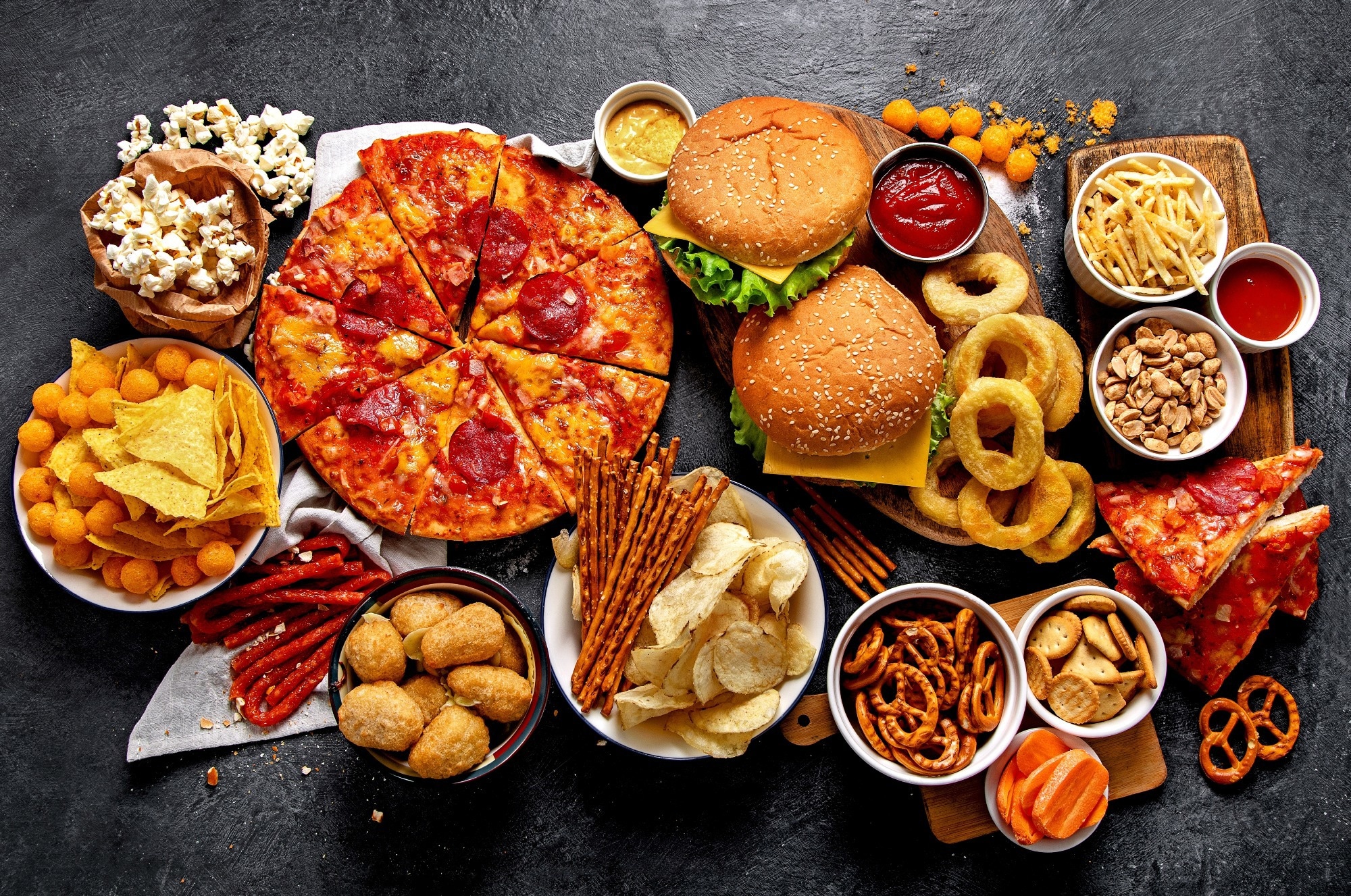
Ultra-processed foods often contain:
Added sugars
Refined starches
Unhealthy fats
Artificial additives
High sodium
Although these foods do not necessarily contain carcinogens themselves, diets high in ultra-processed foods are associated with obesity, which increases the risk of several can:cers, including breast, colorectal, endometrial, and kidney can:cer.
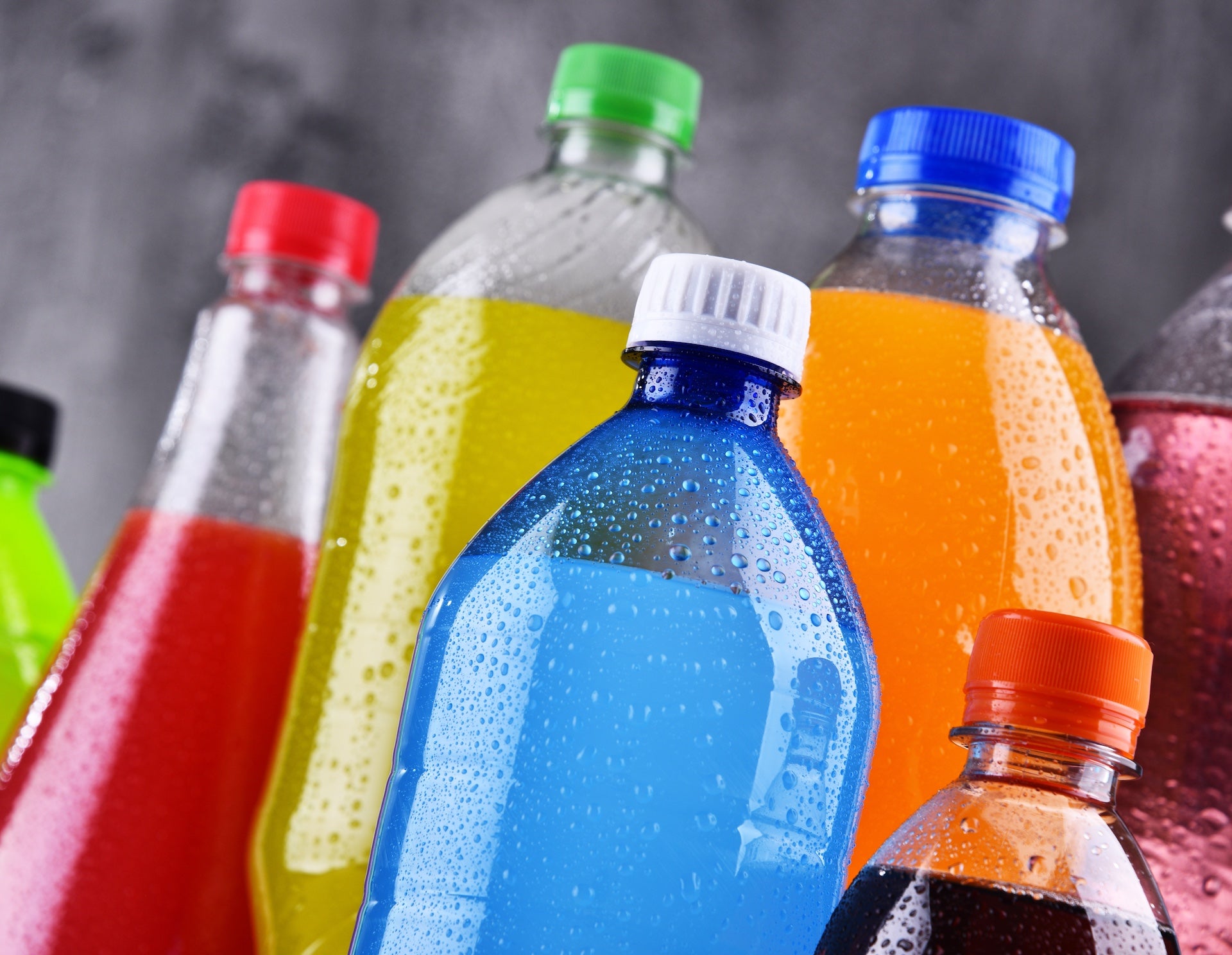
Soft drinks, sweetened teas, and energy drinks contain large amounts of added sugar.
Excessive consumption may contribute to:
Weight gain
Obesity
Insulin resistance
These conditions are linked with a higher risk of several can:cers.

Alcohol is a well-established risk factor for several types of can:cer, including:
Mouth can:cer
Throat can:cer
Esophageal can:cer
Liver can:cer
Breast can:cer
Colorectal can:cer
The risk increases with the amount of alcohol consumed, and no type of alcoholic beverage has been shown to be risk-free.
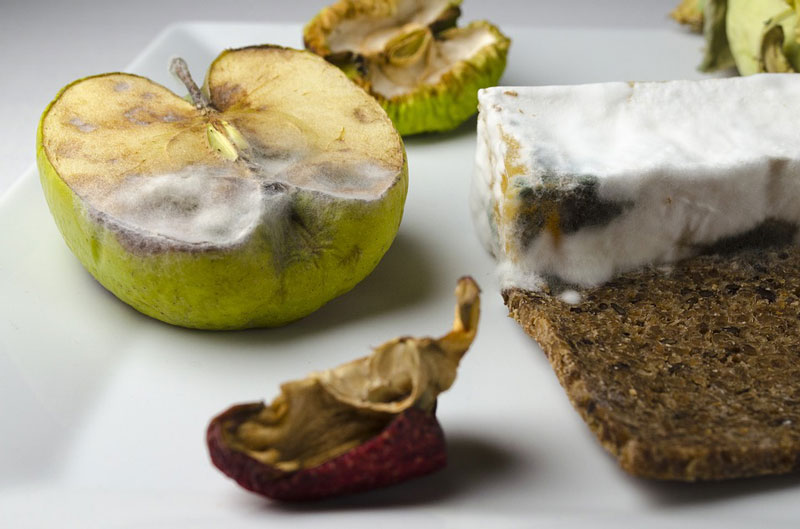
Foods contaminated with certain molds may contain aflatoxins, toxins produced by fungi such as Aspergillus.
Aflatoxins are most commonly found in improperly stored:
Peanuts
Corn
Tree nuts
Grains
Long-term exposure to high levels of aflatoxins is associated with an increased risk of liver can:cer.
Discard foods that show signs of mold rather than cutting away the affected area.

Frequently eating foods that are heavily salted or preserved with salt may increase the risk of stomach can:cer.
Examples include:
Salted fish
Pickled foods with very high salt content
Salt-cured meats
Reducing sodium intake and eating more fresh fruits and vegetables may help protect stomach health.
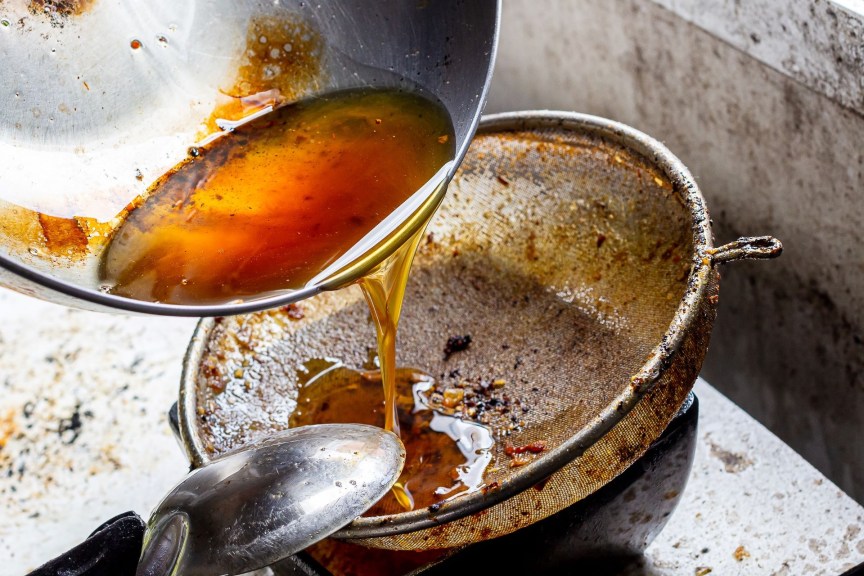
Repeatedly heating the same cooking oil at very high temperatures can produce harmful oxidation products.
To reduce potential risks:
Avoid repeatedly reusing deep-frying oil.
Cook with fresh oil when possible.
Avoid overheating oils until they smoke.

Artificial trans fats were once common in:
Packaged baked goods
Fried foods
Margarines
Snack foods
Although trans fats are not classified as direct carcinogens, they promote inflammation and increase the risk of heart disease. Many countries have reduced or banned artificial trans fats, but checking food labels is still a good habit.

Eating moderate amounts of lean red meat can fit within a healthy diet.
However, consistently consuming large amounts of red meat—especially when combined with processed meat—has been linked to an increased risk of colorectal can:cer.
Experts recommend emphasizing:
Fish
Poultry
Beans
Lentils
Other plant-based protein sources
A healthy eating pattern should include plenty of:
Fruits
Vegetables
Whole grains
Legumes
Nuts and seeds
Fish
Healthy fats such as olive oil
These foods provide fiber, vitamins, minerals, and antioxidants that support overall health.
Diet is only one part of can:cer prevention. Other important habits include:
Avoid smoking and tobacco products.
Limit or avoid alcohol.
Maintain a healthy body weight.
Exercise regularly.
Protect your skin from excessive sun exposure.
Stay up to date with recommended can:cer screenings.
Get vaccinated against infections linked to can:cer, such as hepatitis B and HPV, when appropriate.
No single food causes can:cer by itself. Instead, long-term dietary habits and overall lifestyle play a much larger role. Limiting processed meats, alcohol, heavily charred foods, ultra-processed foods, mold-contaminated foods, and excessive amounts of red meat while eating a diet rich in fruits, vegetables, whole grains, and legumes may help reduce the risk of certain can:cers.
The best approach is not to eliminate individual foods entirely, but to focus on a balanced, varied diet combined with other healthy lifestyle habits.
He Ignored This Tiny Mole for 20 Years—The Diagnosis Left Doctors Concerned...





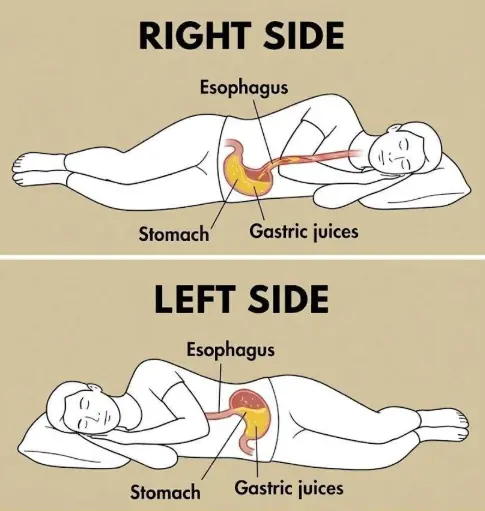
Your sleeping position could quietly influence digestion and sleep quality.

This Tropical Fruit May Be One of Nature's Best-Kept Secrets… 🍈👇

Should You Drink Carrot Juice Every Day? Here's What Experts Say

How Warm Beverages May Help Relieve Cough and Throat Discomfort

The Meaning Behind Right-Hand Rings Has Fascinated People for Centuries… 💍👇

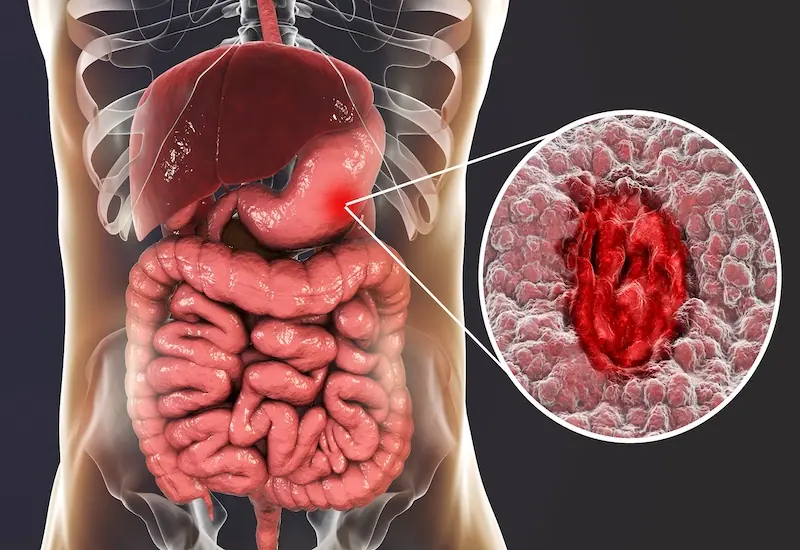
Advanced Stomach Can.cer: 7 Symptoms That May Occur

Even though it’s natural, coconut water isn’t safe for everyone.
He Ignored This Tiny Mole for 20 Years—The Diagnosis Left Doctors Concerned...

The colors we're naturally drawn to, the styles we admire, and even the small details we choose to express ourselves may offer subtle clues about how we see the world.

Never Judge Honey by Its Thickness Alone—Here's Why
Your sleeping position could quietly influence digestion and sleep quality.
This Tropical Fruit May Be One of Nature's Best-Kept Secrets… 🍈👇
Should You Drink Carrot Juice Every Day? Here's What Experts Say
How Warm Beverages May Help Relieve Cough and Throat Discomfort
The Meaning Behind Right-Hand Rings Has Fascinated People for Centuries… 💍👇
Advanced Stomach Can.cer: 7 Symptoms That May Occur