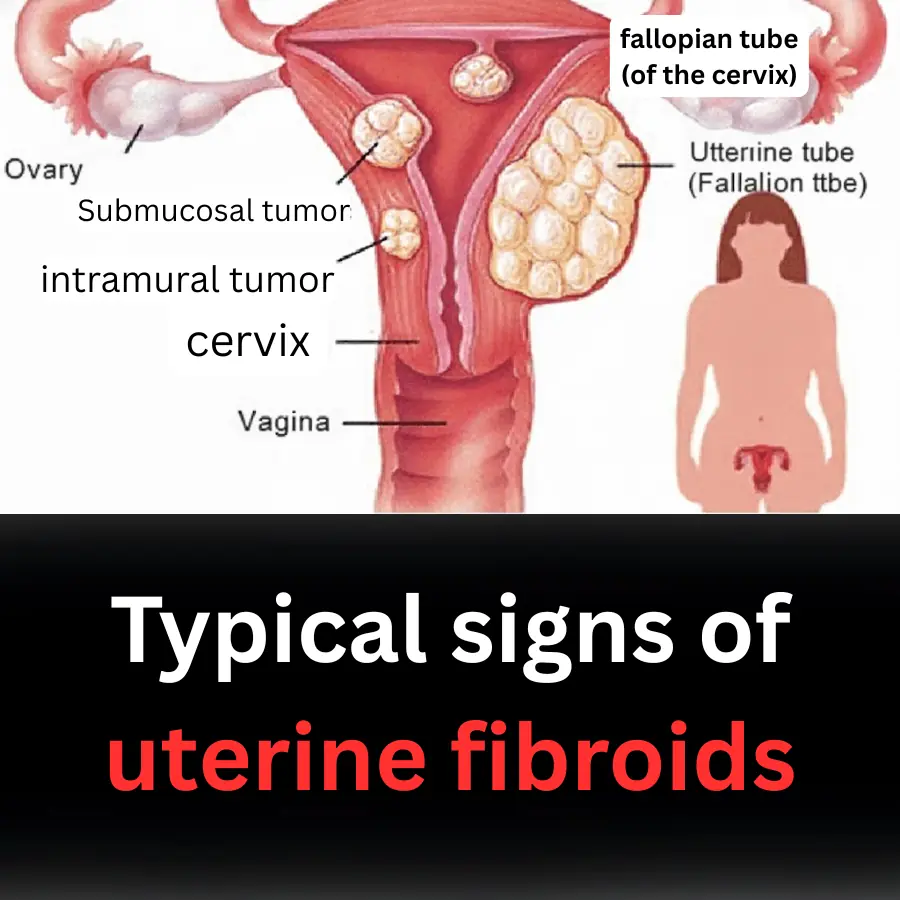
Uterine fibroids are benign tumors commonly found in women of reproductive age. When these tumors grow large, they can cause pain, menstrual irregularities, anemia, and even infertility, making early detection and treatment essential.
Severe abdominal pain after 3 days leads to diagnosis of a twisted subserosal fibroid – emergency surgery required
The Obstetrics and Pediatrics Hospital of Ninh Binh Province recently performed a successful emergency surgery for a patient with a twisted subserosal uterine fibroid—a rare but potentially life-threatening complication.
Patient Q.T.T., 37 years old, who had given birth to two children, was admitted to the hospital with worsening abdominal pain over three days. Examination revealed a twisted subserosal fibroid, and emergency surgery was indicated within 20 minutes.
As soon as she was admitted, the surgical and anesthesia team prepared immediately and performed the operation less than 30 minutes later. Upon opening the abdomen, doctors found a large amount of dark pink abdominal fluid and a fibroid measuring 6×7 cm, with its stalk twisted tightly three full turns and showing signs of necrosis. Surgeons promptly untwisted the stalk, removed the fibroid, and preserved the uterus.
After seven days of treatment, the patient recovered well, the surgical incision healed nicely, and she was discharged in stable condition.
What are the symptoms of uterine fibroids?
Small fibroids often produce no symptoms and are frequently discovered incidentally during gynecological examinations for other reasons such as infertility, delayed conception, pregnancy checkups, or cervical cancer screening.
Common symptoms of uterine fibroids include:
-
Abnormal uterine bleeding, often with watery blood mixed with clots. This is the main symptom, occurring in over 60% of cases. Bleeding may last 7–10 days or longer, causing menstrual disorders and menorrhagia.
-
Anemia, resulting from chronic blood loss, with symptoms such as pale skin, weight loss, and fatigue.
-
Lower abdominal or pelvic pain, caused by pressure from the fibroid on surrounding organs or pelvic inflammation. The pain usually feels heavy or pressing, worsens when standing, and improves when lying down.
-
Vaginal discharge due to vaginitis, endometritis, or salpingitis. In some cases, discharge may be watery or reduced.
-
When fibroids grow large, patients may experience urinary symptoms or feel a palpable mass in the pelvis due to the enlarged uterus.
Symptoms vary among individuals and depend on the size, location, and growth rate of the tumor.
Women may have one or multiple fibroids. Sizes range from microscopic to very large—comparable to a grapefruit or even larger.
Although fibroids are common, the actual prevalence is likely much higher than reported because many small fibroids go undetected. While small fibroids are usually harmless, larger ones can cause menstrual disturbances, pain from compression, complications in pregnancy, and even infertility.
Who is at higher risk?
Uterine fibroids are widespread and can affect many women during their lifetime. Although the exact cause remains unclear, several factors increase the risk:
-
Age: Fibroids are more common in women aged 30–50 and tend to shrink after menopause due to hormonal changes.
-
Family history: Women with a mother who had fibroids are three times more likely to develop the condition.
-
Ethnicity: Research shows that women of African descent have a higher risk than those from other ethnic groups.
-
Obesity: Overweight or obese women have a 2–3 times higher risk compared with women of normal weight.
In summary:
Uterine fibroids can lead to severe complications if left untreated. Prolonged bleeding may result in severe anemia, affecting daily life and overall health.
A less common but serious complication is the compression of the bladder or ureters by large fibroids, which can increase pressure on the kidneys and impair kidney function. Fibroids may also cause infertility, recurrent miscarriage, or complications during pregnancy.
Therefore, if women experience any abnormal symptoms such as prolonged menstruation, lower abdominal pain, or unusual discharge, they should promptly visit a medical facility for evaluation, diagnosis, and timely treatment.