Bladder cancer definition
Health 25/06/2026 17:46
An umbilical hernia is a common medical condition in which part of the intestine or fatty tissue pushes through a weakened spot or hole in the abdominal muscles near the belly button (the umbilicus). While it can occur in people of all ages, it is particularly common in infants and elderly adults. An umbilical hernia may not always cause significant discomfort, but it can lead to complications if left untreated. Understanding the causes, symptoms, and potential treatments for an umbilical hernia can help individuals seek timely medical intervention and reduce the risk of complications.
An umbilical hernia occurs when there is a weakness in the abdominal wall around the belly button, leading to a bulging of tissue or part of the intestine through the opening. The umbilicus, or belly button, is the site where the umbilical cord was attached during fetal development. In an umbilical hernia, the abdominal muscles fail to close completely, leaving a gap or opening where tissue can push through.
In infants: Umbilical hernias are relatively common, occurring due to the natural opening in the abdominal muscles that does not fully close after birth.
In adults: The condition may develop due to increased pressure on the abdominal wall from factors such as obesity, pregnancy, or heavy lifting.
Several factors can lead to the development of an umbilical hernia. These include:
Incomplete closure of the abdominal muscles: In infants, the opening in the abdominal muscles around the belly button does not close completely after birth, leading to the formation of a hernia.
Genetic factors: A family history of umbilical hernias may increase the likelihood of the condition developing in newborns.
In adults, increased pressure within the abdomen is the primary contributing factor. Several circumstances can lead to increased intra-abdominal pressure:
Obesity: Excess body fat can put pressure on the abdominal wall, increasing the risk of a hernia.
Pregnancy: The growing uterus during pregnancy can place pressure on the abdominal muscles, potentially causing a hernia.
Heavy lifting: Repeated lifting of heavy objects can strain the abdominal muscles and lead to a hernia.
Chronic coughing: Conditions like chronic bronchitis or smoking-related cough can create persistent pressure on the abdomen.
Constipation: Straining to pass stool can also put pressure on the abdominal muscles, leading to the formation of a hernia.
Elderly individuals: As we age, the muscles in the abdominal wall naturally weaken, increasing the likelihood of hernias, including umbilical hernias.
Previous surgery: Prior abdominal surgery can weaken the abdominal wall and lead to hernias forming at the surgical site.
In many cases, an umbilical hernia may not cause any symptoms and can go unnoticed, especially in infants. However, there are some common signs to look for:
Visible bulge near the belly button: The most common symptom of an umbilical hernia in infants is a soft, small bulge or swelling at the belly button, especially when the baby cries, coughs, or strains. The bulge may be small at rest and become more pronounced with pressure.
No pain or discomfort: Umbilical hernias in infants are generally painless, and many resolve on their own by the time the child reaches the age of 1 to 2 years.
Bulging or swelling near the belly button: This is the most obvious sign of an umbilical hernia. The bulge may become more noticeable when you stand up, cough, or strain.
Pain or discomfort: Some adults may experience mild pain or tenderness around the site of the bulge, especially when engaging in physical activity, lifting, or straining.
Enlarged bulge: Over time, the hernia may enlarge, leading to an increase in the size of the bulge, especially with physical activity or increased intra-abdominal pressure.
Complications: In some cases, an umbilical hernia can become incarcerated (trapped) or strangulated (where blood flow to the herniated tissue is cut off), causing severe pain, nausea, vomiting, and a medical emergency.
While most umbilical hernias are relatively harmless, complications can arise if the hernia is left untreated. Some potential complications include:
This occurs when the tissue or intestine trapped in the hernia cannot be pushed back into the abdominal cavity. This can lead to pain, swelling, and discomfort.
A strangulated hernia is a medical emergency in which the blood supply to the trapped tissue is cut off, leading to tissue death and potentially severe complications such as infection or sepsis. Symptoms include intense pain, nausea, vomiting, and fever. Immediate surgery is required to treat a strangulated hernia.
In many cases, particularly in infants, an umbilical hernia will close on its own without the need for surgery. However, for adults or those with larger hernias, or in cases where complications arise, medical intervention is needed.
In infants, the hernia often resolves on its own as the abdominal muscles strengthen and close. Pediatricians typically monitor the condition, and surgery is not recommended unless the hernia persists beyond the age of 2 or causes complications.
Surgical repair is the most common treatment for adult umbilical hernias or larger hernias in infants. The procedure is called herniorrhaphy, and it involves pushing the herniated tissue back into place and closing the gap in the abdominal wall.
In some cases, a mesh may be used to reinforce the abdominal wall and prevent the hernia from recurring.
Weight loss, avoiding heavy lifting, and treating conditions that increase abdominal pressure (such as constipation) can help reduce the risk of developing an umbilical hernia or prevent further complications.
While it may not always be preventable, there are some strategies to reduce the risk of developing an umbilical hernia, particularly in adults:
Maintain a healthy weight: Reducing excess body fat can minimize the pressure on the abdominal wall.
Practice proper lifting techniques: Avoid lifting heavy objects incorrectly, as this can strain the abdominal muscles.
Treat underlying conditions: Managing chronic conditions like constipation, obesity, and respiratory issues can prevent excessive pressure on the abdomen.
Exercise regularly: Strengthening the core muscles can help support the abdominal wall and reduce the risk of hernias.
An umbilical hernia is a common and generally benign condition, especially in infants, but it can cause complications if left untreated in adults. While most cases resolve on their own in young children, adults with large or painful hernias often require surgery. Recognizing the symptoms early and seeking timely medical advice can help prevent complications like incarcerated or strangulated hernias, which require urgent attention.
Maintaining a healthy lifestyle, addressing underlying health conditions, and seeking professional medical advice are essential steps in managing and preventing the development of an umbilical hernia. If you or your child experience persistent swelling or pain around the belly button, consult a healthcare provider to determine the appropriate course of action.

Wealthy Families Secretly Grow These 6 Plants at Home: Said to Ward Off Negative


Most people think the refrigerator is the safest place for everything.

Doctors reveal simple ways to reduce waking up to pee at night.

Woman Dies of Stomach Cancer

Bl00d Sugar Changes May Affect Your Body in Ways You Don't Expect
Why Your Throat Feels Mucusy: The Real Reasons Behind That Sticky Sensation
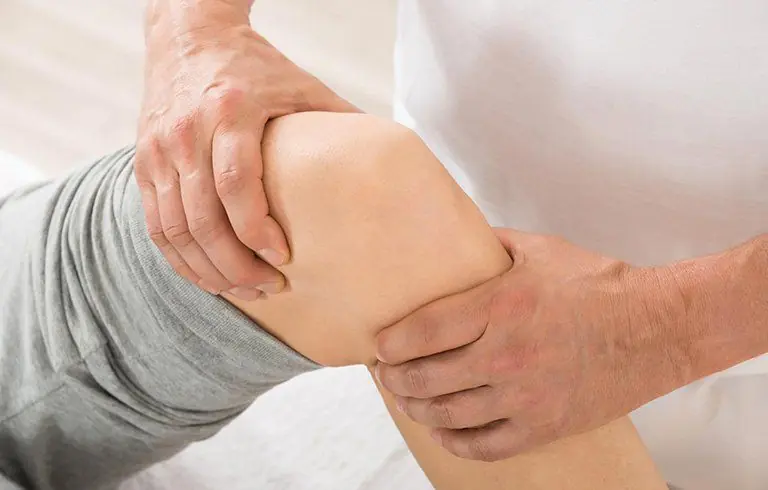
Try This Simple Knee Massage Technique and See What Happens to Your Body

Praised in Japan, Familiar to Vietnam: The Quiet Power of the Sweet Potato In Japan, the sweet potato is often praised in modern health discussions as one of the most powerful foods for long-term wellness, sometimes even linked—carelessly—to anti-can

Praised in Japan, Familiar to Vietnam: The Quiet Power of the Sweet Potato In Japan, the sweet potato is often praised in modern health discussions as one of the most powerful foods for long-term wellness, sometimes even linked—carelessly—to anti-can
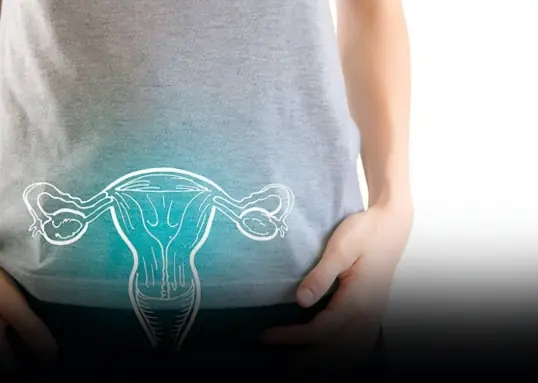
Cervical cancer doesn’t just come from genetics or lifestyle — sometimes, it’s fueled by a husband’s hidden habits. These three common behaviors may seem harmless, but they silently put wives at serious risk if not stopped in time.
Cervical cancer doesn’t just come from genetics or lifestyle — sometimes, it’s fueled by a husband’s hidden habits. These three common behaviors may seem harmless, but they silently put wives at serious risk if not stopped in time.

Cervical cancer doesn’t just come from genetics or lifestyle — sometimes, it’s fueled by a husband’s hidden habits. These three common behaviors may seem harmless, but they silently put wives at serious risk if not stopped in time.
The influence of a husband’s habits on his wife’s well-being is far greater than many couples realize. Small daily choices — whether neglecting exercise or lighting a cigarette — can quietly accumulate into significant health risks over time.
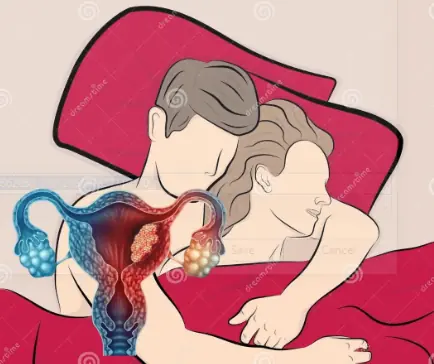
The influence of a husband’s habits on his wife’s well-being is far greater than many couples realize. Small daily choices — whether neglecting exercise or lighting a cigarette — can quietly accumulate into significant health risks over time.
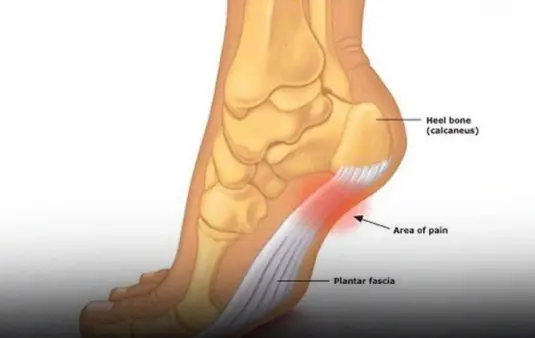
What Causes Frequent Numbness in the Legs? Understanding the Real Reasons Behind the Sensation

9 Common Nighttime Signs That Could Indicate High Bl00d Sugar Levels
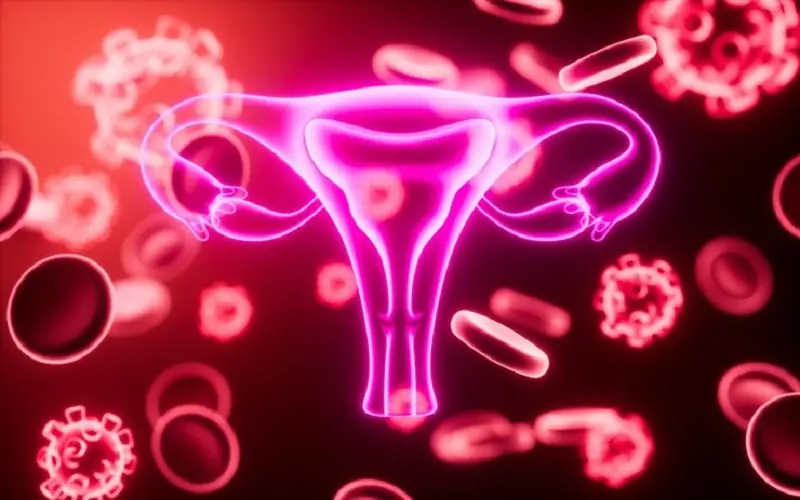
The Facts About Cervical Can.cer That Every Woman Should Be Aware Of
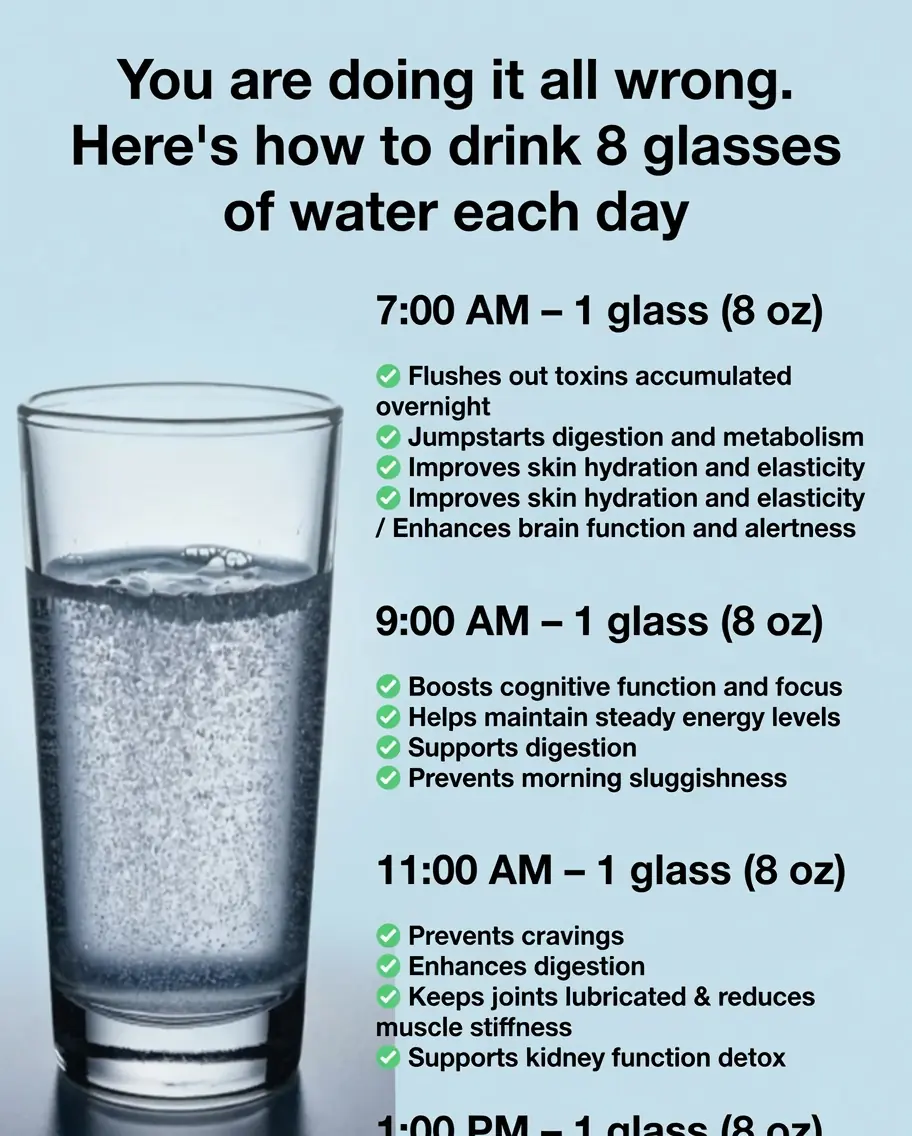
Why You Struggle to Drink Enough Water—And How to Fix It Fast
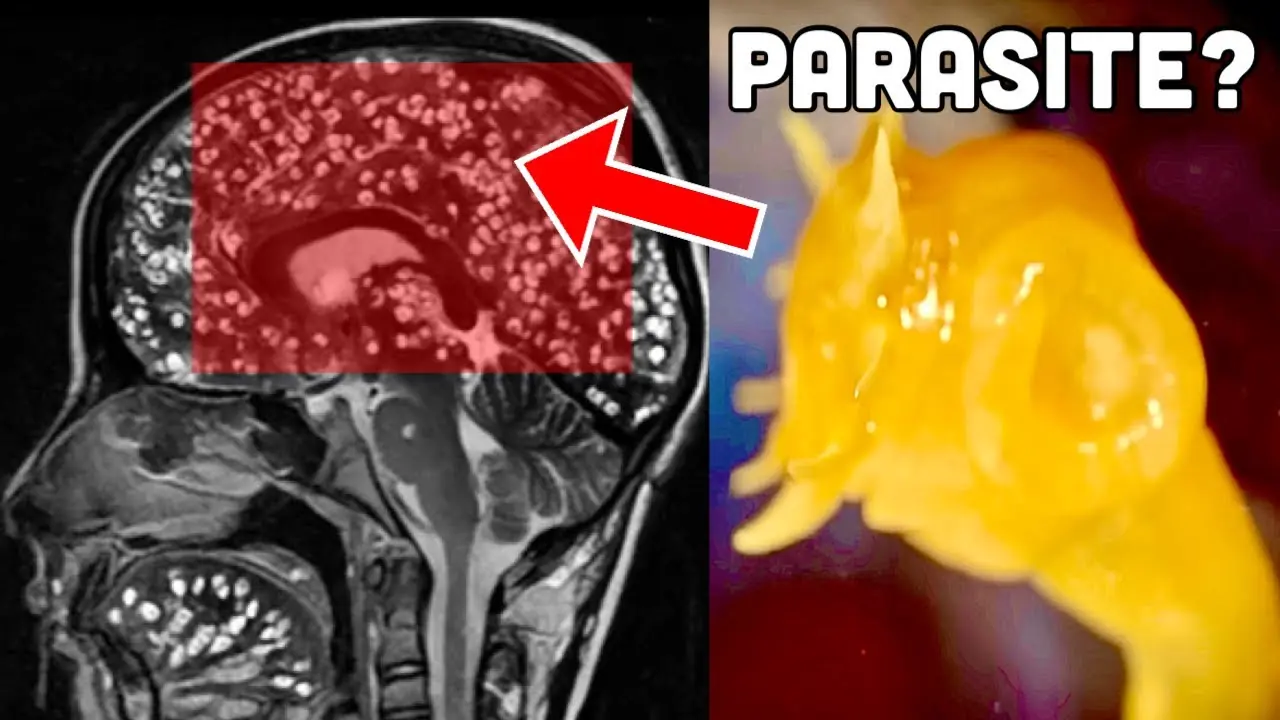
Millions Eat This Food Regularly Without Knowing the Potential Parasite Risk 👇
Doctors Explain the Pros and Cons of Eating Bananas Before Sleep
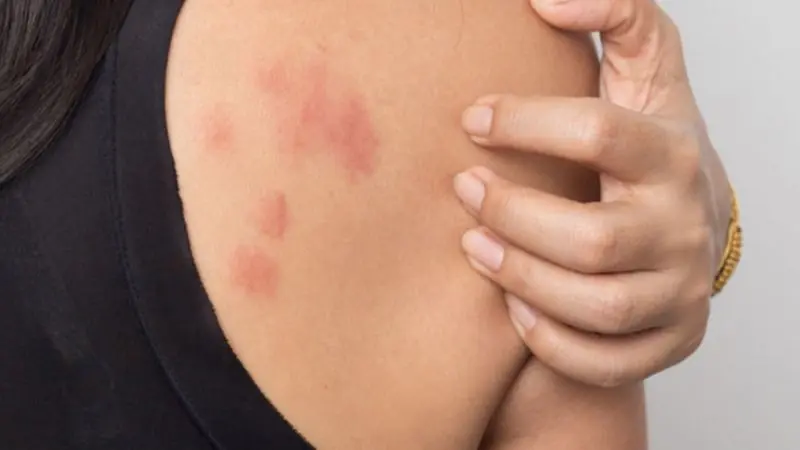
Persistent Itching Can Have Many Causes - These 9 Patterns May Require Further Evaluation
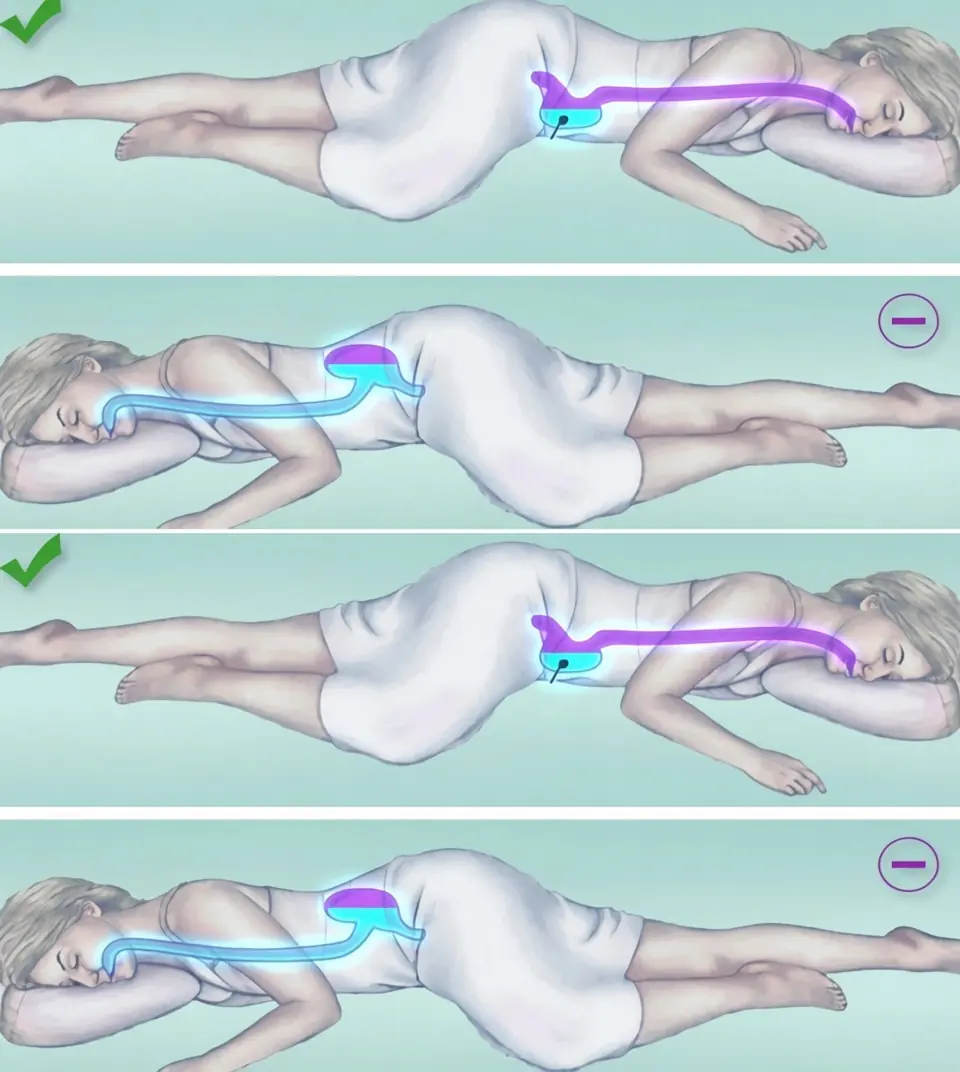
Left-Side Sleeping: The Health Benefits You May Not Know About
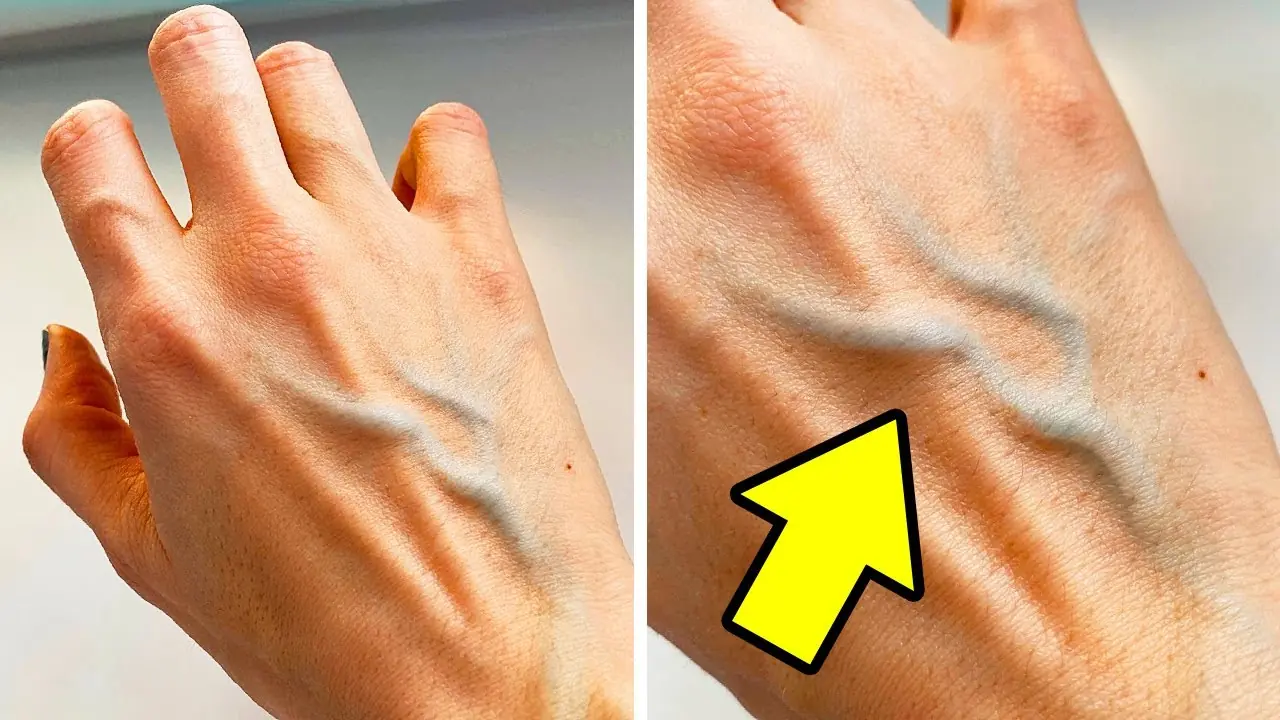
Many People Have Visible Veins Without Knowing Why… See More 👇

Most People Don't Know What These White Bumps Really Mean… See More 👇

Your Stomach May Be Trying to Warn You — 15 Symptoms You Shouldn't Ignore 👇

Those tiny silica gel packets are far more useful than most people realize
🧠 Why Walnuts Are Getting Attention From Health Experts 👇👇
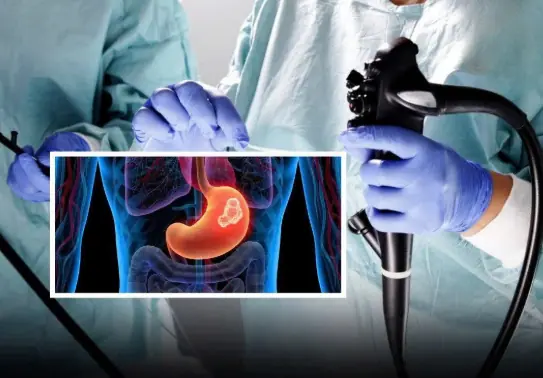
Most Stomach Cancers Are Detected Late: 5 Symptoms After Meals You Should Never Ignore
Most Stomach Cancers Are Detected Late: 5 Symptoms After Meals You Should Never Ignore