Understanding Phlegm: Why It Builds Up and How to Naturally Reduce It
Phlegm is something most people experience at some point—especially during a cold or seasonal illness. While it can be uncomfortable and annoying, experts say it actually plays an important role in protecting the body.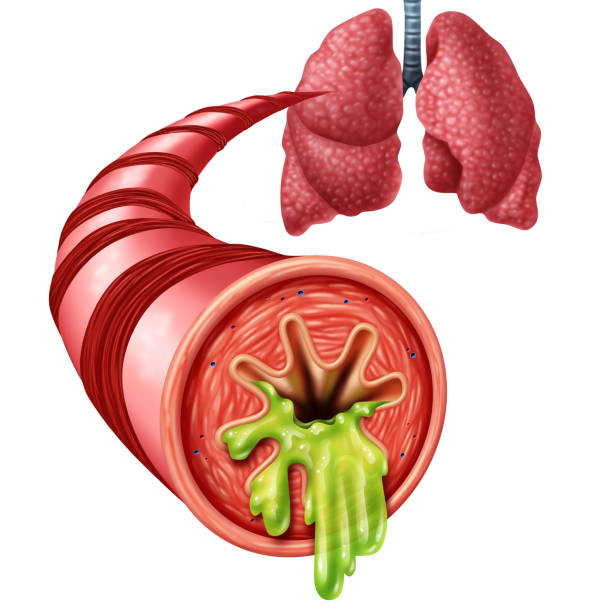
Understanding why phlegm forms and how to manage it naturally can help you breathe easier and recover faster.
What Is Phlegm and Why Does It Exist?
Phlegm is a thick form of mucus produced by the respiratory system. Its main function is to trap dust, bacteria, allergens, and other harmful particles before they reach deeper parts of the lungs.
Under normal conditions, mucus is thin and barely noticeable. However, when the body detects irritation or infection, it produces more mucus, which becomes thicker and more visible.
Common Causes of Excess Phlegm
Doctors explain that phlegm buildup is usually the body’s response to irritation or illness. Some of the most common causes include:
- Respiratory infections such as colds, bronchitis, or sinusitis
- Allergies and environmental irritants like smoke or pollution
- Dry air or dehydration, which can thicken mucus
- Acid reflux and certain chronic lung conditions
When these factors are present, the airways produce more mucus to protect the body, which can lead to coughing, congestion, and discomfort.
Why Phlegm Becomes Thick and Hard to Clear
Healthy mucus is usually thin and easy to move. But when you’re sick or exposed to irritants, it thickens and becomes sticky. This makes it harder for the body’s natural clearing system to remove it efficiently.
As a result, phlegm can build up in the throat or chest, causing that familiar feeling of congestion.
Natural Ways to Reduce Phlegm
Health experts highlight several simple, natural methods that can help loosen and reduce phlegm:
1. Stay Hydrated
Drinking enough fluids—especially warm liquids—helps thin mucus, making it easier to expel.
2. Use Humid Air
Moist air can prevent mucus from becoming too thick. Using a humidifier or taking warm showers may help keep airways clear.
3. Gargle Salt Water
A warm saltwater gargle can soothe irritation and help clear mucus from the throat.
4. Try Herbal Remedies
Ingredients like ginger, garlic, and warm teas may support respiratory health and help reduce mucus buildup.
5. Inhale Steam
Steam inhalation can loosen thick mucus and make breathing easier by opening the airways.
6. Elevate Your Head While Resting
Sleeping with your head slightly raised can prevent mucus from pooling in the throat.
When to Be Concerned
While phlegm is usually harmless, experts warn that persistent or unusual symptoms should not be ignored.
Seek medical advice if:
- Phlegm lasts more than a couple of weeks
- It becomes dark, green, or contains blood
- You experience shortness of breath or chest pain
These could indicate a more serious underlying condition.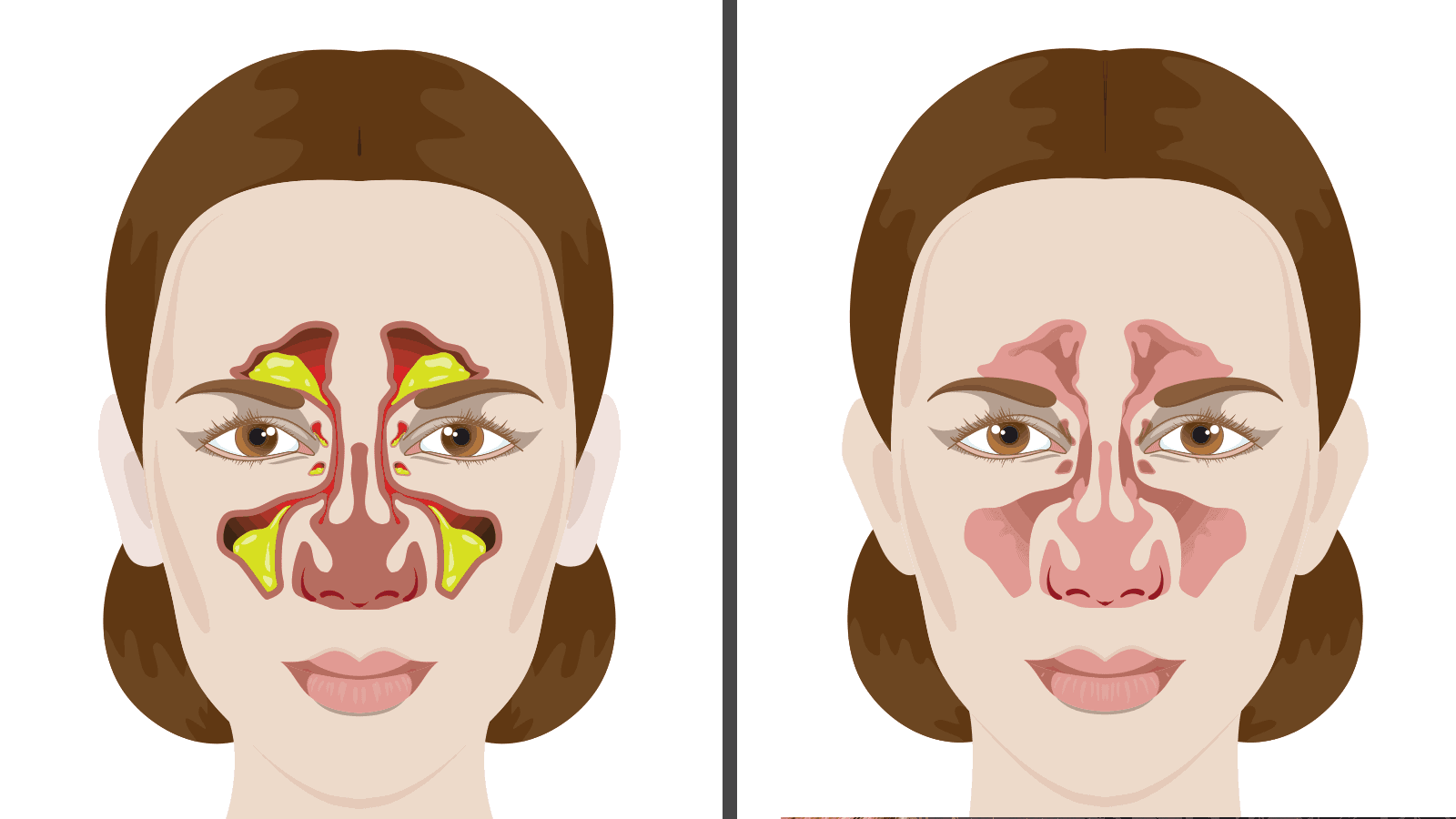
The Bottom Line
Phlegm may feel unpleasant, but it is actually part of the body’s natural defense system. In most cases, it can be managed with simple lifestyle changes and home remedies.
By staying hydrated, maintaining good air quality, and supporting your immune system, you can help your body clear excess mucus more effectively—and breathe more comfortably.