Avoid cutting thick skin aggressively with sharp objects at home.
If cracks are severe or recurrent, a healthcare professional or podiatry specialist can recommend appropriate treatment.
11. A Sudden Change in Foot Shape
A gradual change in foot shape can occur with aging, footwear, arthritis, or changes in biomechanics.
But some changes deserve evaluation.
For example, a foot that becomes unusually swollen, warm, red, or structurally altered can occasionally indicate a significant underlying problem.
People with diabetes should be especially alert to a warm, swollen, red foot accompanied by changes in shape, even if there isn't much pain.
A condition called Charcot foot can occur in people with significant peripheral neuropathy and can cause progressive changes in the bones and joints.
Early recognition is important because continued weight-bearing can worsen the damage.
12. Severe Pain in the Big Toe
A suddenly painful, swollen, red big toe is a classic presentation of gout.
Gout occurs when urate crystals accumulate in a joint and trigger intense inflammation.
The pain can become severe enough that even light pressure from a bedsheet feels uncomfortable.
The big toe is a common location, although gout can affect other joints.
Not every painful big toe is gout.
Infection, injury, arthritis, and other conditions can produce similar symptoms.
If the joint is suddenly extremely painful, hot, and swollen—particularly if you have a fever—medical evaluation is important because a joint infection can be serious.
13. Persistent Foot Odor With Skin Changes
Foot odor is usually caused by sweat and bacteria.
Wearing shoes for long periods, exercising, and having naturally sweaty feet can all contribute.
But persistent odor accompanied by peeling, itching, cracking, or redness may indicate a fungal infection such as athlete's foot.
Fungal infections often thrive in warm, moist environments.
Keeping feet dry, changing socks regularly, allowing shoes to dry completely, and using appropriate antifungal treatment when necessary can help.
If the problem repeatedly returns or doesn't respond to treatment, seek professional advice.
14. Hair Loss on the Toes or Lower Legs
Hair growth varies naturally between individuals, so having little or no hair on the feet isn't automatically a problem.
However, a noticeable new reduction in hair growth accompanied by cold feet, pale skin, pain while walking, or other circulation symptoms may warrant evaluation.
Reduced blood flow can affect the skin and hair follicles.
Peripheral artery disease is one possible cause.
Again, hair loss by itself is not enough to diagnose a circulation disorder.
The combination of symptoms is more informative.
15. Pain in the Feet or Calves When Walking
If your legs or feet consistently hurt after walking a certain distance and the discomfort improves after resting, it may be worth discussing with a healthcare professional.
This pattern can occur with intermittent claudication, a symptom associated with peripheral artery disease.
People may describe:
-
Cramping
-
Aching
-
Tightness
-
Fatigue
-
Burning discomfort
The pain often appears during activity because muscles need more blood flow and oxygen.
It may improve after resting.
Other musculoskeletal problems can produce similar symptoms, so proper evaluation is needed.
16. Swelling, Redness, and Warmth in One Foot
A suddenly swollen, warm, red, or painful foot has several possible causes.
It could be an injury, infection, gout, inflammation, or a blood clot affecting the leg.
This is particularly important when the change occurs without an obvious injury.
If redness and warmth are accompanied by fever or rapidly worsening pain, infection needs to be considered.
If one leg suddenly becomes swollen and painful, especially with risk factors for blood clots, prompt medical assessment is appropriate.
17. Persistent Changes You Can't Explain
Perhaps the most important warning sign is simply this:
Something about your feet has changed, and you don't know why.
It might be a change in:
-
Color
-
Temperature
-
Sensation
-
Swelling
-
Skin texture
-
Nail appearance
-
Foot shape
-
Walking ability
-
Pain level
A single minor change may not mean much.
But a change that persists, worsens, or occurs together with other symptoms deserves attention.
Your feet don't diagnose diseases by themselves.
They can, however, provide useful clues that something elsewhere in the body—or something affecting the feet themselves—may need to be investigated.
People With Diabetes Should Pay Special Attention
Foot health is particularly important for people with diabetes.
High blood glucose over time can contribute to peripheral neuropathy, which can reduce the ability to feel pain, heat, pressure, or injury.
Diabetes can also affect circulation and wound healing.
That combination makes foot care extremely important.
Check your feet regularly for:
-
Cuts
-
Blisters
-
Redness
-
Swelling
-
Cracks
-
Discoloration
-
Nail changes
-
Areas of unusual warmth
Wear properly fitting shoes and avoid walking barefoot if you have reduced sensation.
If you discover a wound, especially one that doesn't begin healing normally, contact your healthcare team.
How to Look After Your Feet Every Day
You don't need an elaborate routine.
A few basic habits can make a difference.
Inspect your feet
Look at the tops, soles, heels, and spaces between your toes.
If it's difficult to see the soles, use a mirror or ask someone you trust for assistance.
Keep them clean and dry
Wash regularly and dry carefully, particularly between the toes.
Moisturize dry skin
Apply moisturizer to dry areas, but avoid putting excessive moisturizer between the toes where moisture can accumulate.
Choose appropriate footwear
Shoes should provide adequate room for the toes and shouldn't repeatedly rub the skin.
Change socks regularly
Especially if your feet become sweaty.
Don't ignore small injuries
A tiny blister can become a much bigger problem if it continues to receive pressure.
When Should You Seek Medical Attention?
Some foot changes can be monitored briefly, but others deserve prompt evaluation.
Seek medical attention for:
-
A wound that isn't healing
-
Rapidly increasing swelling
-
Severe or unexplained foot pain
-
A suddenly cold, pale, or blue foot
-
Significant loss of sensation
-
Signs of infection such as spreading redness, warmth, swelling, pus, or fever
-
A new or changing dark lesion
-
Sudden changes in foot shape
-
Severe pain accompanied by swelling and redness
For people with diabetes or known circulation problems, the threshold for seeking advice should generally be lower.
The Bottom Line
Your feet are not a crystal ball, and a change in your feet does not automatically mean that one of your internal organs is failing.
But they can provide useful health clues.
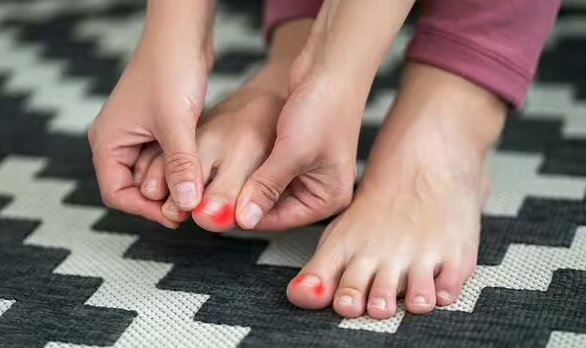
Persistent swelling may reflect fluid retention or circulation problems. Numbness can sometimes point toward nerve dysfunction. Slow-healing wounds can be particularly important in people with diabetes. Changes in temperature or color may provide clues about circulation. Nail and skin changes can have dermatological causes but occasionally deserve further evaluation.
The most important factor is change.
If something suddenly looks, feels, or functions differently—and the change doesn't have an obvious explanation—don't simply assume it's part of getting older.
Take a closer look.
And if the change persists, worsens, or appears alongside other symptoms, consider getting it checked.
Your feet may not tell you exactly what's wrong, but sometimes they can be the first place where your body gives you a clue that something deserves attention.