What Your Daily Dishwashing Routine Could Mean for Your Family’s Health
Could Your Dishwashing Habits Be Affecting Your Family’s Health?
⏱️ 1 min read 17/08/2026 12:50
Spices have been used for centuries to add flavor, aroma, and color to food. Many also contain naturally occurring compounds that have been studied for their potential antioxidant and anti-inflammatory properties.
But there is an important distinction between using a small amount of a spice in everyday cooking and consuming large amounts through concentrated powders, extracts, or supplements.
Two spices that deserve particular attention are cinnamon and turmeric. Both can be part of a healthy diet when consumed in ordinary culinary amounts. However, excessive intake—especially in concentrated supplement form—may create health concerns for certain people, including potential problems involving the liver or kidneys.
This does not mean these spices are "as harmful as alcohol." That comparison is misleading. Alcohol is an established major cause of liver disease, whereas serious organ injury from culinary cinnamon or turmeric is uncommon. The concern is primarily about excessive or concentrated exposure.
Cinnamon is one of the world's most popular spices. It is commonly added to oatmeal, coffee, baked goods, desserts, and savory dishes.
It also contains naturally occurring compounds called coumarins.
The amount of coumarin varies substantially depending on the type of cinnamon.
There are several varieties of cinnamon, but two commonly discussed types are:
Cassia cinnamon
Ceylon cinnamon
Cassia cinnamon generally contains much more coumarin than Ceylon cinnamon.
For most people, the amount of cinnamon used to season food is unlikely to cause liver problems. The concern becomes more relevant when someone consumes large amounts of cinnamon regularly, particularly Cassia cinnamon.
Coumarin can affect the liver in susceptible individuals, and prolonged exposure to high amounts may increase the risk of liver injury.
This is especially relevant for people who already have liver disease or who take medications that affect the liver.
Cinnamon sometimes appears in wellness trends that encourage taking spoonfuls of cinnamon powder every day.
There is no good reason to assume that consuming increasingly large amounts will provide increasingly large health benefits.
The same principle applies to many foods and herbs:
A compound can be useful in small amounts while becoming problematic at sufficiently high doses.
If you enjoy cinnamon, using a modest amount to flavor food is very different from consuming large quantities as a concentrated daily supplement.
The relationship between ordinary dietary cinnamon consumption and kidney damage is much less established than its potential effect on the liver through coumarin.
However, excessive use of cinnamon supplements can introduce large amounts of biologically active compounds into the body, and people with existing kidney disease should be especially cautious about unregulated supplements.
Kidney function also affects how the body handles many substances and medications.
If you have chronic kidney disease, it is better to discuss concentrated herbal products with your healthcare professional rather than assuming that something labeled "natural" is automatically safe.
Turmeric is another popular spice that has attracted enormous attention.
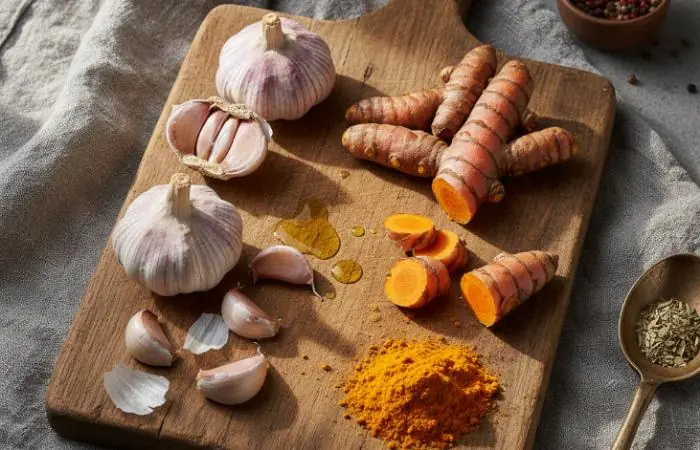
Its bright yellow color comes primarily from curcuminoids, a group of compounds that includes curcumin.
Turmeric is widely used in curries, soups, rice dishes, teas, and other foods.
At normal culinary amounts, turmeric is generally considered safe for most people.
The situation can be different with high-dose turmeric or curcumin supplements.
There have been documented cases of liver injury associated with turmeric or curcumin supplements.
This appears to be uncommon, and the risk may vary depending on the individual and the formulation.
Some supplements contain substances such as piperine, derived from black pepper, which can increase the absorption of curcumin.
While increased absorption may be desirable from a supplement marketing perspective, it can also increase exposure to the active compounds.
This is one reason a supplement cannot necessarily be treated as equivalent to sprinkling a small amount of turmeric into food.
Liver injury can sometimes develop without obvious symptoms initially.
Potential warning signs can include:
Unusual or persistent fatigue
Loss of appetite
Nausea or vomiting
Abdominal discomfort
Dark-colored urine
Pale-colored stools
Yellowing of the skin or eyes
Generalized itching
These symptoms can have many different causes, but unexplained yellowing of the skin or eyes, dark urine, or significant illness should receive prompt medical attention.
If you develop concerning symptoms after starting a turmeric or curcumin supplement, contact a healthcare professional and tell them exactly what product you have been taking.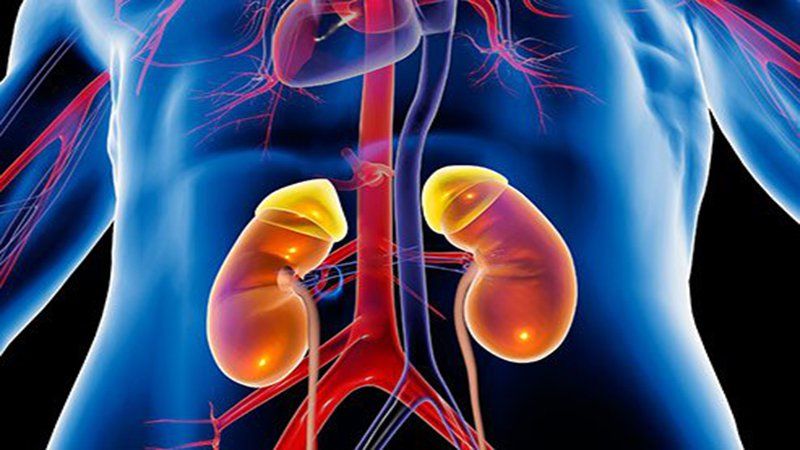
Turmeric also deserves consideration from a kidney-health perspective.
Turmeric contains oxalates, naturally occurring compounds found in many foods. High oxalate intake can be relevant for people who are prone to certain types of kidney stones, particularly calcium oxalate stones.
For most healthy people eating turmeric as a normal culinary spice, this is unlikely to be a major concern.
However, consuming large quantities of turmeric or taking concentrated supplements is different from using a small amount in cooking.
People with a history of kidney stones or chronic kidney disease should discuss high-dose turmeric products with their healthcare professional.
This is probably the most important point in the entire discussion.
A spice used in cooking is not the same as a concentrated extract.
When you add a small amount of cinnamon to oatmeal, you are consuming a relatively modest quantity.
When a supplement provides a concentrated extract containing hundreds or thousands of milligrams of an active compound, the body's exposure can be dramatically different.
The same applies to turmeric.
A traditional curry containing turmeric is not equivalent to taking a high-dose curcumin capsule every day.
This distinction is often lost in social media discussions about "natural remedies."
The liver plays a central role in processing substances that enter the body.
It metabolizes many medications, alcohol, hormones, nutrients, and chemical compounds.
Because of this role, the liver can sometimes be affected by concentrated herbal products and supplements.
Unlike many prescription medications, dietary supplements may contain complex mixtures of ingredients, and product quality can vary.
Some supplements may also contain additional ingredients that are not obvious from casual inspection.
That is why anyone with existing liver disease should be particularly cautious about high-dose herbal supplements.
If you already have a liver condition, don't assume that a supplement is safe simply because it is made from a common kitchen spice.
People with conditions such as fatty liver disease, hepatitis, cirrhosis, or unexplained abnormal liver enzymes may need individualized advice.
The same applies to people taking multiple medications.
Some substances can interact with medications by changing how they are absorbed or metabolized.
A doctor or pharmacist can assess the specific supplement, dose, and medication combination.
Cinnamon and turmeric are frequently promoted online as ingredients that can "detox" the liver or cleanse the kidneys.
The human body already has sophisticated systems for processing and eliminating waste. The liver and kidneys perform these functions continuously.
There is no need to consume massive quantities of spices to "flush toxins" from these organs.
In fact, taking excessive amounts of concentrated supplements can create the very problem you are trying to avoid.
More detox does not necessarily mean more health.
There is no single universal amount of cinnamon or turmeric that is appropriate for everyone.
Safety depends on:
The type of spice
The amount consumed
Whether it is eaten as food or taken as an extract
The person's age
Existing liver and kidney function
Medications
Pregnancy status
Individual sensitivity
For most healthy adults, using cinnamon and turmeric in ordinary cooking amounts is generally very different from consuming high-dose supplements.
If you are considering a concentrated product, follow the product's directions and, ideally, discuss it with a healthcare professional—particularly if you have an existing medical condition.
If you enjoy cinnamon, there is usually no need to eliminate it from your diet.
Instead:
Use it as a seasoning. Sprinkle a reasonable amount over oatmeal, fruit, yogurt, or other foods.
Know your cinnamon. Cassia cinnamon generally contains more coumarin than Ceylon cinnamon.
Avoid consuming large spoonfuls regularly. More is not necessarily better.
Be cautious with supplements. Concentrated cinnamon extracts deserve more consideration than culinary use.
Pay attention to your health history. If you have liver disease, ask your healthcare professional before using high-dose products.
Turmeric can also be enjoyed as part of ordinary meals.
You can add it to:
Curries
Soups
Rice dishes
Roasted vegetables
Eggs
Stews
Homemade dressings
But be more cautious about concentrated curcumin supplements.
If you are taking a supplement, check the label carefully and avoid combining multiple products that contain similar ingredients without professional guidance.
People with a history of liver problems or kidney stones should be particularly careful with high-dose products.
It is easy to focus on individual ingredients because headlines about "dangerous foods" or "miracle spices" attract attention.
But health is rarely determined by one food.
A balanced diet containing vegetables, fruits, whole grains, legumes, nuts, seeds, adequate protein, and healthy fats generally provides a much stronger foundation for long-term health than relying on concentrated supplements.
Likewise, reducing major risk factors—such as excessive alcohol consumption, smoking, obesity, and poorly controlled metabolic conditions—can have a much greater effect on liver and kidney health than worrying about the small amount of cinnamon or turmeric used in a normal meal.
If you regularly use high-dose cinnamon, turmeric, or other herbal supplements and develop unexplained symptoms, speak with a healthcare professional.
Seek prompt medical attention for symptoms such as yellowing of the skin or eyes, very dark urine, severe abdominal pain, persistent vomiting, confusion, significant swelling, or substantial changes in urination.
These symptoms can have many causes and do not automatically indicate spice-related organ injury, but they should not be ignored.
It is also important to tell your doctor about all supplements you take. People sometimes mention prescription medications while forgetting to mention herbal products, vitamins, powders, or "detox" formulas.
That information can be important when evaluating abnormal liver or kidney tests.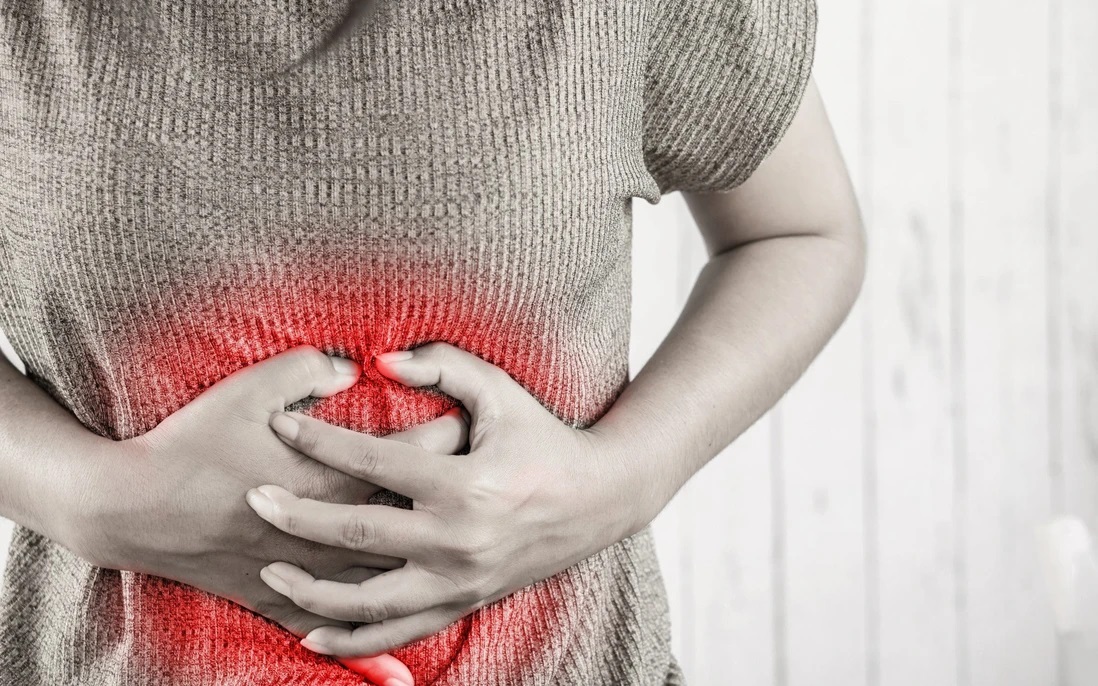
Cinnamon and turmeric are not inherently harmful spices.
For most people, using reasonable amounts of these spices in everyday cooking can be part of a healthy diet.
The concern arises when normal culinary ingredients are turned into high-dose, concentrated supplements or consumed excessively over long periods.
Cassia cinnamon contains coumarin, which can be harmful to the liver at sufficiently high exposure, while concentrated turmeric or curcumin supplements have been linked to rare cases of liver injury. Turmeric's oxalate content may also be relevant to people susceptible to certain kidney stones.
Most importantly, these spices should not be compared directly with alcohol, which has a well-established and much broader role in liver disease.
So there is no need to fear your spice rack.
Enjoy cinnamon and turmeric as flavorful ingredients, avoid excessive amounts, be skeptical of "detox" claims, and take extra care with concentrated supplements—especially if you have liver or kidney problems or take prescription medications.
When it comes to spices, the goal isn't to avoid them. It's to use them wisely.
Could Your Dishwashing Habits Be Affecting Your Family’s Health?
Pay Attention to Your Hands: 3 Possible Signs of Liver Problems
Think Papaya Is Just About the Fruit? Its Seeds May Have More to Offer
Could a Health Condition Be Causing Your Swollen Legs?

Could These Be Early Signs of a Stroke? What to Know

8 Glasses of Water a Day? Here’s What You Really Need to Know

Your Morning Routine Matters: 4 Habits That May Raise Str0ke Risk

What Science Really Says About Small Breasts Might Surprise You

If Your Skin Looks Like This, Doctors Say Don't Ignore It

This Common Mistake Can Delay Life-Saving Treatment

6 Types of Warts You Should Never Ignore

The Silent Signs of Kid.ney Failure Most People Ignore

7 Changes You Might Experience When You Stop Having Sex
Simple daily foods may help support healthy arteries and heart function.

Some egg dishes can pose risks when prepared improperly or stored badly.

Cassava feeds millions worldwide, yet improper preparation can be risky.
This precious vegetable can ease joint and bone pa:in — yet most people pull it out without knowing its value

Do You Always Need the Bathroom After a Meal? Read This

Doctors Reveal What Happens When You Make This Common Shower Habit Part of Your Routine.
Could Your Dishwashing Habits Be Affecting Your Family’s Health?
Pay Attention to Your Hands: 3 Possible Signs of Liver Problems
Think Papaya Is Just About the Fruit? Its Seeds May Have More to Offer
Could a Health Condition Be Causing Your Swollen Legs?
Could These Be Early Signs of a Stroke? What to Know
8 Glasses of Water a Day? Here’s What You Really Need to Know
Your Morning Routine Matters: 4 Habits That May Raise Str0ke Risk
Challenge Your Brain: Can You Solve This Math Puzzle in 10 Seconds?
What Science Really Says About Small Breasts Might Surprise You
If Your Skin Looks Like This, Doctors Say Don't Ignore It
This Common Mistake Can Delay Life-Saving Treatment
Your Brain Picks a Side Instantly—Here's What It Means
6 Types of Warts You Should Never Ignore
The Silent Signs of Kid.ney Failure Most People Ignore
7 Changes You Might Experience When You Stop Having Sex
The Judge Couldn't Believe the Reason