Doctors Warn About Three Popular Dishes That May Carry Hidden Food Safety Risks
Food safety experts urge caution when eating certain high-risk dishes.
Health 21/07/2026 00:04
Getting a good night's sleep is essential for physical health, emotional well-being, and daily performance. Yet millions of people struggle with occasional sleeplessness, difficulty falling asleep, or waking up frequently during the night. As a result, many turn to natural remedies in search of better rest.
Among the most well-known herbal options is valerian root tea. Used in traditional European and Asian herbal medicine for centuries, valerian root has long been associated with relaxation and improved sleep. Today, it remains one of the most popular herbal ingredients in teas and dietary supplements marketed for occasional sleep difficulties.
But how effective is valerian root tea, and what does scientific research actually say?
While some studies suggest valerian root may help certain people fall asleep more easily or experience slightly improved sleep quality, the evidence remains mixed. It is not a cure for chronic insomnia, and its effects can vary from person to person.
Here's what you should know before adding valerian root tea to your bedtime routine.

Valerian (Valeriana officinalis) is a flowering plant native to Europe and parts of Asia. The medicinal portion of the plant is its underground root, which has been used in traditional herbal medicine for over 2,000 years.
Today, valerian root is commonly available as:
Herbal tea
Capsules
Tablets
Liquid extracts
Tinctures
The root has a naturally earthy aroma that some people describe as woody or musky.
Researchers believe valerian root contains naturally occurring compounds that may influence the brain's relaxation pathways.
Some of these compounds may interact with gamma-aminobutyric acid (GABA), an important neurotransmitter that helps regulate nervous system activity.
GABA helps reduce excessive nerve signaling and promotes a calming effect within the brain.
Because of this, valerian root has been studied as a potential herbal aid for:
Relaxation
Occasional sleep difficulties
Mild anxiety symptoms
However, scientists continue to investigate exactly how valerian works, and its mechanisms are not yet fully understood.
Scientific studies on valerian root have produced mixed results.
Some clinical trials suggest that valerian may:
Slightly reduce the time it takes some people to fall asleep.
Improve subjective sleep quality.
Promote feelings of relaxation before bedtime.
Other studies, however, have found little or no significant benefit compared with a placebo.
Reviews of the available evidence generally conclude that valerian root may provide modest benefits for some individuals, but the overall quality of the evidence is limited due to differences in study design, dosages, and preparations.
In other words, valerian root tea may help some people—but it does not work for everyone.
Although more research is needed, valerian root tea may offer several potential benefits when used as part of healthy sleep habits.
Many people drink valerian tea in the evening because they find the ritual calming.
Warm beverages themselves may encourage relaxation, and valerian root may contribute additional calming effects for some individuals.
Some people report that valerian tea helps them unwind before bed.
Research suggests it may modestly shorten the time needed to fall asleep in certain individuals, although results are inconsistent.
It is not considered a replacement for medical treatment of chronic insomnia.
Some studies indicate participants felt they slept more deeply or woke feeling more refreshed after using valerian.
However, objective measurements such as sleep monitoring devices have not always confirmed these improvements.
Sleep and stress often influence each other.
People under chronic stress frequently experience disrupted sleep.
Although valerian should not be viewed as an anxiety treatment, some users find it helps them feel calmer during the evening.
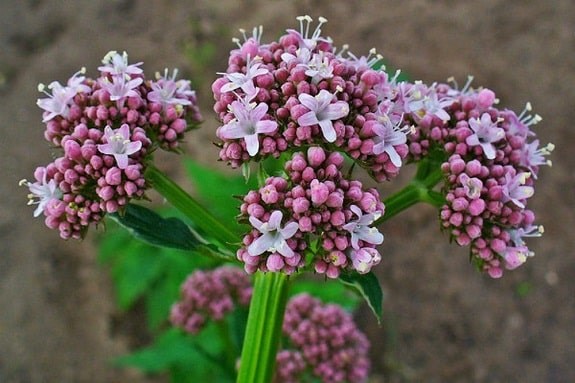
Valerian root tea is simple to prepare.
1–2 teaspoons dried valerian root
1 cup (240 mL) hot water
Bring water to a boil.
Pour the hot water over the dried valerian root.
Cover the cup while steeping to help retain aromatic compounds.
Steep for 10–15 minutes.
Strain before drinking.
Many people drink valerian tea 30 to 60 minutes before bedtime.
Some choose to blend valerian with herbs such as chamomile or lemon balm for a milder flavor and additional relaxation, although research on herbal combinations is limited.
Even if valerian tea helps you relax, it works best when combined with good sleep hygiene.
Try going to bed and waking up at the same time every day, including weekends.
Regular sleep patterns help regulate your body's internal clock.
Coffee, energy drinks, black tea, and some soft drinks may interfere with sleep if consumed in the afternoon or evening.
People vary in their sensitivity to caffeine, but avoiding it several hours before bedtime may improve sleep quality.
The light emitted by phones, tablets, computers, and televisions may delay the release of melatonin, the hormone that helps regulate sleep.
Consider limiting screen use for at least one hour before bedtime.
A calming evening routine may signal to your body that it is time to sleep.
Examples include:
Reading a book
Gentle stretching
Meditation
Listening to relaxing music
Drinking a warm, caffeine-free herbal tea
Good sleep is often easier in a room that is:
Cool
Quiet
Dark
Comfortable
Blackout curtains, earplugs, or white noise may be helpful for some people.
Valerian root tea is generally considered safe for short-term use in many healthy adults when consumed in moderation.
However, like any herbal product, it may cause side effects in some people.
Possible side effects include:
Drowsiness
Headache
Dizziness
Upset stomach
Vivid dreams
Because valerian may cause sleepiness, avoid driving or operating machinery after drinking it until you know how it affects you.
Valerian root may not be appropriate for everyone.
Consult a healthcare professional before using valerian if you:
Are pregnant or breastfeeding.
Have liver disease.
Are scheduled for surgery.
Take prescription sleep medications.
Use sedatives or anti-anxiety medications.
Drink alcohol regularly in the evening.
Combining valerian with other substances that cause drowsiness may increase sedative effects.
False.
Valerian root does not produce the same effects as prescription sleep medications, and any benefits are generally milder and more variable.
False.
Drinking larger amounts is unlikely to improve effectiveness and may increase the risk of unwanted side effects.
Always follow the product's instructions or consult a healthcare professional.
False.
Natural products can still cause side effects and interact with medications.
Always tell your healthcare provider about any herbal supplements or teas you use regularly.

Occasional sleeplessness is common, but persistent sleep problems deserve medical attention.
Speak with your healthcare provider if you:
Have difficulty sleeping for more than a few weeks.
Snore loudly or stop breathing during sleep.
Feel excessively sleepy during the day.
Wake up gasping for air.
Experience insomnia that interferes with work or daily life.
Notice symptoms of depression or anxiety affecting your sleep.
A healthcare professional can help identify possible underlying causes and recommend appropriate treatment.
Valerian root tea has been used as a traditional herbal remedy for centuries and remains a popular choice for people looking to relax before bedtime. Current research suggests it may help some individuals experience modest improvements in relaxation or sleep quality, but the evidence is mixed, and it is not a proven treatment for chronic insomnia or other sleep disorders.
For the best chance of improving sleep, think of valerian root tea as one part of a broader approach that includes consistent sleep habits, limiting caffeine late in the day, managing stress, staying physically active, and creating a comfortable sleep environment. If sleep problems persist despite these measures, seeking medical advice is the most appropriate next step.
Food safety experts urge caution when eating certain high-risk dishes.

💧 Most People Ignore Morning Dry Mouth—Until They Learn These 8 Reasons 😨

8 Types of Pain That Could Signal an Underlying Health Condition

🧐 Is Urinating in the Shower Really as Safe as People Think?

Why Turmeric Is Popular: Exploring Its Potential Health Benefits

⚠️ Your Body May Be Sending a Message if Frequent Gas Comes With These Symptoms 👇

Many Heart Attacks Are Preceded by Warning Signs—Here Are 7 to Recognize ❤️

Why More Nutritionists Recommend Eating Walnuts Every Day 👇

8 Possible Warning Signs of Kidney Problems You Shouldn't Ignore











8 Ways Garlic May Support Your Health
Food safety experts urge caution when eating certain high-risk dishes.
💧 Most People Ignore Morning Dry Mouth—Until They Learn These 8 Reasons 😨
8 Types of Pain That Could Signal an Underlying Health Condition
🧐 Is Urinating in the Shower Really as Safe as People Think?
Why Turmeric Is Popular: Exploring Its Potential Health Benefits
⚠️ Your Body May Be Sending a Message if Frequent Gas Comes With These Symptoms 👇
Many Heart Attacks Are Preceded by Warning Signs—Here Are 7 to Recognize ❤️
Why More Nutritionists Recommend Eating Walnuts Every Day 👇


8 Possible Warning Signs of Kidney Problems You Shouldn't Ignore