Vegetables are among the most important foods in a healthy diet. They provide fiber, vitamins, minerals, antioxidants, and many other compounds that support long-term health.
But like any food that is grown outdoors and handled by multiple people before reaching your kitchen, fresh vegetables can sometimes become contaminated with microorganisms or parasites.
This doesn't mean vegetables are unsafe.
In fact, the health benefits of eating vegetables generally far outweigh the risks when they are handled and prepared properly.
The bigger issue is that some vegetables are eaten raw or only lightly cooked. If contaminated produce isn't washed or handled correctly, organisms from soil, water, animals, or contaminated hands and surfaces can potentially reach the food.
Understanding where the risk comes from and how to reduce it - is much more useful than avoiding vegetables altogether.
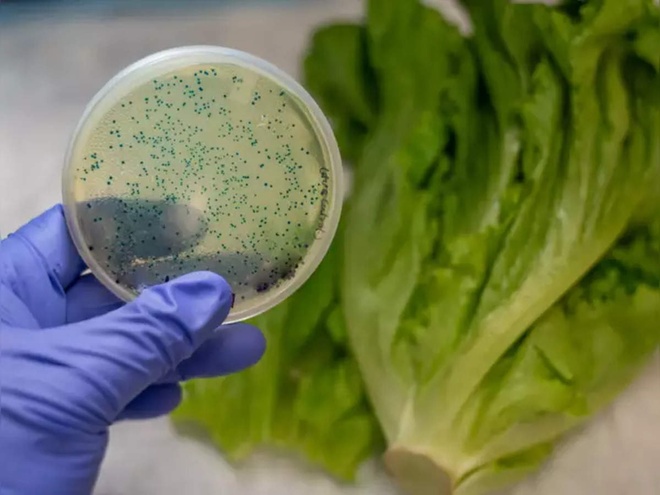
How Can Parasites Get Onto Vegetables?
Parasites don't typically appear on vegetables spontaneously.
Contamination can occur at different stages, including:
-
During farming
-
Through contaminated irrigation water
-
From contaminated soil
-
Through animal feces
-
During harvesting
-
During transportation
-
At markets or grocery stores
-
During food preparation at home
Some parasites have microscopic eggs or cysts that can be difficult to see.
A vegetable may look completely fresh and clean while still carrying microorganisms that aren't visible to the naked eye.
1. Soil Can Be a Source of Contamination
Many vegetables grow directly in or near soil.
Examples include:
-
Carrots
-
Radishes
-
Beets
-
Potatoes
-
Sweet potatoes
-
Leafy vegetables
Soil can contain microorganisms originating from animal or human waste.
If contaminated soil comes into contact with produce, organisms can potentially remain on the surface.
This is one reason washing produce is important, particularly when vegetables are eaten raw.
2. Contaminated Water Can Spread Parasites
Water used for irrigation can also be a potential source of contamination.
If agricultural water becomes contaminated with fecal material, microorganisms can reach crops.
The risk depends on factors such as:
-
Water quality
-
Farming practices
-
Local sanitation
-
Crop type
-
Whether the produce is eaten raw
-
How the food is processed afterward
This is one reason food safety regulations and agricultural hygiene practices are so important.
3. Animal Contact Can Matter
Animals can come into contact with crops and agricultural environments.
Wild animals, livestock, and domestic animals can potentially contaminate soil or water with fecal material.
This doesn't mean every farm is contaminated.
Rather, it illustrates why good agricultural hygiene and proper produce handling are important parts of food safety.
4. Leafy Greens Deserve Special Attention
Leafy vegetables such as:
-
Lettuce
-
Spinach
-
Kale
-
Romaine
-
Arugula
-
Fresh herbs
can sometimes present additional cleaning challenges.
Their many folds and irregular surfaces can make it harder to remove soil and microorganisms completely.
Leafy greens are also commonly eaten raw, which means there is no cooking step to kill organisms that may remain on the surface.
That makes proper washing and handling particularly important.
5. Raw Vegetables Have a Different Risk Than Cooked Vegetables
Cooking is one of the most effective ways to reduce many foodborne pathogens.
When vegetables are cooked thoroughly, heat can destroy many bacteria, viruses, and parasites.
Raw vegetables don't receive this additional safety step.
This doesn't mean raw vegetables should be avoided.
It simply means that washing and handling become especially important when produce is eaten raw.
6. Washing Vegetables Properly Matters
One of the simplest ways to reduce contamination is to wash fresh produce under clean running water.
For many vegetables, this can remove dirt and reduce the number of microorganisms on the surface.
A useful approach is:
-
Wash your hands before preparing food.
-
Rinse vegetables under running water.
-
Rub firm produce gently with clean hands.
-
Remove visibly damaged or bruised areas.
-
Use a clean vegetable brush for firm produce when appropriate.
-
Dry produce with a clean towel or allow it to air-dry.
Washing doesn't guarantee that every microorganism will be removed, but it can reduce contamination.
7. Don't Use Soap on Vegetables
Some people believe washing vegetables with dish soap will make them safer.
It can actually create another problem.
Soap and household detergents are not intended for washing food.
They can leave chemical residues and may irritate the digestive system if consumed.
Clean running water is generally the appropriate choice for washing fresh produce.
8. Vinegar Isn't a Magic Parasite Killer
You may see advice recommending soaking vegetables in:
-
Vinegar
-
Salt water
-
Baking soda
-
Lemon juice
Some of these methods may help remove dirt or alter surface contamination, but they should not be treated as guaranteed methods for eliminating parasites.
The concentration, contact time, organism involved, and type of produce all matter.
For everyday food safety, running water, clean hands, clean utensils, proper refrigeration, and appropriate cooking are more dependable practices.
9. Washing Your Hands Is Just as Important
You can wash vegetables perfectly and then contaminate them again with dirty hands.
Wash your hands with soap and water:
-
Before preparing food
-
After using the bathroom
-
After handling raw meat
-
After touching pets or animals
-
After gardening
-
Before eating
Hand hygiene is one of the most effective ways to reduce the spread of foodborne infections.
10. Keep Cutting Boards Clean
Cross-contamination can happen easily in the kitchen.
For example, you might cut raw meat on a cutting board and then use the same board for lettuce without cleaning it.
Microorganisms can transfer from one food to another.
Ideally, use separate cutting boards for:
Raw meat and seafood
and
Ready-to-eat produce
If you only have one cutting board, wash it thoroughly with hot, soapy water between uses.
11. Don't Wash Vegetables Before Storing Them Unless Appropriate
Washing produce and then storing it while still wet can sometimes encourage spoilage.
For many vegetables, it is better to wash them shortly before eating or preparing them.
However, specific storage practices vary depending on the produce.
The important point is to avoid creating a damp environment that promotes spoilage.
12. Refrigeration Helps Maintain Food Safety
Many fresh vegetables should be refrigerated according to their storage requirements.
Keeping perishable produce at an appropriate temperature can slow the growth of certain microorganisms.
Your refrigerator should also be kept clean and cold enough for safe food storage.
Avoid overcrowding it because adequate air circulation helps maintain stable temperatures.
13. Don't Eat Produce That Looks Rotten
Fresh vegetables sometimes develop:
-
Mold
-
Soft spots
-
Slimy surfaces
-
Unusual discoloration
-
Strong unpleasant odors
When produce has visibly spoiled, don't simply wash the affected area and assume everything is safe.
For soft or moldy produce, contamination can extend below the visible surface.
When in doubt, discard it.
14. Be Particularly Careful With Raw Herbs
Fresh herbs such as:
-
Cilantro
-
Parsley
-
Basil
-
Mint
-
Dill
are often eaten without cooking.
They can also have complex surfaces that make thorough cleaning difficult.
Wash them carefully under clean running water and keep them refrigerated when appropriate.
15. Home-Grown Vegetables Aren't Automatically Parasite-Free
Growing your own vegetables can be a great hobby.
But home-grown produce can still become contaminated.
Potential sources include:
-
Untreated water
-
Animal feces
-
Compost
-
Soil
-
Pets
-
Wildlife
If you use compost or manure in your garden, make sure it has been properly processed according to safe gardening practices.
16. Be Careful With Untreated Manure
Animal manure can contain pathogens and parasite eggs.
Fresh manure shouldn't be casually applied to crops that will be eaten raw.
Properly composted manure is safer, but composting must be done correctly to reduce pathogens.
Gardeners should also wash their hands after handling soil, manure, or compost.
17. Don't Let Pets Near Food Preparation Areas
Dogs and cats can carry microorganisms on their paws or fur, particularly after being outdoors.
This doesn't mean pets are dangerous.
But basic hygiene helps.
Avoid allowing pets to:
-
Walk on kitchen counters
-
Lick plates
-
Eat from food preparation surfaces
Wash your hands after handling pets and before preparing food.
18. What Symptoms Can Foodborne Parasites Cause?
Symptoms depend on the specific organism.
Possible symptoms include:
-
Abdominal pain
-
Diarrhea
-
Nausea
-
Vomiting
-
Bloating
-
Loss of appetite
-
Fatigue
-
Fever
-
Weight loss
Some parasitic infections can cause few or no symptoms initially.
Others can produce prolonged gastrointestinal problems.
If symptoms persist, medical testing may be necessary.
19. Diarrhea Doesn't Automatically Mean Parasites
This is important because many conditions can cause gastrointestinal symptoms.
Diarrhea can result from:
-
Viruses
-
Bacteria
-
Food intolerance
-
Medications
-
Stress
-
Irritable bowel syndrome
-
Inflammatory bowel disease
-
Parasites
You cannot reliably determine the cause based on symptoms alone.
A healthcare professional may need to evaluate your medical history and, when appropriate, order stool testing.
20. Persistent Symptoms Deserve Attention
If you experience diarrhea or abdominal problems for an extended period, particularly after travel or exposure to potentially contaminated water or food, speak with a healthcare professional.
Additional warning signs include:
-
Blood in the stool
-
Persistent fever
-
Significant dehydration
-
Severe abdominal pain
-
Unexplained weight loss
-
Persistent vomiting
-
Extreme weakness
These symptoms require medical evaluation.
21. Some People Are More Vulnerable
Foodborne infections can be more serious in certain groups.
These include:
-
Young children
-
Older adults
-
Pregnant people
-
People with weakened immune systems
-
People with certain chronic illnesses
For these groups, food safety precautions become particularly important.
22. Pregnancy Requires Extra Food-Safety Care
During pregnancy, certain foodborne infections can cause serious complications.
Pregnant people should follow recommended produce, meat, seafood, dairy, and food-storage safety guidelines.
Fresh vegetables can absolutely remain part of a healthy pregnancy diet.
The goal is simply to ensure they are properly washed and prepared.
23. Don't Avoid Vegetables Because of Parasite Concerns
This is perhaps the biggest takeaway.
The potential risk of contamination should not discourage people from eating vegetables.
Vegetables are associated with numerous health benefits and are an important part of a balanced diet.
The solution isn't:
"Never eat raw vegetables."
It's:
"Handle raw vegetables safely."
24. Variety Is Still Important
Different vegetables contain different nutrients.
Try to include a range of:
-
Leafy greens
-
Cruciferous vegetables
-
Root vegetables
-
Squash
-
Tomatoes
-
Peppers
-
Legumes
Eating a variety of vegetables helps provide a broader range of vitamins, minerals, fiber, and plant compounds.
25. Cooking Can Reduce Foodborne Risk
If you're particularly concerned about contamination, cooking vegetables is one practical option.
Methods include:
-
Steaming
-
Boiling
-
Stir-frying
-
Roasting
-
Baking
Cooking doesn't mean vegetables become unhealthy.
In fact, different cooking methods can make certain nutrients easier to absorb.
26. Some Nutrients Are Affected by Cooking
Heat can reduce some water-soluble vitamins, particularly vitamin C.
But cooking can also increase the availability of certain compounds.
For example, cooking tomatoes increases the bioavailability of lycopene.
The goal isn't to eat everything raw or everything cooked.
A combination of raw and cooked vegetables can provide nutritional variety.
27. Frozen Vegetables Can Be a Good Option
Frozen vegetables are often overlooked.
Many are frozen soon after harvesting, which can help preserve nutrients.
They're also convenient and may have a lower food-safety risk when properly cooked.
Frozen vegetables can be particularly useful when fresh produce isn't available or affordable.
28. What About Pre-Washed Vegetables?
Produce labeled pre-washed or ready-to-eat has generally undergone processing designed to make it suitable for consumption without additional washing.
Follow the instructions on the packaging.
If a product is specifically labeled ready-to-eat, additional washing isn't necessarily required and may actually create opportunities for contamination if your sink or hands aren't clean.
29. Don't Leave Cut Vegetables Sitting Out for Hours
Once vegetables are cut, their surfaces become more exposed.
If you're preparing a salad or vegetable platter, refrigerate perishable foods promptly rather than leaving them at room temperature for extended periods.
This is especially important for prepared salads and other ready-to-eat foods.
30. Wash Your Kitchen Sink Regularly
The kitchen sink can contain microorganisms from:
-
Raw meat
-
Dirty produce
-
Food scraps
-
Sponges
-
Dishcloths
If you wash vegetables in a dirty sink, contamination can potentially transfer back to the produce.
Keep the sink and surrounding surfaces clean.
31. Replace Dirty Sponges and Cloths
Kitchen sponges and cloths can harbor microorganisms if they remain damp.
Wash or replace them regularly.
Use clean towels for drying hands and food-preparation surfaces.
Small hygiene habits can make a significant difference.
32. What About Eating Vegetables at Restaurants?
Restaurants have their own food-safety systems, but contamination can still occur.
If you're eating raw salads or vegetables outside the home, choose establishments with good hygiene practices.
For people at higher risk of foodborne illness, cooked vegetables may sometimes be a safer choice.
33. Travel Can Increase Certain Risks
When traveling, particularly to areas where sanitation infrastructure differs significantly from what you're accustomed to, food and water safety can become more important.
Depending on the destination, travelers may be advised to:
-
Drink treated or bottled water
-
Avoid untreated ice
-
Wash produce carefully
-
Choose cooked foods
-
Avoid raw foods that may have been washed with unsafe water
Travel-specific advice should be based on the destination and current public health recommendations.
34. Parasites Aren't the Only Concern
When people hear "contaminated vegetables," they often immediately think of parasites.
But fresh produce can potentially carry:
-
Bacteria
-
Viruses
-
Parasites
Examples of foodborne pathogens associated with produce include certain strains of E. coli, Salmonella, and Listeria.
This is why general food safety is more useful than focusing exclusively on parasites.
35. You Can't Always See Contamination
One of the biggest challenges is that contaminated food can look normal.
A vegetable doesn't need to have:
-
A bad smell
-
Visible dirt
-
Mold
-
Discoloration
to contain microorganisms.
That's why safe handling matters even when produce looks perfectly fresh.
36. Don't Taste Food to See If It's Safe
Smell and appearance aren't reliable ways to determine whether food contains pathogens.
Never taste questionable food simply to test it.
If food has been stored improperly or visibly spoiled, it's safer to discard it.
37. A Simple Produce-Washing Routine
Here's a practical routine you can follow:
Step 1: Wash your hands
Use soap and clean running water.
Step 2: Prepare a clean work surface
Wash cutting boards and counters.
Step 3: Rinse produce
Use clean running water.
Step 4: Rub firm produce
Gently rub surfaces with your hands or use a clean produce brush when appropriate.
Step 5: Remove damaged areas
Cut away bruised or damaged portions.
Step 6: Dry
Use a clean towel or allow produce to air-dry.
Step 7: Refrigerate appropriately
Store perishable produce promptly.
38. What You Shouldn't Do
Avoid these common mistakes:
Don't use dish soap
It isn't intended for food.
Don't rely on vinegar as a guaranteed disinfectant
It isn't a substitute for proper food-safety practices.
Don't use dirty cutting boards
Cross-contamination is a major concern.
Don't leave prepared vegetables at room temperature for long periods
Refrigerate perishable foods promptly.
Don't assume organic produce is pathogen-free
Organic farming does not mean produce cannot carry microorganisms.
39. Organic Doesn't Mean Risk-Free
Organic vegetables can be nutritious and are an excellent choice.
But they can still become contaminated through:
-
Soil
-
Water
-
Animals
-
Handling
So organic produce should still be washed and handled appropriately.
40. The Bottom Line
Vegetables are essential components of a healthy diet, but fresh produce can occasionally become contaminated with parasites, bacteria, or viruses during farming, transportation, handling, or preparation.
Leafy greens, fresh herbs, root vegetables, and other produce eaten raw may require particular attention to washing and food hygiene.
The good news is that reducing the risk doesn't require complicated "detox" routines.
Wash your hands.
Rinse produce under clean running water.
Keep kitchen surfaces clean.
Prevent cross-contamination.
Refrigerate perishable foods properly.
Cook vegetables when appropriate.
And don't rely on soap, miracle washes, or internet "parasite cleanses" to make food safe.
Final Thoughts
The idea of hidden parasites in vegetables can sound frightening, especially when sensational headlines suggest that one particular vegetable is dangerously contaminated.
But the reality is more nuanced.
There is no single vegetable that can accurately be labeled "the most parasite-contaminated vegetable" in all situations. Contamination depends on farming practices, water quality, sanitation, handling, storage, and preparation.
Vegetables remain an important part of a healthy diet.
The smartest approach isn't to avoid them.
It's to eat them safely.
If you develop persistent diarrhea, abdominal pain, unexplained weight loss, prolonged fever, or other concerning symptoms after a possible foodborne exposure, speak with a healthcare professional. Testing may be needed to determine whether a parasite or another infection is responsible.
Healthy eating and food safety go hand in hand: enjoy plenty of vegetables, but give them the same careful handling you'd give any food you prepare for yourself and your family.