Could a Lump Inside the Mouth Be a Warning Sign? What You Should Know
Persistent oral changes should never be ignored, experts advise.
⏱️ 1 min read 20/08/2026 18:04
Your kidneys work quietly every day, filtering waste from your blood, helping control fluid balance, regulating electrolytes, and contributing to healthy blood pressure.
Because they rarely cause obvious symptoms in the early stages of disease, kidney health is something many people don't think about until a problem appears.
One of the simplest ways to support overall kidney health is through your diet. Vegetables can be an important part of that diet because they provide fiber, vitamins, minerals, antioxidants, and plant compounds while generally being low in saturated fat.
But there is an important point that often gets missed online: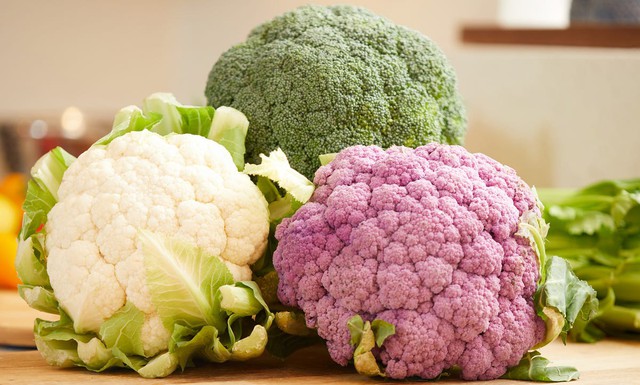
There is no single "kidney-cleansing" vegetable, and the best choices depend on your individual health.
For people with healthy kidneys, a wide variety of vegetables can fit into a balanced diet. For people with chronic kidney disease, however, certain nutrients—especially potassium, sodium, and phosphorus—may need to be monitored.
With that in mind, here are some nutritious vegetables worth considering.
Cabbage is an inexpensive and versatile vegetable that can fit into many different meals.
It provides fiber, vitamin C, vitamin K, and various plant compounds while generally containing less potassium than some other vegetables.
You can eat cabbage:
Raw in salads
Stir-fried
Steamed
Added to soups
Fermented into sauerkraut
If you're specifically following a kidney-friendly diet, be careful with highly salted versions such as some prepared sauerkraut, because excessive sodium can be problematic.
Fresh cabbage is generally much easier to incorporate into a lower-sodium eating pattern.
Cauliflower has become increasingly popular as a versatile alternative to higher-carbohydrate foods.
It can be roasted, steamed, mashed, or incorporated into soups.
It provides:
Fiber
Vitamin C
Vitamin K
Folate
Plant compounds
Cauliflower can be particularly useful for people who want to increase vegetable intake without relying heavily on potatoes or other starches.
However, portion size still matters for people who have specific potassium restrictions.
Bell peppers are colorful, crunchy, and nutrient-dense.
Red, yellow, orange, and green peppers all provide different combinations of vitamins and antioxidants.
They're particularly well known for their vitamin C content, while red peppers also provide carotenoids.
You can add them to:
Salads
Omelets
Stir-fries
Sandwiches
Grain bowls
Roasted vegetable dishes
They also add plenty of flavor without requiring large amounts of salt.
That's useful because reducing sodium is often important for maintaining healthy blood pressure, which in turn supports kidney health.
Onions may not look particularly impressive, but they're one of the easiest vegetables to use for improving a meal without relying heavily on salt.
They contain vitamin C, fiber, and various sulfur-containing compounds.
More importantly, onions can make food taste flavorful with little added sodium.
Try using:
Fresh onions
Roasted onions
Caramelized onions
Green onions
Shallots
If you're trying to reduce salt, herbs, garlic, onions, lemon juice, and spices can make meals much more satisfying.
Technically a member of the allium family alongside onions, garlic is another useful ingredient for a kidney-conscious diet.
Garlic provides flavorful compounds and can help you make food taste satisfying without adding large quantities of salt.
That matters because many processed foods and restaurant meals contain substantial amounts of sodium.
Instead of relying heavily on salt, try combining garlic with:
Black pepper
Parsley
Basil
Oregano
Lemon
Olive oil
The result can be flavorful without turning every meal into a sodium-heavy dish.
Green beans can be a convenient vegetable to include in meals.
They provide fiber, vitamin C, vitamin K, and other nutrients.
Fresh or frozen green beans can be used in:
Salads
Stir-fries
Roasted vegetable dishes
Soups
Simple side dishes
When buying canned green beans, check the sodium content.
If possible, choose no-salt-added varieties or rinse canned vegetables before eating them.
Rinsing can reduce some of the sodium on the surface, although it won't remove all of it.
Radishes are crisp, refreshing, and relatively easy to add to meals.
They can be sliced into salads, eaten as a crunchy snack, or roasted for a milder flavor.
Their strong flavor can be useful when you're trying to reduce reliance on salty dressings.
A few sliced radishes can add texture and brightness to a meal without requiring a heavy sauce.
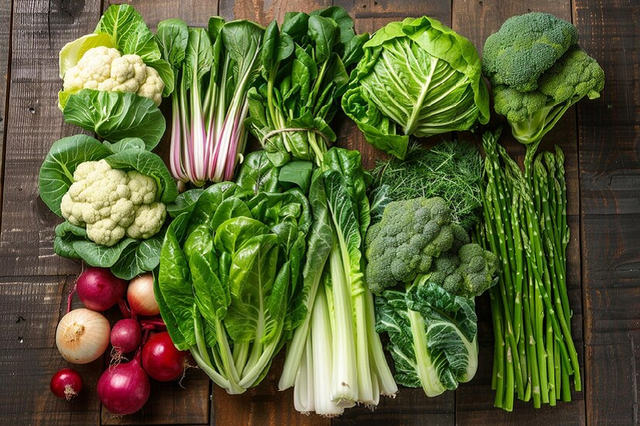
Leafy vegetables such as lettuce can help increase overall vegetable intake while contributing relatively few calories.
Different varieties provide different amounts of vitamins and minerals.
Lettuce can form the base of:
Salads
Wraps
Sandwiches
Grain bowls
One thing to watch is the dressing.
A healthy-looking salad can become very high in sodium and calories when covered with a large amount of processed dressing, cheese, cured meat, or salty toppings.
Sometimes the simplest dressing is best:
Olive oil + lemon juice + herbs + black pepper.
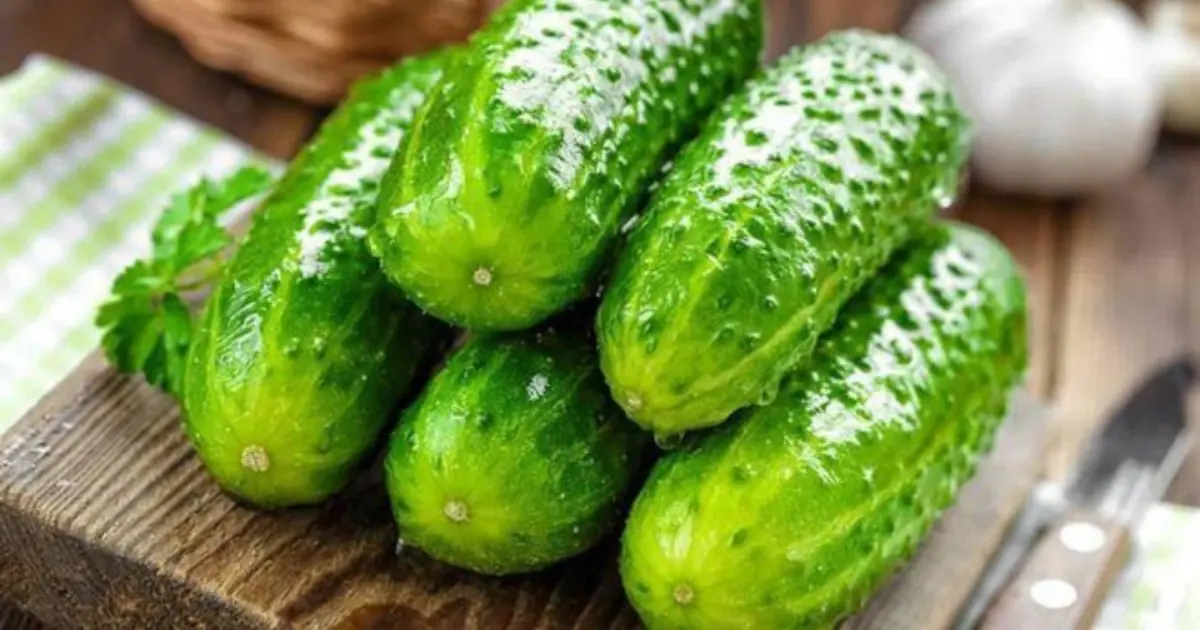
Cucumbers are mostly water and can be a refreshing addition to meals.
They also provide small amounts of vitamin K and other nutrients.
Cucumbers can be useful when replacing salty processed snacks.
Try them with:
Hummus
Plain yogurt
Fresh herbs
Lemon juice
A small amount of olive oil
However, if you have been prescribed a fluid restriction because of advanced kidney disease or another condition, your overall fluid intake should follow your medical team's recommendations.
Eggplant is another versatile vegetable that can add texture and substance to meals.
It contains fiber and various plant compounds and can be prepared in many ways.
Try:
Roasting
Grilling
Baking
Stewing
One caution: eggplant can absorb a surprising amount of oil when fried.
If you're trying to support cardiovascular and metabolic health, roasting or grilling may be a more practical everyday preparation method.
Carrots provide beta-carotene, which the body can convert into vitamin A.
Vitamin A is important for normal vision, immune function, and other biological processes.
Carrots can be eaten raw, roasted, steamed, or added to soups.
They're also naturally sweet, which can make meals more satisfying without requiring added sugar.
However, carrots aren't a treatment for kidney disease.
They're simply one nutrient-rich vegetable that can contribute to a varied diet.
Broccoli is rich in fiber, vitamin C, vitamin K, folate, and various plant compounds.
It can be steamed, roasted, or added to stir-fries.
For people with healthy kidney function, broccoli is an excellent addition to a varied vegetable intake.
If you have advanced kidney disease and have been given specific potassium or phosphorus restrictions, your portion and preparation method may need to be individualized.
That's an important distinction:
A vegetable can be nutritious and still require portion control for someone with a particular medical condition.
Turnips can be an interesting alternative to potatoes in some recipes.
They provide fiber and vitamin C and can be roasted, boiled, mashed, or incorporated into soups.
Their slightly earthy flavor works well with herbs and spices.
For someone trying to reduce reliance on heavily salted processed foods, simple roasted vegetables such as turnips can be a useful side dish.
Leafy greens are famous for their nutritional density.
Kale provides:
Vitamin K
Vitamin C
Carotenoids
Fiber
Various plant compounds
But this is another area where kidney nutrition requires nuance.
Some leafy greens can contain substantial potassium, and people with advanced kidney disease may need individualized guidance about which varieties and portions are appropriate.
So don't interpret "healthy vegetable" as "unlimited."
Your kidney function determines what dietary restrictions, if any, are appropriate.
Mushrooms aren't technically vegetables—they're fungi—but they are often included in the vegetable category when discussing everyday meals.
They provide several nutrients and can add an umami flavor that makes meals taste richer.
This can be especially helpful when you're trying to reduce sodium.
Instead of adding extra salt to a dish, try increasing the amount of naturally flavorful ingredients such as:
Mushrooms + garlic + onion + herbs + black pepper.
The result can be surprisingly flavorful.
When discussing kidney-friendly eating, sodium deserves special attention.
A high-sodium diet can contribute to increased blood pressure.
High blood pressure is one of the major risk factors for kidney disease and can also accelerate kidney damage in people who already have impaired kidney function.
That's why eating vegetables isn't enough if the rest of the meal is loaded with sodium.
Watch out for:
Processed meats
Instant noodles
Canned soups
Salty sauces
Fast food
Chips
Packaged snacks
Highly salted pickles
Some frozen meals
Fresh vegetables can be an excellent foundation, but the entire meal matters.
This is where kidney nutrition becomes more complicated.
Potassium is an essential mineral.
Healthy kidneys help maintain appropriate potassium levels in the blood.
For people with advanced chronic kidney disease, however, the kidneys may have difficulty removing excess potassium.
Some medications can also increase potassium levels.
If your healthcare provider has told you that your blood potassium is high or that you need a low-potassium diet, you should not simply eat unlimited amounts of vegetables because they're healthy.
Some vegetables are relatively high in potassium.
Your diet may need to be individualized according to:
Kidney function
Blood potassium levels
Medications
Other medical conditions
Dialysis status
Your overall nutritional needs
A renal dietitian can be particularly helpful here.
Yes, preparation can influence potassium content.
Potassium is water-soluble, so certain cooking techniques can move some potassium from vegetables into the cooking water.
For people who have been specifically instructed to reduce potassium, techniques such as cutting vegetables into smaller pieces, soaking, boiling in a large amount of water, and discarding the cooking water may sometimes be recommended.
But the effectiveness varies by food and preparation.
You shouldn't assume that boiling makes every vegetable "low potassium."
If you have a medical potassium restriction, follow the preparation guidance provided by your healthcare team.
Spinach is incredibly nutritious and contains folate, vitamin K, vitamin C, carotenoids, and other beneficial compounds.
But spinach can also contain significant amounts of potassium and oxalates.
Oxalates are relevant to some people who are prone to certain types of kidney stones.
This doesn't mean spinach is unhealthy.
For someone with healthy kidneys, it can be an excellent vegetable.
For someone with specific kidney stones or advanced kidney disease, dietary recommendations may be different.
This is a perfect example of why there is no universal "best vegetable for your kidneys."
Some dietary patterns can help reduce the risk of certain kidney stones, but the answer depends on the type of stone.
Hydration is particularly important for preventing many kidney stones.
Other dietary factors can include:
Sodium intake
Calcium intake
Oxalate intake
Animal protein
Citrate
Overall fluid consumption
People who have recurrent kidney stones may benefit from a medical evaluation and, in some cases, analysis of the stone type or a 24-hour urine test.
Don't automatically eliminate high-oxalate vegetables without professional guidance.
Unnecessarily restricting nutritious foods can make the diet more difficult and may not solve the underlying problem.
Sometimes kidney-friendly eating is less about finding a magical vegetable and more about what you eat less often.
Highly processed foods can contain large amounts of sodium, added sugars, saturated fat, and phosphorus-containing additives.
Replacing some of these foods with minimally processed meals can support overall cardiovascular and metabolic health.
For example, compare:
Packaged salty snack + processed meat + sugary drink
with:
Fresh vegetables + grilled fish or beans + whole grain + water.
The second meal isn't beneficial because one vegetable "cleanses" the kidneys.
It's beneficial because the overall nutritional pattern is different.
For someone without a medically prescribed dietary restriction, a simple meal might look like:
A variety of vegetables
A protein source such as fish, poultry, eggs, tofu, or beans
A whole grain or other appropriate carbohydrate
Then add a modest amount of healthy fat and use herbs, spices, garlic, lemon, or vinegar for flavor.
This approach provides variety rather than relying on one supposedly perfect food.
Be careful with claims about vegetable juices or detox drinks.
Your kidneys don't need a special juice to "flush out toxins."
The kidneys are already continuously filtering blood and regulating fluid and electrolytes.
Some detox products may contain concentrated amounts of potassium, herbs, or other substances that aren't appropriate for everyone.
If you have kidney disease, don't assume that a product marketed as a kidney cleanse is safe.
Natural does not automatically mean kidney-safe.
This is the most important caveat.
If you've been diagnosed with chronic kidney disease, don't blindly follow a generic list of "best vegetables."
Your nutritional needs can change as kidney function declines.
Some people may need to monitor:
Sodium
Potassium
Phosphorus
Protein
Fluids
Others may not need significant restrictions at all.
The correct diet depends on your laboratory results and stage of disease.
A registered dietitian specializing in kidney disease can help create a plan that protects nutritional status while addressing the specific restrictions you need.
Kidney disease can be silent, but certain symptoms should prompt medical evaluation.
These can include:
Persistent swelling in the ankles or legs
Blood in the urine
Foamy urine that persists
Major changes in urination
Persistent fatigue
Unexplained nausea
Shortness of breath
Persistent high blood pressure
These symptoms can have many causes and don't automatically mean kidney disease.
But they shouldn't be ignored.
People at higher risk particularly those with diabetes, high blood pressure, cardiovascular disease, or a family history of kidney disease - may benefit from regular kidney-function screening.
Vegetables can play an important role in an overall eating pattern that supports kidney and cardiovascular health.
Options such as cabbage, cauliflower, bell peppers, onions, garlic, green beans, radishes, lettuce, cucumbers, eggplant, carrots, broccoli, turnips, and other vegetables can add fiber and essential nutrients while helping replace highly processed foods.
But there's no universal list of vegetables that is perfect for everyone.
For healthy people, variety is usually the goal.
For people with chronic kidney disease, the situation is more individualized—particularly when it comes to potassium, sodium, phosphorus, and fluid intake.
So don't focus on finding one magical "kidney-cleansing" vegetable.
Instead, build meals around a wide variety of minimally processed foods, keep sodium under control, stay physically active, manage blood pressure and blood sugar, and follow your healthcare professional's recommendations if you have kidney disease.
Your kidneys don't need a miracle food. They benefit most from a healthy pattern that you can actually maintain.
Persistent oral changes should never be ignored, experts advise.
Chayote Juice After 30: 20 Potential Benefits You Should Know About
Guava May Have Some Surprising Effects on Your Health - Here’s Why
Think Your Liver Is Healthy? These 10 Signs May Be Worth Noticing
Before Eating Sweet Potatoes, Learn About These 2 Times to Avoid Them
This Little Fruit Is Sweet, Juicy, and Surprisingly Unique
15 Common Symptoms of an Underactive Thyroid You Shouldn’t Ignore
The Silent Health Danger Many Adults Don’t See Coming
Doctors Trace a 60-Year-Old Man’s Meningitis to an Unexpected Source in His Refrigerator
The Potential Effects of Eating Cucumbers Every Day
Experts say proper food storage is vital for protecting family health.
What’s Really in Your Toilet Paper? Experts Explain What Consumers Should Know
This Herb May Offer Natural Support for Your Immune System
Is Peeing in the Shower Actually Safe? Here’s What to Know
The Silent Clues Your Heart Gives Before an Emergency
What Prominent Veins Really Mean for Your Health
DID YOU KNOW? If hair grows on your ears it’s because your body is See more
Millions watched her story. The warning could save lives.
Most people ignore these warning signs until it's too late.
Persistent oral changes should never be ignored, experts advise.
When the sacred helmet of Roman’s late brother is stolen from his workshop, he confronts the thief-only to uncover a shocking truth about his brother’s death and finally free himself from years of crushing guilt.
Chayote Juice After 30: 20 Potential Benefits You Should Know About
One Simple Door Habit That Could Help You Feel Safer at Night
Guava May Have Some Surprising Effects on Your Health - Here’s Why
The First Three Colors You See May Reveal the Burden You Carry
Think Your Liver Is Healthy? These 10 Signs May Be Worth Noticing
Before Eating Sweet Potatoes, Learn About These 2 Times to Avoid Them
The Dress You Notice First Could Say Something Surprising About Your Personality
This Little Fruit Is Sweet, Juicy, and Surprisingly Unique
Centipedes in Your Home? What Their Presence Could Be Telling You
What Happens When a Woman Chooses Life Without a Man?
15 Common Symptoms of an Underactive Thyroid You Shouldn’t Ignore
The Silent Health Danger Many Adults Don’t See Coming
Chefs Reveal the Right Way to Fix Food That’s Too Salty
Doctors Trace a 60-Year-Old Man’s Meningitis to an Unexpected Source in His Refrigerator
The Potential Effects of Eating Cucumbers Every Day
The First Animal You Notice Could Reveal a Personality Trait You Keep Hidden
Experts say proper food storage is vital for protecting family health.