
Don't Dismiss Hip Pain—It Could Be Linked to an Underlying Condition
These Common Conditions May Be Causing Your Hip Pain—Learn the Signs
Health 22/07/2026 00:00
At first glance, many people believe that venomous snakes are easy to recognize. Common myths suggest that you can simply look at a snake's eyes, head shape, or color patterns to determine whether it's dangerous. Images circulating online often compare triangular heads with rounded heads or slit-shaped pupils with round pupils as reliable clues.
The truth is much more complicated.
While some venomous species share certain physical characteristics, there is no single visual feature that can reliably distinguish all venomous snakes from harmless ones. In fact, many nonvenomous snakes closely resemble venomous species, and some venomous snakes lack the characteristics people commonly expect.
Attempting to identify a snake based solely on its appearance can be dangerous. The safest approach is simple: treat any unidentified snake with caution and maintain a safe distance.
Why Appearance Can Be Misleading
One of the most widespread misconceptions is that venomous snakes always have:
Although these characteristics may apply to some species, they are far from universal.
For example:
Snake identification is highly dependent on species and geographic location. What may be true for one country could be completely inaccurate in another.
This is why professional herpetologists rarely rely on a single physical trait when identifying snakes.
Images shared online frequently simplify snake identification into easy formulas such as:
Unfortunately, nature doesn't always follow simple rules.
Experts emphasize that:
Attempting to approach a snake closely enough to examine its eyes or scales can also place individuals at unnecessary risk.
If you are close enough to study its pupils, you are probably too close.
The Safest Identification Method Is Distance
Wildlife experts generally recommend avoiding attempts to physically identify unknown snakes in the field.
Instead:
Most snakes prefer avoiding confrontation and will leave the area if given sufficient space.
Remember that snakes usually bite defensively rather than aggressively.
Many bites occur when people attempt to:
Respecting wildlife remains one of the most effective safety measures available.
Snakes often inspire fear, but they perform valuable ecological functions.
Many species help control populations of:
By maintaining ecological balance, snakes contribute significantly to both natural environments and human communities.
Even venomous species serve important environmental roles.
Understanding and respecting wildlife doesn't require unnecessary risks or close encounters.
What Should You Do If You Encounter a Snake?
If you unexpectedly encounter a snake:
When hiking or spending time outdoors:
Prevention remains the most effective strategy for avoiding snake-related injuries.
Although most human encounters with snakes do not result in bites, immediate medical evaluation is important whenever a snake bite occurs.
Modern medical treatment has dramatically improved outcomes for venomous snake bites when appropriate care is provided promptly.
Not Every Snake Bite Involves Venom
Many snake bites worldwide are caused by nonvenomous species. Additionally, some venomous snake bites may inject little or no venom.
Regardless of symptoms, however, medical assessment is advisable after any snake bite because complications can still occur.
Potential symptoms requiring urgent medical attention include:
Healthcare professionals can determine what treatment is appropriate based upon clinical findings and local circumstances.
Perhaps the most important lesson is that there is no shortcut for safely identifying every venomous snake.
Internet graphics frequently oversimplify complex biological differences. While certain characteristics may apply to particular species or regions, they should never be used as universal rules.
Rather than asking:
"Is this snake dangerous?"
the safer question is often:
"Am I giving this animal enough space?"
Maintaining distance protects both people and wildlife.
Final Thoughts
No single physical characteristic can reliably distinguish all venomous snakes from harmless ones. Head shape, pupil shape, coloration, and body patterns may sometimes provide clues for experts working within specific geographic regions, but they are not dependable safety tools for the general public.
If you encounter an unfamiliar snake, the safest response is always the same:
Understanding wildlife begins with respecting its unpredictability. Appreciating snakes from afar is not only safer—it's often the best way to ensure peaceful coexistence.
Disclaimer: This article is intended for educational purposes only and should not replace professional wildlife or medical guidance. Snake species vary considerably around the world, and visual identification alone should never be relied upon to determine whether a snake is venomous or safe to handle.
These Common Conditions May Be Causing Your Hip Pain—Learn the Signs
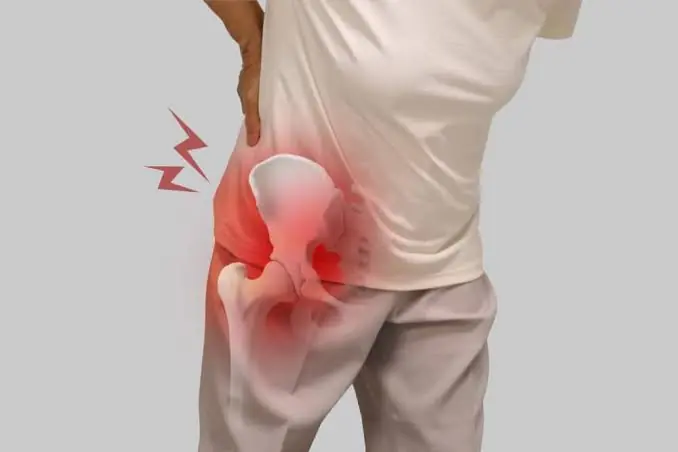
⚠️ Don't Ignore Hip Pain—It May Be Linked to More Than You Think

😨 Small Changes Could Point to Kidney Problems—Here's What Experts Say to Watch For
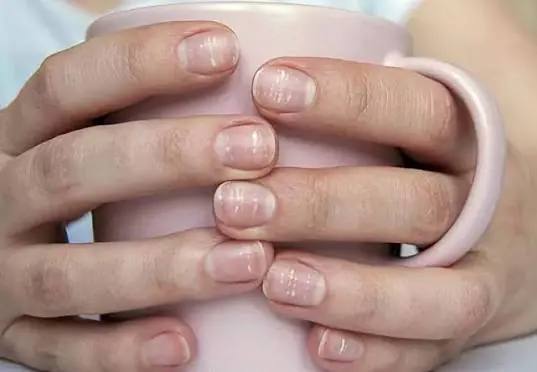
These Unexpected Nail Changes May Signal an Underlying Health Issue 👇
5 Common Mini Stroke Warning Signs Every Family Should Recognize

Can Diet and Lifestyle Help Reduce Bloating? Here's What We Know
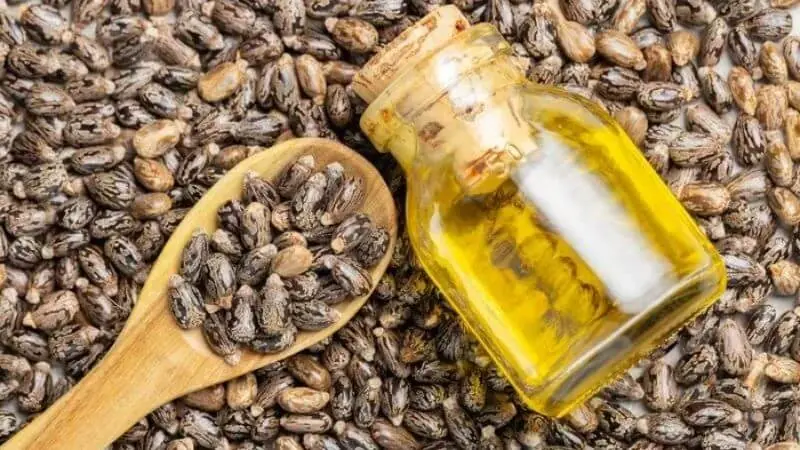
8 Common Claims About Castor Oil and Baking Soda

Many People Soak Their Feet in Apple Cider Vinegar - Here's Why

He Believed Lemon Water Would Help His Bl00d Pressure - What Happened After Two Years May Surprise You

Healthy Aging: What Science Says About 12 Everyday Habits

Doctors Find a Possible Link to Eating One Type of Pickled Vegetable for Nearly 10

Doctors Warn It Can Be More Toxic Than Arsenic if Prepared Incorrectly

Your Liver May Be Sending Quiet Warning Signals

Drinking Chia Seed Water Every Day: Potential Benefits and What You Should Know
Doctors reveal that eating avocados causes… see more

Scientists Were Surprised by the One Root Vegetable Everyone in This Village Eats Daily

Not all chicken is created equal: 3 parts you may want to avoid.

He Ate Raw Garlic Every Morning for 6 Years—Then Doctors Made a Shocking Discovery

A Natural Source of Collagen You May Be Overlooking
These Common Conditions May Be Causing Your Hip Pain—Learn the Signs
⚠️ Don't Ignore Hip Pain—It May Be Linked to More Than You Think
😨 Small Changes Could Point to Kidney Problems—Here's What Experts Say to Watch For
These Unexpected Nail Changes May Signal an Underlying Health Issue 👇
5 Common Mini Stroke Warning Signs Every Family Should Recognize
Can Diet and Lifestyle Help Reduce Bloating? Here's What We Know
8 Common Claims About Castor Oil and Baking Soda
Many People Soak Their Feet in Apple Cider Vinegar - Here's Why

25-Year-Old Man Suffers Kidney Failure After Just One Bite
He Believed Lemon Water Would Help His Bl00d Pressure - What Happened After Two Years May Surprise You
Healthy Aging: What Science Says About 12 Everyday Habits
What Should You Do If a Bird Flies Into Your House?
Doctors Find a Possible Link to Eating One Type of Pickled Vegetable for Nearly 10
Doctors Warn It Can Be More Toxic Than Arsenic if Prepared Incorrectly
Your Liver May Be Sending Quiet Warning Signals

Baking Soda: 12 Everyday Uses Worth Knowing

54-Year-Old Woman Thought Ginger Was Healthy Ate It Daily for 3 Months and Paid a Painful Price
Drinking Chia Seed Water Every Day: Potential Benefits and What You Should Know
Doctors reveal that eating avocados causes… see more
Scientists Were Surprised by the One Root Vegetable Everyone in This Village Eats Daily