Veteran Strawberry Farmer: "Using Only Salt or Flour to Wash Strawberries Is Wrong – Here's a Better Way"
With these two methods, you can effectively clean strawberries and remove harmful substances from their surface and interior.
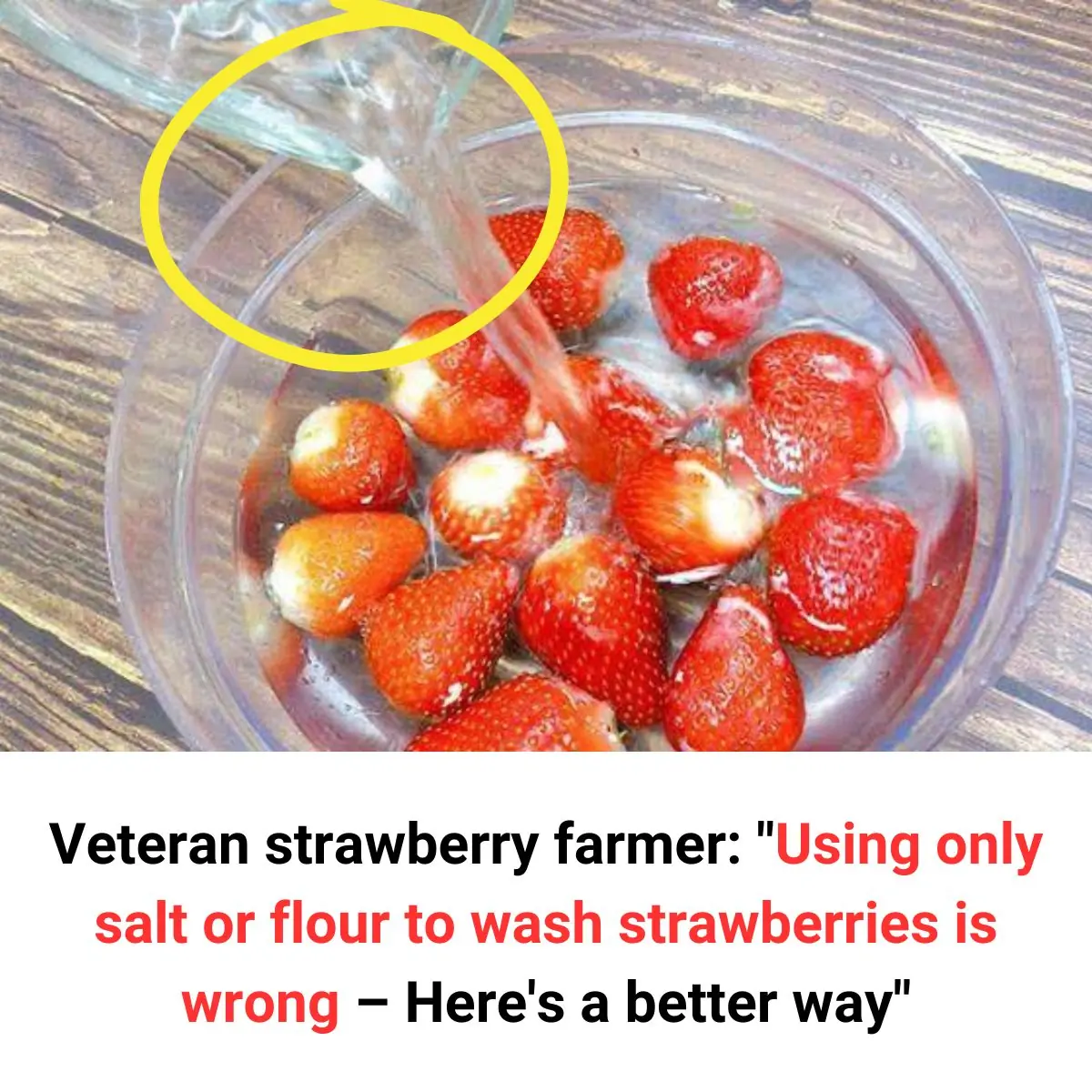
Strawberries, the vibrant red fruit loved by many, are not only adorable in appearance but also packed with sweet and tangy flavors and rich in vitamin C, offering numerous health benefits. Whether eaten fresh, turned into jam, added to jellies, or blended into milkshakes, strawberries always bring a delightful taste experience. The strawberry season typically starts in December and lasts until April, with peak ripeness occurring between January and March.
During strawberry season, many enjoy visiting farms to pick their own berries. However, before indulging in their deliciousness, there's an important step you shouldn't skip—washing them properly.
Why You Need to Wash Strawberries Thoroughly
Strawberries grow low to the ground, making them susceptible to contamination from soil, dust, bacteria, mold, and pesticides. If not cleaned properly, both their flavor and safety may be compromised.
Simply rinsing strawberries with water isn’t enough. Water can only remove some surface impurities, but it doesn’t effectively eliminate dirt or pesticide residues clinging to the berries. So, what’s the best way to clean strawberries?
Today, we’re sharing two highly effective cleaning methods, both learned from a veteran strawberry farmer with decades of experience. According to him, many people wash strawberries with just salt or flour, but that’s not the correct way. Instead, try these proven techniques:
Method 1: Using Rice Water & Baking Soda
Rice water contains starch, which has a natural cleansing effect on fruits and vegetables. The starch helps lift dirt and impurities from the surface, making the produce cleaner.
Baking soda is widely known as a powerful cleaning agent for fruits and vegetables.
How to Do It:
- Fill a bowl with water and dissolve an appropriate amount of baking soda in it.
- Soak the strawberries in the solution for 15 minutes.
- Rinse them in rice water for about 2–3 minutes, gently rubbing them.
- Remove the green stems to avoid insect eggs that may be hidden underneath.
Method 2: Using Salt, Flour & Rice Water
This is an upgraded version of the first method, incorporating additional cleansing agents for a more thorough wash.
Steps:
- Inspect the strawberries – Check for any damage or bruising, as they are often affected during packaging and transportation.
- Remove the green tops – This helps get rid of pesticide residues and insect eggs that might be hiding underneath. Rinse the strawberries under running water to remove any visible dirt.
- Prepare the cleaning solution – Fill a bowl with rice water, add the strawberries, and soak for 5–10 minutes. Then, add salt and flour, gently rubbing the strawberries clean.
- Salt acts as a natural disinfectant.
- Flour and rice water help absorb pesticide residues and impurities.
- Be gentle to avoid bruising the fruit.
- Final rinse – Add fresh water to the bowl and swirl the strawberries in it. You’ll notice impurities floating to the surface. Drain the water and rinse the berries under running water, gently stirring them to wash away any remaining dirt.
Tips for Choosing the Best Strawberries
To ensure you get the best texture and flavor, follow these selection tips:
- Color – Pick strawberries that are bright red and evenly colored. Avoid ones with green or white patches, as they may not be fully ripe. Generally, the deeper the red, the sweeter the strawberry.
- Shape – Choose plump, well-rounded strawberries. Avoid flat or misshapen ones, as they may have grown under unfavorable conditions.
- Aroma – Ripe strawberries emit a strong, fresh fragrance. If they lack a sweet smell, they might not be fully ripe or flavorful.
These two cleaning methods can help you effectively wash strawberries, removing harmful substances from their surface and inside. Enjoy fresh, clean, and safe strawberries with these expert-backed techniques!