In recent days, social media has been flooded with alarming images showing fish with strange yellow, bead-like substances inside their mouths. Accompanied by captions warning people to stop eating red snapper, these posts have quickly gone viral, leaving many consumers confused and concerned.
At first glance, the images appear unsettling. The fish seem to have their mouths filled with small yellow spheres, leading some viewers to assume the presence of parasites, toxins, or even contamination. However, experts say the reality is far less alarming than it appears.
What Are Those Yellow Balls?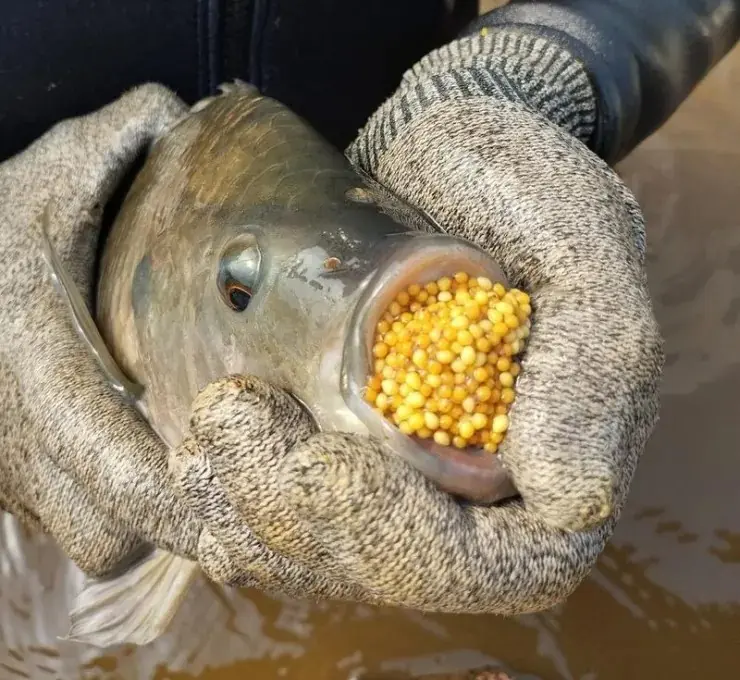
According to marine biologists and food experts, the yellow bead-like clusters seen in the images are most likely fish eggs, also known as roe. Many fish species, including those commonly consumed by humans, carry eggs during certain times of the year.
In some cases, these eggs may be visible in unusual places, such as near the mouth or inside the body cavity, especially if the fish is handled or cut in a certain way.
Fish roe is not only natural but is also widely consumed in many cultures. It is considered a delicacy in various cuisines around the world.
Why Do They Appear in the Mouth?
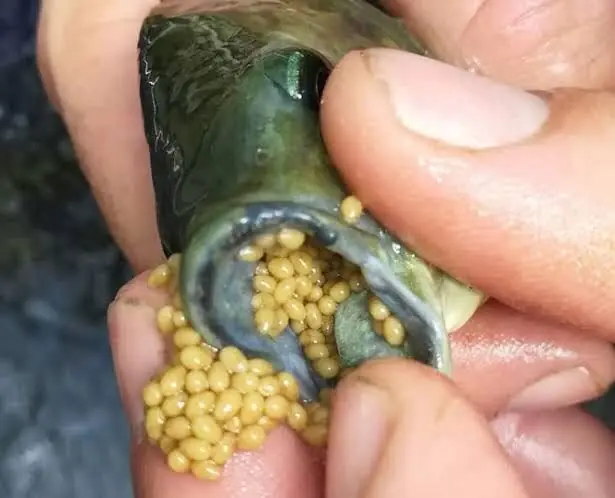
The presence of eggs in the fish’s mouth may seem unusual, but it can happen under specific conditions. Some fish species are known as mouthbrooders, meaning they carry their eggs in their mouths to protect them from predators.
Even in species that are not typical mouthbrooders, eggs can shift within the body during handling or when pressure is applied, making them appear in unexpected areas.
This can create the impression that something is wrong with the fish, even when it is perfectly normal.
Is It Safe to Eat?
One of the biggest concerns raised by these viral posts is food safety. However, experts emphasize that the presence of fish roe does not make the fish unsafe to eat.
In fact, fish roe is edible and is often used in dishes such as sushi, spreads, and sauces. It is rich in nutrients, including protein, omega-3 fatty acids, and vitamins.
That said, proper handling and cooking of fish remain essential. Like all seafood, fish should be fresh, properly stored, and thoroughly cooked to ensure safety.
The Role of Misinformation
The rapid spread of these images highlights how easily misinformation can circulate online. Without proper context, unusual or unfamiliar visuals can lead to fear and misunderstanding.
In this case, labeling the fish as dangerous without scientific evidence may cause unnecessary concern among consumers.
Food safety experts advise verifying information from reliable sources before making decisions based on viral content.
How to Choose Safe Fish
While the viral images may be misleading, it is still important to know how to select safe and fresh fish.
When buying fish, look for clear eyes, firm flesh, and a mild, fresh smell. Avoid fish that appears slimy, has a strong odor, or shows signs of discoloration.
If you notice anything unusual, such as unexpected textures or smells, it is always best to consult a knowledgeable seller or avoid purchasing that item.
Cooking and Handling Tips
Proper preparation can further ensure that fish is safe and enjoyable to eat. Always clean fish thoroughly and remove any unwanted parts before cooking.
Cooking fish at the appropriate temperature helps eliminate harmful bacteria and ensures the best flavor.
For those unfamiliar with fish roe, it can be removed before cooking if desired. However, it is safe to eat when prepared properly.
Understanding What You See
The internet often amplifies shocking or unusual images without explanation. In reality, many of these images have simple, natural explanations.
The yellow clusters seen in the viral fish images are not parasites or signs of contamination but a normal biological feature—fish eggs.
Understanding this can help reduce unnecessary fear and allow people to make informed choices about their food.
The Bottom Line
There is no need to panic or completely avoid eating fish based on viral images alone. Fish remains a valuable source of nutrition and can be safely enjoyed when handled and prepared correctly.
As with any food-related concern, the key is to rely on accurate information and expert advice rather than sensational headlines.
In the end, what may look alarming at first glance is often just a natural part of how living organisms function—and not a reason to give up one of the healthiest foods in your diet.