What Your Visible Veins Might Be Telling You: When It’s Normal, and When to Pay Attention
Have you ever looked down at your hands or legs and noticed your veins suddenly appearing more prominent—almost as if they became visible overnight? For some, this is nothing more than a fleeting curiosity. For others, it raises deeper questions: Is this a sign of better health, natural aging, or a warning of something more serious beneath the surface?
While prominent veins are often brushed off as a cosmetic issue, health experts caution that, in some cases, they could be signaling underlying circulatory problems that shouldn’t be ignored.
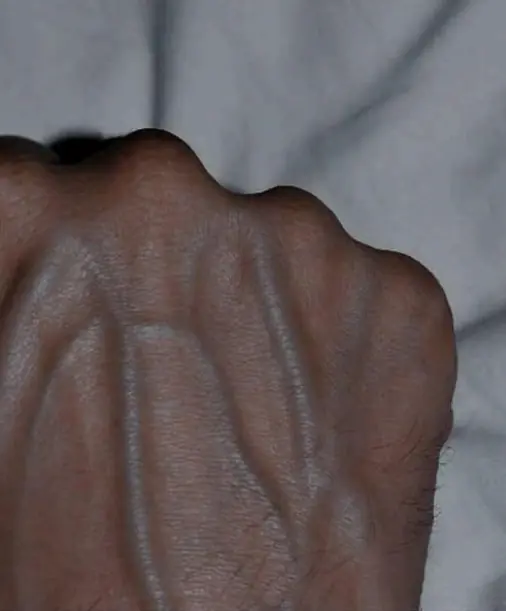
Why Do Veins Become More Noticeable?
Veins are a vital part of your circulatory system, returning oxygen-depleted blood back to the heart. Unlike arteries, veins are thinner, closer to the surface of the skin, and more affected by external and internal conditions. Several factors—ranging from age and genetics to exercise and temperature—can influence how visible they appear.
Common (and Harmless) Reasons Veins Stand Out
Low Body Fat: With less fat between the skin and veins, it’s natural for veins to be more visible. This is common in athletes, bodybuilders, or those who’ve lost weight rapidly.
Aging Skin: As we age, the skin becomes thinner and less elastic. This, along with reduced fat, makes veins stand out more.
Exercise and Fitness: Increased blood flow during and after exercise causes veins to expand. In fit individuals, this effect may be more pronounced and persistent.
Heat and Warm Weather: In warm temperatures, veins dilate to help cool the body, making them easier to see.
Genetics: For some, vein visibility is simply hereditary. If visible veins run in your family, they may appear regardless of your health.
When Visible Veins Could Signal a Health Issue
In certain cases, suddenly prominently visisble veins may be more than a cosmetic concern. Conditions that affect vein function or blood flow may be to blame.
Chronic Venous Insufficiency (CVI): When vein valves weaken or fail, blood can pool in the legs, leading to swelling, heaviness, and visible bulging veins
Varicose Veins: Enlarged and twisted veins, often painful and linked with itching or skin discoloration.
Superficial Thrombophlebitis: A small blood clot near the surface causes redness, tenderness, and a firm, cord-like vein.
Deep Vein Thrombosis (DVT): A dangerous clot in a deep vein, typically in the leg. Symptoms include sudden swelling, pain, warmth, and redness. DVT is a medical emergency requiring immediate attention.
Other Non-Serious Triggers
Sometimes, temporary or hormonal changes can make veins more visible:
Intense workouts or strength training
Dehydration
Hormonal fluctuations (such as pregnancy, menstruation, or menopause)
Sudden weight loss
When to Consult a Doctor
If your veins suddenly become more visible without a clear cause—or if you notice symptoms like pain, swelling, warmth, or skin changes—it’s best to consult a healthcare provider.
These signs could point to vascular conditions that require medical evaluation.
Treatment and Management Options
For those experiencing discomfort or seeking cosmetic improvement, several approaches may help:
Lifestyle Adjustments: Maintain a healthy weight, stay active, elevate legs, and avoid prolonged sitting or standing.
Compression Stockings: These improve circulation and reduce swelling.
Medical Treatments: Options include sclerotherapy (vein injections), laser therapy, or surgical procedures for more severe cases.
Prevention and Everyday Tips
Stay well-hydrated
Move regularly during long trips or sedentary work
Avoid smoking
Eat a balanced, nutrient-rich diet
The Emotional and Aesthetic Side
Visible veins can mean different things to different people. For athletes, they may be a symbol of strength and conditioning. For others, they might be a source of insecurity. Regardless, options exist to manage both the health implications and appearance of prominent veins.
Conclusion
In most cases, visible veins are harmless—linked to age, genetics, or physical fitness. However,they can sometimes signal deeper circulatory concerns like venous insufficiency or blood clots. Learning the difference between normal changes and warning signs can empower you to make informed health decisions. When in doubt, seek medical advice. Your veins are more than skin-deep—they’re a window into your body’s circulatory health and overall well-being.
What Your Visible Veins Might Be Telling You: Understanding Normal Changes, Circulation Problems, and Warning Signs
Visible veins are a common feature of the human body. Some people naturally have prominent blue or green veins on their hands, arms, legs, or feet, while others notice their veins becoming more noticeable as they grow older, lose weight, or become physically active.
In many cases, visible veins are completely normal. They may simply reflect genetics, skin thickness, body composition, or temporary changes in blood flow.
However, veins also play an important role in circulation. When the valves inside them become weakened or when blood flow is obstructed, visible changes may occur alongside symptoms such as swelling, pain, heaviness, or skin discoloration.
The challenge is knowing when prominent veins are simply part of your natural appearance and when they deserve medical attention.
Understanding how veins work, what influences their appearance, and which symptoms require evaluation can help you make more informed decisions about your vascular health.
1. Understanding How Your Veins Work
Your circulatory system consists of the heart, arteries, veins, and tiny blood vessels called capillaries.
Arteries carry blood away from the heart, delivering oxygen and nutrients to tissues throughout the body. Veins perform the opposite task: they return blood toward the heart.
Although veins are often described as passive tubes, they play an active role in maintaining circulation.
Veins contain one-way valves that help prevent blood from flowing backward. In the legs, these valves are especially important because blood must travel upward against gravity.
Muscles surrounding the veins also help push blood toward the heart. This process is sometimes called the muscle pump.
When you walk, contract your calf muscles, or move your legs, these muscles compress nearby veins and help move blood upward. The valves open to allow blood through and close to reduce backward flow.
Several factors can influence this system: