Waking up and discovering drool on your pillow can feel embarrassing or strange, but it is actually far more common than most people think. Many adults occasionally drool during sleep, and in many cases, it is completely harmless. However, persistent or excessive drooling may sometimes reveal important clues about your sleeping habits, breathing patterns, or overall health.
Your body communicates in subtle ways while you sleep. Snoring, teeth grinding, sleep talking, and drooling can all provide signals about what is happening internally. Although drooling is often linked to deep sleep or sleeping position, it can also be associated with nasal congestion, stress, medications, or even certain medical conditions.
So why does drooling happen, and what might your body be trying to tell you?
What Causes Drooling During Sleep?
Drooling occurs when saliva escapes from the mouth during sleep. Normally, saliva is swallowed automatically throughout the night without conscious effort. However, certain factors may interfere with this process.
Common reasons include:
- Sleeping position
- Mouth breathing
- Deep sleep
- Blocked sinuses
- Excess saliva production
- Relaxed facial muscles
When the muscles around the mouth become fully relaxed, saliva may leak out more easily, especially if the mouth remains open during sleep.
In many cases, occasional drooling is completely normal. But persistent drooling may sometimes indicate an underlying issue worth paying attention to.
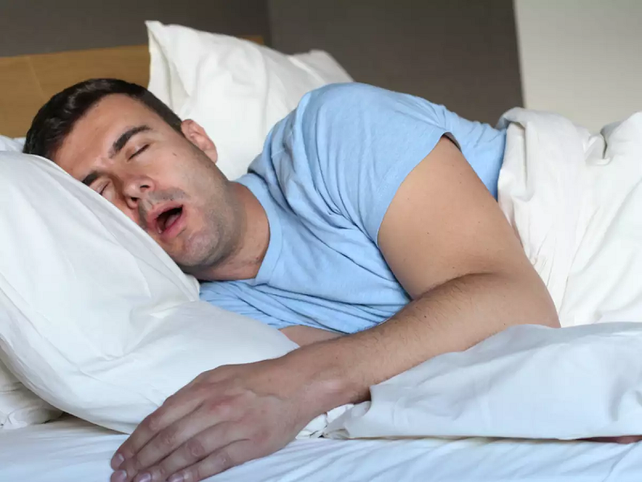
1. You May Be Sleeping Very Deeply
One surprisingly positive reason for drooling is deep sleep.
During deep sleep stages, the body becomes extremely relaxed. Muscles loosen, breathing slows, and swallowing reflexes may become less active.
If you drool occasionally, it may simply mean your body entered a highly restorative stage of sleep.
People who are sleep-deprived sometimes notice increased drooling because the body quickly falls into deeper sleep cycles when finally allowed to rest properly.
So in some cases, drooling can actually be a sign that your body is getting the rest it needs.
2. Your Sleeping Position Could Be the Main Cause
Sleeping position is one of the biggest factors behind nighttime drooling.
People who sleep on:
- Their side
- Their stomach