Waking up to a wet spot on your pillow can be a little embarrassing, especially if it happens regularly. But drooling during sleep is actually quite common and, in many cases, is completely harmless.
While you're awake, swallowing happens automatically and frequently. During sleep, however, your swallowing reflex becomes less active, the muscles around your mouth relax, and saliva can collect in the mouth. If your lips are slightly open, saliva may eventually escape onto your pillow.
Still, frequent or excessive nighttime drooling can sometimes be connected to nasal congestion, sleeping position, acid reflux, certain medications, or sleep-related breathing problems.
Understanding the possible causes can help you decide whether it's simply a normal sleep habit or something worth discussing with a healthcare professional.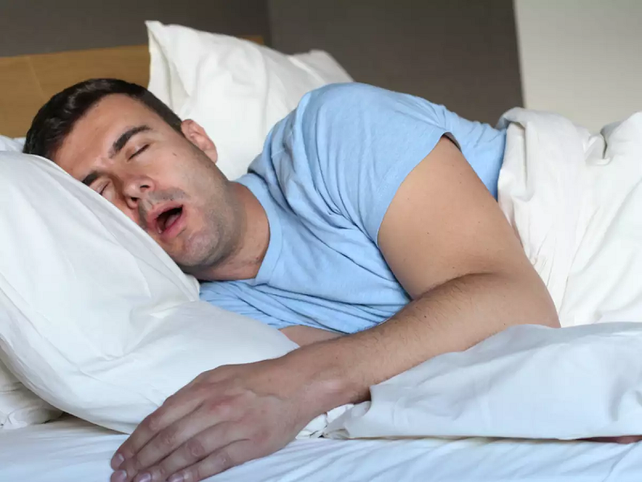
1. Your Sleeping Position May Be the Main Reason
One of the simplest explanations for nighttime drooling is how you sleep.
People who sleep on their side or stomach may be more likely to notice saliva on their pillow because gravity makes it easier for saliva to leave the mouth.
When sleeping on your back, saliva is more likely to remain inside the mouth and be swallowed.
This doesn't mean you have to force yourself to sleep on your back. Sleep position is influenced by comfort, anatomy, snoring, reflux, and other factors.
If you're otherwise healthy and only occasionally notice drooling, your sleeping position may be all that's happening.
2. A Blocked Nose Can Make You Breathe Through Your Mouth
Nasal congestion is another very common reason people drool at night.
When your nose is blocked, you may naturally switch to mouth breathing.
As your mouth remains open during sleep, saliva can escape more easily.
Nasal congestion may be caused by:
-
A common cold
-
Seasonal allergies
-
Sinus inflammation
-
A deviated nasal septum
-
Nasal polyps
-
Environmental irritants
If you notice that drooling becomes worse when your nose is congested, the two may be connected.
Treating the underlying nasal problem may reduce nighttime mouth breathing and, consequently, drooling.
3. Allergies Can Increase the Problem
Allergies can cause a combination of nasal congestion, runny nose, sneezing, and postnasal drainage.
When the nose becomes difficult to breathe through, mouth breathing may occur during sleep.
Allergic inflammation can also increase mucus production, making the throat feel congested.
If you wake up with a dry mouth, stuffy nose, and drool on your pillow, allergies could be part of the picture.
Reducing exposure to known allergens and discussing appropriate allergy treatment with a healthcare professional may help.
4. Sleeping With Your Mouth Open
Some people naturally sleep with their mouth slightly open.
This may happen because of nasal obstruction, relaxed facial muscles, anatomical differences, or habitual mouth breathing.
When the mouth remains open, saliva has an easier path out.
You might notice other clues, such as:
-
Dry mouth when you wake up
-
Bad breath in the morning
-
Sore throat
-
Snoring
-
A sticky feeling in the mouth
If mouth breathing occurs regularly, it may be worth identifying why.
Simply trying to keep your mouth closed at night isn't always the best solution if the underlying issue is nasal obstruction or a sleep-related breathing disorder.
5. Certain Medications Can Affect Saliva
Some medications can influence saliva production or swallowing.
Certain drugs may increase salivation, while others cause dry mouth.
Medication-related changes can sometimes alter how much saliva accumulates during sleep.
If nighttime drooling suddenly begins after starting a new medication or changing a dose, mention it to your doctor or pharmacist.
Don't stop a prescribed medication on your own.
A healthcare professional can determine whether the medication could be contributing and whether an alternative is appropriate.
6. Acid Reflux May Play a Role
Gastroesophageal reflux disease (GERD) occurs when stomach contents move upward into the esophagus.
Some people with reflux experience a phenomenon called water brash, in which the body produces excess saliva in response to acid reaching the esophagus.
Nighttime reflux may also cause:
-
Heartburn
-
Sour taste in the mouth
-
Throat clearing
-
Chronic cough
-
Hoarseness
-
A sensation of something in the throat
If you regularly wake up with drool along with a sour taste or burning sensation, reflux could potentially be contributing.
Lifestyle measures such as avoiding large meals shortly before bedtime and identifying personal trigger foods may help some people.
Persistent reflux symptoms should be discussed with a healthcare professional.
7. Alcohol and Sedatives Can Increase Drooling
Alcohol and certain sedating substances can cause deeper relaxation of the muscles involved in maintaining the position of the mouth and airway.
This may make mouth opening and drooling more likely.
Alcohol can also worsen snoring and sleep-disordered breathing in some people.
If you notice that nighttime drooling is particularly pronounced after drinking alcohol, there may be a connection.
Reducing alcohol consumption - especially close to bedtime may help.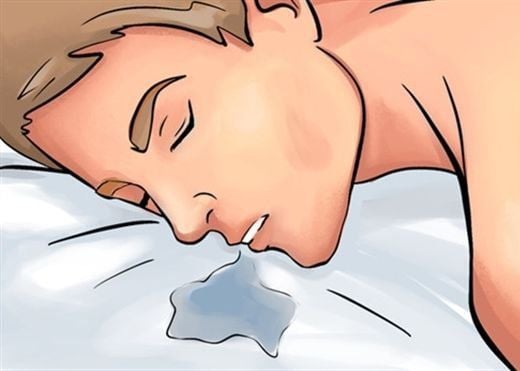
8. Snoring May Be Connected
If you regularly snore, nighttime drooling may not be the only issue.
Snoring often occurs when airflow through the upper airway becomes partially restricted during sleep.
People who snore may breathe through their mouths, which can make saliva leakage more likely.
Occasional snoring is common.
But loud, frequent snoring accompanied by other symptoms deserves more attention.
9. Sleep Apnea Is Worth Considering
One of the more important causes to recognize is obstructive sleep apnea (OSA).
During sleep, the upper airway can repeatedly narrow or become blocked, causing breathing interruptions.
The brain briefly shifts the person toward a lighter stage of sleep so that normal breathing can resume.
People with sleep apnea may breathe through their mouths, snore loudly, and experience increased saliva leakage.
Other possible warning signs include:
-
Loud habitual snoring
-
Gasping or choking during sleep
-
Witnessed pauses in breathing
-
Morning headaches
-
Excessive daytime sleepiness
-
Difficulty concentrating
-
Waking with a dry mouth
Not everyone with sleep apnea drools, and drooling does not mean someone has sleep apnea.
However, frequent drooling combined with loud snoring, gasping, or daytime sleepiness is a good reason to talk with a healthcare professional.
10. Nasal Structure Can Affect Breathing
Some people have anatomical factors that make nasal breathing more difficult.
A deviated septum, enlarged nasal tissues, or nasal polyps can contribute to chronic congestion.
If nasal breathing is difficult, mouth breathing may become the default during sleep.
You may notice that one nostril is frequently blocked or that you struggle to breathe comfortably through your nose even when you're not sick.
An ear, nose, and throat specialist can evaluate persistent nasal obstruction and determine whether treatment is necessary.
11. Drooling Can Sometimes Be Related to Swallowing Problems
In less common situations, excessive drooling can be related to difficulty swallowing saliva rather than simply producing too much saliva.
Certain neurological conditions can affect the muscles involved in swallowing and facial control.
Signs that may warrant medical evaluation include:
-
Difficulty swallowing food or liquids
-
Frequent coughing while eating
-
Choking episodes
-
Changes in speech
-
Facial weakness
-
New problems controlling saliva while awake
If excessive drooling begins suddenly along with facial weakness, difficulty speaking, confusion, or weakness on one side of the body, seek emergency medical attention immediately, as these can be signs of a stroke.
Is Drooling During Sleep Normal?
For many people, yes.
Occasional drooling is generally not a concern, especially if you:
-
Sleep on your side or stomach
-
Have a stuffy nose
-
Are experiencing allergies or a cold
-
Sleep very deeply
-
Have no other concerning symptoms
The important factor is change and persistence.
If you've always occasionally drooled and feel perfectly healthy, there may be little reason to worry.
If you suddenly begin drooling heavily every night, however, it is worth considering what has changed.
Why Do Some People Drool More Than Others?
Saliva production varies naturally from person to person.
Other factors can influence nighttime drooling, including:
Mouth anatomy: The shape and position of the lips, jaw, and tongue can affect whether saliva remains inside the mouth.
Sleep position: Side and stomach sleeping make leakage easier.
Nasal breathing: Congestion increases the likelihood of mouth breathing.
Swallowing frequency: Swallowing naturally decreases during sleep.
Medication: Some drugs can alter saliva production or muscle function.
Sleep quality: Certain sleep disorders can affect breathing patterns and mouth position.
There is therefore no single explanation that applies to everyone.
Can You Reduce Nighttime Drooling?
If the cause is relatively simple, several measures may help.
Keep Your Nose Clear
If allergies or congestion are causing mouth breathing, addressing the nasal problem may reduce drooling.
Saline nasal sprays can be useful for some people, while persistent congestion may require medical evaluation.
Consider Your Sleeping Position
If you normally sleep on your stomach or side, experimenting with a more neutral sleeping position may help.
However, don't sacrifice sleep quality simply to prevent drooling.
Avoid Heavy Alcohol Consumption Before Bed
Alcohol can worsen snoring and affect sleep-related breathing.
Reducing alcohol, particularly in the hours before bedtime, may help.
Manage Reflux
If you have nighttime reflux, avoid very large meals shortly before going to bed.
Elevating the upper body may also help some people with reflux symptoms.
Keep the Bedroom Comfortable
Dry air can irritate the nose and throat, potentially worsening congestion.
Maintaining a comfortable humidity level may help, particularly during dry seasons.
When Should You See a Doctor?
Drooling itself is usually not an emergency.
But it is worth discussing with a healthcare professional if it is:
-
New and persistent
-
Suddenly much worse than usual
-
Associated with difficulty swallowing
-
Accompanied by frequent choking
-
Associated with significant snoring
-
Accompanied by gasping or breathing pauses
-
Associated with excessive daytime sleepiness
-
Occurring alongside neurological symptoms
A doctor can help determine whether the issue is related to nasal congestion, reflux, medication, sleep apnea, swallowing difficulties, or another condition.
Don't Ignore Sudden Neurological Symptoms
There is one situation where drooling can be part of a much more serious problem.
If someone suddenly develops drooling together with facial drooping, weakness or numbness on one side of the body, difficulty speaking, confusion, severe dizziness, or trouble walking, seek emergency medical care immediately.
These can be signs of a stroke.
The issue isn't the drooling itself. It is the sudden combination of neurological symptoms.
The Bottom Line
Waking up with drool on your pillow can be awkward, but occasional nighttime drooling is usually harmless.
Sleeping position, mouth breathing, nasal congestion, allergies, reflux, alcohol, medications, and snoring can all contribute.
In some people, frequent drooling may be associated with sleep apnea or problems affecting swallowing, particularly when other symptoms are present.
So don't panic if you occasionally wake up with a wet pillow.
Instead, pay attention to the bigger picture.
If you're also snoring loudly, waking up gasping, struggling to breathe through your nose, experiencing persistent reflux, or having difficulty swallowing, it may be worth discussing the problem with a healthcare professional.
And if drooling suddenly appears alongside signs of a neurological emergency, seek immediate medical attention.
Sometimes a little saliva on your pillow is simply a harmless part of sleep. But when it comes with other changes, it may be a clue worth paying attention to.